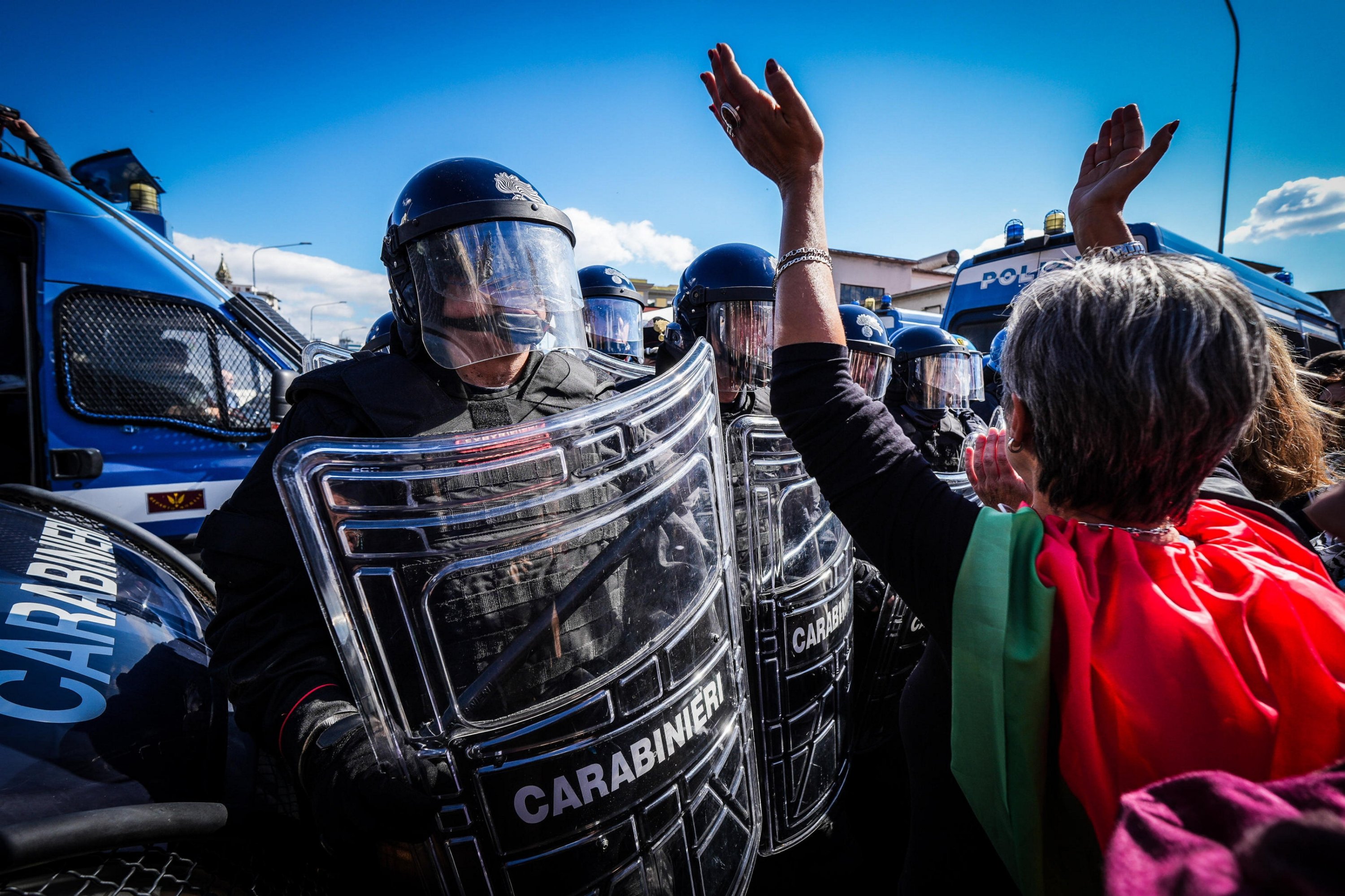
In the past weeks, the protests in solidarity with Palestine have intensified and expanded across Italy, reflecting a widespread and visible discontent regarding the genocide and the humanitarian crisis unfolding in the Gaza Strip. The implications of those movements, reaching their peak along with the general strike declared on Oct. 3, go well beyond the mere sympathy toward Palestinians and the humanitarian support. The demonstrations have attracted large participation from young people, students, trade unions, social movements, members of civil society and representatives of opposition parties. By harshly condemning the Israeli government, people took to the streets to acknowledge the nonviolent action of the Global Sumud Flotilla and to send an explicit political message. Indeed, the general strike, blockades and strong stances taken by various civil society groups aim to pressure Prime Minister Giorgia Meloni’s government, exposing domestic fault lines and political polarization.
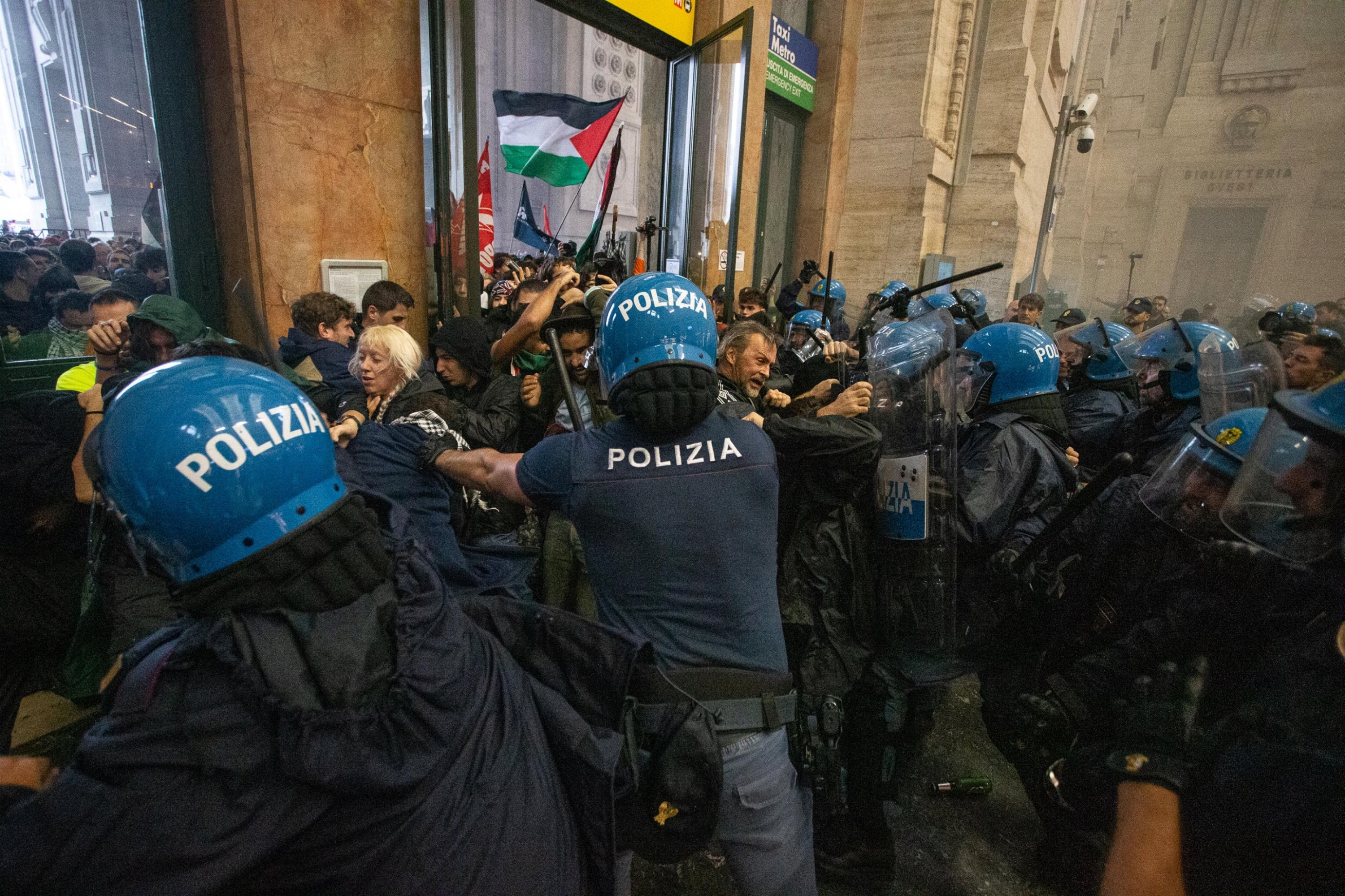
The Gaza protests have involved hundreds of thousands of people in many Italian areas. Rome, Milan, Turin, Bologna and Naples are just some of the cities where, in addition to street demonstrations that sometimes erupt in violent clashes, attempts have also been made to occupy university campuses and block major roads. In a growing emotional participation, the primary goal was denouncing the "complicity in the Gaza war," guaranteeing humanitarian aid, even severing the relations with Israel and legitimizing the actions of the Sumud Flotilla humanitarian mission, which also included 46 Italian activists.
As a matter of fact, the interception of the flotilla by Israeli forces sparked widespread outrage amid the Oct. 3 general strike. To some extent, those rallies – which also involved a large group of migrants and humanitarian associations – mark a sort of watershed in the most recent Italian political and social dynamics. In addition to the emotional component linked to grief for the civilian victims, there has been a growing collective awareness of the ongoing massacres in Gaza and of the international double standards, leading to a new political dimension aiming at questioning the role of the Italian government and its relationship with Israel.
In this regard, since Oct. 7, 2023, the government coalition led by Meloni has shown an ambivalent approach aimed at balancing both internal and external pressures. Without contradicting its Atlanticist leanings, as well as its historic partnership with Israel, the Italian position has formally been to halt arms exports to Israel, focusing on humanitarian aid and contributing to the displacement of Palestinian children and youth in need. While recognizing "Israel's right to defense," institutional voices condemn the "disproportionate" Israeli attacks, declaring that they "exceeded the limits of legitimate defense" and violated international law.
However, the Italian leadership has been cautious and prudent in expressing clear judgments or taking strong initiatives that could compromise diplomatic, military or trade relations. Despite the growing number of actors recognizing the state of Palestine, Meloni stated that the time is not yet ripe and recognition must come under two conditions: the dismantling of Hamas and the release of all hostages. In this spirit, Meloni has also expressed disappointment with the protests and strikes, perceived as "politically motivated.” Despite raising the risk of “undermining Trump's declared peace plan,” the Sumud flotilla vessels were escorted in international waters by an Italian Navy frigate, while the repatriation of the Italian activists was made possible mainly thanks to the support of Türkiye, which embarked them on a Turkish Airlines aircraft allocated for that purpose.
In a growing climate of discontent, the current social fragmentation and political polarization can be interpreted along multiple axes, such as the geopolitical/humanitarian and the domestic ones. Indeed, the humanitarian issue plays a role in a perspective of values and awareness of geopolitical dynamics: many citizens are supporting a strong stance for Palestinian rights as they are against the bombings and the blockade, and they call for greater Italian accountability.
On the other side, there are those supporting the need to maintain alliances with Israel or avoid compromising strategic international relations, or fear that the protests could fuel anti-Semitism or internal tensions. From a domestic political perspective, therefore, the protests are seen by the government and parts of the right as left-wing maneuvers, a tool to gain political visibility or to criticize the executive. Hence, the government accuses the opposition of exploiting them. The opposition, on the other hand, accuses the government of a lack of moral leadership, delay and hypocrisy. Added to this, there is a growing cultural component and a new awareness: different generations are confronted with contrasting ideas about what the meaning of solidarity is; how to relate to this hectic international environment and to the Middle East; what the sense of responsibility and accountability is by stressing the importance of international law and humanitarian brotherhood.