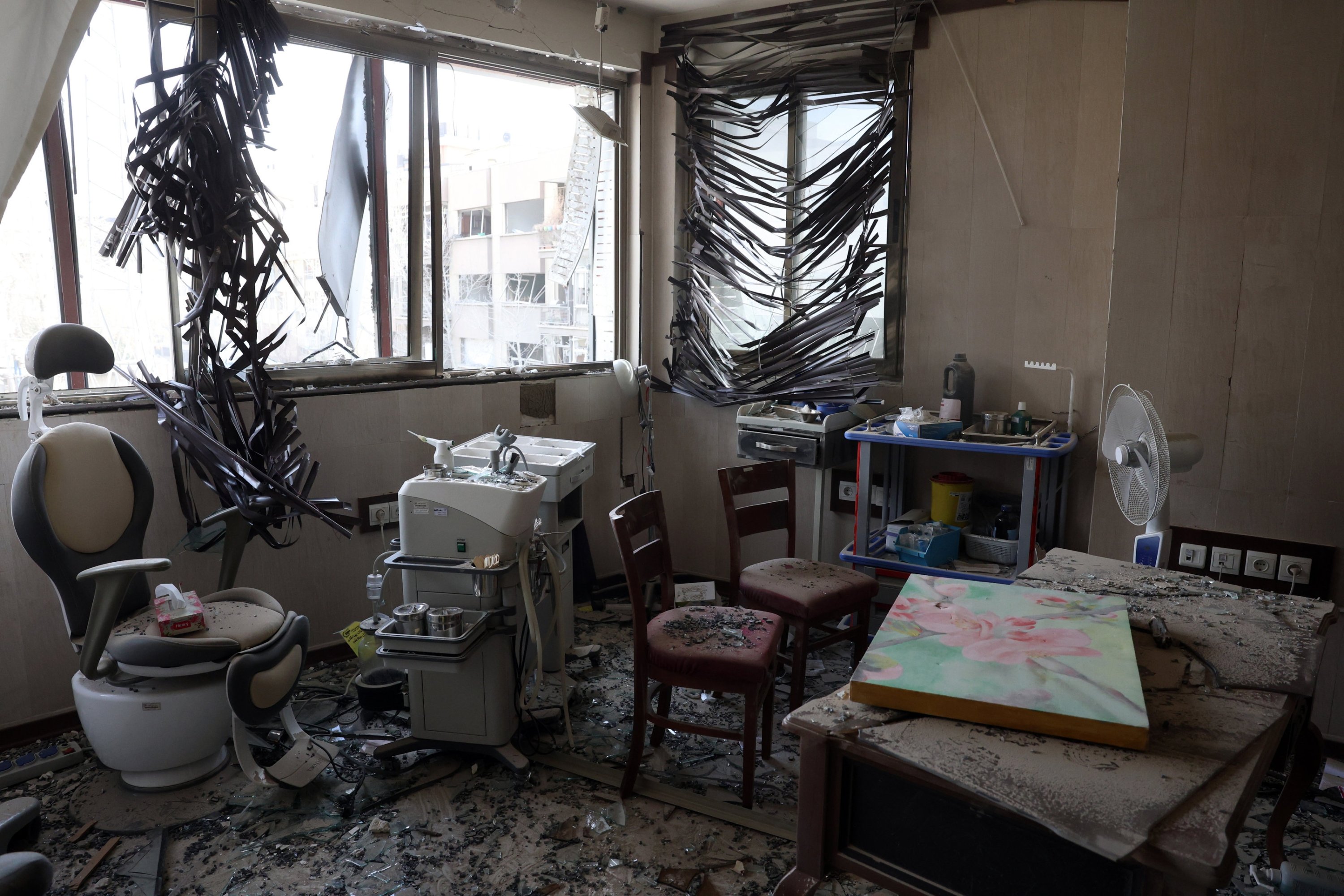
The United States and Israel have launched a new attack on Iran. While negotiations were ongoing, the large-scale U.S. military buildup in the region indicated that, regardless of the outcome of the talks, an attack was inevitable.
Iranian and U.S. negotiators had completed the third round of talks in Geneva under Oman’s mediation and it had been decided that the next round would be held in Vienna. Oman’s Foreign Minister, acting as a mediator, had made statements declaring that the negotiations were progressing very positively and constructively, and that peace was within reach.
However, the U.S.-Israel attack, as in the June 2025 attacks, was carried out at the most critical phase of the negotiations. In this sense, it became clear that diplomacy was not being conducted to achieve peace.
From the very first day of the attacks, it became evident that the negotiations had been designed to stall the other side, create diversion and launch sudden strikes against the Iranian leadership. In other words, the negotiating table had been constructed as part of the preparation on the ground.
Even if Iran had accepted all of the U.S. conditions, the attack would still have been carried out. Its nuclear weapons program was just used as a pretext. The ultimate objective of the U.S.-Israeli alliance became clearer with the targeting and killing of senior officials, including Supreme Leader Ali Khamenei, in the attack.
Since Oct. 7, Israel has developed a regional war plan in which Iran is the central target. Through the tutelage established over the Washington administration, pressure was increased for an attack on Iran. Trump was pushed into launching the assault. Initially, Iran was weakened through its proxies. During the June attacks, the U.S. was steered toward the military option and Iran’s capacities and vulnerabilities were tested. It was also weakened economically and internally.
With this latest attack, the aim is to completely neutralize Iran’s nuclear program, ballistic missile capacity, and proxy forces architecture. Judging by the scale of the assault, command and control structures, missile depots, and critical military centers are being targeted.
Ultimately, the U.S. is either seeking a fundamental transformation of the regime in Iran or forcing the regime, with new actors, into a change of behavior. Trump’s call to the Islamic Revolutionary Guard Corps (IRGC), promising full immunity to those who "lay down arms" and join his side, while warning those who continue the war will face painful consequences, contains both possibilities.
Iran, in the meantime, did not respond only to Israel. It launched missiles toward all Gulf countries hosting U.S. bases. Therefore, there is an ongoing regional war. Although Gulf states are not direct parties to the war, they are at the center of the conflict. Because they are targets, it will be inevitable for them to reposition themselves according to future security needs. At the same time, beyond underground resources, their external investments and regional economic prospects of recent years will suffer significant damage.
By partially closing the Strait of Hormuz, Iran seeks to raise the global cost of the war through energy supply and the security of logistics routes. Iran is in an existential war. Either it will use all its military capabilities to the fullest and inflict major damage on its “targets,” which would mean a prolonged war and significant losses for Iran as well; or it may limit itself to restrained retaliation and seek an alternative exit strategy.
Regarding the future of Iran’s current regime, three scenarios remain possible. First, internal consolidation may increase through rallying around the flag, which would prolong the war. Second, high-level losses and a worsening economy could create fractures within the elite. Third, by domestically selling the narrative that it succeeded in retaliation, Iran could return to negotiations externally. Even if the regime does not fully change, it may agree to a change in behavior.
With the continued U.S. attacks, wars are being normalized. Directly targeting a head of state and aiming at regime change are being rendered ordinary. Mechanisms such as diplomacy, mediation and facilitation are being hollowed out. Rather than confronting China directly in great-power competition, the U.S. is pursuing indirect wars.
At present, Israel is the most significant problem in the global order. The world has confronted this issue and opposition to Israel has been steadily rising. With this war, the opposition will increase even further.