Major European countries, such as the United Kingdom and France, designed the modern Middle East after World War I, which resulted in the dissolution of the Ottoman Empire. The collapse of the Ottoman Empire and the mandate system led to the creation of Israel in 1948. Since then, ensuring the security of the Israeli state has been the top priority in the policy preferences of European countries toward the Middle East.
They have been primary supporters of Israel since its establishment. They have been providing political, diplomatic, economic and military support to Israel against any potential threat. Despite Israel’s persistent violations of fundamental principles of international law, major European powers maintain their staunch pro-Israel policies. While they may occasionally differ from the United States, they rarely take effective action against Israel.
They remained indifferent and did not react to Israel’s atrocities and genocide for almost two years, providing ammunition and weapons to Israel to be used against innocent Palestinians. However, in the second half of 2025, these leading European powers have decided to criticize Israeli atrocities, and most of them have decided to recognize the State of Palestine.
Why did they change their policies toward the Palestinians and Israel’s policies? There are several primary reasons for this policy change. First of all, the change in European governments' policies has been necessitated by their domestic political pressures. Large masses in European countries have been increasingly raising their voices against the ongoing genocide in Gaza, expressing strong opposition to their governments’ support for Israel's actions. Many European politicians have become the voice of their people in parliaments and political platforms. Eventually, the European governments, who are unable to hide Israel’s atrocities and illegitimate actions, had to change their policies.
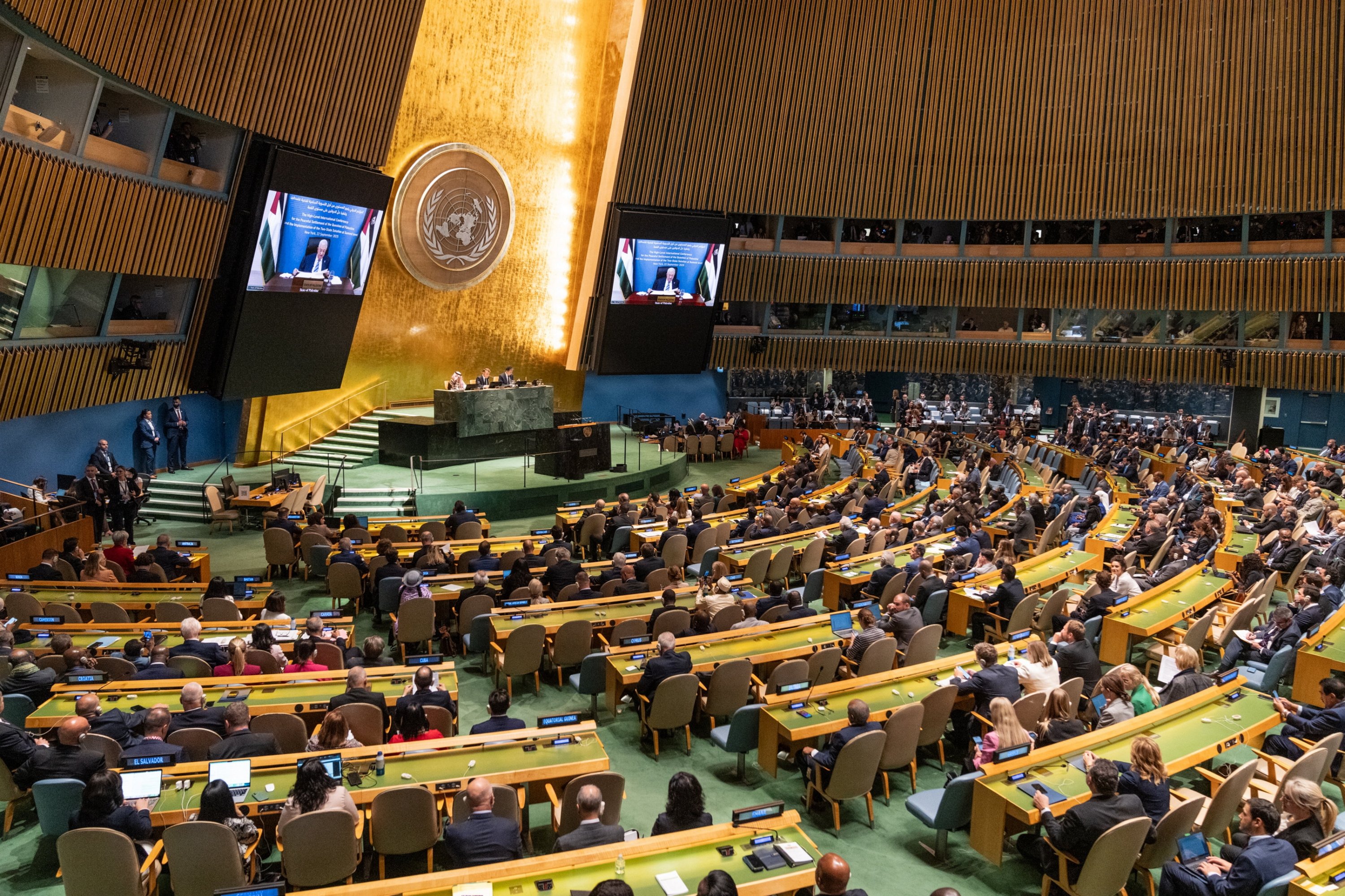
The second reason is the growing anti-Israel sentiment in European countries, which may lead to increased questioning of government support and official statements. As demonstrated by the voting in the United Nations General Assembly, almost the whole world turned against Israel. Besides the U.S. and Israel, only several small statelets in Oceania and a few friends of Israel vote against the Palestinian people. The majority of states cast their votes in favor of the Palestinians, while some continue to abstain. The global coalition of humanity against genocide and genociders has been getting stronger and more effective. This momentum has changed the policies of European powers. They do not want to remain isolated from the international community.
Another reason is Israel’s aggression against Middle Eastern countries such as Yemen, Lebanon, Syria and Iran. Especially, Israel’s attack against the Qatari capital Doha has dramatically changed the policies and calculations of most regional and global states. The world knows that the question is not Hamas or the hostages held by Hamas, but the regionally aggressive and expansionist policies of Israel. No Western state, including the U.S. administration, can explain or justify Israel’s attack against Doha, the host of the largest American military base in the Middle East and also one of the closest American allies in the region.
The Doha attack has changed the policies of the European powers toward Israel, forcing them to terminate their support for Israel. They have even decided to take some effective measures against Tel Aviv. Thus, they want to stop Israel’s regional expansionism.
There is also the European reaction to the Trump administration, which has been sidelining the European states and erasing them from global and regional power equations. It has been forcing them to take some actions regarding the NATO alliance and often warned them that it will not come to their support if they are attacked by Russia. Europe has been trying to send a message to the Trump administration by thwarting not only Israel’s but also the U.S. plans in Palestine. They want to teach a lesson to Donald Trump’s America by recognizing the Palestinian state and by isolating Israel from the international community.
Another significant factor is the increasing anti-Israel stance of some European countries such as Spain, Ireland and Norway. If major European countries do not change their policies, the future of the European Union will become questionable. We all know that the EU unity is based on common values. Therefore, at some point, they have to react to the atrocities of Israel. They cannot remain indifferent to the Israeli violations of basic principles of international law for much longer. The European Commission turned into one of the main anti-Israel political platforms in the world. Many parliamentarians harshly criticize the decisions of the president of the European Commission, Ursula Von Der Leyen.
The sixth reason is the ineffectiveness of the diplomatic recognition. European powers intentionally waited for the total destruction and annihilation of the Gaza Strip. Israel is about to de-Palestinianize Palestine. Recognition after total destruction means nothing. European powers are well aware that their decisions will not change the conditions on the ground. They know well that if Israel continues its genocide in Palestine, soon there will be no Palestine left and no Palestinians alive. All cities in Gaza have been destroyed by Israel; there are no cities left standing.
If Europeans are sincere in their policy change toward the Gaza genocide, they have to take some effective measures that can stop the genocide committed by Israel. On the one hand, some European states put conditions on their recognition of the Palestinian state. On the other hand, they do not clearly declare that they recognize the Palestinian state within the 1967 borders. They will only recognize an artificial Palestinian statehood, which will not remedy the suffering of the Palestinian people.
All in all, many internal and external dynamics have influenced the policy change of the major European governments toward the Israeli aggression in the Middle East, especially against the Gaza genocide. In other words, the diplomatic recognition of the Palestinian state is a reaction to real politics rather than humanitarian concerns. It seems that if EU member states do not take effective measures against the genocide in Gaza, the unity of the European continent could be severely damaged.