Daily Sabah logo

Politics
Diplomacy Legislation War On Terror EU Affairs Elections News Analysis
TÜRKİYE
Istanbul Education Investigations Minorities Expat Corner Diaspora
World
Mid-East Europe Americas Asia Pacific Africa Syrian Crisis Islamophobia
Business
Automotive Economy Energy Finance Tourism Tech Defense Transportation News Analysis
Lifestyle
Health Environment Travel Food Fashion Science Religion History Feature Expat Corner
Arts
Cinema Music Events Portrait Reviews Performing Arts
Sports
Football Basketball Motorsports Tennis
Opinion
Columns Op-Ed Reader's Corner Editorial
PHOTO GALLERY
JOBS ABOUT US RSS PRIVACY CONTACT US
© Turkuvaz Haberleşme ve Yayıncılık 2026

Daily Sabah - Latest & Breaking News from Turkey | Istanbul

  • Politics
    • Diplomacy
    • Legislation
    • War On Terror
    • EU Affairs
    • Elections
    • News Analysis
  • TÜRKİYE
    • Istanbul
    • Education
    • Investigations
    • Minorities
    • Expat Corner
    • Diaspora
  • World
    • Mid-East
    • Europe
    • Americas
    • Asia Pacific
    • Africa
    • Syrian Crisis
    • Islamophobia
  • Business
    • Automotive
    • Economy
    • Energy
    • Finance
    • Tourism
    • Tech
    • Defense
    • Transportation
    • News Analysis
  • Lifestyle
    • Health
    • Environment
    • Travel
    • Food
    • Fashion
    • Science
    • Religion
    • History
    • Feature
    • Expat Corner
  • Arts
    • Cinema
    • Music
    • Events
    • Portrait
    • Reviews
    • Performing Arts
  • Sports
    • Football
    • Basketball
    • Motorsports
    • Tennis
  • Gallery
  • Opinion
    • Columns
    • Op-Ed
    • Reader's Corner
    • Editorial
  • TV
  • Opinion
  • Columns
  • Op-Ed
  • Reader's Corner
  • Editorial

Why the US and Iran could not reach an agreement

by Muhittin Ataman

Apr 15, 2026 - 12:05 am GMT+3
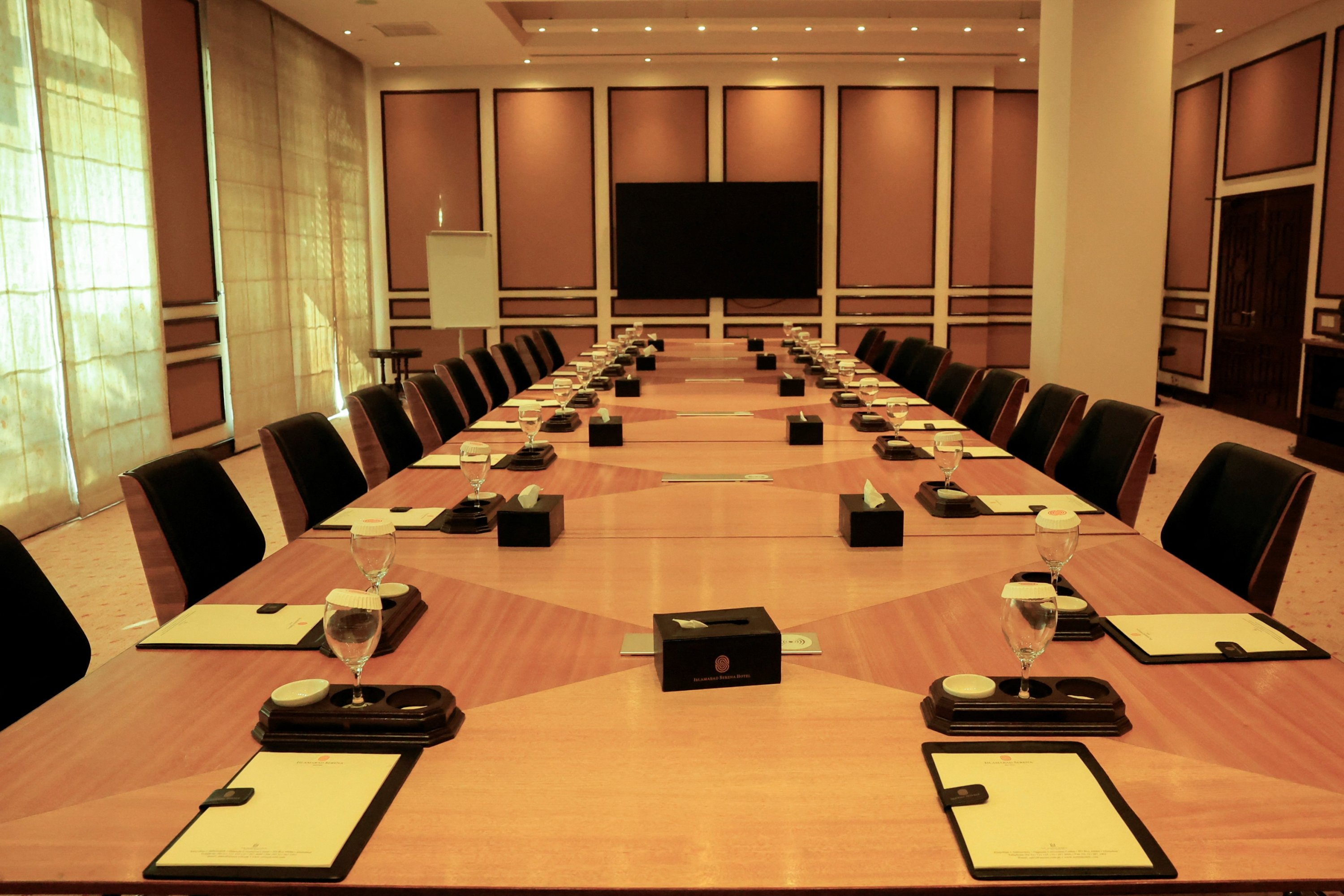
A portion of the Serena Hotel, where peace talks between U.S. and Iranian officials ended without an agreement to halt their war, Islamabad, Pakistan, April 13, 2026. (Reuters Photo)
by Muhittin Ataman Apr 15, 2026 12:05 am

U.S.–Iran talks in Islamabad collapse as both sides act like victors despite no clear winner, with irreconcilable peace plans

Iran and the United States have met in Islamabad to reach an agreement and to make the two-week cease-fire permanent. However, after two days, the negotiations ended with no concrete results. It was clear from the very beginning that this attempt was futile, since the perspectives of the two sides were almost mutually exclusive. There was considerable confusion and uncertainty regarding the Iranian and American proposals.

On the one hand, the U.S. proposed the Iranian side a 15-point framework to end the war and the hostilities. The American proposal included the Iranian commitment to never develop nuclear weapons and enrich uranium, to hand over the enriched uranium to International Atomic Energy Agency (IAEA), to allow the IAEA authorities to monitor its related infrastructure, to reopen the Strait of Hormuz, to stop supporting its regional proxies such as Hezbollah in Lebanon and Houthis in Yemen, and limit the range and number of missiles. The proposal was essentially a plan to completely subdue Iran.

However, the U.S. miscalculated the negotiation process, since they have treated Iran as if it had lost the war. As a result, the U.S. wanted to sign a surrender document with Iran. Therefore, although U.S. President Donald Trump was optimistic about the plan, it was definitively and immediately rejected by Iran, which described the American framework as “maximalist” and “illogical.”

On the other hand, Iran advanced its position in a 10-point plan. Iran’s counterproposal included an American commitment to non-aggression, compensation for damages suffered by Iran during the war, acceptance of Iran’s nuclear enrichment program and recognition of Iran’s control of the Strait of Hormuz. When the U.S. side received the proposal, Trump called the proposal a workable basis on which to negotiate.

However, later, American officials pointed out that the Iranian proposal was absurd and was thrown into the garbage. They also underlined that there is no one Iranian proposal but different versions. It is claimed that there were at least two different versions of the Iranian plan, one in English and the other in Persian. Iran has described its uranium enrichment program as a red line and a sovereign right and will not compromise on this issue.

Chance for solution?

It appears that the cease-fire agreement and the effort to achieve permanent peace will fail. The first reason is Israel’s aggressive policy. Acting as a shadow and approval authority over the U.S., Israel appears to have taken the U.S. political system hostage. Since there is no chance of Israeli aggression ending, it will continue to pressure the Trump administration to continue the war in the Middle East.

The second reason is distrust of the U.S. As of today, no country, friend or foe, trusts the U.S. The U.S. started the war during negotiations that were going well; however, it continued to act unilaterally and speak the only language it knows, the language of power. Even if the U.S. gave assurances that it would not attack Iran, who could believe it? In an era dominated by power politics, promises carry little weight.

Both sides prepared plans as if they had emerged victorious from the war. However, the realities on the ground show that neither the U.S. won nor Iran lost. Therefore, reaching an agreement on two such contrasting texts is quite difficult.

Another factor is the ignorance and arrogance of the U.S., which prevents it from conducting healthy negotiations. For the U.S., there is no negotiation table of equals; therefore, it wants to give instructions rather than negotiate.

On the other hand, the divisions and differences among the regional Arab states persist. While most Arab states want the war to end, some of them still continue to work and cooperate with Israel. A unified Arab front is still nowhere to be seen. Thus, Washington and Tel Aviv will continue to instrumentalize the Gulf states against Iran and to undermine their political and economic losses.

All in all, the two-week cease-fire is extremely fragile. The situation has worsened, particularly after the Trump administration imposed a military blockade of all maritime traffic entering and exiting Iranian ports in the Gulf. This is a new step escalating the war, likely to further provoke states dependent on Iranian oil.


About the author
Muhittin Ataman is a professor in the Department of International Relations at Social Sciences University of Ankara. He is also the Editor-in-Chief of Insight Turkey, published by SETA Foundation.
The views and opinions expressed in this article are solely those of the author. They do not necessarily reflect the editorial stance, values or position of Daily Sabah. The newspaper provides space for diverse perspectives as part of its commitment to open and informed public discussion.
  • shortlink copied
  • KEYWORDS
    us-iran war us-israel relations us-iran talks iran nuclear program us middle east policy
    The Daily Sabah Newsletter
    Keep up to date with what’s happening in Turkey, it’s region and the world.
    You can unsubscribe at any time. By signing up you are agreeing to our Terms of Use and Privacy Policy. This site is protected by reCAPTCHA and the Google Privacy Policy and Terms of Service apply.
    No Image
    Pandemic puts Galapagos tourism, science on pause
    PHOTOGALLERY
    • POLITICS
    • Diplomacy
    • Legislation
    • War On Terror
    • EU Affairs
    • News Analysis
    • TÜRKİYE
    • Istanbul
    • Education
    • Investigations
    • Minorities
    • Diaspora
    • World
    • Mid-East
    • Europe
    • Americas
    • Asia Pacific
    • Africa
    • Syrian Crisis
    • İslamophobia
    • Business
    • Automotive
    • Economy
    • Energy
    • Finance
    • Tourism
    • Tech
    • Defense
    • Transportation
    • News Analysis
    • Lifestyle
    • Health
    • Environment
    • Travel
    • Food
    • Fashion
    • Science
    • Religion
    • History
    • Feature
    • Expat Corner
    • Arts
    • Cinema
    • Music
    • Events
    • Portrait
    • Performing Arts
    • Reviews
    • Sports
    • Football
    • Basketball
    • Motorsports
    • Tennis
    • Opinion
    • Columns
    • Op-Ed
    • Reader's Corner
    • Editorial
    • Photo gallery
    • DS TV
    • Jobs
    • privacy
    • about us
    • contact us
    • RSS
    © Turkuvaz Haberleşme ve Yayıncılık 2021