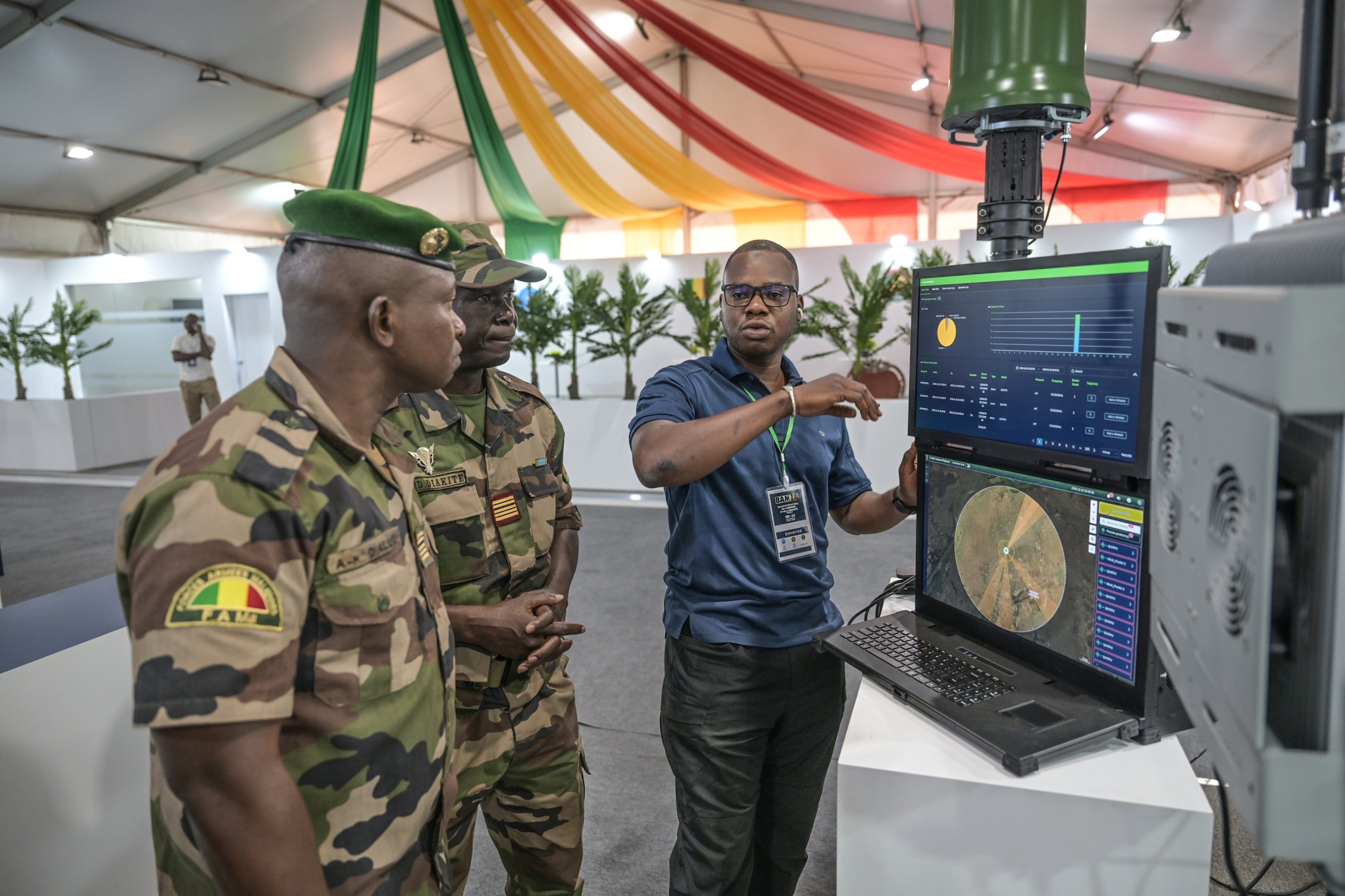
At BAMEX in Bamako on Nov. 10, Mali’s Foreign Minister Abdoulaye Diop was specific about what he wants from Türkiye. His country wants advanced defense equipment and the technical knowledge to maintain it.
In an interview during the exhibition, he pressed for technology transfer and invited Turkish companies to invest in energy, agriculture and health care. He also wanted Turkish Airlines to resume its Bamako flights.
The request came on the second day of a five-day event organized by Mali’s Defense Ministry and Turkish company The Peak Defense. More than 20 Turkish firms took part, with manufacturers from China, Russia and Germany among the international exhibitors.
Bamako has brought them together on its own terms. For Ankara, the follow-up begins with the requirements Diop has put on the table.
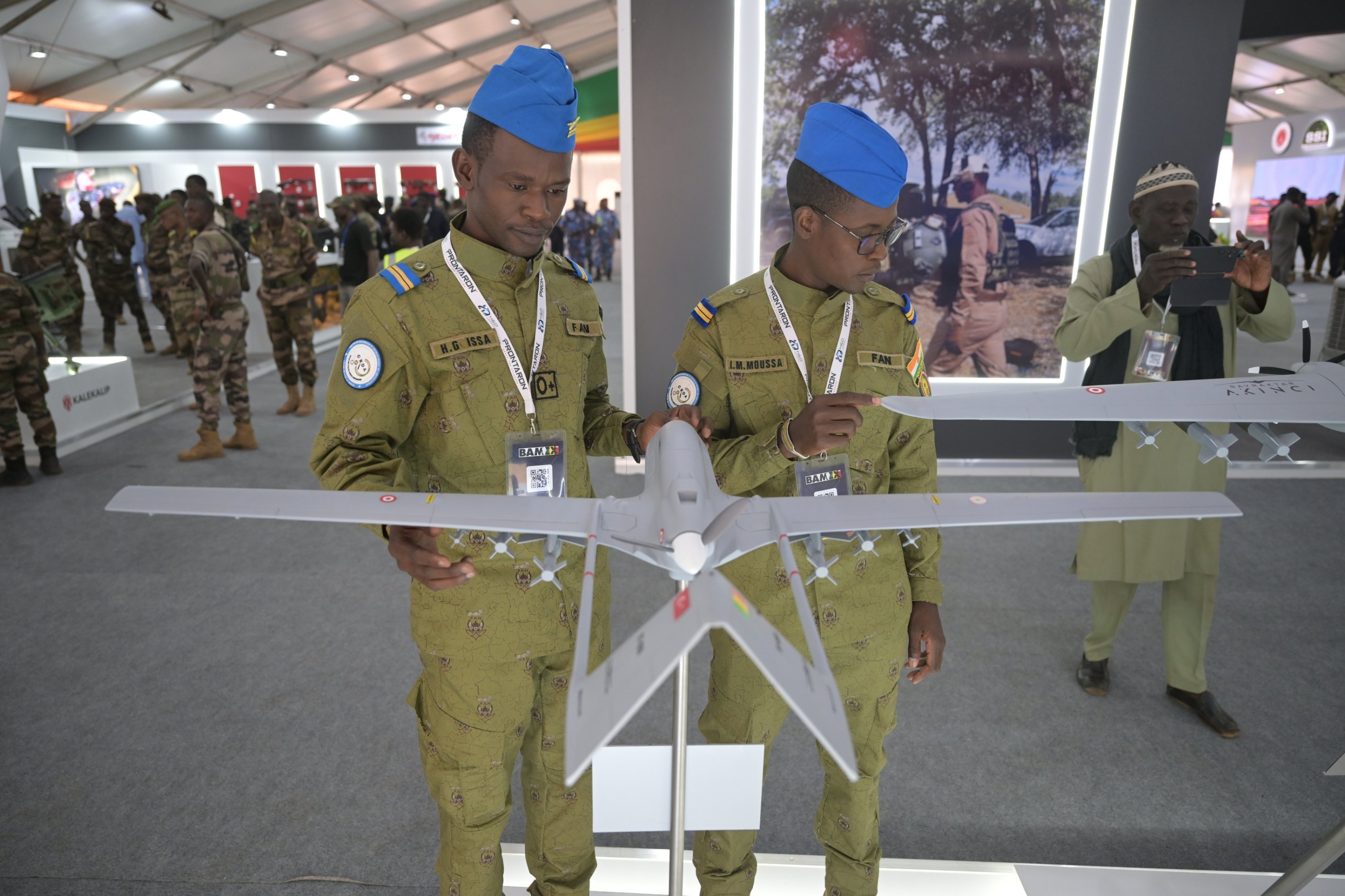
Mali’s relationship with Turkish defense technology predates this year’s fair. Its military already operates Bayraktar TB2 drones. At Sevare air base, the armed forces received Akıncı aircraft in January and another batch on July 30. The two deliveries reflect Bamako’s investment in aerial surveillance and strike capabilities. For a country whose forces must cover enormous distances, these aircraft have become an important part of military planning.
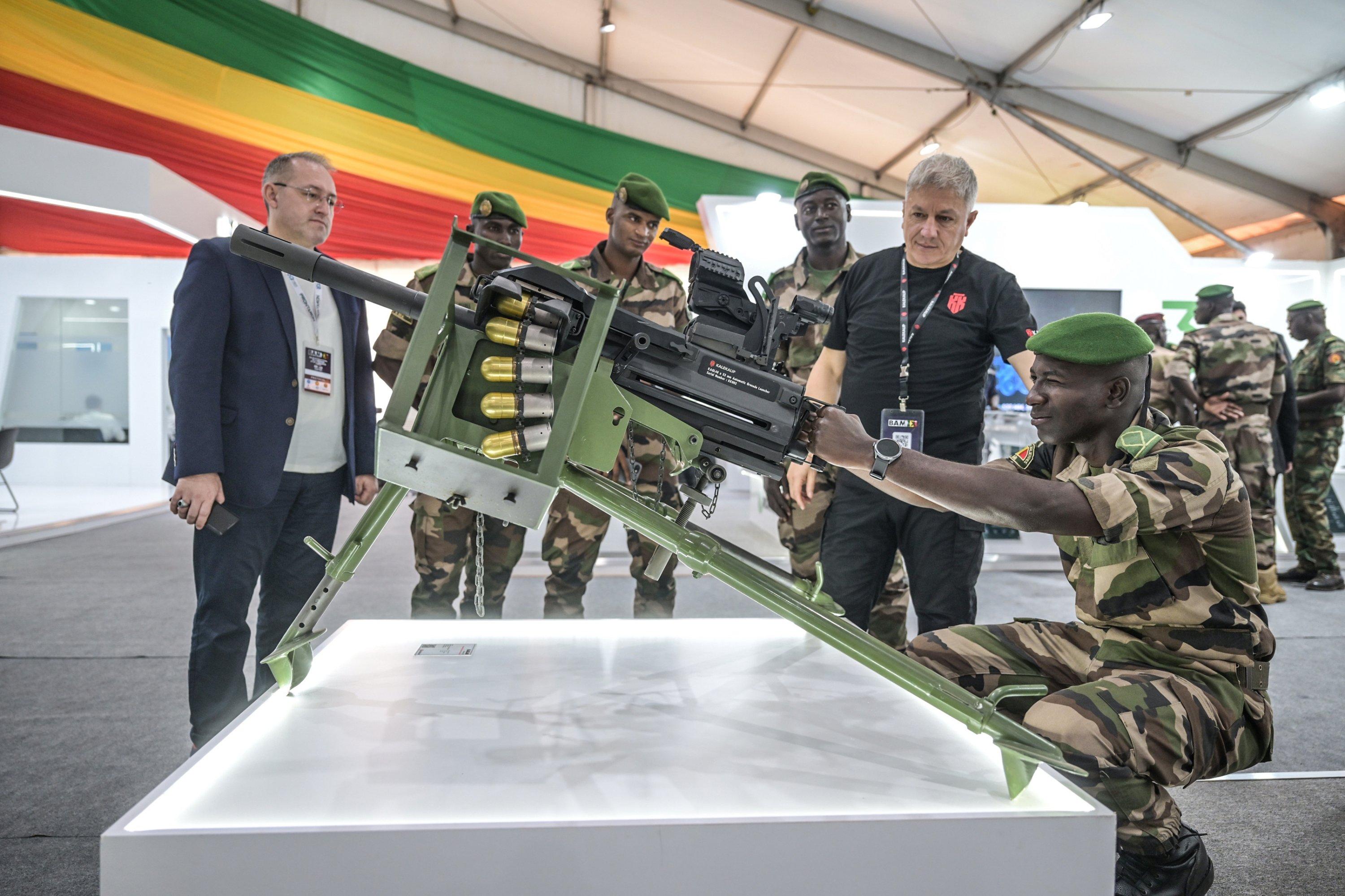
At BAMEX, Turkish exhibitors brought equipment for several types of operations. Baykar, Aselsan and Roketsan were joined by firms such as Skydagger, which brought its RTF 10, TOYCA 05 and Hunter systems to Bamako. Military delegations had the chance to compare aircraft with communications equipment and systems designed to counter drones. Mali’s requirements will decide which of these discussions go anywhere.
However, the need for maintenance does not end with the purchase. Aircraft need parts, routine servicing and technicians who can find a fault without sending the equipment abroad. For Bamako, even a small repair workshop could mean fewer days with an aircraft out of service. Diop’s demand for technology transfer points to that problem. It is still a demand, however, and any agreement on local maintenance will need its terms made public.
Prime Minister Abdoulaye Maïga also spoke at the opening about linking the military’s needs with research and training. Turkish companies could work with Malian institutions to provide training courses for technicians and practical instruction for engineers. Those courses could keep Mali’s existing fleet operational and give local personnel technical responsibilities that Bamako wants to develop.
Former Turkish naval commandos are already training Malian special forces personnel. Their work covers weapons handling, close combat and battlefield first aid.
The opening panel brought Deputy Defense Minister Bilal Durdalı together with representatives from Mali, Burkina Faso and Niger. They discussed intelligence and security threats that cross national borders. Their presence was significant because the three Sahel governments have already begun organizing military cooperation through the Alliance of Sahel States (AES). On Nov. 11, Durdalı also met President Assimi Goïta in Bamako. They discussed defense and security cooperation between the two countries.
In July, the three governments approved the legal status of an AES unified force. A legal decision gives commanders a basis to work from. It does not, by itself, allow units in different countries to exchange intelligence or use compatible communications. These practical difficulties are familiar to Türkiye, which has experience training foreign personnel and integrating equipment into established forces.
Niger provides a recent example. On April 7, Turkish and Nigerien defense ministers signed an on-site training protocol. During President Abdourahamane Tchiani’s visit to Ankara in June, the two governments signed four agreements, covering subjects from university cooperation to the operation of the Niger-Türkiye Friendship Hospital. The agreements concern Niger. They nevertheless offer Bamako a concrete example of how Ankara works with a Sahel partner outside arms procurement.
Burkina Faso and Niger have their own military needs and budgets. "There is no reason to expect the three governments to purchase the same equipment or discuss the same framework for training cooperation. Ankara could discuss those requirements with each capital while the AES works out how its force will function.
There was another unusual encounter in Bamako on Nov. 10. U.S. Africa Command chief Gen. Dagvin Anderson, visiting Mali for BAMEX, met transitional President Assimi Goïta. The talks concerned security in Mali and possible cooperation with Washington. No agreement emerged publicly from the meeting.
Mali has also maintained military ties with Russia while opening its defense exhibition to firms from several countries. That is a deliberate choice by Bamako, whose authorities want to judge offers against their own needs.
It also says something about Türkiye’s place in the region. A Turkish company helped to organize a fair where Mali can speak to other powers. Ankara’s relationship with Bamako does not depend on shutting other conversations down.
After two days of disrupted fuel deliveries, a convoy of tankers arrived in Kayes under military escort on Nov. 3. Regional officials later reported a 51.32% rise in petrol stocks and a 29.59% increase in diesel stocks. These figures help explain why keeping transport routes open matters to people far from the fighting. Drones can help monitor the roads and identify possible threats. Getting tankers safely to their destination, however, still depends on soldiers on the ground and local authorities managing the deliveries.
The trade figures tell a related story. Customs figures reported by Türkiye put merchandise trade with Mali at about $194 million in 2025, most of it Turkish exports. Diop’s call for investment in Malian industry is therefore timely. Training local workers or establishing service facilities would give Mali an economic stake in cooperation that has so far been driven heavily by equipment purchases. Flights to Bamako would help commercial visits, which explains Diop’s interest in restoring Turkish Airlines service.
The field demonstrations took place on Nov. 12-13 at Tanabougou in Koulikoro, where manufacturers put their equipment through live tests in front of visiting delegations. After that, the useful questions will concern contracts and the work done under them: How many Malian technicians are trained, which repairs can be completed in Mali and whether the equipment remains available when it is needed.
Türkiye has earned a place in Mali’s defense plans through systems already delivered and relationships built over several years. Bamako has now explained what it expects next. If the two sides can turn those requests into training programs and technical capacity on Malian soil, the results of BAMEX will still be visible long after the exhibition closes.