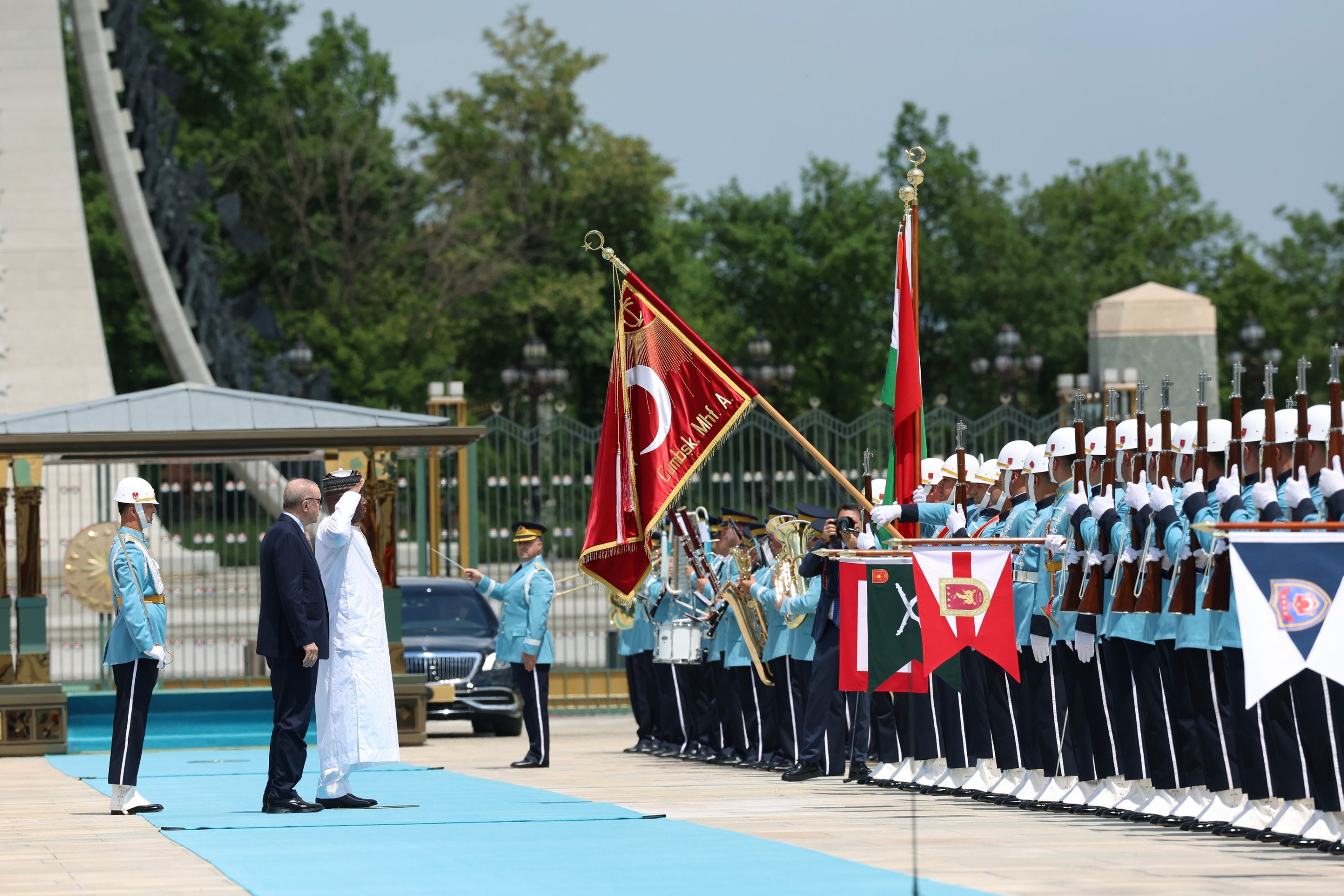
Nigerien President Abdourahamane Tiani arrived in Ankara on June 3, 2026, and was welcomed the next day at the Presidential Complex. The welcoming ceremony, featuring a cavalry unit, a 21-gun salute and flags representing 16 Turkic states, signaled more than just a routine protocol event. Tiani’s choice of Türkiye for his first official visit outside Africa points to Niamey’s new foreign policy orientation.
The Ankara meetings went beyond ceremony. President Recep Tayyip Erdoğan framed the relationship through “equal partnership, mutual respect and win-win principles,” a phrasing that resonates in the Sahel, where the tone of external engagement has become almost as important as the content of cooperation. Following discussions with Erdoğan, four agreements were signed in the fields of higher education, the joint economic and commercial committee, the Niger-Türkiye Friendship Hospital, and diplomatic training. Defense industry, security, trade, investment, energy, mining, agriculture, education and health also shaped the agenda.
At first glance, the visit may look like another bilateral meeting. Yet the Sahel’s political climate, Niger’s geopolitical position and Türkiye’s growing African presence give it a wider meaning. The Ankara-Niamey axis now signals a new language of partnership in the Sahel.
Over the past decade, the Mali-Burkina Faso-Niger cooperation has become one of global politics’ most demanding zones. Border security, counterterrorism, economic fragility, external pressure and governance capacity are being tested together. Regional capitals are now reassessing the results of older approaches.
Niger’s turn toward Ankara goes beyond diplomatic diversification. Niamey cares about the tone of the approach as much as the offer itself. For years, many Sahel capitals relied on single-centered partnerships; that model is now giving way to a more selective and sovereignty-oriented approach.
The withdrawal of France’s military presence from the region, the U.S. departure from its bases in Niger, and the withdrawal of Mali, Burkina Faso and Niger from the regional bloc Economic Community of West African States (ECOWAS) all indicate that the Sahel is seeking its own path. This search sometimes appears harsh and at other times risky, yet it cannot be interpreted as an unplanned drift. Regional capitals, Niamey foremost among them, are acting through their own calculations. For Niamey, diversification widens sovereign room for maneuver and turns external engagement into a field of choice, agency and balance.
Türkiye enters this new Sahel equation from a different position. Ankara carries no colonial legacy in the region. Its relationship with Niger combines various fields. For countries like Niger, partnership now means more than political support. It means working together, strengthening institutions and touching people’s daily lives.
Defense relations between Türkiye and Niger had begun before this visit. In 2022, Niger opted for a defense package including Bayraktar TB2 drones, Hürkuş light attack aircraft and armored vehicles. This step arose from the need to monitor the field in the Sahel, track border lines and build a more flexible capacity to counter mobile groups.
The defense relationship between Ankara and Niamey has also gained institutional foundations through the Military Financial Cooperation Agreement, signed in July 2025, and the on-site training support protocol, signed in April 2026. During the Ankara talks, Erdoğan also said Türkiye was ready to share its counterterrorism experience and that contacts between the Nigerien delegation and Turkish defense companies were expected to produce positive results.
Tiani’s visit to the drone facility in Türkiye should therefore not be viewed as a mere factory tour. A leader’s visit to the production site of the systems they use also reflects the level of trust in the relationship. Such visits move beyond a buyer-seller dynamic to emphasize a shared partnership.
What sets Ankara apart here is that its role is not limited to just delivering equipment. Military training, maintenance, logistical support and personnel capacity also form part of the ongoing process. Many countries in the Sahel that acquire security equipment face their true test in sustainably utilizing it.
The model Türkiye offers here appears more practical. Instead of the profile of a seller who simply sends drones and ends the relationship, the profile of a partner who follows up on the process through training and institutional engagement is taking center stage. In today’s Sahel, security partnerships are judged less by who delivers the first drone and more by who is still there when the maintenance bill arrives.
The most notable aspect of the agreements in Ankara is the inclusion of civilian sectors alongside the defense agenda. The higher education protocol, the joint operation and transfer of the Niger-Türkiye Friendship Hospital, and the memorandum of understanding between the Turkish Academy of Diplomacy and Niger’s diplomatic and strategic research institution add new layers to the relationship.
In practice, this translates into more scholarships, joint degree programs and Turkish support for staffing, equipment and management at key health and diplomatic institutions in Niamey. These layers, which operate more quietly than arms purchases, can yield far more lasting results. Türkiye has been applying this logic across Africa for years. Niger is now an organic partner in this policy.
The numbers behind this quiet track are also worth noting: Maarif schools educate more than 1,700 students in Niger, while nearly 500 Nigerien students, including around 300 scholarship recipients, are pursuing higher education in Türkiye.
Education also creates a similar impact. Nigerien students studying in Türkiye, young professionals undergoing diplomatic training, and bureaucrats participating in joint programs are fostering a shared language and perspective between the two countries in the long term.
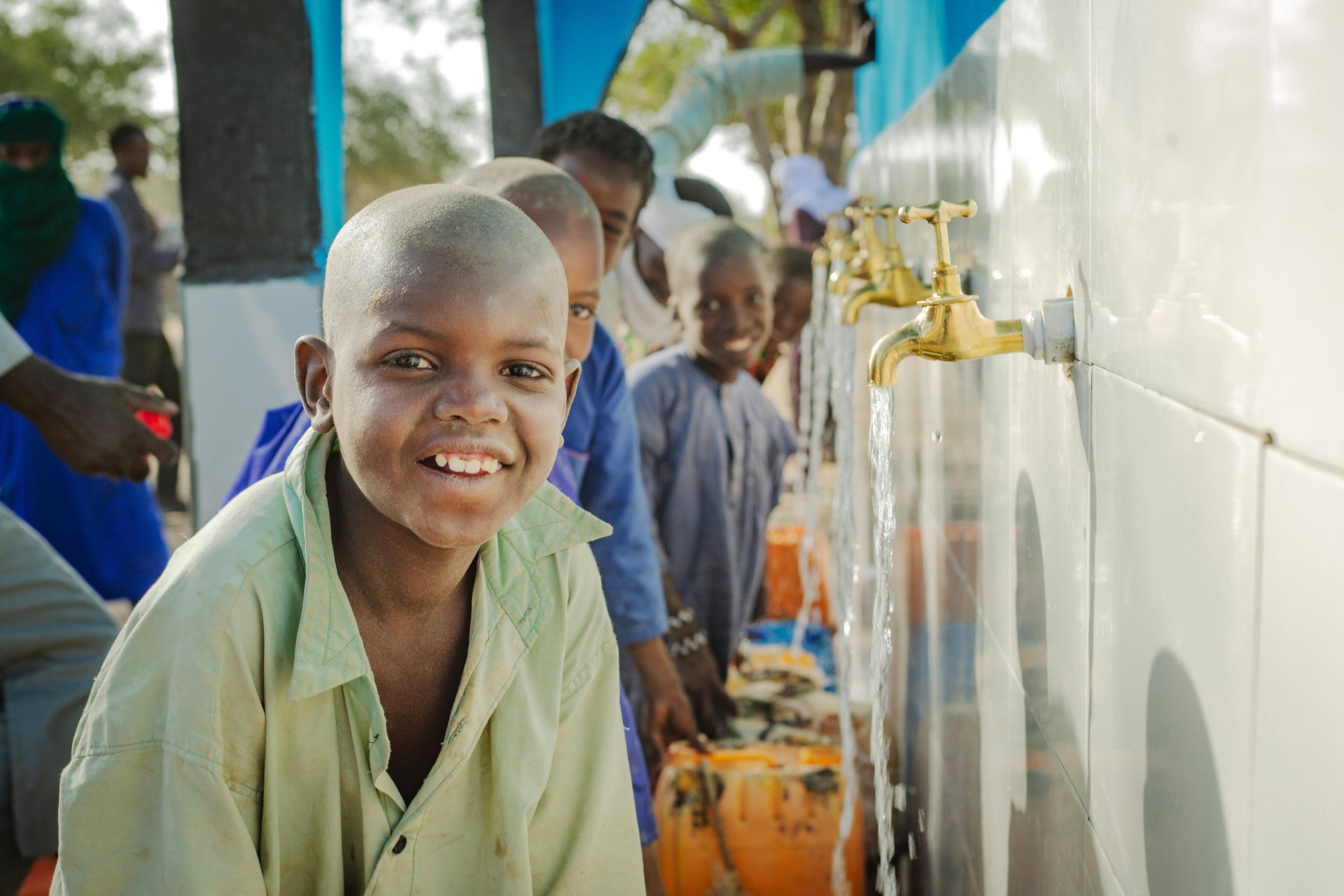
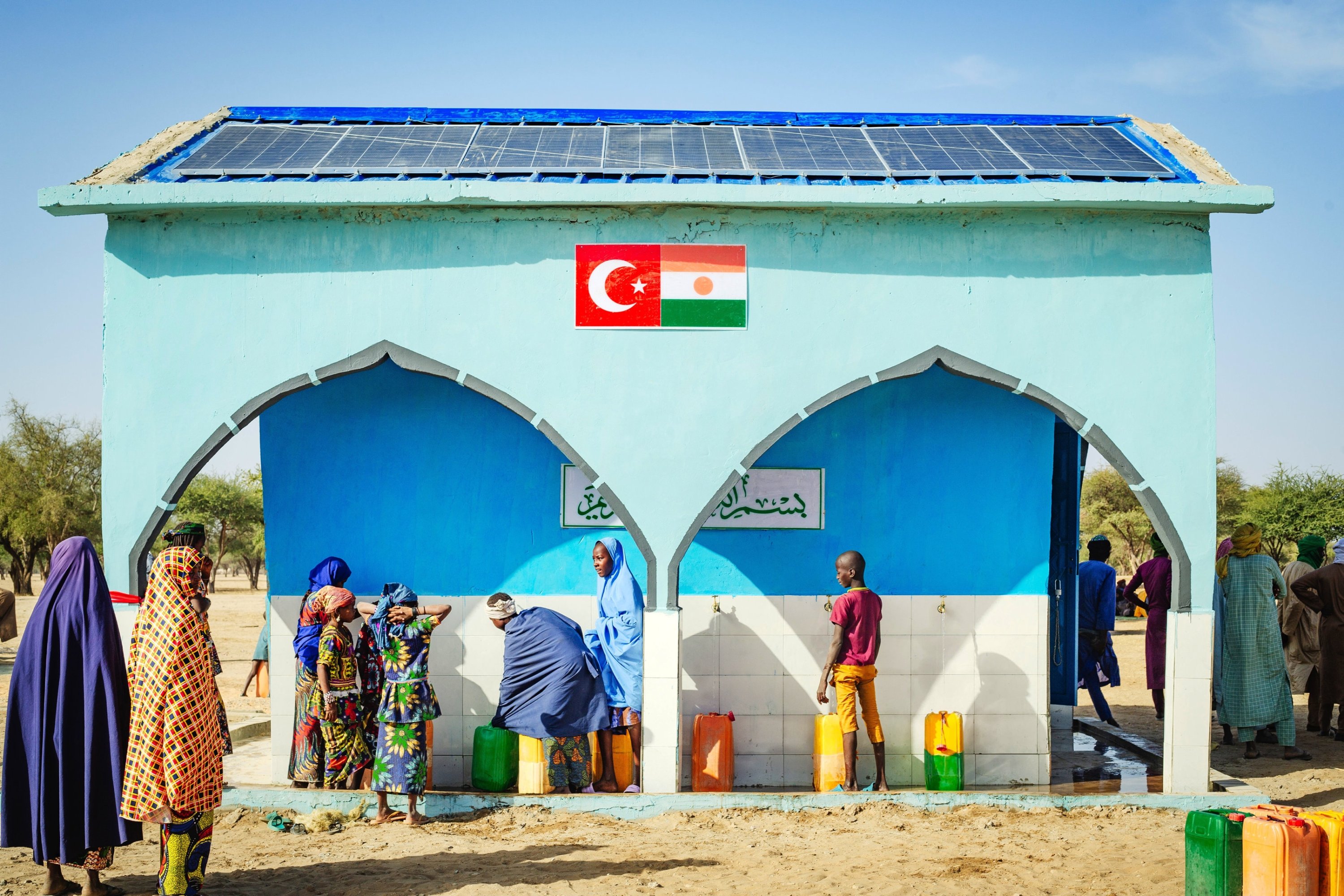
Viewing the Ankara-Niamey axis solely through the lens of drones is therefore incomplete. Türkiye’s 44 embassies in Africa, Maarif schools, Turkish Cooperation and Coordination Agency (TIKA) projects, health investments and trade commissions point to a broader diplomatic foundation. TIKA projects in irrigation, agriculture, livestock and infrastructure development give the relationship a social and economic depth that defense cooperation alone cannot create.
The Joint Economic and Trade Commission (JETCO) mechanism also rests on this foundation. Niger needs trade, agriculture, energy and mining just as much as it needs security. Achieving lasting security in the Sahel without creating an economic breathing space is virtually impossible. Therefore, Ankara’s decision to structure this relationship as a multifaceted initiative is not a hollow choice. Under the new JETCO format, sectors such as renewable energy, construction, agricultural machinery and mining services are likely to become the first testing grounds for turning diplomatic language into concrete investment projects.
Niger is clearly avoiding a one-directional foreign policy. Russia is opening a channel in the security sector with trainers and equipment, and China in the economic and mining sectors with infrastructure projects, while Türkiye is carving out a distinct path in defense, education, health and institutional capacity. Niamey is using this diversity as a form of insurance that directly expands its maneuvering space.
Ankara does not need to act with the claim of pulling Niger into its own orbit, and such an approach would find no resonance in the region anyway. What is more valuable is to position itself as a reliable, patient and results-oriented partner on the ground.
The old France-centric narrative often interpreted the Sahel through the lens of influence loss or power vacuums. Paris may still read the region through the vocabulary of influence lost, but Niamey is increasingly reading it through the vocabulary of capacity gained. From Niamey’s perspective, the demand is clear: respect, stronger security capacity, better health services, wider educational opportunities and open trade channels.
Ankara’s ability to turn this opportunity into a lasting position will depend on steady follow-up in the field. Small but consistent steps will be far more decisive than grand statements.
Tiani’s visit to Ankara marks Türkiye’s move from visibility in the Sahel toward structural presence. If Ankara deepens this relationship with patience and Niamey sees tangible results on the ground, the connection between the two capitals can grow into a durable strategic partnership. A decade from now, the story of the Sahel’s new power language may well begin with a visit from Niamey to Ankara.