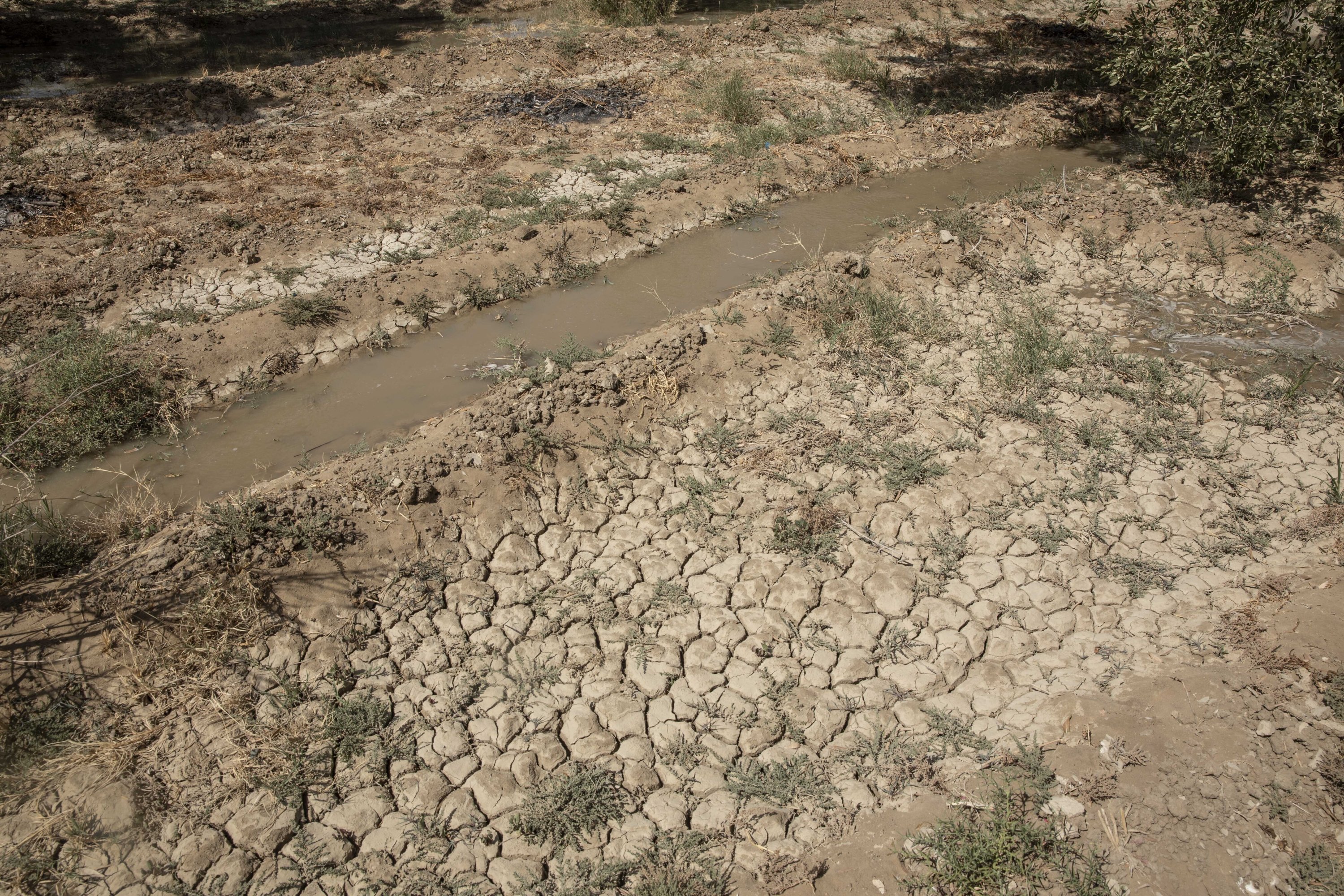
The Middle East is one of the most vulnerable regions in the world to the disastrous consequences of climate change. Approximately 22 countries and 400 million people are at risk of suffering the disastrous consequences of climate change in the Middle East region. With only 5 centimeters (1.97 inches) of rainfall per year and temperatures that can reach up to 52 degrees Celsius (125 degrees Fahrenheit), this region is mostly dry and hot.
However, in the northern regions, snow and lower temperatures are common. Due to the sensitivity of the weather in this region, it is considered to be the most vulnerable in the world, and climate change has already had a severe impact, causing heavy rainfall, droughts, forest fires and extreme hot and cold weather.
The Intergovernmental Panel on Climate Change (IPCC) warned in a 2014 report that temperature increases pose a threat to human security in the region.
The temperature is rising twice as fast as the rest of the world, and by 2050, sea levels will rise, leading to a temperature increase of 4 degrees Celsius in the region. The World Bank estimates that harsh summer weather will become a normal routine, and the region could face four months of severe hot summers. Recent research by the Planck Institute in Germany suggests that the Middle East will become uninhabitable by the end of the century.
The rate of greenhouse gas emissions in the region has increased by a factor of three. As per reports, 10 out of the 22 countries in the Middle East are severely affected by climate change. Some of the countries include Afghanistan, Bangladesh, Chad, Haiti, Kenya, Malawi, Niger, Pakistan, Somalia and Sudan.
In 2021, around 3 million people in Africa left their homes due to water and food shortages. Heavy floods in Pakistan affected 33 million people this year, and 78,000 people in Afghanistan. Thousands in Bangladesh were affected by floods and coastal erosion, causing devastating disasters in low-lying coastal areas. In Iraq and Syria, 12 million people are facing shortages of food, water and electricity due to low rainfall.
Even the wealthiest countries in the Gulf region are facing life-threatening problems. Two people died in Saudi Arabia due to heavy rain and floods, and Dubai is facing freshwater problems due to the population increase. Unpredictable rainfall last year caused road blockages in Dubai.
The threat of food and water scarcity is directly related to climate change. If we don't find a solution to these disastrous changes, we will not have proper fresh food. The COVID-19 pandemic has already shown us that the world is not ready and prepared to face such crises. The Russia-Ukraine war led to a shortage of wheat in the Middle East, and now climate change has destroyed crops and animals. Thousands of animals are killed due to forest fires, and trees get burned, producing oxygen deficiency and toxic gases like carbon monoxide, which are harmful to health.
According to the World Resources Institute, the Middle East is a "water-stressed region," and the World Bank estimates that climate-related water scarcity will cost Middle Eastern nations between 6% to 14% of their gross domestic product (GDP) by 2050 due to water-related impacts on agriculture, health and income. Around 70% of the world's water resources are used by agriculture.
Unfortunately, the people or regions that contributed very little to the climate crisis are the most affected by it. Diarrhea, malaria, malnutrition, skin cancer due to harsh ultraviolet lights, and an increase in seasonal diseases are prevalent. According to a survey, around 12% of people (930 million) spend 10% of their income on health.
Animals are also dying due to forest fires, lack of water, and harsh weather that causes melting of glaciers, heat waves and heavy storms. Many animals have gone extinct due to these weather conditions, and aquatic life is also under threat due to temperature and sea level rise.
In these challenging times, it is crucial for the world to come together and address the threat of climate change and help under-developing countries. We must work collaboratively to mitigate the adverse effects of climate change and protect our planet for future generations.
As Bradley Schneider, an American businessperson and politician serving as the U.S. representative for Illinois's 10th Congressional District since 2017, once said, “Climate change is an economic, public, health and environmental issue that we have a moral responsibility to address.”
Hence, it is essential to support underdeveloped countries in combating the consequences of climate change and finding sustainable solutions.