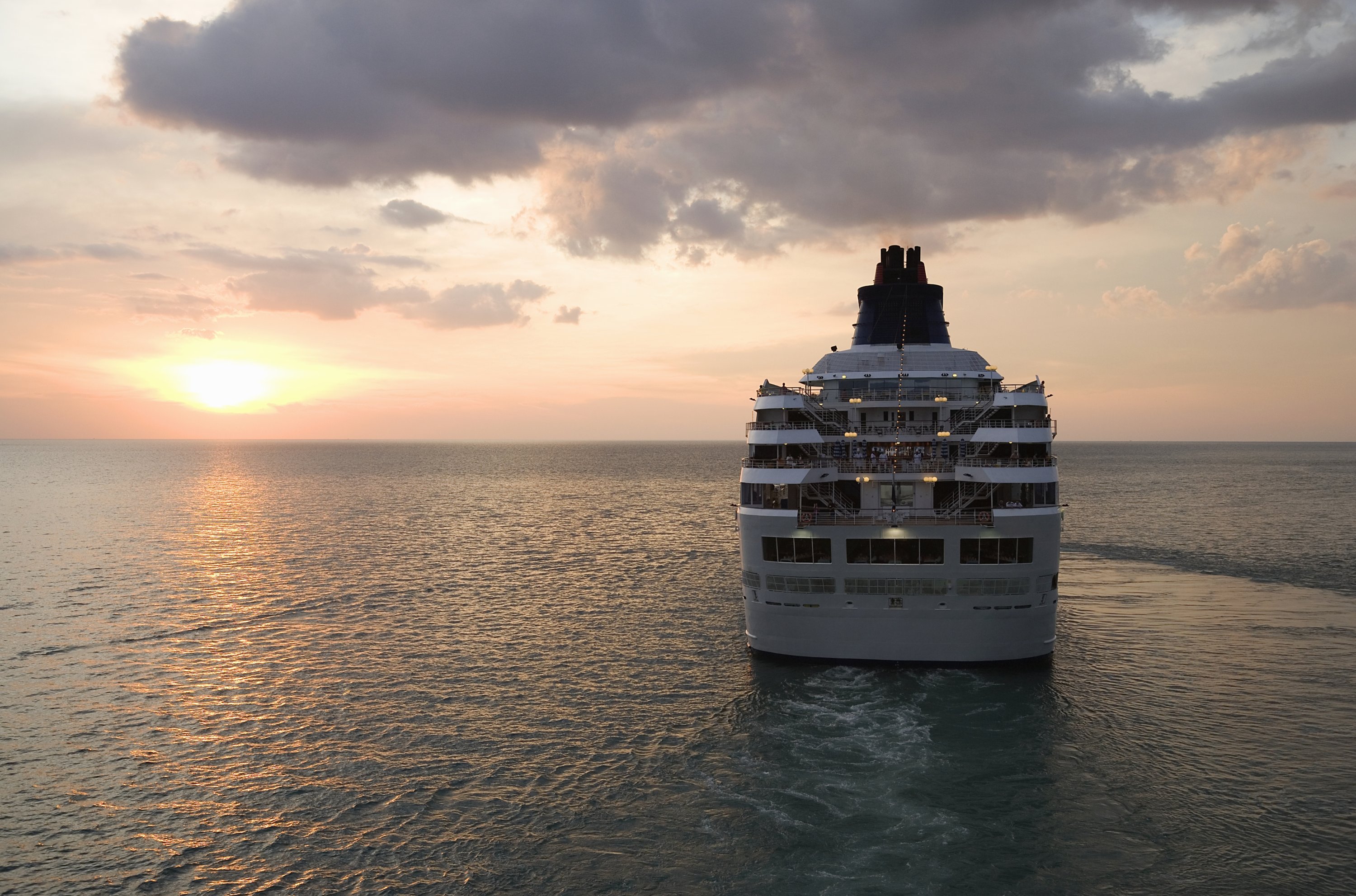
For many observers, cruise tourism remains synonymous with pollution, overcrowding and superficial travel. These assumptions are widespread, rarely questioned and often disconnected from the current reality of the sector. Today, the global cruise industry carries around 30 million passengers a year and provides employment for more than 1 million people worldwide. Like all forms of mass tourism, it has an environmental footprint, but the debate often overlooks how that footprint compares with land-based alternatives.
Having worked for many years within the environmental movement, I am well aware of these criticisms. I once shared them myself. Yet over time, after observing the industry more closely, I reached a different conclusion: modern cruise ships can, in many circumstances, be part of the solution rather than the problem.
In the Mediterranean, the greatest environmental threat is not floating tourism but permanent construction. Hotels, resorts and second homes continue to consume fragile coastal land at an alarming rate. More than 70% of the Mediterranean coastline is already heavily built up with concrete. Once land is urbanized, ecosystems never recover. Cruise ships, in contrast, can host thousands of visitors without leaving permanent structures behind. They come and go, while coastlines remain largely intact.
Concerns about emissions, wastewater and waste management are legitimate and should not be dismissed. However, they must be assessed in relation to land-based pollution. Around 80% of wastewater entering the Mediterranean from coastal sources is still untreated. Cities and industries discharge millions of tons of solid and liquid waste into the sea every year. Against this background, cruise ships represent only one part of a much broader environmental challenge.
Moreover, the sector is undergoing technological change. Many modern ships operate with closed-loop waste systems and advanced wastewater treatment. Alternative fuels such as liquefied natural gas (LNG) are increasingly common, and research into hydrogen, methanol and shore-power electrification is ongoing. Ships produce freshwater through desalination and invest in technologies to reduce underwater noise, which can affect marine life. Regulations are also tightening, particularly in sensitive regions such as the Mediterranean and Northern Europe.
Having said this, I should also share my direct experience as a passenger on a large cruise ship.
Since this industry began to expand, I had always refused to take part in this kind of travel. The reason was an obvious and unbearable paradox: you spend all your time at sea, yet you cannot truly experience or swim in it. After many years of stubborn resistance, I eventually gave in. My daughter was determined to go on a cruise, and my love for her did the rest.
I will probably carry the memories of that trip with me forever, almost like a nightmare. Sharing even a gigantic ship with more than 7,000 people was overwhelming, despite the excellent organization on board. You wake up in the morning and line up for breakfast. You reach port and line up to disembark. Once ashore, you wait for transportation into the city. You return to the ship, constantly watching the clock to avoid being left behind, and line up again to board. Then dinner comes, and with it yet another line. For a rebellious, self-regulated boomer like me, it was simply too much stress.
On the other hand – perhaps surprisingly, though not entirely – my 13-year-old daughter was in heaven. She immersed herself in every attraction on board, from digital games to pools, water parks and entertainment. She made friends quickly and did not mind the lines at all. She did not dive into the sea, though (sigh!).
Cruises have another undeniable advantage: going to sleep at night and waking up each morning in a different city. In the Mediterranean – the cradle of civilization – this offers travelers a unique opportunity to explore multiple historic towns and cultural sites with remarkable ease.
Also, looking at this whole cruise with the eyes of an ecologist, I must say that the impact of these ships on the environment is noticeably reduced. All solid waste is collected separately and disposed of accordingly for recycling in every harbor. Liquid waste is handled in the same way. Water is produced through desalination plants, and energy is largely produced through solar energy. But again, in my opinion, the major reduction of impact is the thousands and thousands of tons of concrete that would have been embedded in the coastal areas to host, in our case, 7,000 tourists consuming local natural resources.
Having said that, for a nature lover like me, it may be too late to fully embrace this way of traveling. Yet with a global population exceeding 8.5 billion, tourism must adapt. The question is no longer whether people will travel, but how they will do so. In this context, cruise tourism can represent a concentrated, controlled and increasingly regulated model.
With all due respect to purists, myself included, protecting the Mediterranean may ultimately require fewer hotels along the coast and more innovation at sea.