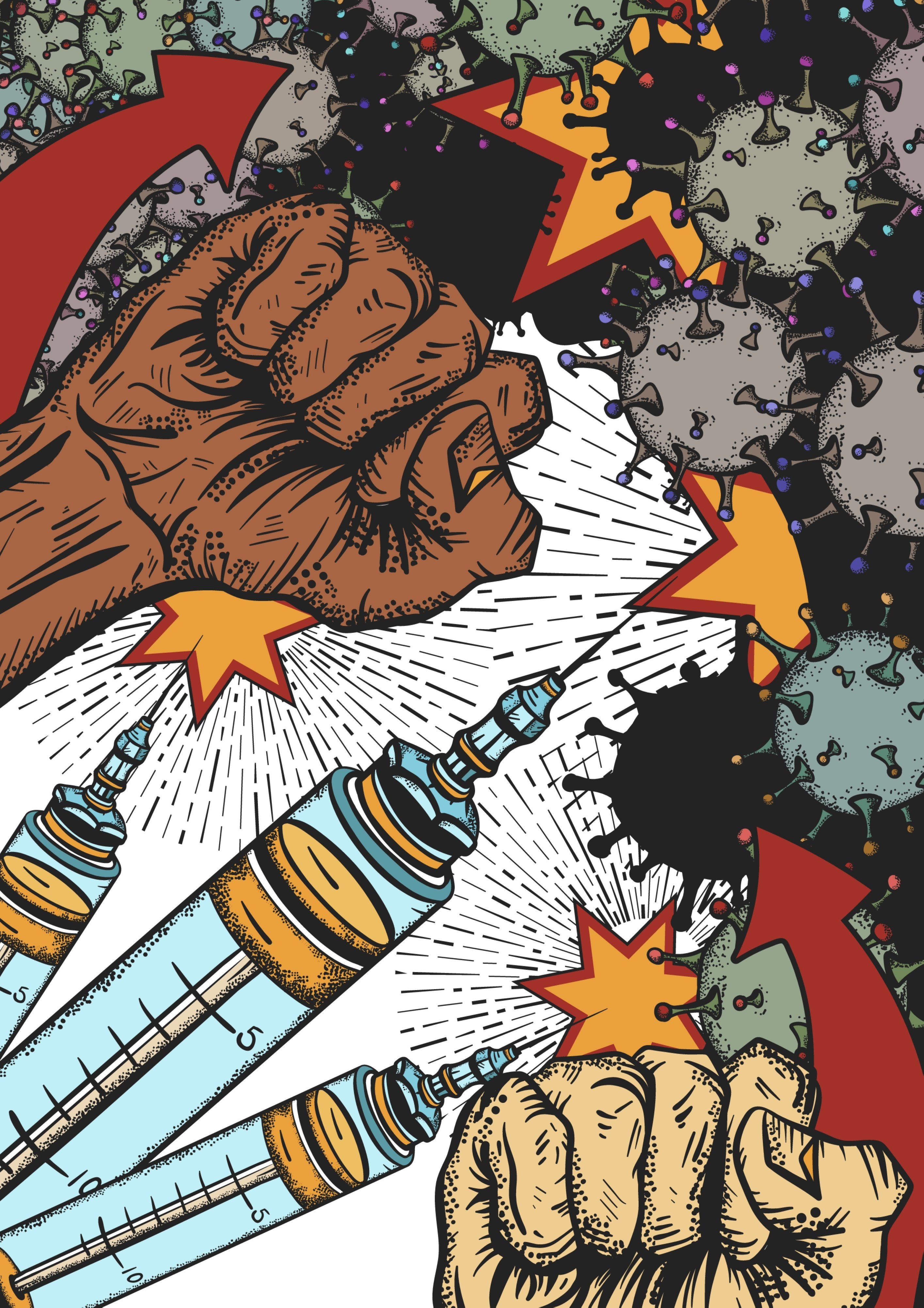
It is not new to compare what is happening in the international system today with the interwar years between World War I and World War II. For several years now, the events we have been experiencing look strikingly similar to those that took place between 1918 and 1939. In those years, following a deadly pandemic known as the Spanish flu, which killed tens of millions of people, the international system faced multiple economic and political crises over the next two decades. One of the most devastating was the Great Depression, which impoverished hundreds of millions of people. The aftershocks of this economic collapse led to multiple political and sociological crises worldwide.
The simultaneous rise of communism and fascism in different parts of Europe was only one of these crises. When these ideologies became intertwined with state power, they led to massacres and crimes against humanity across the globe. The rise of radical ideologies tested democratic systems in the Western world. Fascist parties emerged that would go on to cause major humanitarian tragedies, while communist parties began experimenting with totalitarian policies that produced inhumane conditions for hundreds of millions.
The combined effect of these developments was increasing tension among major powers, accompanied by escalating militarization, which ultimately led to a world war that caused the deaths of tens of millions, the destruction of cities and countries, genocide and other humanitarian catastrophes.
Almost a century later, following the passing of the generation that witnessed these crimes, the world is experiencing a similar phase in international relations. The 2008 financial crisis, which triggered a global recession, became the worst economic downturn since the Great Depression. Millions lost their jobs and homes. The political and social aftershocks of this crisis fueled the rise of far-right parties, xenophobia and Islamophobia in various countries. These parties began to mainstream discriminatory policies and rhetoric.
The worst pandemic since the Spanish flu, COVID-19, struck the world in 2020, claiming millions of lives and devastating national economies. Global actors have failed to cooperate in fighting against this deadly pandemic. Instead of a coordinated international effort, we saw states closing their borders and adopting protectionist policies for medical products. This demonstrated that globalization was not an irreversible force. Most countries suddenly returned to their “factory settings.”
As in the interwar years, we began witnessing severe humanitarian tragedies in many regions. The existing international system proved unable to resolve these crises. The norms and institutions formed after World War II to prevent or resolve similar crises have proven ineffective. The “never again” principle, created to stop genocide and crimes against humanity, has been violated in plain sight of the international community. Institutions designed to resolve disputes before they escalate into war, such as the United Nations Security Council, have failed to achieve these objectives. The worst refugee crises have unfolded in various conflicts around the world and there has been no coordinated international effort to address the plight of refugees beyond the individual actions of countries such as Türkiye.
Most importantly, public trust in international institutions, norms and principles is at an all-time low. The architects of the postwar system have, in some cases, become the very actors undermining it. Now, more than ever, international public opinion is searching for a global effort to resolve these crises through the reform of international institutions.
It is no coincidence that many argue the “peace dividend” is over and that we are entering a new interwar period. It is no coincidence that we increasingly see conventional warfare and rising risks of escalation among nation-states, from Ukraine and Russia to India and Pakistan to Iran and Israel. It is no coincidence that an arms race is underway, with countries spending increasing portions of their budgets on defense.
More significantly, there are now other actors contributing to this already dangerous international situation. Some technology companies around the world have begun to undermine democratic principles by engaging in predatory economic practices and unethical behavior. The risk that these actors could play a more destructive role in international affairs is now being discussed more openly.
The question is whether we will witness a replay of the same scenario or whether cooler heads will recognize the gravity of the situation and avert a crash in the international system. And if this crash is to be stopped, who will do it and how?
Amid wars, crimes against humanity, the rise of fascism and far-right politics, and the failure of international institutions, the world waits for a brave coalition of people and nations to lead us out of this tunnel without catastrophe. We do not yet know who they will be, but we know who they will not be: the major powers currently preparing for a new era of superpower rivalry.