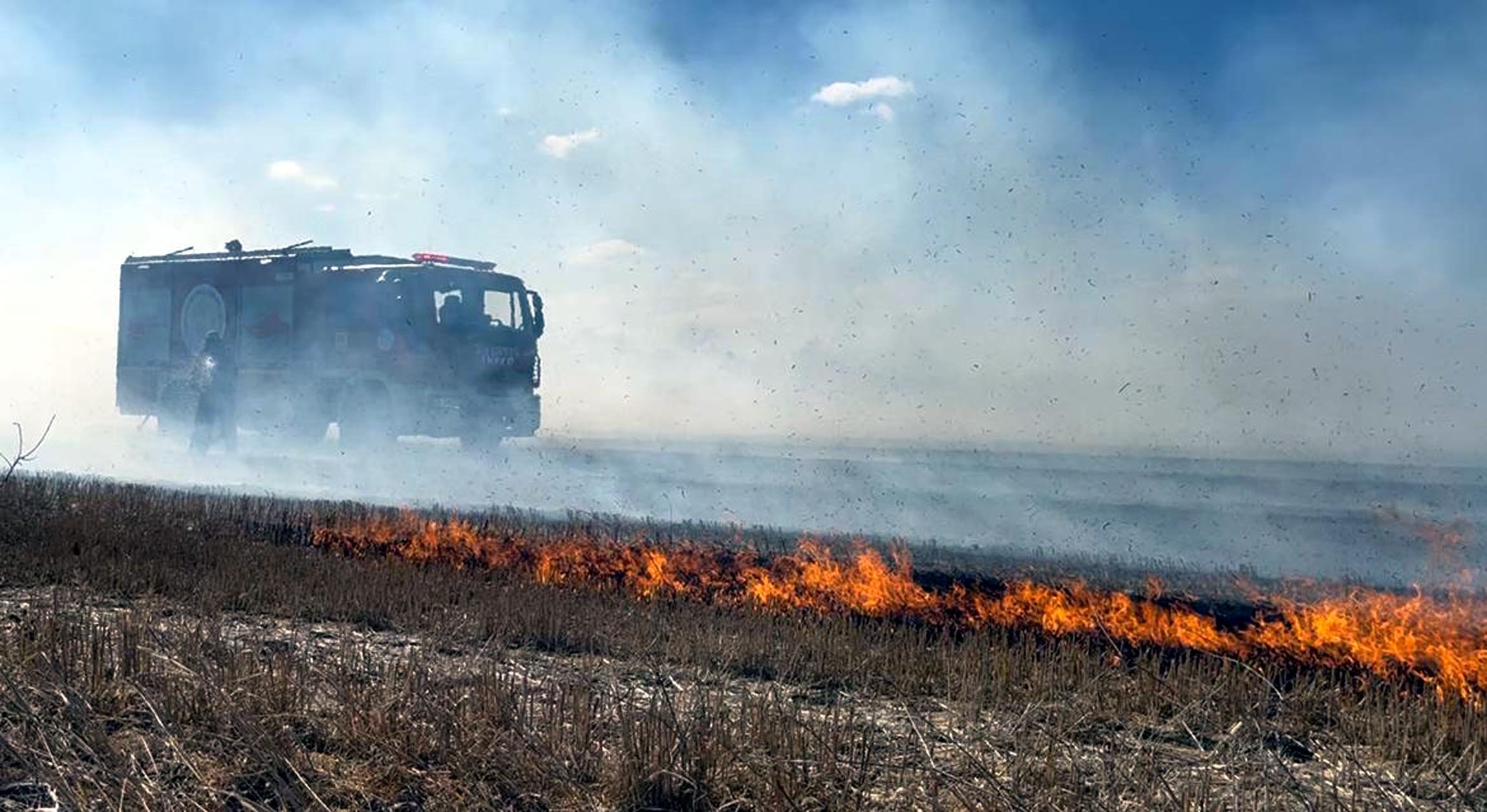
The summer of 2025 has passed, but the smell of smoke still lingers in the forested villages of rural Türkiye. Wildfires that broke out in the mountainous regions of Manisa, Balıkesir, Aydın, Bursa, Çanakkale and Mersin turned not only trees but also memories into ashes. In some villages, roads were closed for days; in others, residents had to be evacuated. On social media, one sentence echoed again and again: “Again, there was no water.” Yet today, wildfires are often not the result of nature, but of neglect.
Early warning systems are insufficient, rural infrastructure is weak, and there is almost no fire response planning. Helicopters spend hours searching for water sources and even when villagers find hoses, they often lack enough pressure. Everyone is waiting for a solution. But sometimes, the solution lies in a long-proven structure: the water tower.
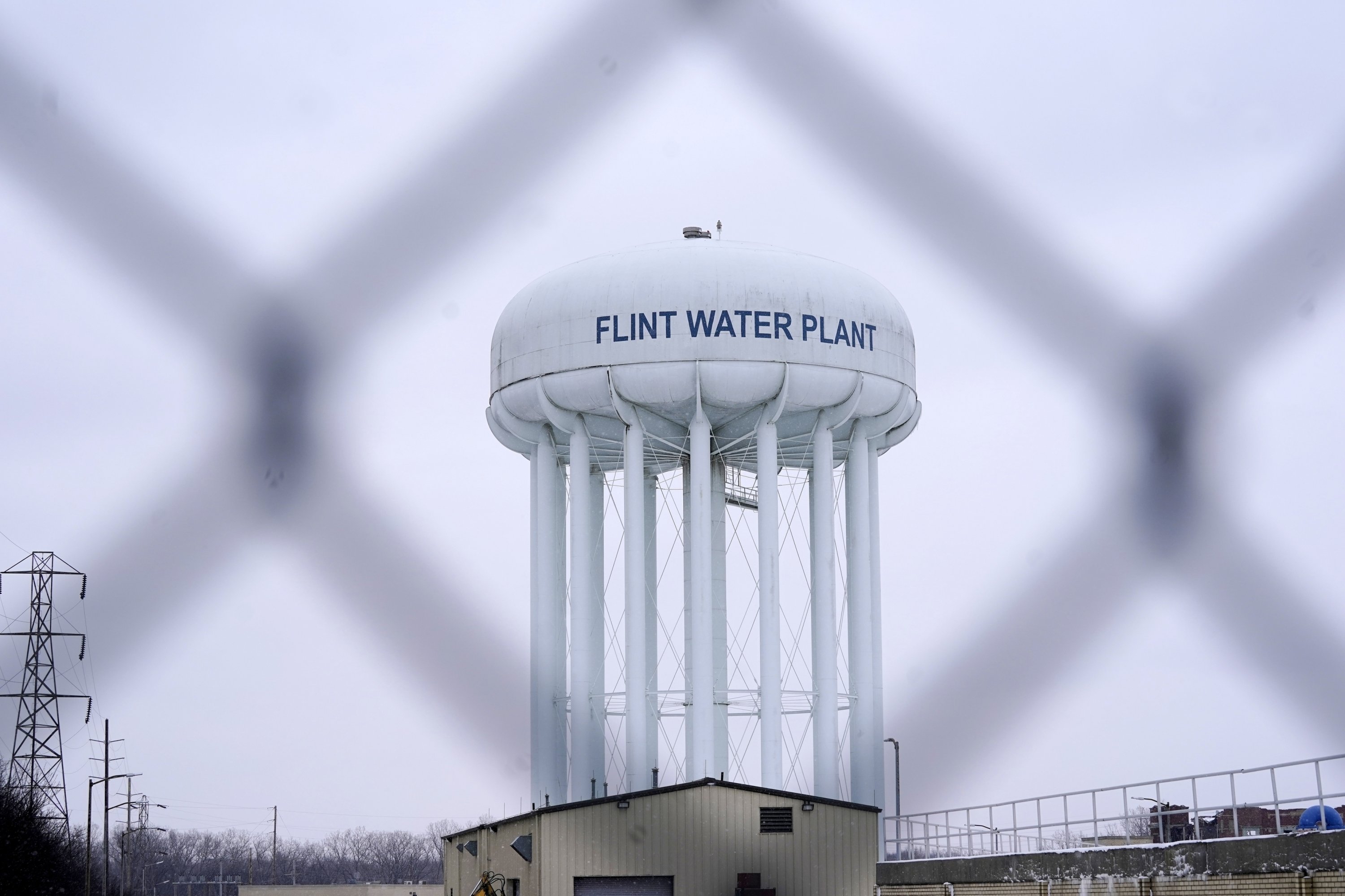
The towering metal structures often seen along the roads in small American towns, usually bearing the town’s name, are not just nostalgic or decorative: they signal that water is available on demand and it flows from above. If a fire breaks out, the response will not be delayed. And there lies the vital question: In the rural forests of Türkiye, could water from above save lives?
Across rural America, water towers rising at the entrance of small towns often stand as symbols of local infrastructure strength. Known as “elevated water towers,” these systems store water at a high elevation, using gravity to create pressurized flow. At its core, this is a self-sustaining system that continues to deliver water even during power outages.
These towers are typically part of municipal drinking water infrastructure. Yet, they also play a critical role in fire emergencies by serving as a source of “first-response water.” The pressurized water can be directly connected to fire hoses, offering immediate relief to teams racing against time. In many cases, fires in homes or buildings within or near a town can be extinguished promptly, without having to wait for a tanker to arrive.
An average water tower can hold between 1.5 and 2 million liters of water. This volume is sufficient to supply uninterrupted high-pressure water for 30 to 45 minutes, enough time to combat a fire in a small or medium-sized rural settlement. Moreover, increasing the tower's height also increases water pressure, allowing for effective firefighting even on sloped or mountainous terrain.
With the same principles in mind, such systems could be adapted to fire-prone rural areas in countries like Türkiye, especially by building them on higher ground just above forest villages. If connected to a network of hoses within the village, residents themselves could perform the initial response before professional firefighting units arrive.
In Türkiye, infrastructure investments for wildfire response remain largely confined to a narrow mindset – measured almost exclusively by the number of planes and helicopters. But when a fire erupts, the deciding factor is often not the sky, but how quickly water can be reached from the ground.
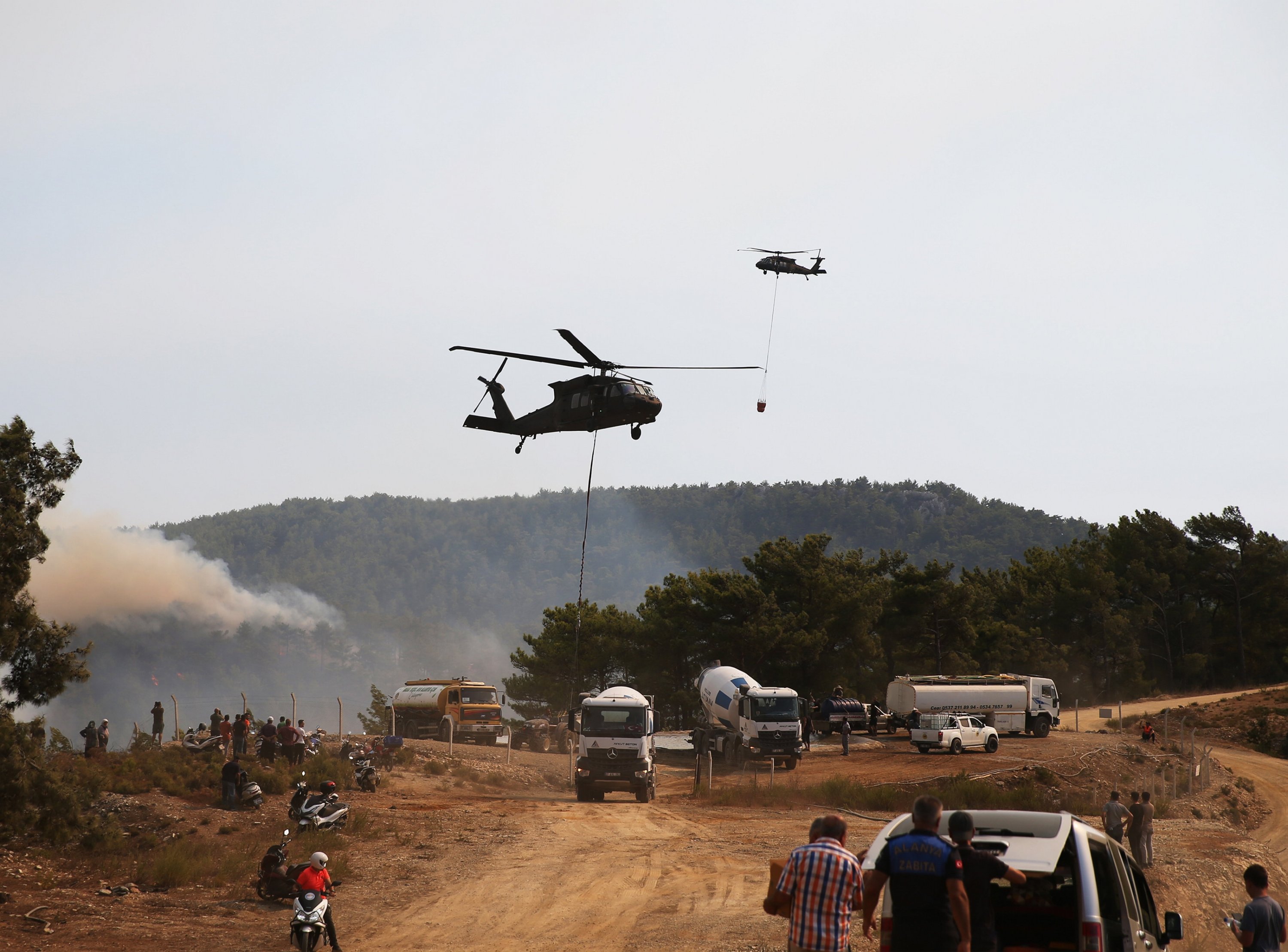
Today, in many forest villages across Türkiye, fire ponds are either nonexistent or poorly maintained. When fires break out, water tankers often arrive late or struggle to navigate the terrain. Helicopters are sometimes forced to fly 10-15 kilometers to refill their tanks. Villagers are often the first on the scene but lack the tools to respond. Even with hoses, water pressure is often so low that little to no water flows and supplies run out within minutes. Forget extinguishing the fire; many times, they don’t even have the means to change its direction.
This is precisely why Türkiye’s entire approach to wildfire response needs to change. Instead of continually demanding more aircraft, Türkiye must start “building a system from the ground up” and remember that “the first 15 minutes” can define the entire course of a fire. And to act in those first 15 minutes, a gravity-fed, energy-independent elevated water tower system, designed for immediate response, is essential.
This article does not romanticize the idea that water towers alone could extinguish every wildfire. On the contrary, it argues that this proposal can become a “feasible and complementary component” in addressing a major deficiency in Türkiye’s current wildfire infrastructure.
Wildfire response is a multiactor, multilayered process, but its most critical phase is often the first 10 to 15 minutes. If water is pre-positioned before helicopters or fire trucks arrive, it can save time and prevent the fire from spreading. In this regard, an “integrated rural fire defense model” could be proposed for high-risk zones. This model would include elevated, gravity-powered water towers, which would be built above forest villages; fire ponds or ground tanks as accessible reservoirs for helicopters and tankers; early warning systems with sensors that detect heat and smoke; and lastly, village volunteer lines with hose outlets connected to the water towers for immediate first response. Such a system would offer a low-cost, sustainable and locally-adaptable solution. It functions without electricity, requires minimal maintenance and could serve not only firefighting needs but also drinking water or agricultural irrigation.
According to Benjamin M. Gannon, a researcher at the USDA Forest Service – Rocky Mountain Research Station, and his colleagues, wildfire damage to water infrastructure poses not just environmental but also operational risk. As Gannon emphasizes, "Fire management must consider the spatial and operational vulnerability of water supply systems. Ensuring timely water availability near ignition points can critically reduce the response gap." This insight underscores how the proposed system for Türkiye’s rural wildfire strategy can be adapted to local realities and practical needs.
Water towers are part of a time-tested system, used across different geographies to address similar needs in different ways. Around the world, wildfire response infrastructure varies according to local requirements. In the United States, water towers are typically integrated with municipal drinking water systems. They deliver high-pressure water to fire hydrants and remain instantly accessible without relying on electricity. In Australia, rural areas with high wildfire risk are equipped with static water supply points, fixed ground-level tanks and concrete reservoirs that ensure a reliable and accessible water source for first responders. In Canada, “regional water reservoirs” and tower-like structures are deployed during fire season. These are monitored by drones (UAVs), which help direct emergency teams to the nearest available water source in real time. Though these systems differ in form, they all share a clear principle: Water must be accessible immediately.
In Türkiye, wildfires are becoming more frequent and devastating due to climate change, unregulated development and the long-standing neglect of rural regions. Yet, public discourse often remains fixated on aerial responses, asking how many planes or helicopters are available, while overlooking a crucial fact: ground-based systems are just as vital. Water towers represent readiness and the power of local planning. Real wildfire resilience will only be possible when Türkiye moves beyond reactive, sky-bound solutions and embraces proactive, sustainable and community-integrated models rooted in the land itself.