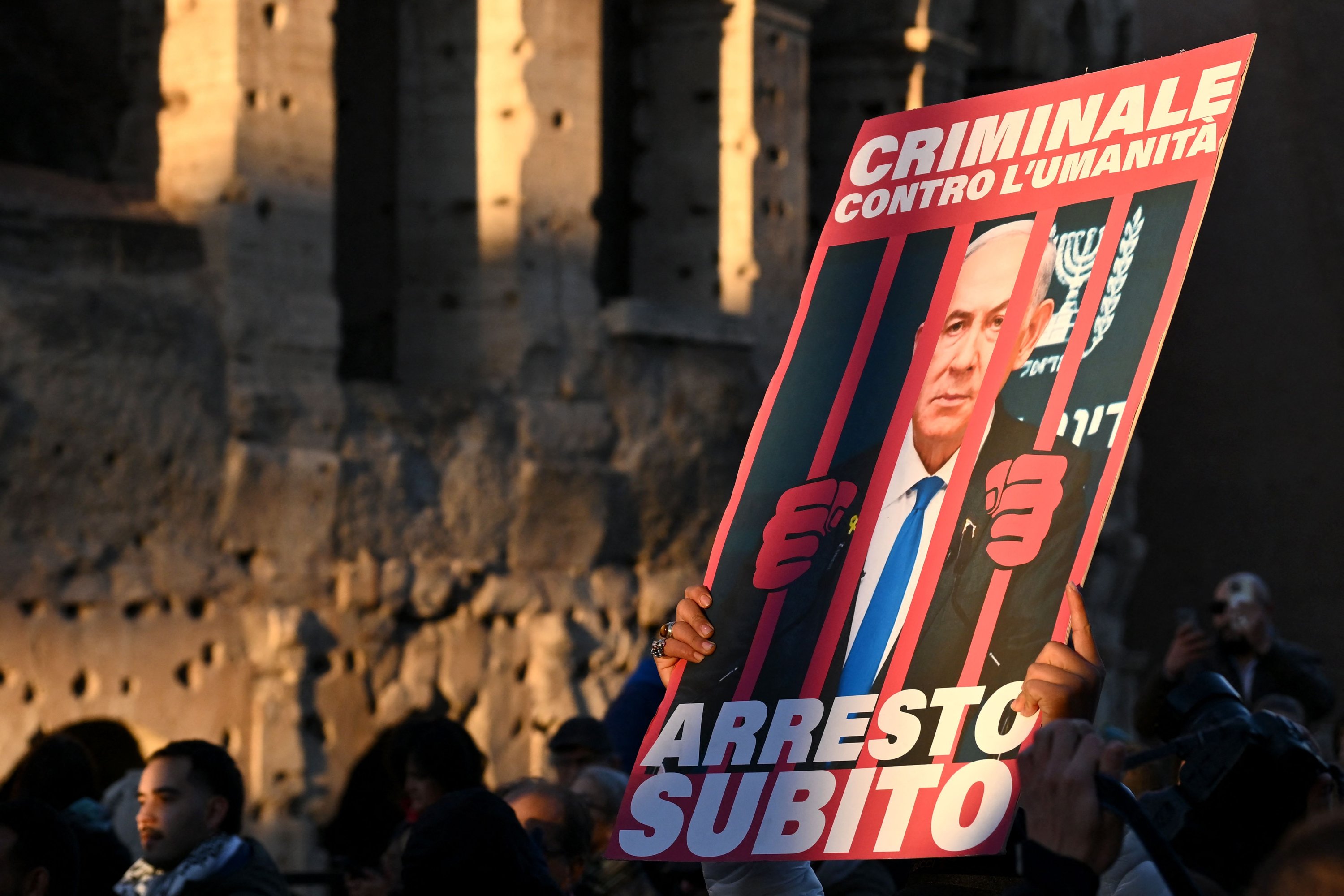
The news of Israeli Prime Minister Benjamin Netanyahu being issued an arrest warrant for Israeli crimes against Palestinian civilians has echoed like a thunderclap. For many, it represents a milestone in pursuing justice and officially acknowledging Palestinian sorrow. However, this development raises numerous concerns. Does this warrant a meaningful step toward ending impunity, or is it merely a symbolic gesture? Why does this question arise?
Just imagine... It feels like a game where the referee consistently blows the whistle in favor of the same team. The rules are well known but seem to exist only for appearances. This is the impression international justice sometimes conveys. Today, Netanyahu is in the spotlight with an arrest warrant from the International Criminal Court (ICC). But this raises another pressing question: will he truly be held accountable, or is this just another symbolic gesture?
The ICC was founded with a noble mission: prosecuting war criminals without distinction. However, its track record often resembles a chronicle of unmet promises. The court's history is filled with arrest warrants issued against high-ranking leaders, frequently celebrated as symbolic victories for international justice. Yet, how many of these warrants have been successfully enforced?
For instance, the case of former Sudanese President Omar al-Bashir, who was subject to an ICC arrest warrant yet continued to travel freely, was welcomed by several states that, in theory, were obligated to detain him. It was not the ICC but a popular uprising in Sudan in 2019 that ultimately led to his deposition and arrest by his own people. Similarly, while warrants have been issued for African militia leaders and actors in conflicts in Eastern Europe, many of these individuals remain at large.
The case of Jean-Pierre Bemba of the Democratic Republic of the Congo is equally revealing. After a decade of detention, he was ultimately acquitted, a reversal that left a bitter taste for those who had hoped for impartial justice. These precedents illustrate that while the issuance of an arrest warrant is significant, it does not guarantee that justice will be delivered.
As part of Israel's alleged genocide against the Palestinians, Netanyahu now faces international justice on war crimes charges. For many, this mandate represents a glimmer of hope – a signal that international justice might also scrutinize the powerful allies of great nations. But let’s be realistic: how many Western leaders or strategic allies of the West have ever been brought before the ICC? This glaring disparity has led to frequent criticism of the institution for its apparent bias in selecting the cases it prosecutes.
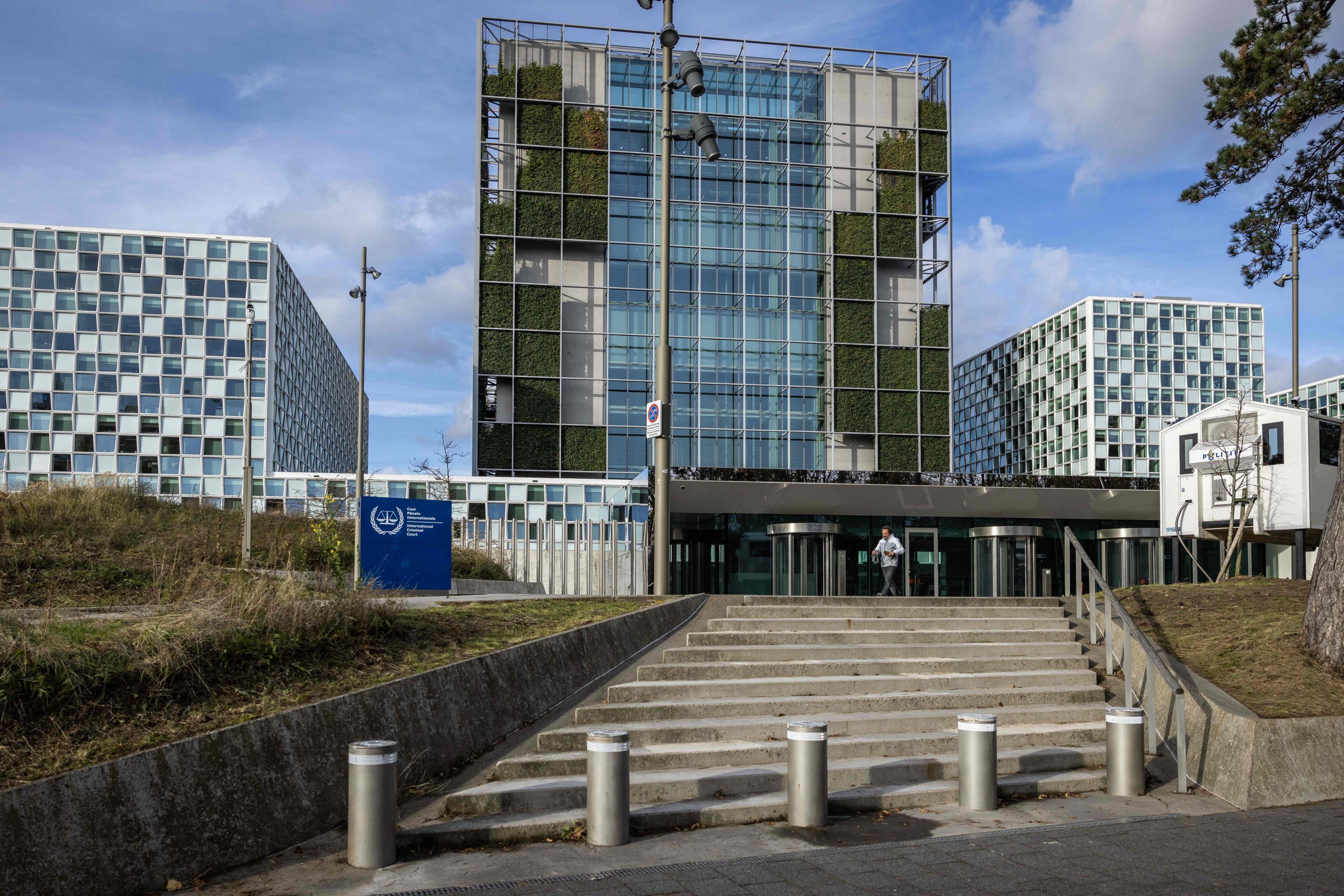
The figures speak for themselves: of the dozens of cases prosecuted by the ICC, the majority target African leaders, creating the impression of a selective geography in international justice. Meanwhile, leaders involved in equally violent conflicts often enjoy near-total impunity. The ICC seems to wear two faces: a strict enforcer for some and a passive observer for others. What explains these double standards? The answer is simple: politics. Despite its professed independence, the ICC is frequently swayed by geopolitical dynamics. Prosecuting an African or Middle Eastern leader without significant international backing is possible. But holding leaders shielded by powerful alliances accountable is an entirely different matter.
Take, for example, the case of Russian President Vladimir Putin. A warrant has been issued for what has been labeled "his crimes in Ukraine," but who is actually going to arrest him? While Putin may not be on the best terms with Western leaders, one thing is clear: Russia remains a military superpower. Now, consider Israel, a strategic ally of the United States and several European powers. This relationship complicates the likelihood of this mandate being enforced. In fact, in response to the arrest warrant, White House spokeswoman Karine Jean-Pierre rejected the validity of the warrants, emphasizing that the ICC was not competent in this matter since Israel is a non-member state of the ICC.
We can also point to Western military actions in the Middle East, particularly in Iraq and Afghanistan. Accusations of war crimes have been made against American and British authorities for abuses in these countries; however, no warrants have been issued to date. Why have the violations committed in Yemen, often with the implicit or explicit support of Western powers, not been subject to similar prosecutions? Why not? The answer is simple again: the powerful do not hold each other accountable. The least that can be said is that international justice appears to wear very selective blinders.
These double standards strengthen the perception that international justice is only a political weapon used to serve geostrategic goals. For the Palestinians and several other individuals seeking justice worldwide, this arrest warrant signifies the long-overdue acknowledgment of their suffering. They are more aware than anybody else, nevertheless, that symbolic declarations are insufficient. They suffer the daily effects of occupation, forced relocation and brutality. There needs to be tangible action taken in response to the arrest warrant against Netanyahu. Pointing the finger of blame is insufficient if nothing is done to apprehend him, hold him accountable, and consider restitution. Beyond rhetoric, the international community must strive for the actual implementation of international law. A world where the rules apply to everyone, without exception, shall not be a utopia.
Regrettably, Netanyahu's situation also draws attention to the systemic flaws in the international legal system. As a sitting head of state, he can invoke diplomatic immunity, an argument often used to protect leaders from prosecution. What's more, Israel, like other powers, has never signed up to the Rome Statute on which the ICC is founded, which further complicates prosecutions. This impasse reveals a wider problem: international justice lacks coercive means. International institutions cannot function effectively if they depend on the goodwill of states to implement their decisions.
Several changes are needed for the ICC to become a genuine instrument of justice. Initially, it is necessary to fortify its autonomy. This entails safeguarding the court from economic and political pressure. Subsequently, it is imperative to establish an international cooperation mechanism in which member states pledge to execute warrants without exception.
An equitable and consistent approach must also be adopted by the international community. Justice cannot function with a variable geometry. Every war crime and every human rights violation must be treated with the same rigor, regardless of the country concerned or the status of the leader involved.
It is time for the international community to move from words to deeds. Justice devoid of complacency should transcend mere rhetoric and manifest as a tangible reality. The Netanyahu case presents a significant occasion for the ICC to demonstrate its capacity for decisive action rather than mere rhetoric.
Ultimately, justice that selectively overlooks circumstances cannot be deemed true justice. It is merely a construct of perception. The world is watching. The ICC has an opportunity to demonstrate its commitment to its stated mission. However, to achieve this, it must demonstrate that no leader, regardless of their power, is exempt from the law.
International justice must not persist as a stage where solely the vulnerable face scrutiny. It should evolve into a steadfast foundation, an emblem of equity and veracity. Otherwise, this warrant against Netanyahu will merely represent yet another installment in a protracted narrative of unfulfilled commitments.