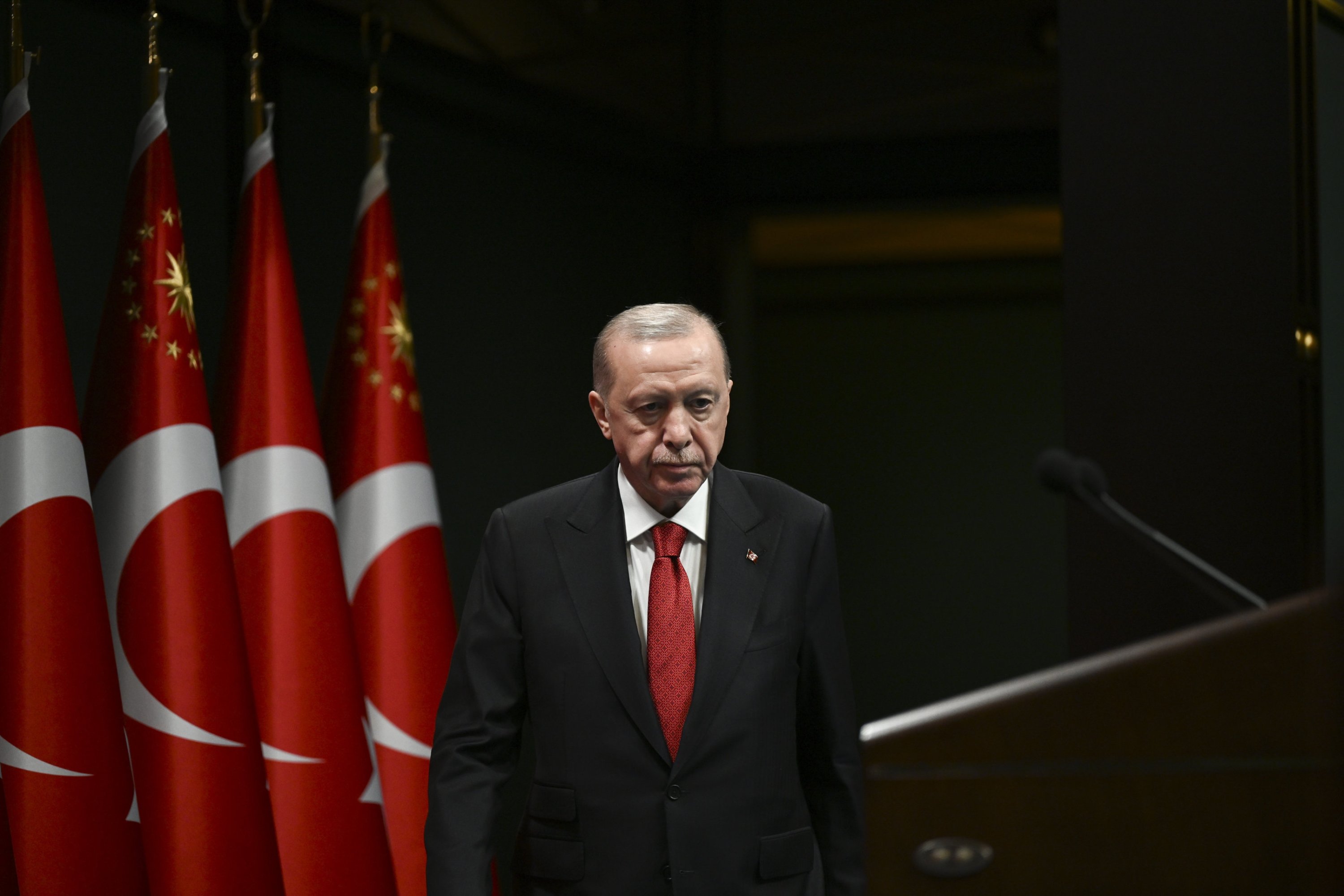
President Recep Tayyip Erdoğan has written the foreword to a new book titled “Nevruz: The Common Heritage of the Turkic World,” emphasizing the holiday’s role as a symbol of shared identity, unity and cultural continuity across the Turkic world.
The volume brings together academic contributions examining Nevruz’s historical, cultural and social significance across a vast geography stretching from Central Asia to the Balkans.
In his foreword, Erdoğan described history not merely as a chronological record of past events but as a living memory that shapes nations and guides their future. He stressed that a strong attachment to cultural roots and shared values has been one of the most important elements sustaining the Turkish nation through centuries.
Highlighting Nevruz as a unifying tradition, Erdoğan said the spring festival celebrated for generations across a broad cultural landscape from the Adriatic to the Great Wall of China represents far more than the arrival of spring. It symbolizes renewal, resilience and solidarity, he noted.
“Nevruz is not a day of division but of unity, togetherness and brotherhood,” Erdoğan said, adding that the holiday reflects the enduring spirit of a shared civilization and collective identity spanning millions of people.
The president also referenced historical challenges faced by the Turkic and Islamic world, including periods marked by assimilation policies and cultural suppression. He said those hardships had been overcome and framed recent developments as part of a broader revival of cultural and political cooperation among Turkic nations.
Erdoğan pointed to the growing role of the Organization of Turkic States (OTS), describing it as a platform that has transformed longstanding cultural ties into a more structured and influential international framework. He also cited the “2040 Vision of the Turkic World” as a roadmap for deepening cooperation in areas ranging from politics and economy to energy and regional connectivity.
Emphasizing education and culture as the foundation of lasting unity, Erdoğan noted joint academic efforts, including shared curricula, publications and institutional cooperation, would help foster a common historical consciousness among younger generations.
He underlined initiatives such as publishing classical works in a common Turkic alphabet and strengthening collaboration among universities and research institutions.
Drawing on shared cultural figures such as Ahmet Yesevi and Yunus Emre, Erdoğan said Turkic nations remain bound by common values, emotions and aspirations. He added that this sense of unity is reflected in collective responses to regional developments, from humanitarian concerns to geopolitical events.
The book features 33 articles written by 36 academics from Türkiye and abroad, offering a comprehensive examination of Nevruz’s historical roots and contemporary significance. It is expected to be released to readers in the coming days and is described as one of the leading works on the subject.
Erdoğan concluded by expressing hope that the publication would strengthen cultural awareness, inspire younger generations and contribute to what he described as the “Century of Türkiye” and the “Era of the Turkic World.”