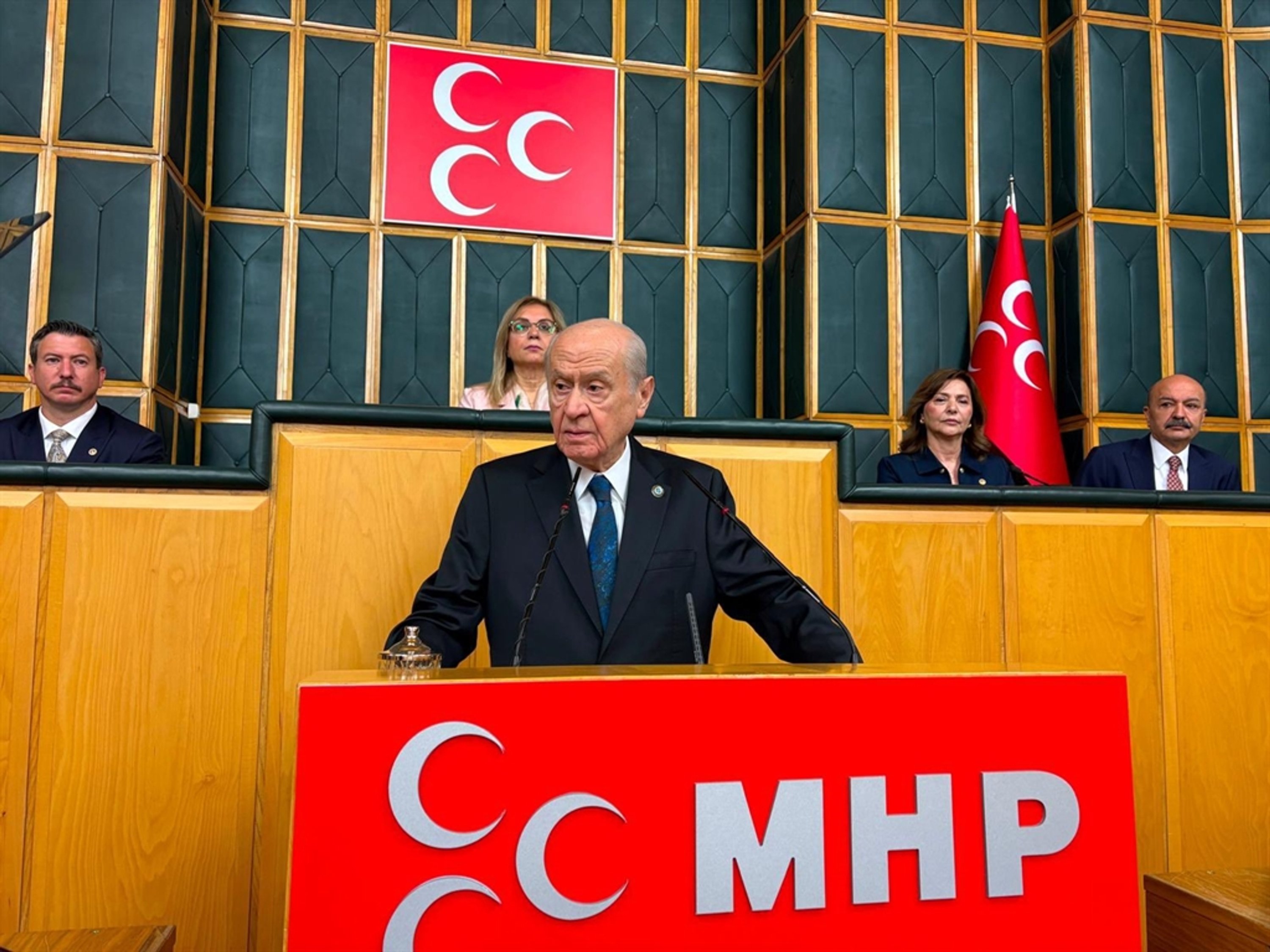
Devlet Bahçeli, leader of the Nationalist Movement Party (MHP), credited with paving the way for the terror-free Türkiye initiative, responded to claims about jailed PKK ringleader Abdullah Öcalan. Bahçeli said a residence was built within the Imralı Island prison complex, where Öcalan is held, for the purpose of easing his conditions and facilitating better communication with the outside world.
Öcalan has been in prison for about 26 years following his capture and subsequent repatriation from Kenya. The chief terrorist was sentenced to life imprisonment after Türkiye abolished the death penalty and has been incarcerated at the prison complex in isolation for years. In recent years, authorities have allowed fellow inmates to join him at the prison, and he has been allowed more visits since the terror-free Türkiye initiative was informally launched by Bahçeli in 2024.
Bahçeli recently spoke to a journalist about Öcalan’s prison conditions, and news reports regarding the brief interview claimed that Bahçeli acknowledged the construction of a “villa” for Öcalan. Critics of the terror-free Türkiye initiative were quick to jump on the bandwagon of criticism of Bahçeli, claiming Öcalan would enjoy a life of luxury on the Sea of Marmara island despite his past crimes. In an interview with journalist Ceyhun Bozkurt on Wednesday, Bahçeli said it was not “a villa” but a residence of about 250 square meters (2,691 square feet) that would be allocated to Öcalan. He said the new residence would allow the PKK ringleader to communicate more easily with the outside world, particularly when conveying his messages regarding the initiative to the public.
The nationalist leader’s suggestion in 2024 to bring Öcalan to Parliament so that he could call on the group to lay down its arms stunned many accustomed to his strict discourse against the PKK. Though such attempts to disarm the PKK were not new, it was the first time that Bahçeli, a man once known for suggesting that Öcalan be hanged, had led such an initiative. Some far-right groups have accused Bahçeli of betraying nationalism. Bahçeli, however, did not backtrack and vowed to pursue the initiative to its end, champion Turkish-Kurdish unity and establish a “united front” against external threats. Proponents of the initiative call for support because it could help resolve problems faced by Kurds, who they say have long been exploited by the PKK.