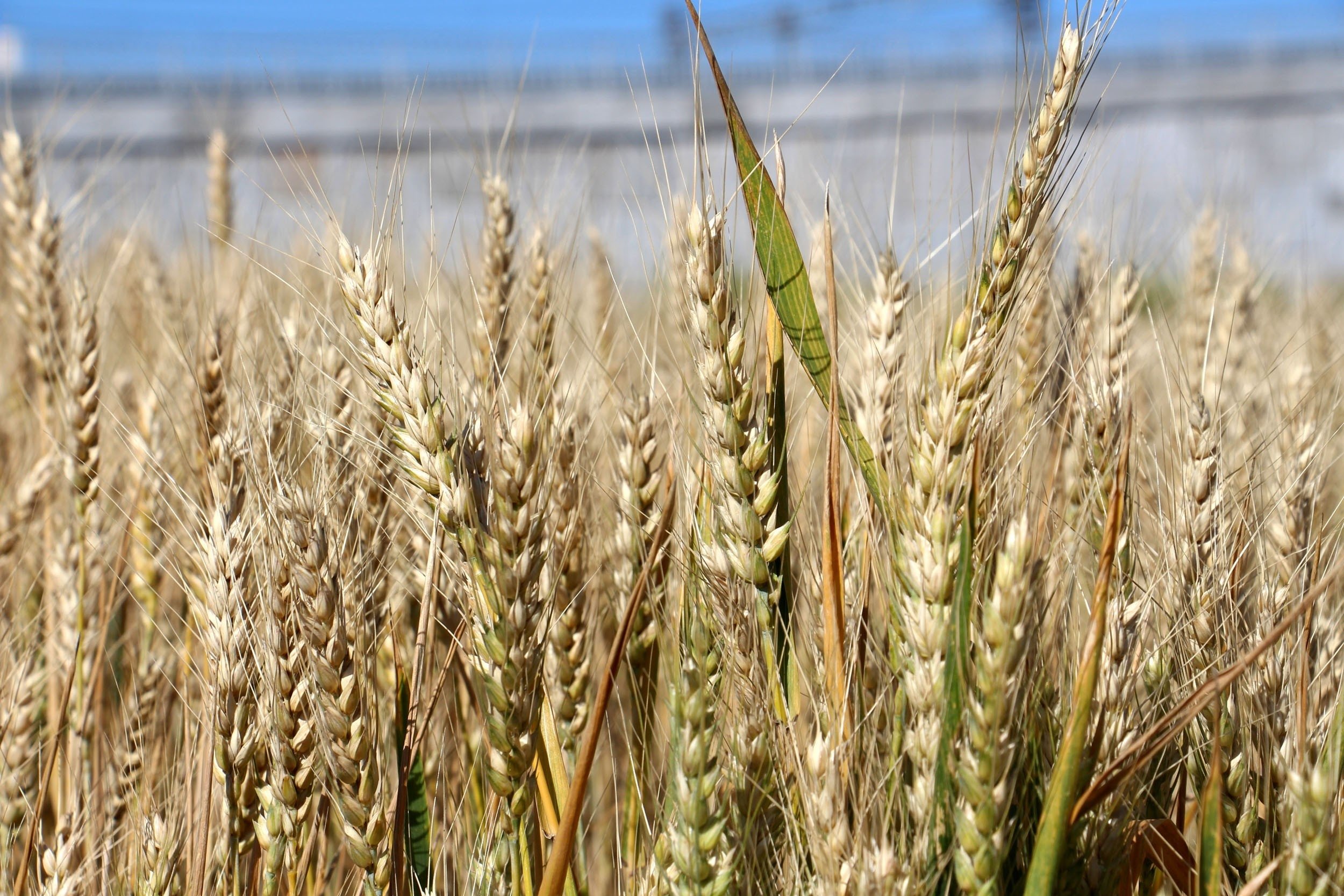
As agricultural practices shift to sustainable crops in the face of increasing damage from the fallout of climate change, scientists look for new ways to keep agricultural stocks going strong. In the central Turkish province of Sivas, a vast stretch of land covered with wheat serves as the open-air lab of a group of scientists hoping to change the fate of agriculture.
Their lofty ambition is to find the perfect wheat that will be resistant to diseases and extreme cold or hot weather. The scientists, led by professor Tolga Karaköy from Sivas Science and Technology University, are examining 2,500 different wheat genotypes in the search for the ultimate specimen that will contribute to the future of Turkish agriculture.
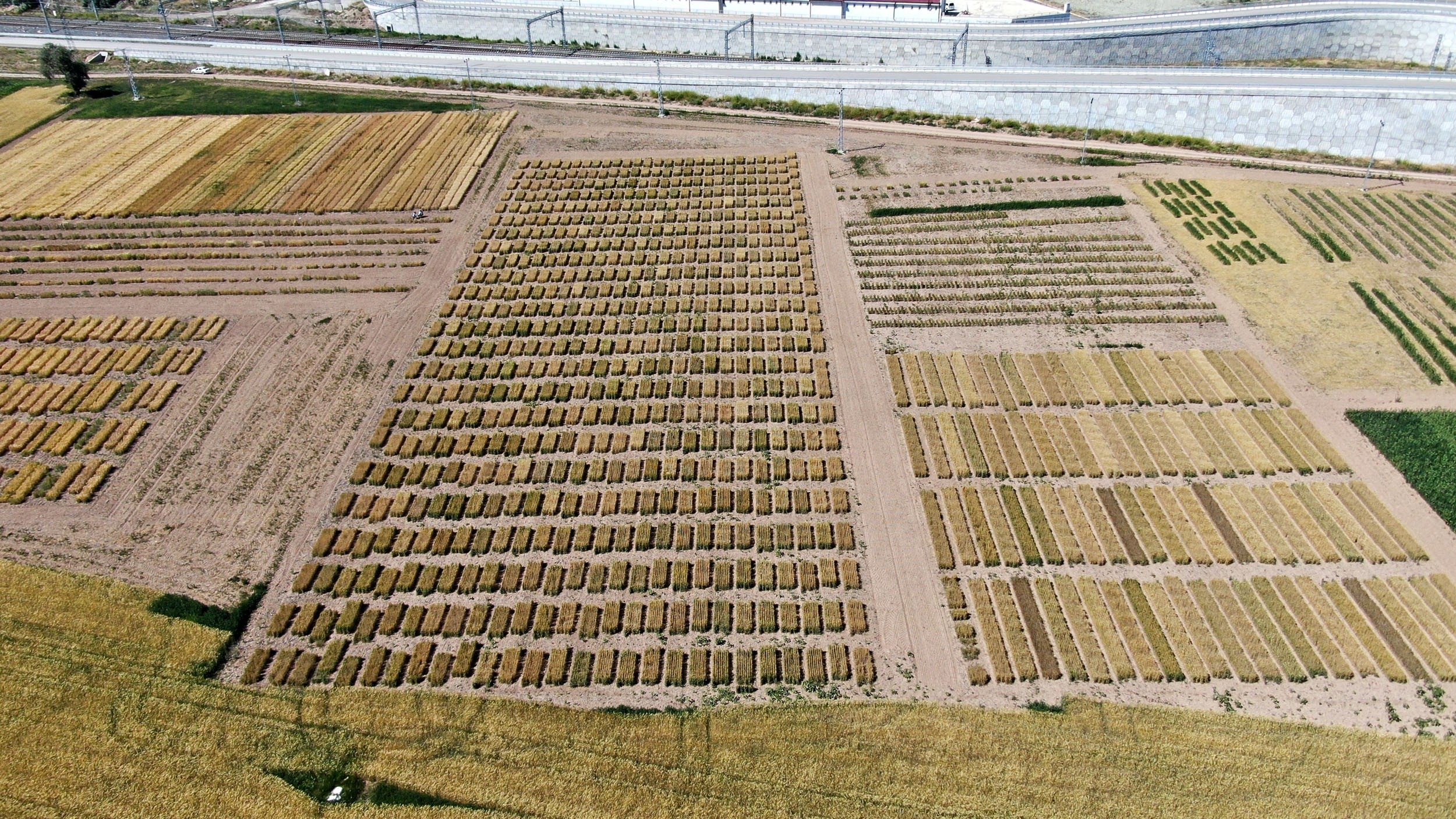
“We work on how they can adapt to different environments and at the same time, we work on improvement of existing crops, creating hybrid ones,” Karaköy told Ihlas News Agency (IHA) on Monday. In Sivas, one of the agricultural hubs in the Anatolian heartland, up to eight types of wheat are cultivated. Karaköy and his team aim to introduce them to more species. They will start harvesting the first specimens by the end of July and host local farmers in the massive field they work on, to encourage them to try out new crops.
Their multi-pronged project also seeks to curb costs in agriculture. “Farmers earn less now but these new crops may also reduce their production costs,” Karaköy added.
Climate change tops Turkey's agenda as the global phenomenon has increased global temperatures by an average of 1.1 degrees Celsius (2 degrees Fahrenheit) over the centuries. It also aggravates natural disasters which in turn caused economic losses amounting to $210 billion last year. The agricultural sector constitutes about 60% of those economic losses. As a water-stressed country, Turkey prioritizes practices designed to cut agricultural water losses, as projections show a 17% decline in water resources per person in 2040 due to population increase and climate change. The government already implements a series of measures, especially in water-stressed basins where farmers are encouraged to turn to crops relying on less water and prioritizing environment-friendly agricultural production methods. In the past decade, incentives and training available to people in the agriculture sector have helped expand the country's cultivatable lands 42-fold to 642,000 acres while the size of the area suitable for organic production rose to 964,000 acres, more than double previous levels. In the same period, the government also paid more than $150 million (TL 2.6 billion) to farmers who suffered from yield losses due to factors related to climate change.
The ministry also cooperates with the U.S. Food and Agriculture Organization (FAO) and implements steps agreed upon in a workshop on climate change and agriculture. The workshop paved the way for new incentives and based upon consultations with FAO officials and academics, the Ministry of Agriculture and Forestry covered half the costs of all drip irrigation and spray irrigation projects presented to the ministry last year. As part of the European Union’s Instrument for Pre-Accession Assistance Rural Development (IPARD) program, the government plans to funnel loans totaling 14 million euros ($14.6 million) between 2021 and 2027 for environment-friendly projects, including rainwater harvesting, windbreaks, organic agriculture and practices providing protection against water and wind erosion.
The government will also implement an ecosystem-based compliance strategy against climate change in steppe ecosystems. It will provide incentives for pressurized modern irrigation methods.
Located in a semi-arid climate zone and water-stressed, Turkey aims to take more steps to optimize its use of its limited water resources, as a climate crisis threatens the country of more than 83 million people. Dry seasons have been prolonged further in the country and have started affecting wider areas as their impact is being felt by more people. Boosting water supplies and curbing demand are essential in this new era.