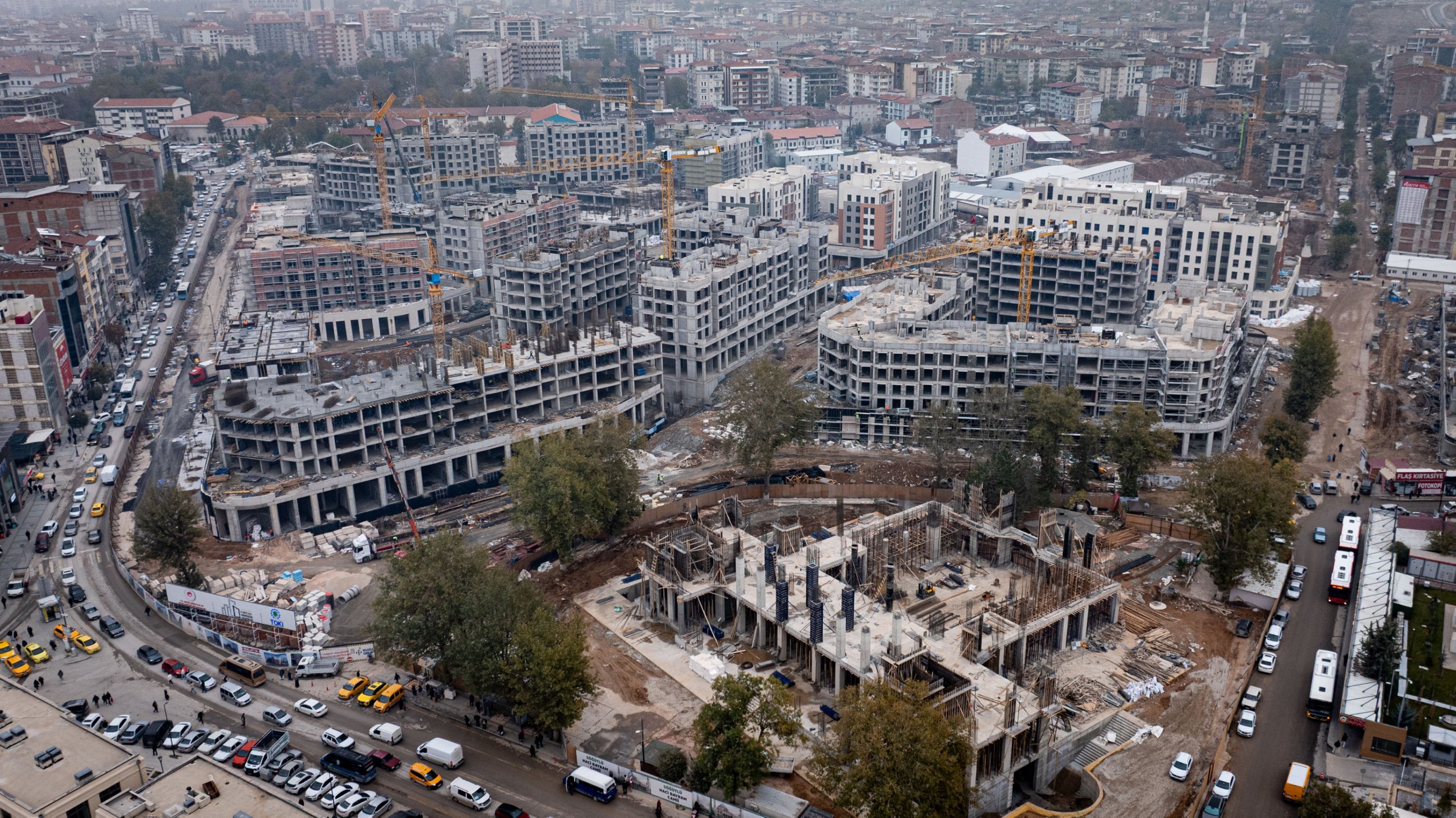
Three years ago, in the early hours of Feb. 6, Türkiye experienced one of the most catastrophic earthquakes in its modern history. A powerful magnitude 7.7 tremor struck Türkiye’s southern and southeastern regions, causing profound and lasting devastation and claiming the lives of over 55,000 people across the country.
The disaster affected 11 provinces, Kahramanmaraş, Hatay, Adıyaman, Osmaniye, Gaziantep, Şanlıurfa, Malatya, Diyarbakır, Adana, Kilis and Elazığ, spanning 124 districts and 6,929 neighborhoods and villages, and turning entire communities into disaster zones within minutes.
In the immediate aftermath, the scale of the response quickly matched the scale of the disaster. A total of 11,488 international personnel from 93 countries, alongside 35,250 search and rescue teams and 142,000 security personnel, were mobilized.
Altogether, 650,000 public personnel were deployed across the affected region, forming one of the largest coordinated emergency responses in Türkiye’s history.
Right after the disaster, Türkiye launched a nationwide reconstruction initiative under the instructions of President Recep Tayyip Erdoğan, coordinated by the Ministry of Environment, Urbanization and Climate Change. The program aimed not only to rebuild housing but also to restore economic and social life at scale.
On Thursday, President Erdoğan reflected on the government's efforts and achievements. He emphasized the significant progress made in rebuilding the affected regions, stating: “Delivering 455,000 housing units is not a trivial matter; it is like building a small country. There is no other state in the world besides us that could accomplish this in such a short time. What we have done is clear as day.”
He highlighted the restoration of homes and lives for those impacted by the disaster: “If it were up to us, our people would no longer be out in the open. Those affected have returned to their homes, and a deep humanitarian tragedy has been averted in the earthquake zone.”
Erdoğan expressed confidence in continuing the reconstruction mission and maintaining a close connection with the citizens, saying, “God willing, in Osmaniye, we will embrace our nation once again and speak with the comfort of having kept the promises we made to them.”
As part of the government’s flagship “Century of Housing Project,” social housing lottery draws have been held across 41 provinces, identifying 144,258 beneficiaries to receive new homes. The lottery process, conducted by the Housing Development Administration of Türkiye (TOKI), began on Dec. 29, 2025, and continues weekly to allocate affordable housing nationwide.
On Feb. 6, Osmaniye province will hold its lottery draw for 2,990 social housing units, coinciding with the third anniversary ceremony of the earthquakes. The event, themed “See the Strength of My Türkiye,” will be attended by President Erdoğan and Nationalist Movement Party (MHP) leader Devlet Bahçeli.
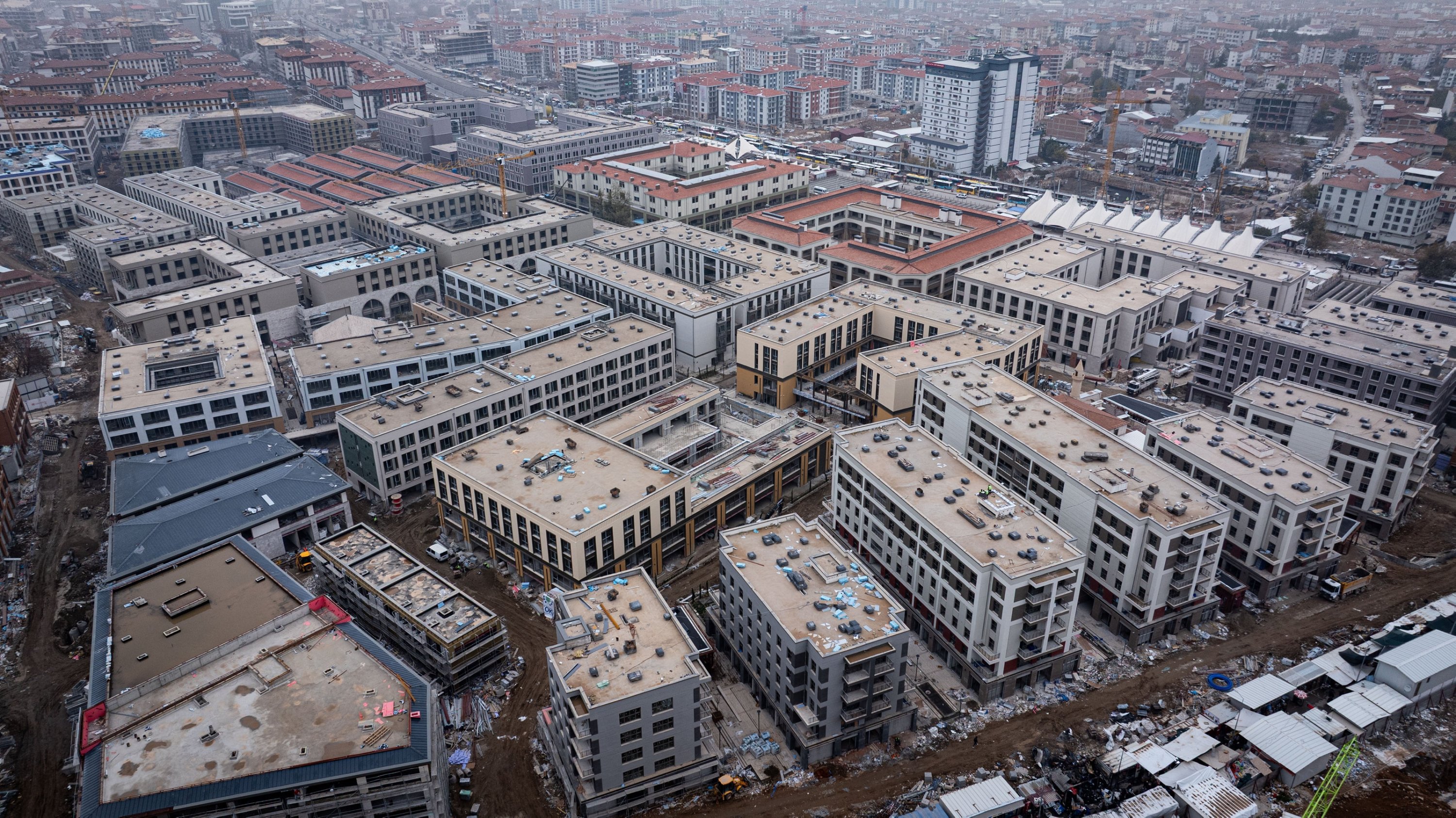
Under the coordination of the Ministry of Environment, Urbanization and Climate Change, and in cooperation with TOKI, Emlak Konut GYO, the General Directorate of Construction Works, and the Urban Transformation Directorate, reconstruction activities were launched without delay.
Across the 11 earthquake-affected provinces, construction operations were carried out at 3,481 sites in 174 locations, supported by a workforce of nearly 200,000 architects, engineers and construction workers.
At peak capacity, the rebuilding effort advanced at an unprecedented pace of 23 housing units per hour, or approximately 550 homes per day. The first foundation was laid in Gaziantep’s Nurdağı district on the 15th day after the earthquake, while the first village houses were delivered by the 45th day, marking an early transition from emergency response to permanent reconstruction.
Up to now, a total of 455,357 independent units have been completed as part of the “Reconstruction of the Century” initiative, including 367,995 housing units, 65,672 village houses and 21,690 workplaces.
The project reached significant milestones throughout 2025, delivering the 250,000th unit in June, the 300,000th in September and the 350,000th in November, underscoring the extraordinary momentum behind Türkiye’s recovery and rebuilding efforts.
Health care services were rapidly expanded to meet urgent needs. In addition to hospitals that remained operational, 34 fully equipped field hospitals, including operating rooms, were established across the disaster zone, 23 of them with the support of foreign partner countries.
These facilities included 19 in Hatay, six in Kahramanmaraş, five in Adıyaman and four in Gaziantep. Field hospitals in Payas, Altınözü, Erzin and Yayladağı in Hatay continue to operate. In total, 590,468 patients received treatment at field hospitals and emergency response units. By the end of 2024, most field hospitals were gradually decommissioned, with services transitioning to container hospitals and newly built permanent healthcare facilities.
The education infrastructure was also heavily affected. Prior to the earthquakes, the region had 11,567 schools and 119,200 classrooms. Post-disaster assessments found that 1,295 schools with 9,799 classrooms were destroyed or rendered unusable, while 10,272 schools comprising 109,401 classrooms remained usable with no or limited damage.
To prevent educational disruption, the Ministry of National Education carried out one of the largest emergency distribution efforts in its history. This included 9.14 million primary school textbooks, 6.37 million secondary school textbooks, 11.32 million supplementary learning resources, 5.28 million remedial materials, and 1.07 million university entrance exam test booklets.
Beyond physical reconstruction, Türkiye placed strong emphasis on social protection and psychosocial recovery. The Ministry of Family and Social Services assumed a central coordination role in delivering emergency social assistance, managing cash and in-kind aid, and leading nationwide psychosocial support efforts.
Under the Türkiye Disaster Response Plan (TAMP), large-scale logistics operations began within hours. In-kind aid acceptance started through 12 warehouses within the first eight hours, while more than 2,500 trucks and over 7 million relief items were processed in the first 48 hours alone.
Since the disaster, 44,270 trucks have delivered aid nationwide, distributing more than 466 million individual items. These operations were supported by 4,912 personnel and 941 vehicles. To ensure equitable access, 206 Social Markets were established in earthquake-affected provinces, alongside 94 additional Social Markets in regions hosting displaced populations. Mobile Social Market trucks were deployed to reach remote and high-need areas.
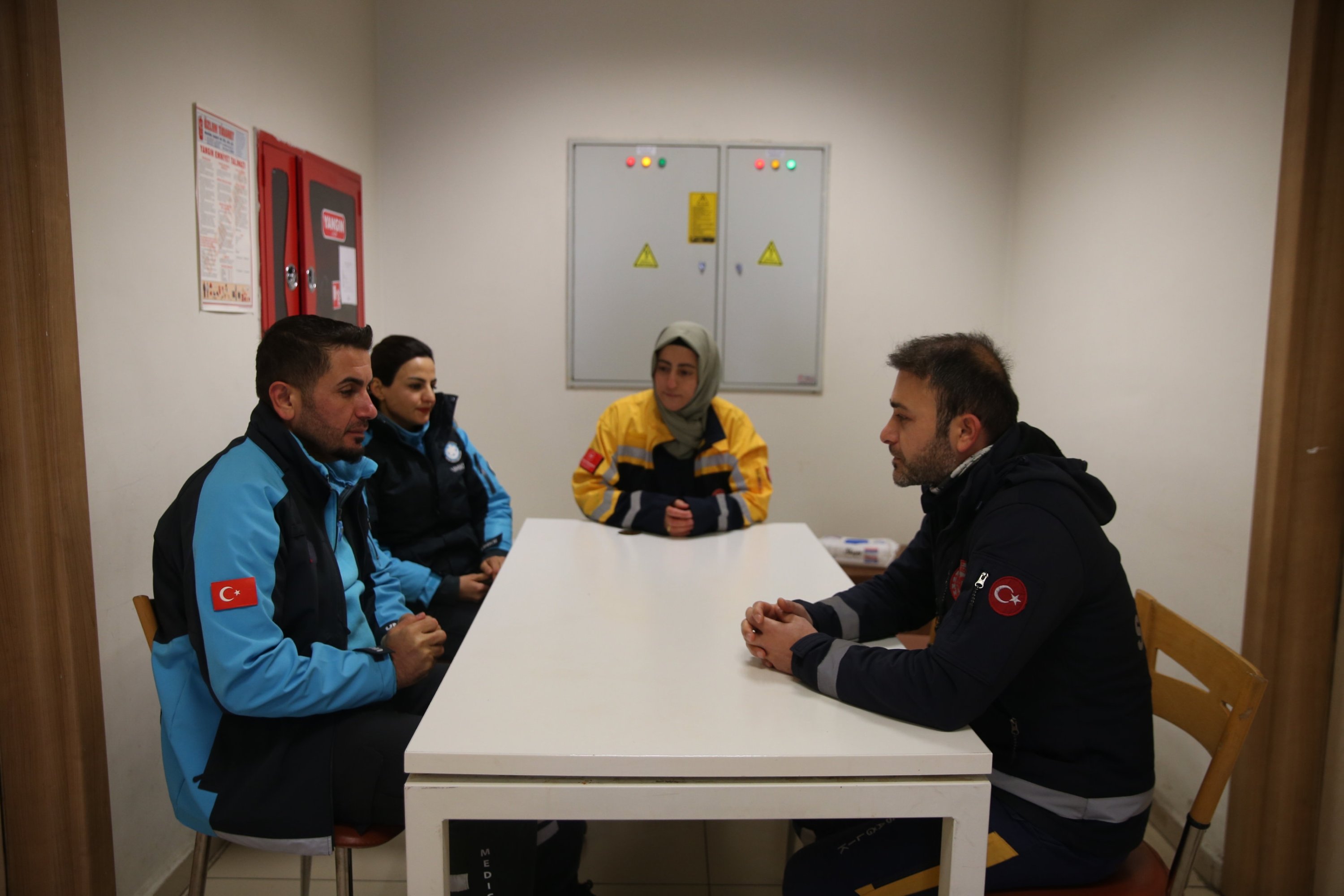
For the rescuers who were there from the first hours, the memory of those days has not faded.
Speaking to Anadolu Agency (AA), health workers who served in Diyarbakır during the earthquakes say certain moments remain etched in their minds, unchanged by time.
One National Medical Rescue Team (UMKE) responder recalled crawling more than 10 meters through a narrow corridor opened in the rubble to reach a trapped teenage girl. The girl begged her not to leave, saying she was terrified of being alone in the darkness. At one point, she even asked rescuers to hand her a drill so she could break her own arm to escape. Before they were forced to withdraw so the area could be widened, the girl said she wanted to study health care and one day save lives herself. A second earthquake struck before she could be rescued.
Another emergency responder said that during those days, personal fear disappeared. “You don’t think about yourself or even your family,” he said. “You think only about the person under the rubble and how to keep them alive.” For days on end, he worked without leaving the debris, digging with his hands when necessary, doing whatever was possible to reach survivors.
They say the memories are still hard to put into words. Even now, they rarely talk about what they lived through. Sometimes, a single glance between colleagues is enough. “When we look at each other,” one responder said, “we know we’re carrying the same pain.”
What stays with them just as strongly are the moments of hope, voices heard under the rubble after 90, even 100 hours, and lives pulled back from the edge. Those moments kept them moving despite the exhaustion and the losses.
Behind the immense loss and the emptied houses, streets and neighbourhoods, life is finding its way back. People are trying, day by day, to steady themselves again.
Beyond the destroyed buildings, there is a quieter story unfolding. It is the story of survivors learning how to live with what they remember, how to take a breath without guilt, and how to move forward at their own pace. It is not loud or dramatic, but it is persistent, and it is where recovery of the country and the nation truly begins.
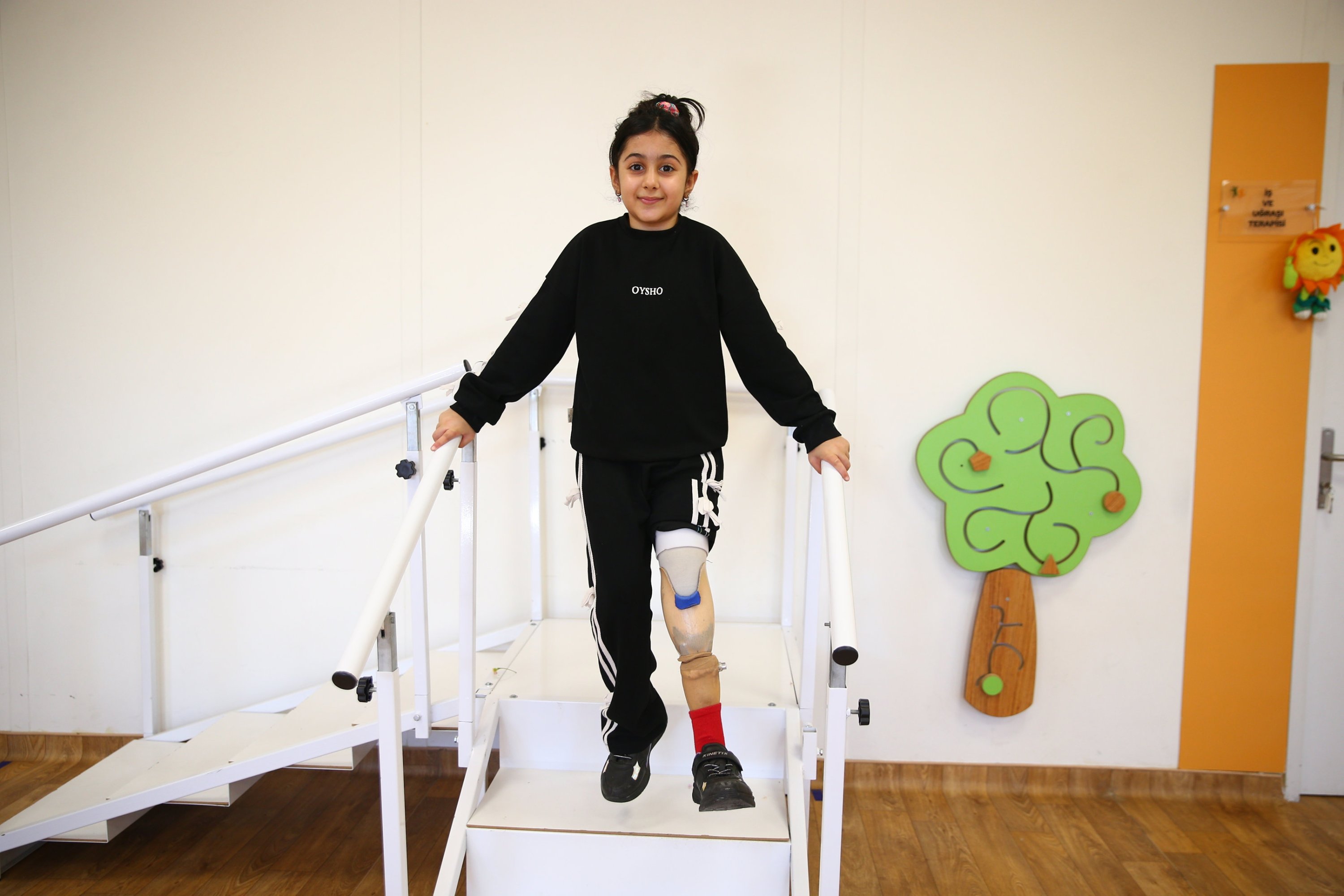
Nine-year-old Zeliha Yılmaz was pulled alive from the rubble 117 hours after the earthquakes. Today, she is learning to walk again with a prosthetic leg and holding on to her dream of becoming a teacher.
She was 6 when the earthquake struck her family’s home in Adıyaman, southeastern Türkiye. Trapped under the collapsed building with her parents and older sister, Zeliha survived nearly five days beneath the debris. She and her mother were rescued, injured, while her father and sister lost their lives.
After losing her left leg below the knee, Zeliha began a long recovery. Now back in school, she continues physical therapy with her mother by her side.
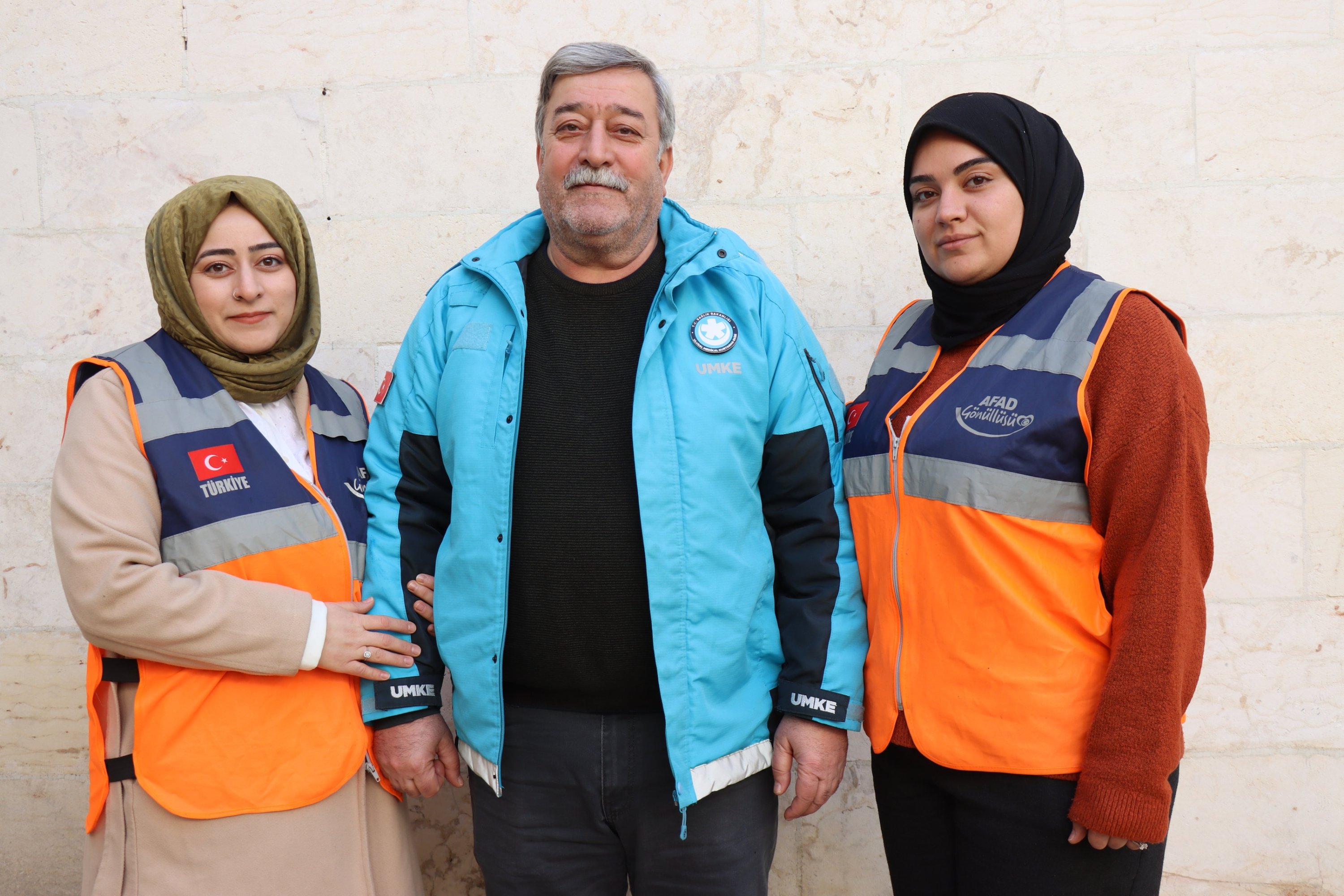
Those who were rescued found new purpose and inspiration, turning their experiences into a commitment to help others in crisis.
In Şanlıurfa, sisters Hayrunnisa and Nevin Istegün, trapped under the rubble with their family for 10 hours during the February 2023 earthquakes, followed their father’s footsteps by becoming Disaster and Emergency Management Authority (AFAD) search-and-rescue volunteers. Their father, Eyüp Sabri Istegün, a UMKE volunteer for nearly 20 years, was with them during the disaster, and the family was rescued injured after 10 hours.
Motivated by the support they received during their ordeal, Hayrunnisa and Nevin have dedicated themselves to helping others in need.
Fifteen-year-old Şevval Ece Kılınçer lost her father when their home in Malatya was destroyed in the earthquakes. Despite this loss, she kept her promise to him by studying hard and earning a perfect score on last year’s high school entrance exam, securing a spot at Baykar Science High School.
After the disaster, Şevval and her family relocated to Elazığ. Supported by her mother and brother, she focused on her studies while finding comfort in playing the piano and learning the oud and violin.
Şevval said her father always believed she would top the exam, and fulfilling that promise has brought her pride and peace.
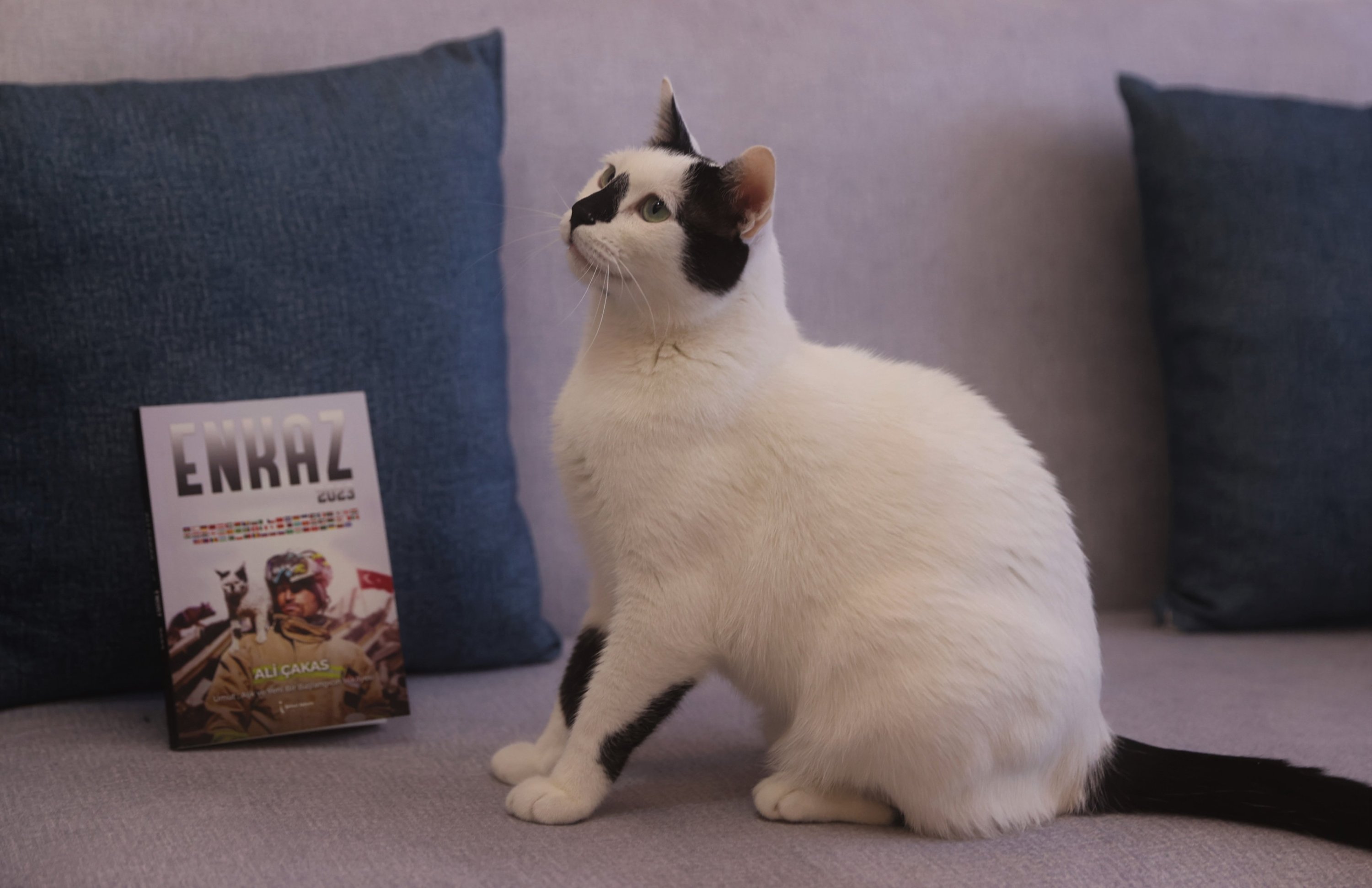
Despite focusing primarily on rescuing people trapped beneath the rubble, search and rescue teams also extended their efforts to animals caught in the destruction.
In Gaziantep, firefighting teams from the Mardin Metropolitan Municipality rescued five people, two cats, and three parrots alive from the rubble of a collapsed building, 129 hours after the earthquake.
While most of the rescued animals were reunited with their owners, one cat’s owner was found to have lost their life. Ali Çakas, a firefighter on the team, took responsibility for the cat and brought it back with him to Mardin, naming it “Enkaz” (Rubble).
Since then, Çakas has cared for Enkaz as if it were his own child, forming a deep bond over the past three years. To preserve this unique story of hope and friendship born from tragedy, he recently published a book titled "Enkaz," sharing his experience and the lasting connection between him and the cat rescued from the disaster zone.
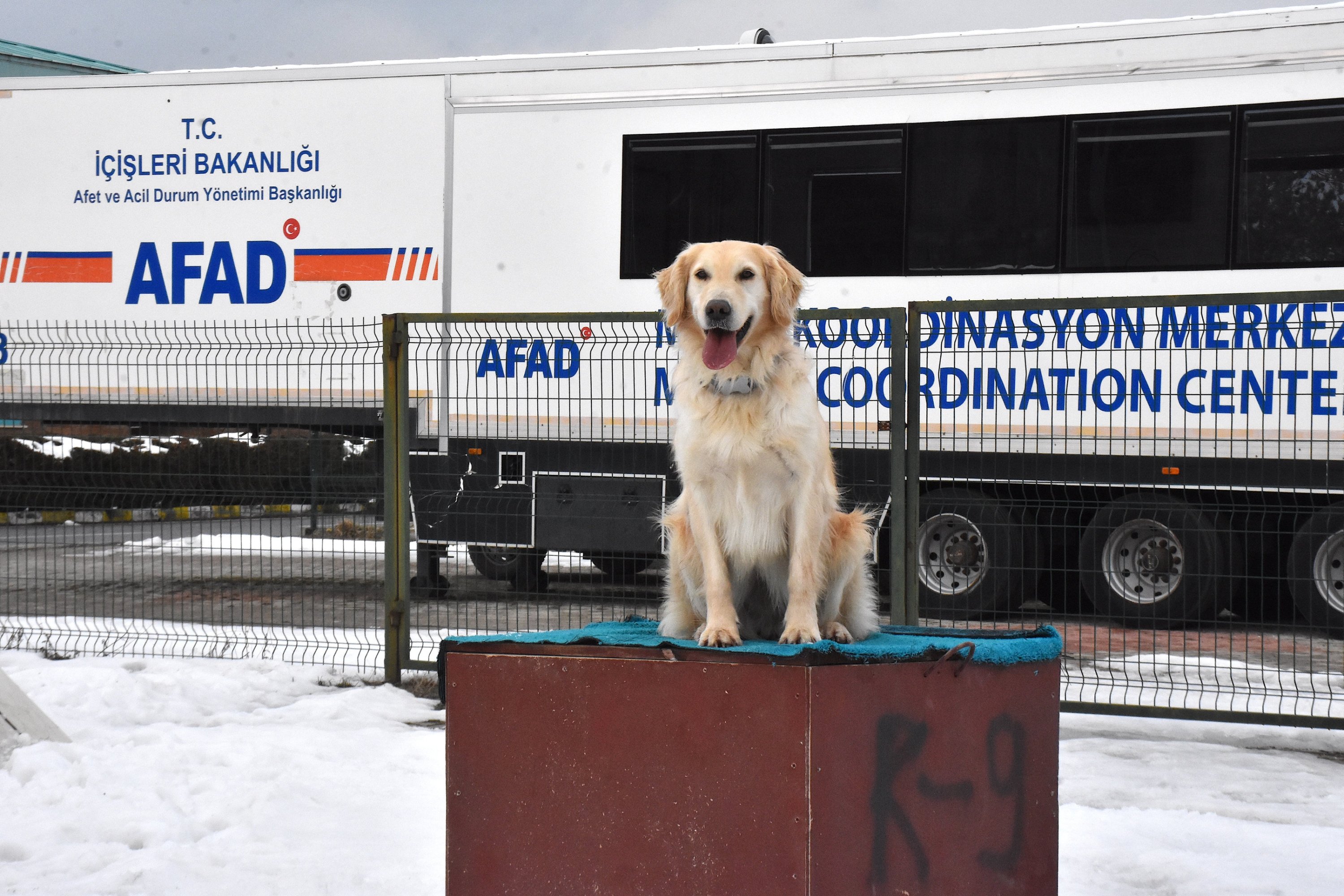
Rescue dogs were indispensable in the earthquake response, using their senses and specialized training to locate survivors buried beneath rubble in devastated cities like Malatya, Adana and Şanlıurfa.
One standout canine, Köpük, working alongside AFAD teams, directly contributed to saving six lives, including a woman trapped for over 77 hours.
Among the heroes was “Gece,” a highly trained search-and-rescue dog from the Konya Metropolitan Municipality Fire Department’s Search and Rescue Unit, who played a crucial role in locating numerous trapped individuals in Hatay during the earthquakes.
Gece’s dedication and skill symbolized the vital partnership between humans and canines in disaster response. Gece passed away two months after the earthquake due to an infection, but his mission continues through “Vondi,” a younger dog trained by Gece’s handler. Vondi, noted for his agility and speed, has taken over the demanding work, with training rigorously designed to simulate the complex and hazardous environments these dogs face.
Trainer Meki and firefighter Ibrahim Yücel emphasized the high standards required for search and rescue dogs, including rubble navigation, agility and endurance tests overseen by the AFAD to ensure only the most capable dogs are deployed. Currently, Konya’s fire department maintains three certified rescue dogs ready for future missions, each trained to navigate obstacle courses that replicate disaster zones. This ongoing commitment ensures that the vital role rescue dogs play in saving lives during crises remains steadfast, honoring the legacy of dogs like Gece and the countless human lives they help save.