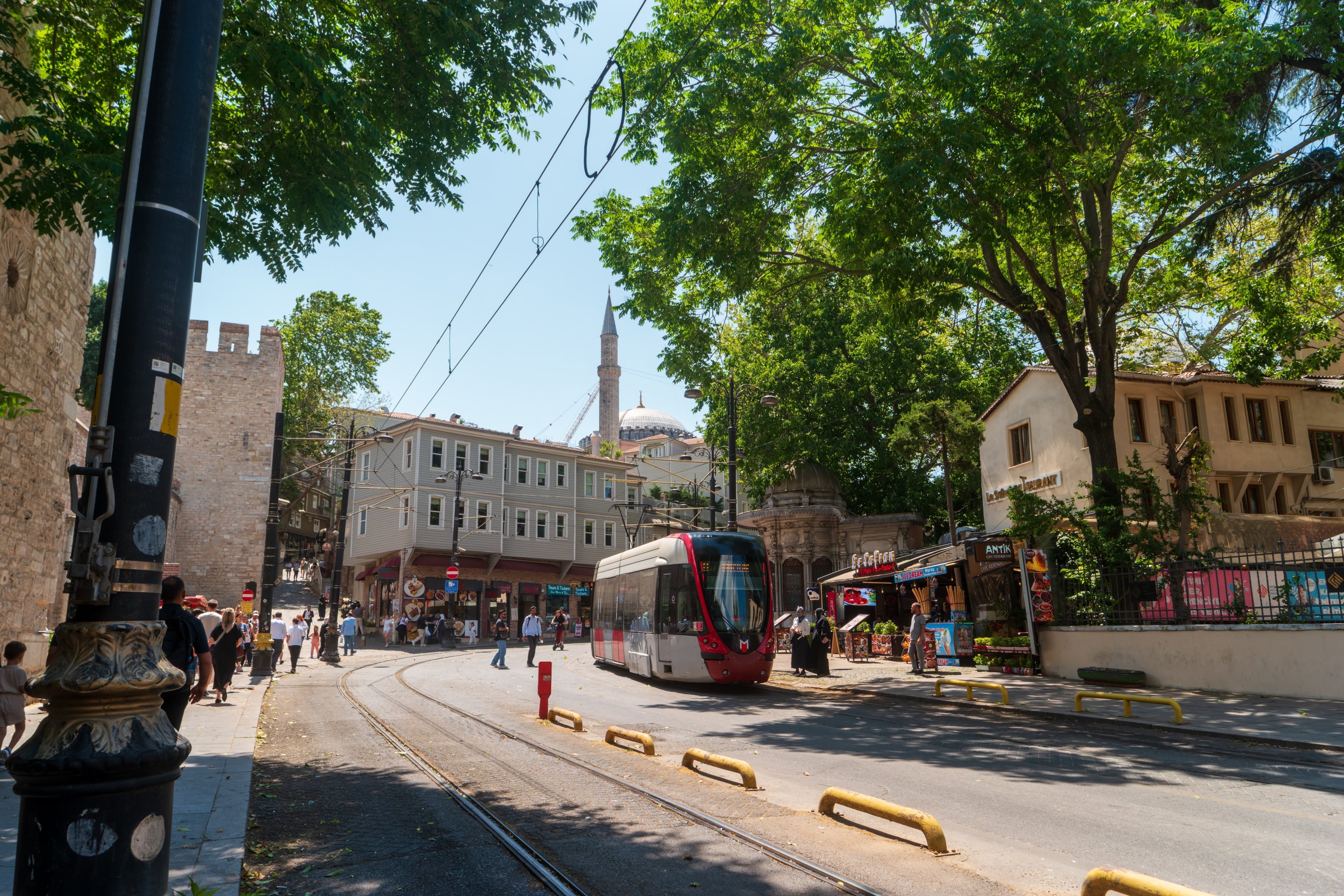
From Istanbul's more than 150-year-old Tunnel funicular to the modern metro systems of Ankara and the tram networks of Izmir, Bursa and Antalya, Türkiye's major cities have developed extensive public transportation networks connecting urban centers, residential districts and major tourist destinations.
From crossing the Bosporus by ferry to taking the metro to Istanbul Airport or riding a nostalgic tram, public transportation offers visitors different ways to move around Türkiye's major cities.
While each major city operates its own network, Istanbul remains the heart of Türkiye's transit system, with an extensive web of metros, trams, buses, ferries and commuter rail linking Europe and Asia.
Istanbul's vast metro network forms the core of the city's public transportation system. With 11 lines, 169 stations and more than 265 kilometers of track, it is one of Europe's largest urban rail systems and continues to expand as new lines and extensions open.
One of the network's busiest transport hubs is Yenikapı station, where passengers can transfer between the M1 and M2 metro lines, Marmaray, regional rail services and ferries. From there, the M2, Istanbul's busiest metro line, runs north through Taksim, Şişli, Levent and Maslak.
Another standout is Marmaray, which allows commuters to travel between Europe and Asia in just minutes, making Istanbul one of the few cities in the world where crossing continents is part of the daily commute.
Another key component of Istanbul's transportation network is Metrobus, a high-capacity bus rapid transit system operating on dedicated lanes along much of its route.
Stretching across the European and Asian sides of the city via the 15 July Martyrs Bridge, Metrobus provides a fast alternative to road traffic and connects with several metro, tram and rail lines.
The network also provides direct rail access to Istanbul's two international airports. The M4 line links Kadıköy with Sabiha Gökçen Airport, while the M11 connects Gayrettepe with Istanbul Airport.
Extended to Halkalı in 2026, the 69-kilometer M11 became Türkiye's longest and fastest metro line, with trains reaching speeds of up to 120 kilometers (75 miles) per hour.
For travelers exploring Sultanahmet, the T1 tram remains one of the most useful lines, linking landmarks including Hagia Sophia, the Blue Mosque, the Grand Bazaar, Eminönü and Galata Bridge.
To use Istanbul's public transportation system, all travelers need is an Istanbulkart, a rechargeable smart card accepted on metros, trams, buses, ferries, funiculars and the Marmaray commuter rail line. The Istanbulkart mobile application also allows users to manage their cards, top up their balance and access digital transportation services directly from their smartphones.
The card can be purchased and topped up at ticket machines, kiosks and convenience stores throughout the city, while contactless bank cards are also accepted on many services.
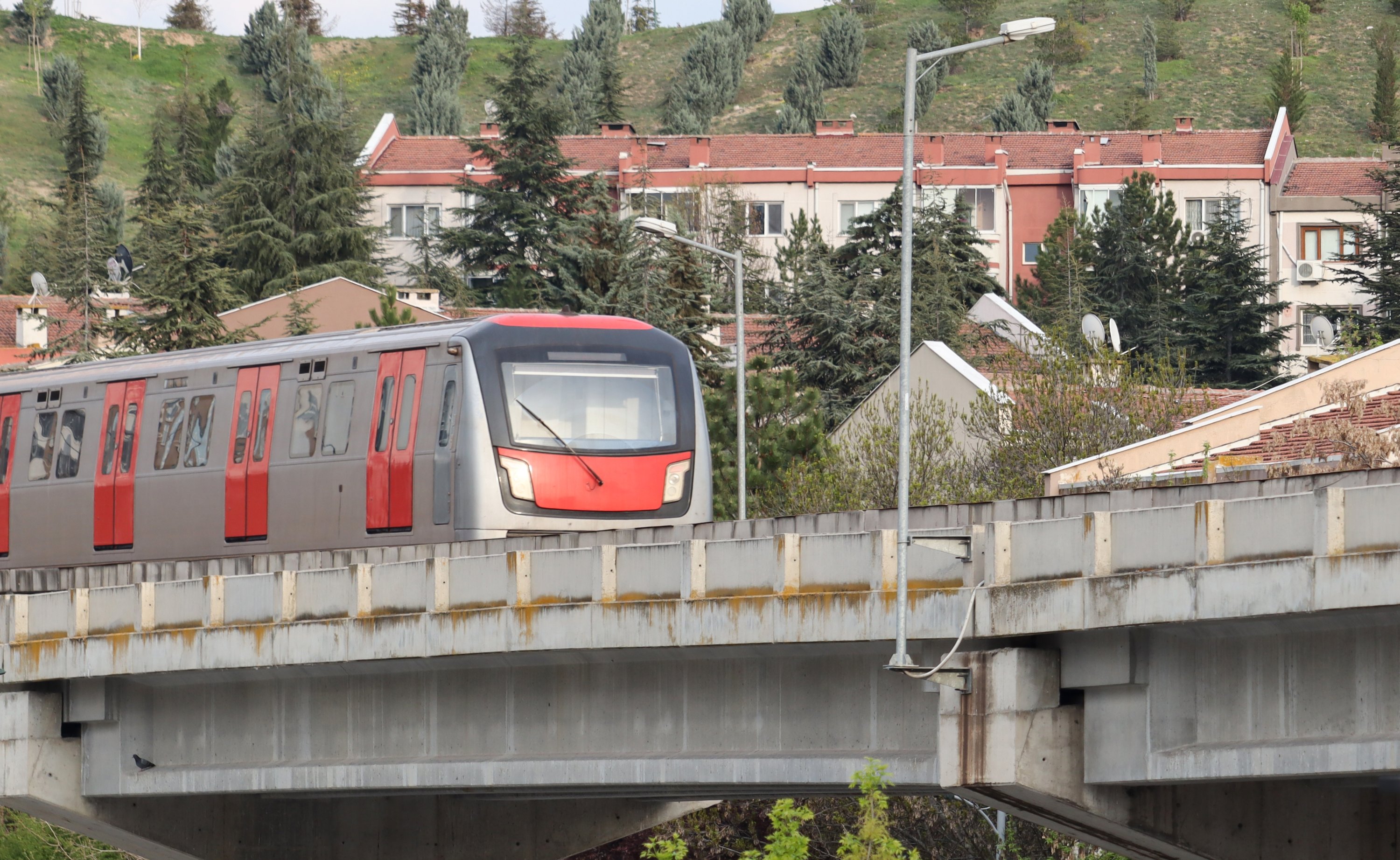
Although smaller than Istanbul, Ankara also offers a public transportation network that makes it easy to visit the capital's main attractions.
The system revolves around four metro lines, the Ankaray light rail line and an extensive municipal bus network. Together, they connect key destinations including Kızılay, Ulus, Anıtkabir, government ministries, universities and shopping districts.
One of the busiest interchanges is Kızılay, where Ankaray meets the M1, M2 and M3 metro lines, allowing passengers to transfer easily across the city. Başkentray, Ankara's suburban rail line, also provides convenient connections between Sincan, the city center and Kayaş.
Visitors can travel across the network using an Ankarakart, which is valid on the metro, Ankaray and city buses.
Izmir, on Türkiye’s Aegean coast, is one of the country’s most popular destinations for domestic and international visitors. Known for its seaside promenade, historic sites and proximity to major attractions such as Ephesus and the coastal towns of the Aegean.
Visitors can take advantage of Izmir’s extensive rail network, which combines metro, modern tram and suburban rail services. The Izmir Metro provides rapid transit across major parts of the city, while tram lines serve key urban corridors in Konak, Karşıyaka and Çiğli.
IZBAN, meanwhile, connects northern and southern parts of the metropolitan area.
Adana, in southern Türkiye, has a metro line running along a north-south route through the city. The line includes elevated and surface sections and connects residential districts with the city center and major public facilities.
Passengers can use an AdanaKart, the city's public transportation card, on the metro and other municipal transport services.
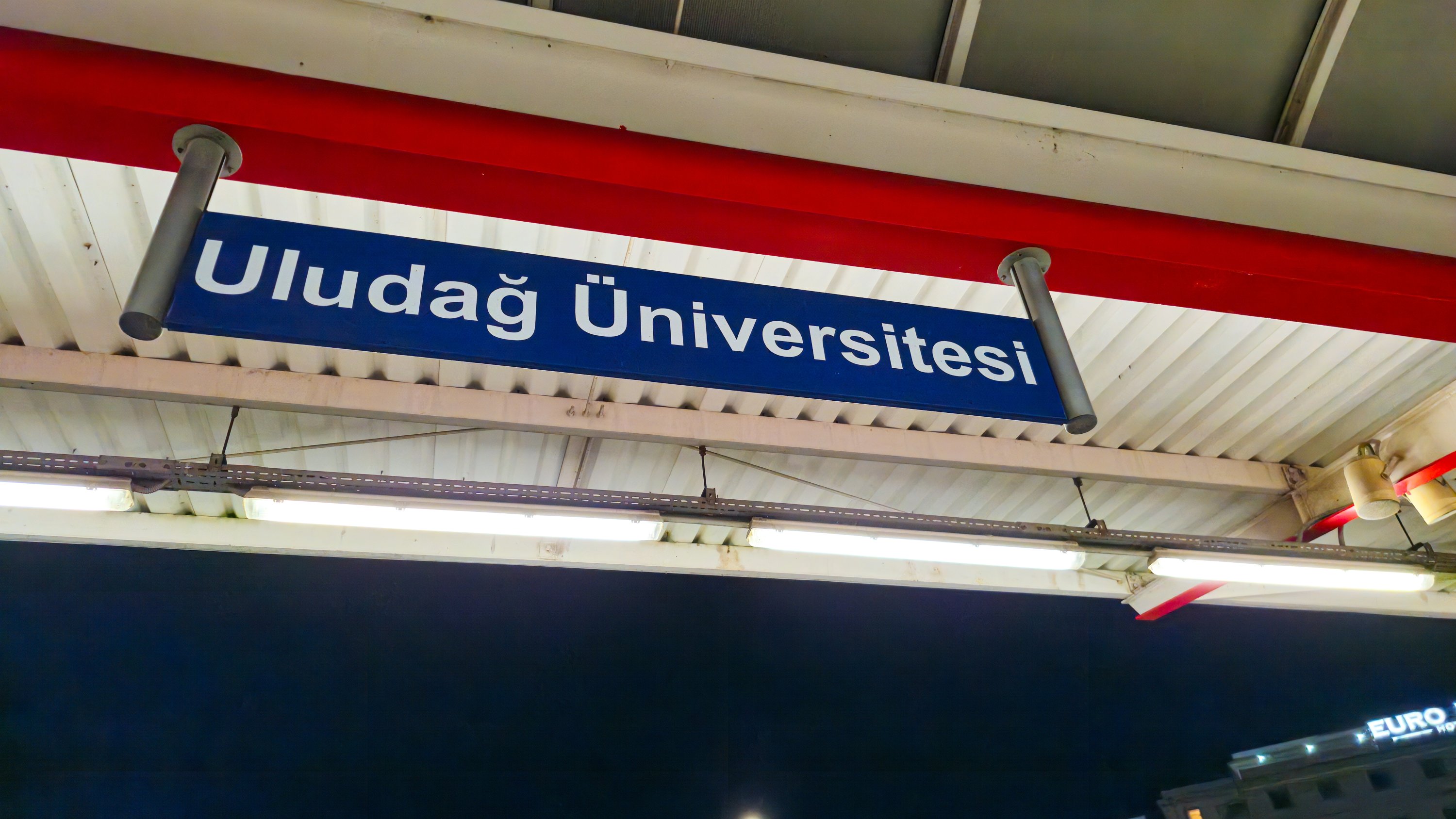
Bursa, located in northwestern Türkiye at the foothills of Mount Uludağ, is known for its Ottoman-era heritage, historic bazaars and proximity to the popular winter resort of Uludağ.
The city operates BursaRay, a light-metro-style system that forms the backbone of its urban rail network. The system connects major residential, commercial and employment areas across the city and is complemented by BurTram, a tram network serving central parts of Bursa.
Visitors can use a BursaKart to travel across the city's public transportation network, including BursaRay, trams and municipal buses.
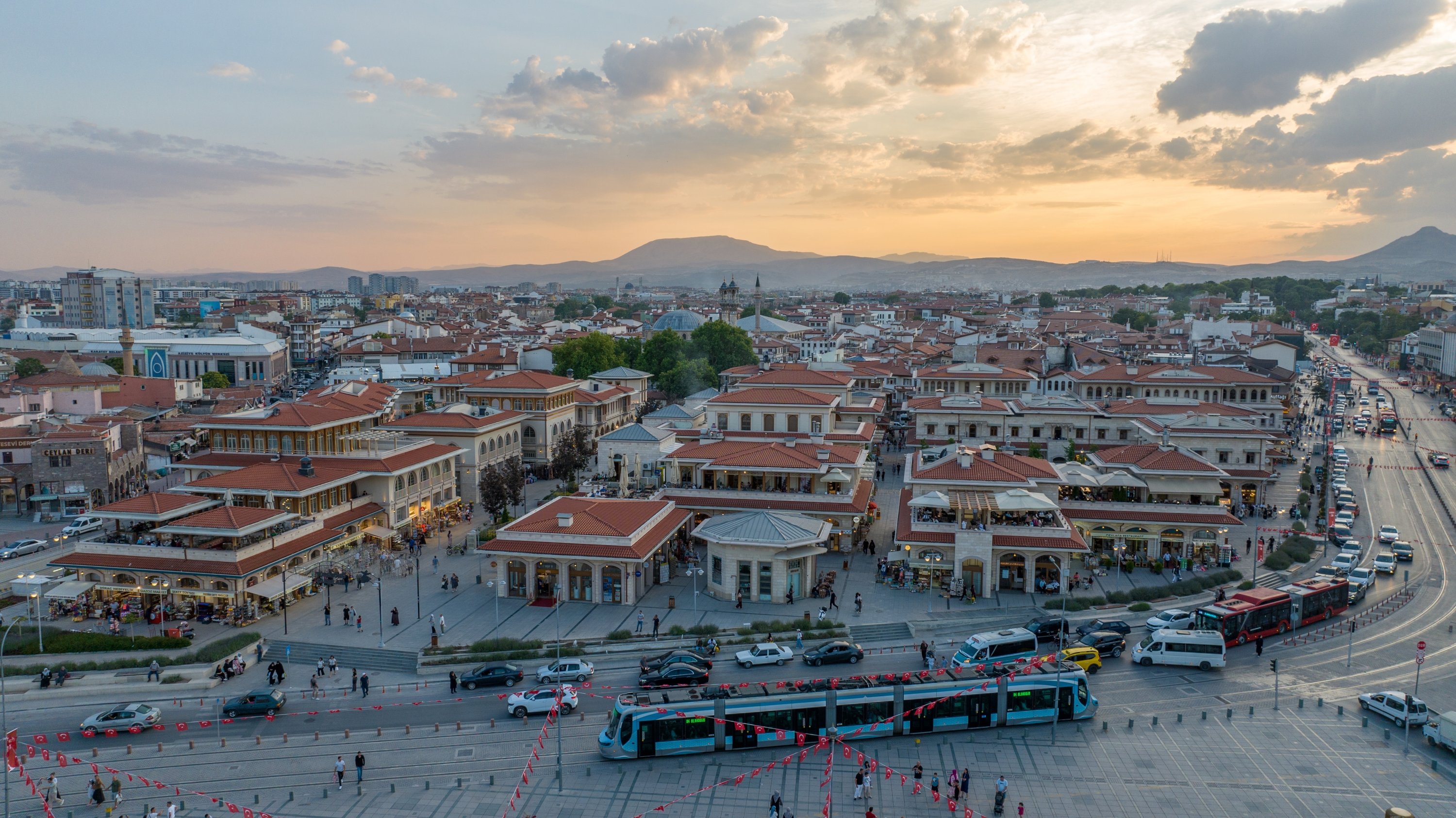
Konya, in central Türkiye and closely associated with the 13th-century poet Mevlana Jalaluddin Rumi, has an extensive tram network connecting the city center with residential districts, universities and major public institutions.
The network also provides access to the city’s historic center, including the Mevlana Museum, where Rumi’s tomb is located. The museum is one of Konya’s main cultural attractions and can be reached by tram, bus and minibus.
Passengers can use a Konya Elkart on the city's trams and buses. The card can be purchased and loaded at authorized sales points and kiosks, while contactless payment options are also available on some services.
Antalya, on Türkiye's Mediterranean coast, has two urban rail systems. The Antray light rail network connects the city center with Antalya Airport and the Expo area, while a separate nostalgia tram runs through central and coastal parts of the city.
Visitors can use the rail network to reach the airport and several major parts of the city, including areas popular with tourists. Passengers can use an Antalyakart on Antray, trams and municipal buses, with the rechargeable card available at authorized sales points and top-up machines across the city.
Eskişehir, in northwestern Türkiye, is known for its historic Odunpazarı district, universities and riverside city center. The city operates the EsTram modern tram network, with lines connecting the city center to residential neighborhoods, universities and commercial areas.
The tram also provides access to several of the city's main attractions, making it a convenient option for visitors exploring the center and surrounding districts.
Passengers can use an Eskart on EsTram and other public transportation services in the city.
Kayseri, in central Türkiye, is known for its Seljuk-era heritage and its location near Mount Erciyes, one of the country's major winter sports destinations.
The city operates Kayseray, a light rail and tram network connecting the city center with residential districts and major public and commercial destinations.
Passengers can use a Kayserikart on Kayseray, trams and municipal buses.
Samsun, on Türkiye’s Black Sea coast, is known for its waterfront and Bandırma Ferry Museum. The city operates a light rail system running along an east-west corridor, connecting the city center with residential districts, Ondokuz Mayıs University and other major destinations.
Passengers can use a Samkart on the light rail system, municipal buses and other public transportation services in Samsun.
Gaziantep, in southeastern Türkiye, is known for its rich culinary heritage, historic old town and UNESCO-listed gastronomy.
The city operates a modern tram network alongside Gaziray, an urban and suburban rail system. The tram connects several parts of the city, while Gaziray links the city center with surrounding districts along a wider metropolitan corridor.
Passengers can use a GaziantepKart on the city's trams, Gaziray and municipal buses.
Kocaeli, in northwestern Türkiye along the Gulf of Izmit, is an industrial and transportation hub located east of Istanbul. Its main urban rail system is Akçaray, a modern tram network operating in Izmit.
The line connects residential areas with the city center, commercial districts, public institutions and major transportation hubs, including Izmit Bus Terminal.
Passengers can use a Kocaelikart on Akçaray, municipal buses and other public transportation services in Kocaeli.