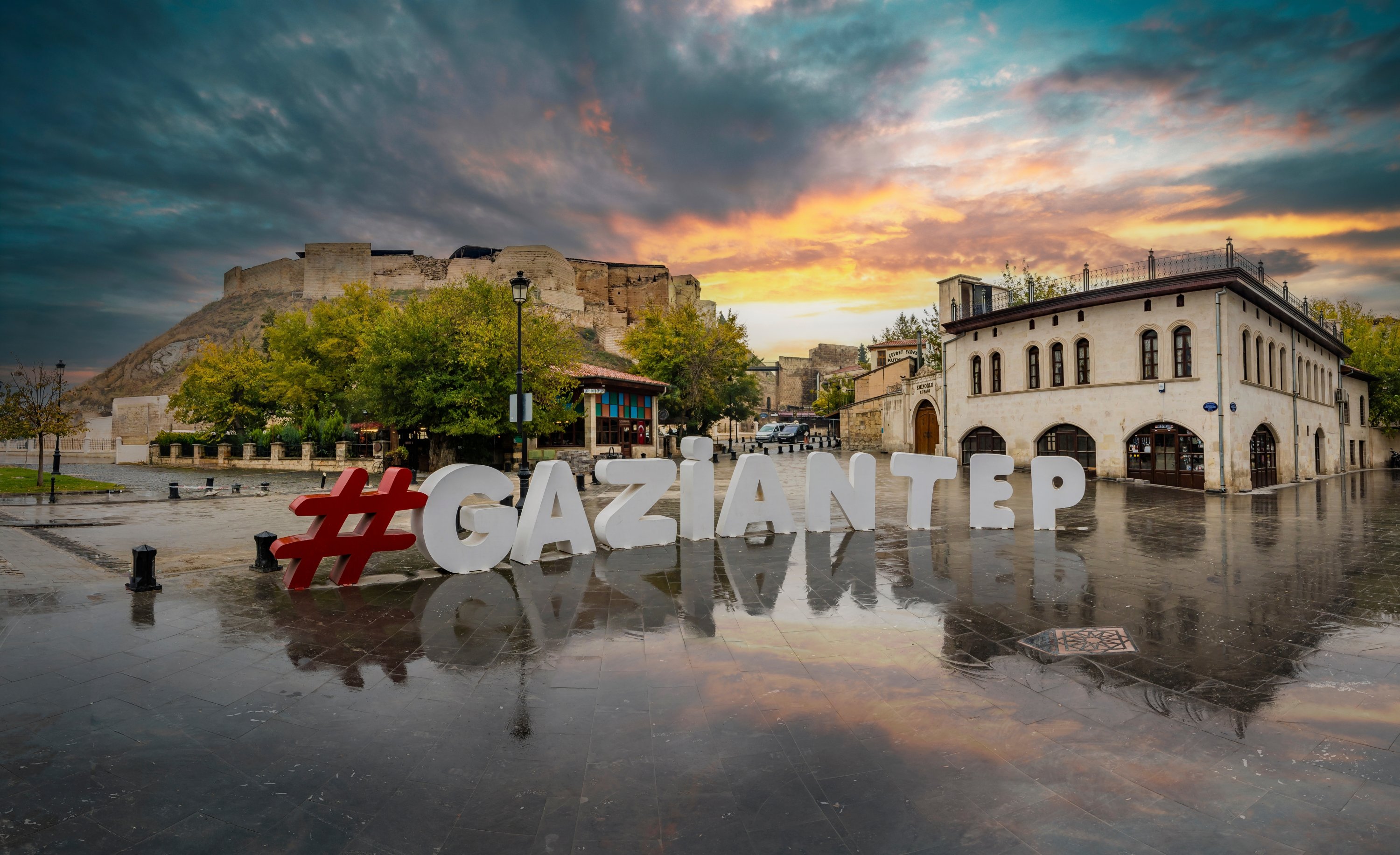
Whether you are an adventurous traveler or simply looking for a relaxing holiday, if you have not yet visited Türkiye's "food capital," a UNESCO Creative City of Gastronomy, and the jewel of southeastern Anatolia, it is time to pack your bags.
I experienced Turkish hospitality the moment I arrived at the airport. Ali Küncülü, a Gaziantep-born Swedish resident, kindly offered me a comfortable ride to the hotel in the city center.
Gaziantep is a fascinating blend of ancient history, world-renowned gastronomy, Roman mosaics, centuries-old stone bazaars, legendary pistachio desserts, traditional Turkish baths and countless remarkable attractions.
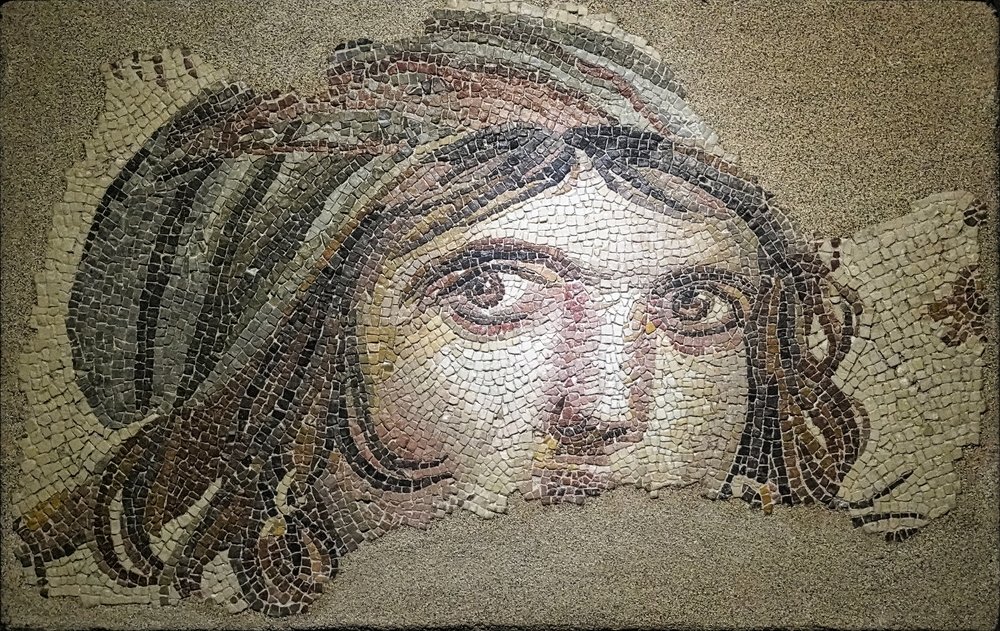
In 2023, I explored Gaziantep's historic treasures, including its majestic mosques, fortress, centuries-old bazaars and museums. This time, however, I wanted to experience the city's community spirit. What followed became an unforgettable travel memory.
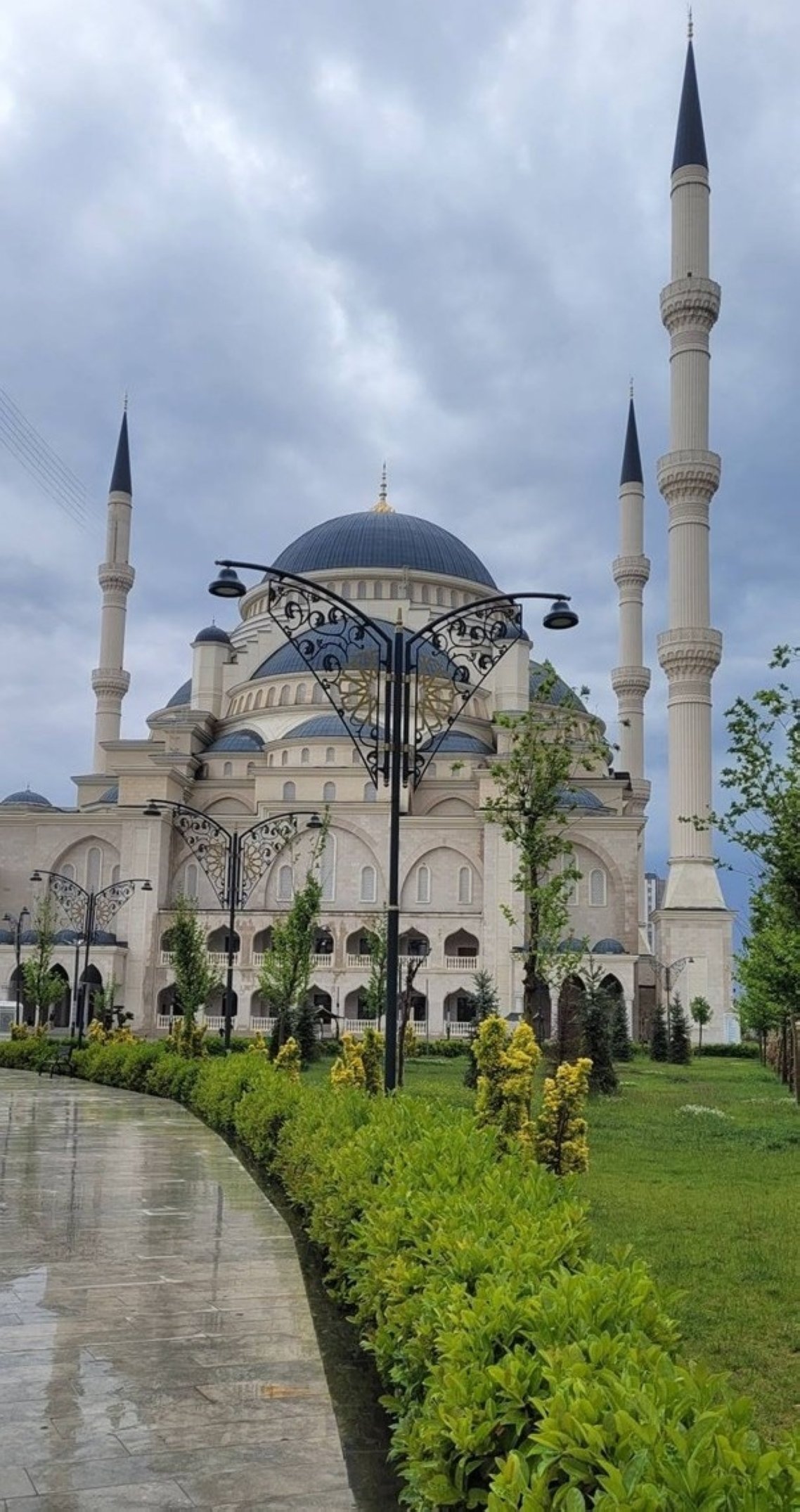
Şahinbey Millet Camii (Millet Mosque) beautifully reflects Islamic architectural traditions while incorporating modern facilities designed to serve the entire community. The city's electric tram provides convenient access, with a stop located directly beside the mosque. As I stepped off the tram, I noticed a young female driver confidently operating the vehicle – a reflection of modern Türkiye.
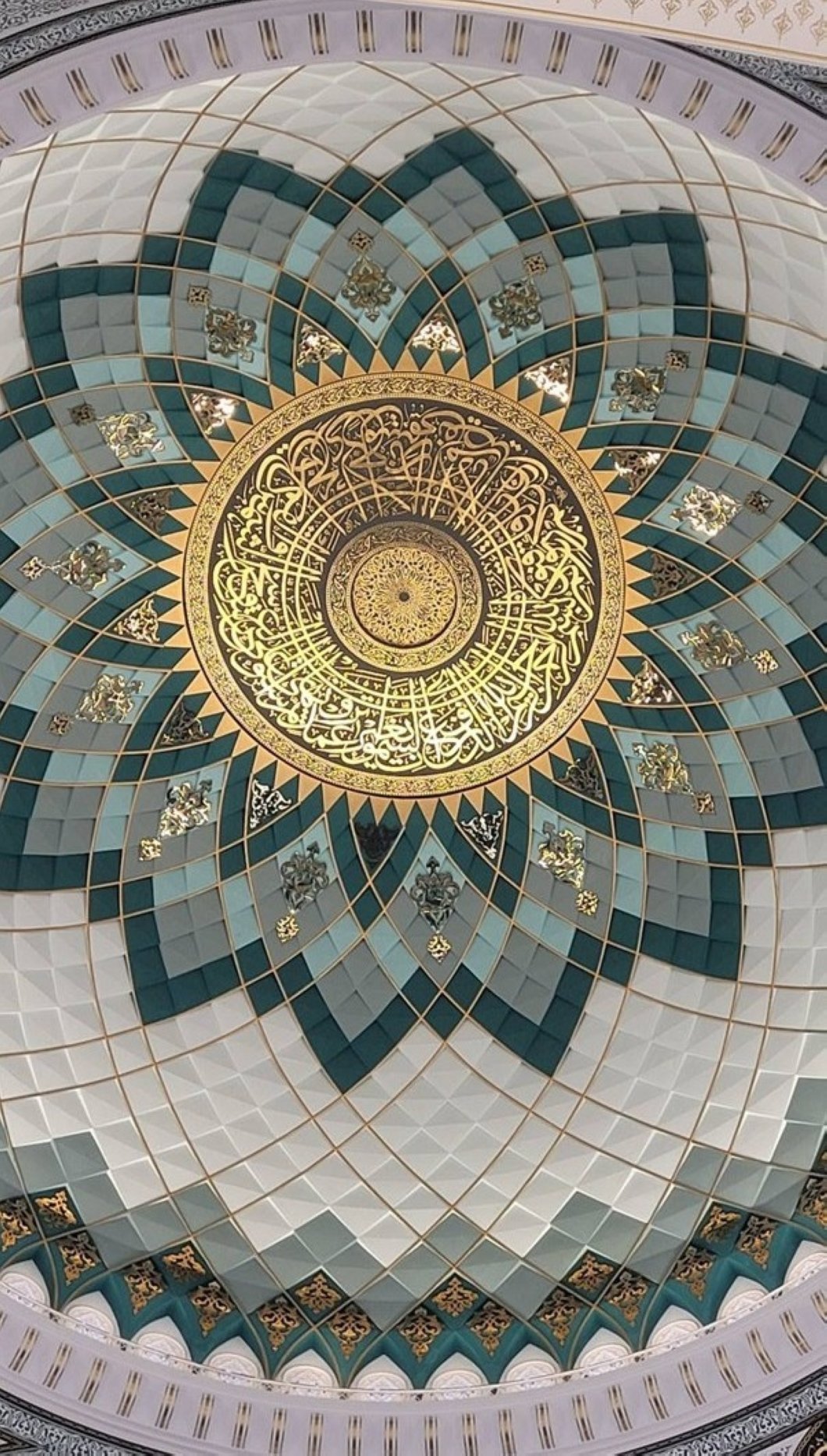
The mosque offers a wide range of community facilities, including spaces for marriage ceremonies (nikah), condolence gatherings, children's play areas, cafes, souvenir shops and vendors dressed in traditional Ottoman-style attire. These tea sellers, known as çaycı, are a familiar sight around tourist attractions, serving freshly brewed Turkish black tea while proudly preserving Ottoman traditions.
Later, around Gaziantep University, I noticed that many neighbourhood mosques follow a similar community-centered design. They provide separate seating areas for women and children, outdoor exercise equipment, playgrounds, green spaces, ablution and restroom facilities, cat shelters and social gathering areas.
Among the many features that make Gaziantep such a vibrant and modern city to visit, study or retire in are its people-friendly municipal services. I personally witnessed free tram and public transport during Eid celebrations, comfortable public spaces around parks, hospitals and city centers for people observing Ramadan, discounted municipal markets held every Saturday across the city's districts, and Diyanet centres equipped with study-friendly facilities.
While exploring the city, I learned that Şahinbey Municipality provided food assistance to more than 28,000 low-income families during Ramadan.
Gaziantep continues to develop rapidly. The upscale district of Gazi Osman Paşa features Prime Mall, modern high streets, international brands, thriving businesses and impressive new developments, including the luxurious Iconova residential skyscraper complex.
Its seven iconic towers feature distinctive geometric rooftops that, from above, are said to resemble the Arabic calligraphy of the name Allah. Gaziantep native Husameddin Musab Destan explained the city's growing investment potential, highlighting its strategic location at the crossroads of regional trade.
Destan showed me several newly developed residential districts, including Ibrahimli, whose modern skyline resembles parts of Dubai and Abu Dhabi. During our journey, we also discussed the remarkable history of Turkic peoples, whose influence stretches from Bosnia-Herzegovina, Serbia and Hungary to China, Pakistan and India, where Turkic dynasties once established powerful kingdoms.
Recent geopolitical developments, including conflict involving Iran and the voluntary return of many Syrians to help rebuild their country, have created new opportunities for businesses operating between Syria and Türkiye. Gaziantep, located near the border, is well positioned to benefit from these changing economic dynamics.
President Recep Tayyip Erdoğan's recent investment incentives and tax benefits for foreign investors further signal Türkiye's commitment to attracting international business. Combined with Mayor Fatma Şahin's long-term vision of transforming Gaziantep into a regional economic hub, these policies continue to stimulate growth in the city's property and construction sectors.
A stroll through Gaziantep reveals cafes and restaurants named after famous European cities, reflecting the city's cosmopolitan character. The city is highly tourist-friendly; visitors can simply press the yellow buttons installed on roadside poles to summon a taxi.
Tourists should note that taxis charge a minimum fare of approximately TL 200 ($4) regardless of distance, with fares displayed on the meter. Using Google Maps to plan journeys is therefore highly recommended.
Stray cats are an integral part of life in Gaziantep. Friendly and well cared for, they often wait outside supermarkets and restaurants, where regular customers feed them. It is common to see residents leaving bags of bread beside rubbish bins for animals, reflecting the city's strong culture of sustainability and compassion.
Despite the warm atmosphere, visitors should remember that smiling at strangers is less common than in places such as Yorkshire. It is not considered rude. Rather, it reflects local customs and social traditions.
Turks enjoy gathering over coffee or tea, particularly in the evenings. Nearly every cafe, restaurant and tea house is filled with people, especially around weekends and near the university district.
Many establishments are decorated with themes inspired by Turkish history and culture. Bread is rarely baked at home. Instead, each neighborhood typically has traditional clay ovens producing a wide variety of breads, including lavaş, simit, katmer, full-grain breads and wheat bread. I also visited popular student restaurants, including Gözde Kebap.
The Turkish Ministry of Agriculture has recently promoted its Whole Wheat Bread Campaign to encourage healthier eating habits. Baking traditions remain deeply rooted in Turkish society. Families often prepare large pots filled with meat and vegetables before taking them to neighborhood ovens, where they are professionally baked for a modest fee.
Like many European countries, Türkiye has a deep passion for football. During April and May 2026, I witnessed Gaziantep FK supporters celebrating their club's victories by waving flags and chanting enthusiastically throughout the city.
While walking through Gaziantep's neighbourhoods, my host, Syrian English teacher Fatema Zahra Salem, shared fascinating stories about mixed marriages and the emergence of a unique Syrian-Turkish cultural identity. Through her, I met several Turkish entrepreneurs working in partnership with Syrian businesspeople.
Together, we enjoyed lahmacun, yalanji (stuffed vine leaves), stuffed grape leaves and many other dishes that beautifully combine Syrian and Turkish culinary traditions.
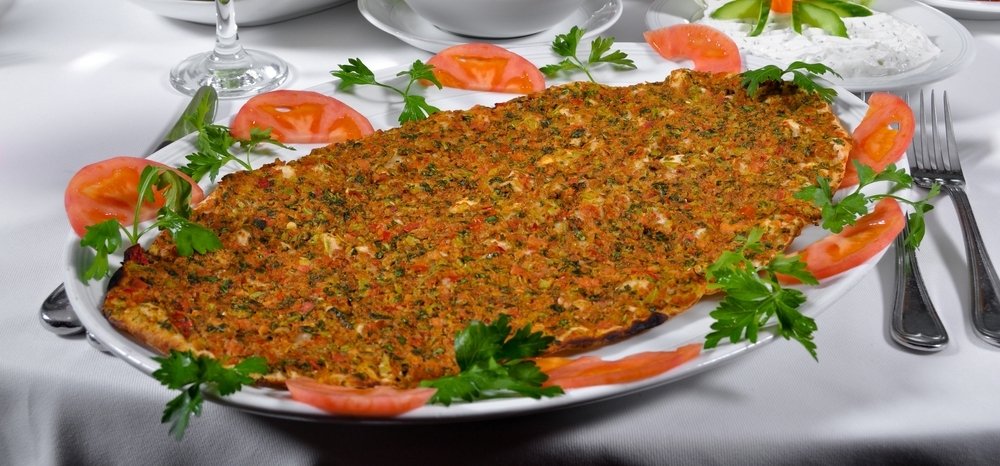
Today, dishes such as kebab, şiş köfte and halwa remain living reminders of the cultural exchanges that flourished under Turkic dynasties across South Asia, Central Asia, the Middle East, Eastern Europe and the Balkans. Their influence continues to shape food, language, clothing and customs across these regions.
I also met Gaziantep's respected scholars and welcoming hosts, Hanifi Çanakcı and Hasan Aksut. The city proudly honors its historical figures, whose statues can be found throughout its streets and public spaces.
Gaziantep remains a second home to thousands of Syrians, many of whom will one day serve as informal ambassadors for Türkiye abroad. Although the return of many Syrian refugees has affected parts of the local economy, it has also created new opportunities in construction, trade, and services. As Türkiye's gateway to Syria, Gaziantep continues to offer significant investment potential.
Gaziantep's growing reputation as one of the world's leading tourist destinations reflects the vision and leadership of its first female reelected mayor, Fatma Şahin, who previously served as a Cabinet minister and now chairs several national platforms.
During my visit, I admired the city's libraries, universities, modern shopping centers, beautifully designed parks, colorful amusement facilities and elegant mosques. Above all, Şahinbey Millet Mosque stands as a magnificent reminder of the grandeur of the Ottoman Empire, symbolizing its architectural excellence, nation-building tradition (millet) and enduring cultural legacy.