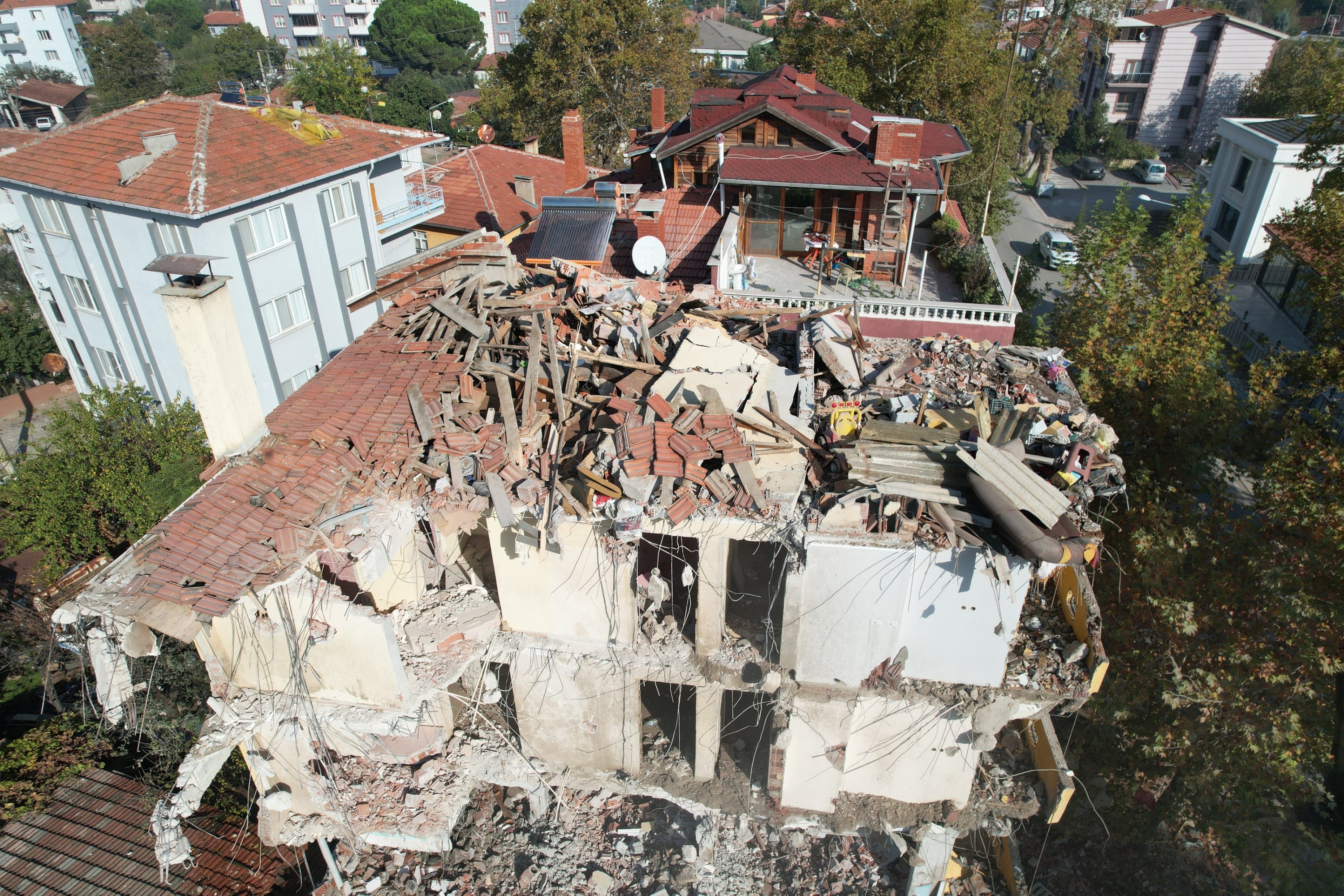
More than 15,000 earthquakes have been recorded in the Sındırgı district of Balıkesir in western Türkiye over the past three months, representing nearly 60% of the country’s average annual seismic activity, according to associate professor Bülent Özmen, a disaster management expert at Gazi University.
Özmen described the intense sequence of seismic events as an “earthquake storm,” noting that it followed two major earthquakes measuring 6.1 magnitude each, which struck the region on Aug. 10 and Oct. 27. These large quakes were accompanied by numerous aftershocks and the two main shocks are being characterized as “twin earthquakes” due to their similar magnitude and close timing.
“The occurrence of successive earthquakes of comparable strength within a short timeframe is a rare and significant phenomenon,” Özmen said. He highlighted that the region’s seismic activity is attracting close scientific attention, with the General Directorate of Mineral Research and Exploration (MTA) and the Disaster and Emergency Management Authority (AFAD) conducting comprehensive field investigations.
The expert explained that the earthquakes in Sındırgı show hybrid characteristics, triggered by both tectonic movements and magma intrusions, which have led to a heightened state of geological tension in the area. Despite the large number of tremors, no visible surface ruptures were detected during the magnitude 6.1 quakes, though underground faulting stretching approximately 30 kilometers (18.6 miles) was identified. Minor ground subsidence of up to 10 centimeters was also noted in some locations.
Sındırgı lies along the Simav Fault Zone, known for its historical seismic risk. The fault has the potential to generate earthquakes reaching a magnitude of 7, according to Özmen.
Following the seismic events, authorities declared the district a “Disaster Zone Affecting General Life,” a designation that enables expedited rent support, temporary housing, demolition and relief efforts. Özmen emphasized the importance of this status in facilitating coordinated disaster response by the local government, AFAD and relevant ministries.
He also urged residents to remain calm amid the ongoing tremors, warning that aftershocks may persist for some time. “People should avoid entering or staying near damaged buildings and they should follow updates only through official channels such as the Balıkesir Governor’s Office, AFAD, or the Ministry of Interior,” Özmen advised. Citizens whose properties have not yet been assessed are encouraged to promptly apply for damage inspections.