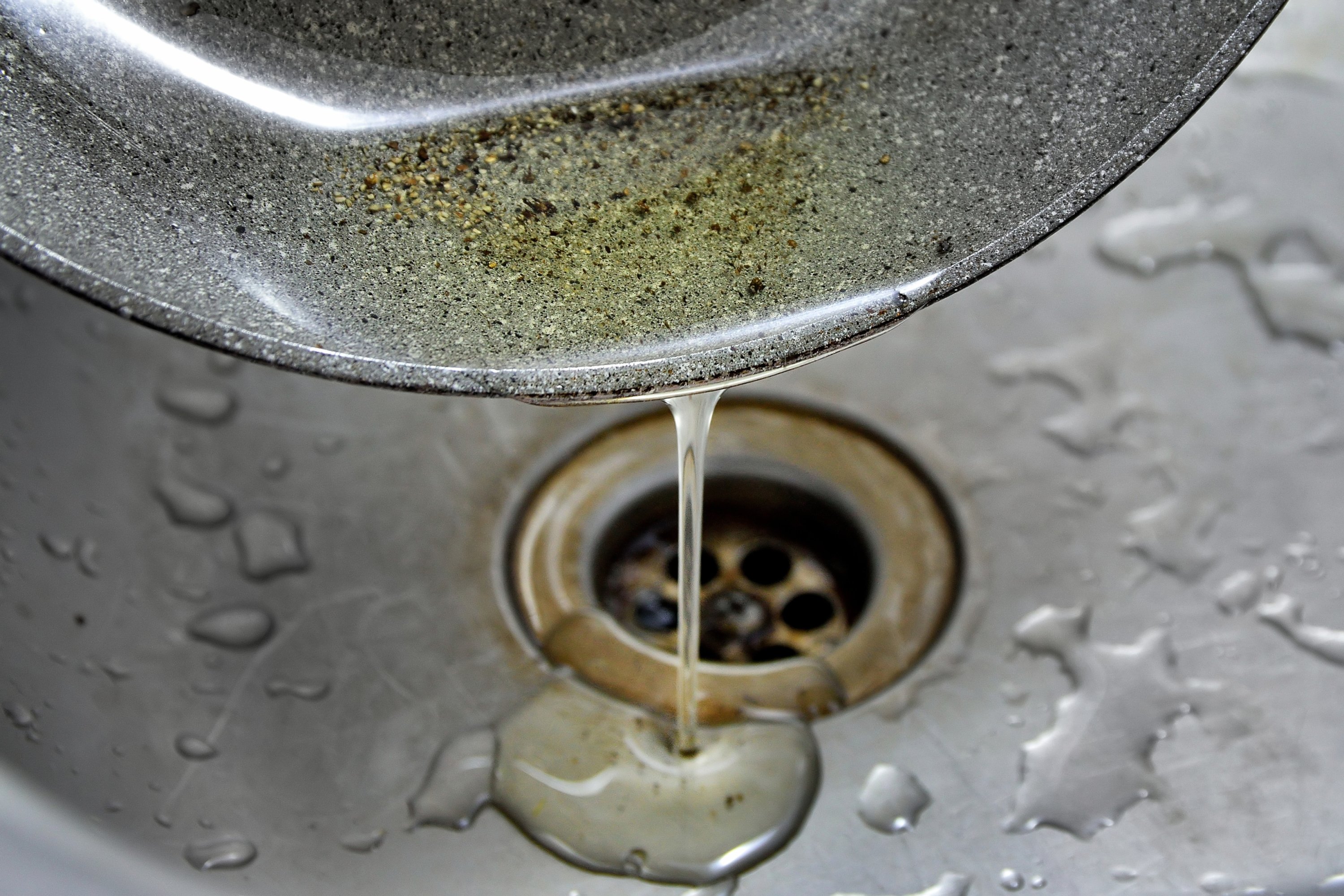
The globally recognized Zero Waste Movement, spearheaded under the leadership of Emine Erdoğan, is entering a new phase aimed at curbing environmental pollution. As part of the initiative, the disposal of waste vegetable oils into household sinks will be strictly prohibited, with municipalities tasked with collecting these oils from residences.
In line with the principle that “the seller is accountable for the oil,” retail outlets will accept waste oils brought by consumers in sealed containers and transfer them to licensed biorefineries or designated collection points. All oil packaging will prominently feature the advisory: “Do not pour used oils into the sink.”
The Ministry of Environment, Urbanization, and Climate Change has revised the “Regulation on the Management of Vegetable Waste Oils” draft, which was prepared to ensure that vegetable waste oils generated in households are managed without harming the environment.
According to the updated draft, vegetable waste oils from households must not be poured into sinks, sewers, the sea, soil or any other receiving environment. Homeowners are required to deliver used frying oils, cooking oils and vegetable oil residues to municipal collection systems, collection points, waste drop-off centers, mobile waste collection centers or sales points.
Municipalities must establish systems to collect waste oils from households and set up collection points and mobile centers. Sales points, such as markets, must accept waste oils brought by citizens in leak-proof containers and deliver them to licensed facilities.
All vegetable oil packaging, including sunflower, olive, corn and hazelnut oils, will carry the warning, “Do not pour used oils into the sink.”
Collected waste oils will only be sent to licensed biorefineries and vegetable waste oil transfer points and will be used in the production of biodiesel and sustainable aviation fuel (SAF). It will be prohibited to blend these oils directly into fuel, use them as cooking oil, or incorporate them into feed or cosmetic production.
Businesses such as restaurants, hotels and food factories will be considered “vegetable waste oil producers” and must have at least a one-year contract with the biorefinery or transfer point where their waste oils will be processed.
Vegetable and animal oils become “waste” after cooking and can cause significant environmental problems. Research indicates that pouring one liter of waste oil into a sink can contaminate one million liters of clean drinking water, which is equivalent to wasting the annual drinking water supply of approximately 15 people. Waste oils account for 25% of household water pollution.