Türkiye is seeking to accelerate climate action by addressing funding barriers that can delay projects for years, as it prepares to host the 31st Conference of the Parties to the United Nations Framework Convention on Climate Change (COP31).
Speaking to Daily Sabah, Fatma Varank, deputy environment, urbanization and climate change minister and COP31 chief executive officer (CEO), said financing remained a major challenge for countries seeking to implement climate projects, particularly least-developed countries that lack the technical capacity to prepare and manage them.
“Finance is a challenge for virtually every country, whether developed, developing or least developed. However, the difficulties faced by the least-developed countries are often much more severe,” Varank said.
Even countries with strong technical expertise can face lengthy procedures before projects begin. Preparing projects, signing consultancy agreements and completing procurement and tender procedures can take four to five years.
“That is an extremely long period. We need to shorten these procedures. Even we, despite our capacity, experience difficulties in getting projects implemented quickly,” she said.
Türkiye has developed a Climate Implementation Bridge to connect viable climate projects with public and private financial institutions, directing funding toward initiatives that reduce emissions, strengthen resilience and improve countries’ ability to adapt to climate change.
By COP31, Türkiye hopes to complete the first reporting on five pilot countries and begin matching financing packages with projects.
“When Türkiye secured the COP presidency, we established our objective from the outset. We stated it in our very first letter: we would organize an Implementation COP,” Varank said.
Türkiye has established six measurable targets under its COP31 Action Agenda for 2035. They include raising the share of electricity in final energy consumption to 35%, halving the projected increase in waste generation, reducing energy intensity in buildings by 25%, increasing the circular material use rate in industry to 15%, promoting climate education for everyone and connecting climate projects with financing through the Climate Implementation Bridge.
“We have become an extremely consumption-oriented society, and waste continues to increase. However, it is possible to reduce this growth,” Varank said.
She estimated that achieving the targets could reduce projected global emissions in 2035 by approximately 20% to 25%. However, the interview did not explain how the figure was calculated, and the estimate could not be independently confirmed for this report.
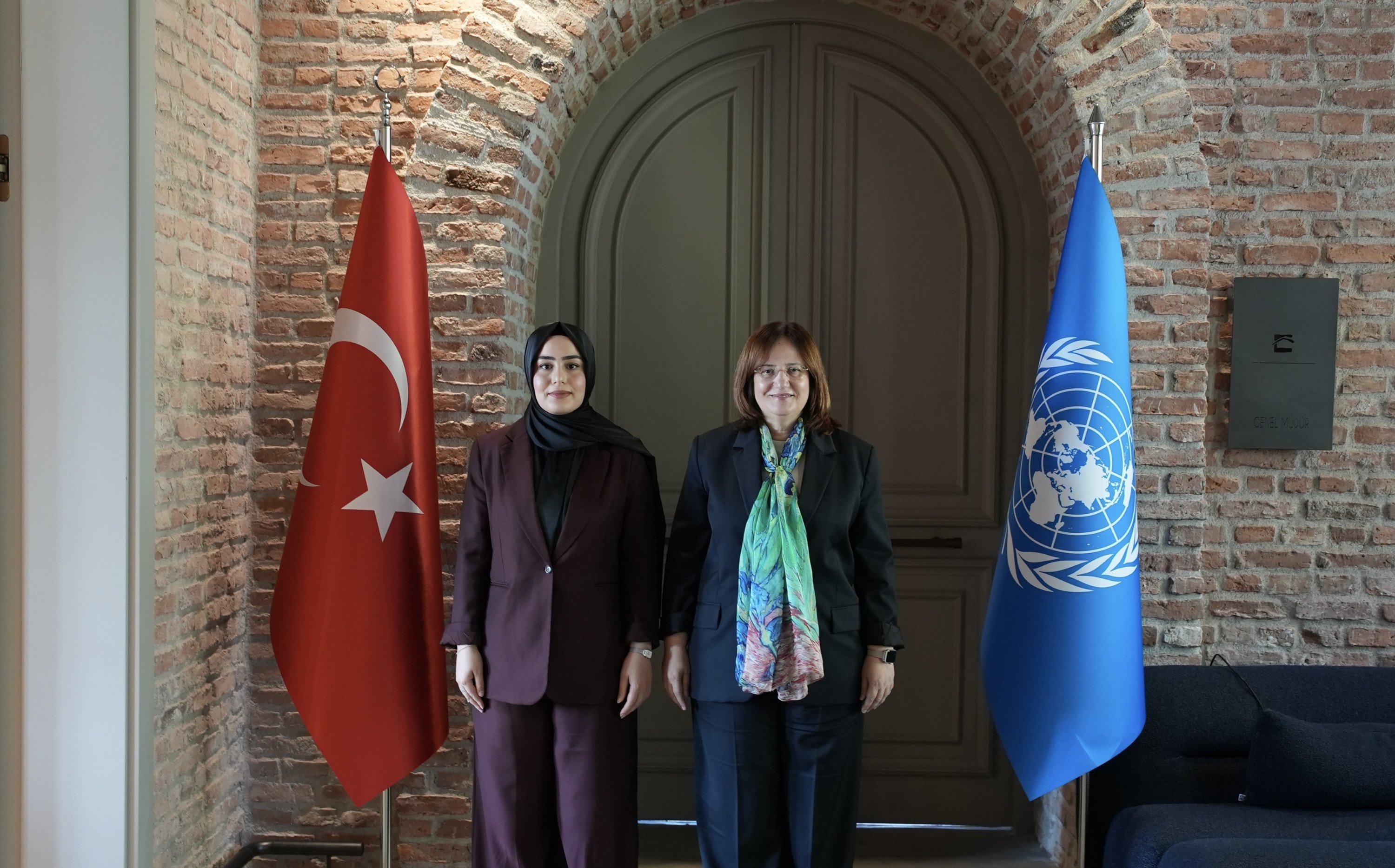
Varank said young people, women and children were key priorities in Türkiye’s COP31 agenda, with a focus on raising climate awareness and enabling young people to take an active role in the conference and climate initiatives.
“We want young people to be at the centre of this COP. They should genuinely participate in the conference and have a role in shaping its decisions.”
Türkiye’s Climate Ambassadors project has been bringing together university students from across the country for seven years. Varank said participants would take part in COP31 activities, including negotiation sessions, side events and other initiatives.
Türkiye has allocated more than 2,000 square meters (over 21,525 square feet) in the Green Zone for young people to organize their own activities. Dedicated spaces have also been provided for youth in the Green and Blue Zones.
Three ministries, the Ministry of Youth and Sports, the Ministry of National Education (MEB) and the Ministry of Family and Social Services, are developing initiatives focused on young people, women and children, with some projects prepared in cooperation with UNICEF and other international organizations.
Varank said the ministries planned to present the outcomes of these projects during COP31. Young people will also have a dedicated plenary session, while children and students who take part in debates throughout the year will have the opportunity to present their conclusions.
Varank also stressed the importance of building ties between young people from different countries, arguing that personal connections can help bridge divisions that persist at the political level. She pointed to the power of youth-led mobilization around the war in Gaza as an example of young people bringing attention to issues that cross national borders.
Varank highlighted the climate risks facing Pacific island nations during discussions at the Pre-COP meeting held in Fiji ahead of COP31, emphasizing the need for greater support for their adaptation efforts.
The meeting focused on ocean protection, island resilience and climate finance. A declaration prepared by Fiji’s organizers is being considered for inclusion in the COP31 process. Varank also pointed to a Pacific fund aimed at strengthening island nations’ resilience and bringing greater international attention to their needs.
Varank said preparations for COP31 were progressing well and intensifying as the conference approached. Türkiye expects around 100,000 visitors to attend the global climate summit.
Varank said COP31 should address the environmental consequences of armed conflicts, including emissions from bombing campaigns and the destruction of cities and infrastructure.
“On the one hand, countries announce their commitments to reducing emissions and monitor their progress through transparency reports submitted every two years. On the other hand, bombing campaigns continue, leaving countries and cities devastated. These conflicts also have an emissions footprint. Their negative consequences for the climate are clear,” she said.
Varank also said Türkiye could help bridge differences between developed and developing countries through its diplomatic ties and geopolitical position. She linked Türkiye’s electrification target to broader efforts to strengthen energy security and help countries become more self-sufficient in meeting their energy needs.