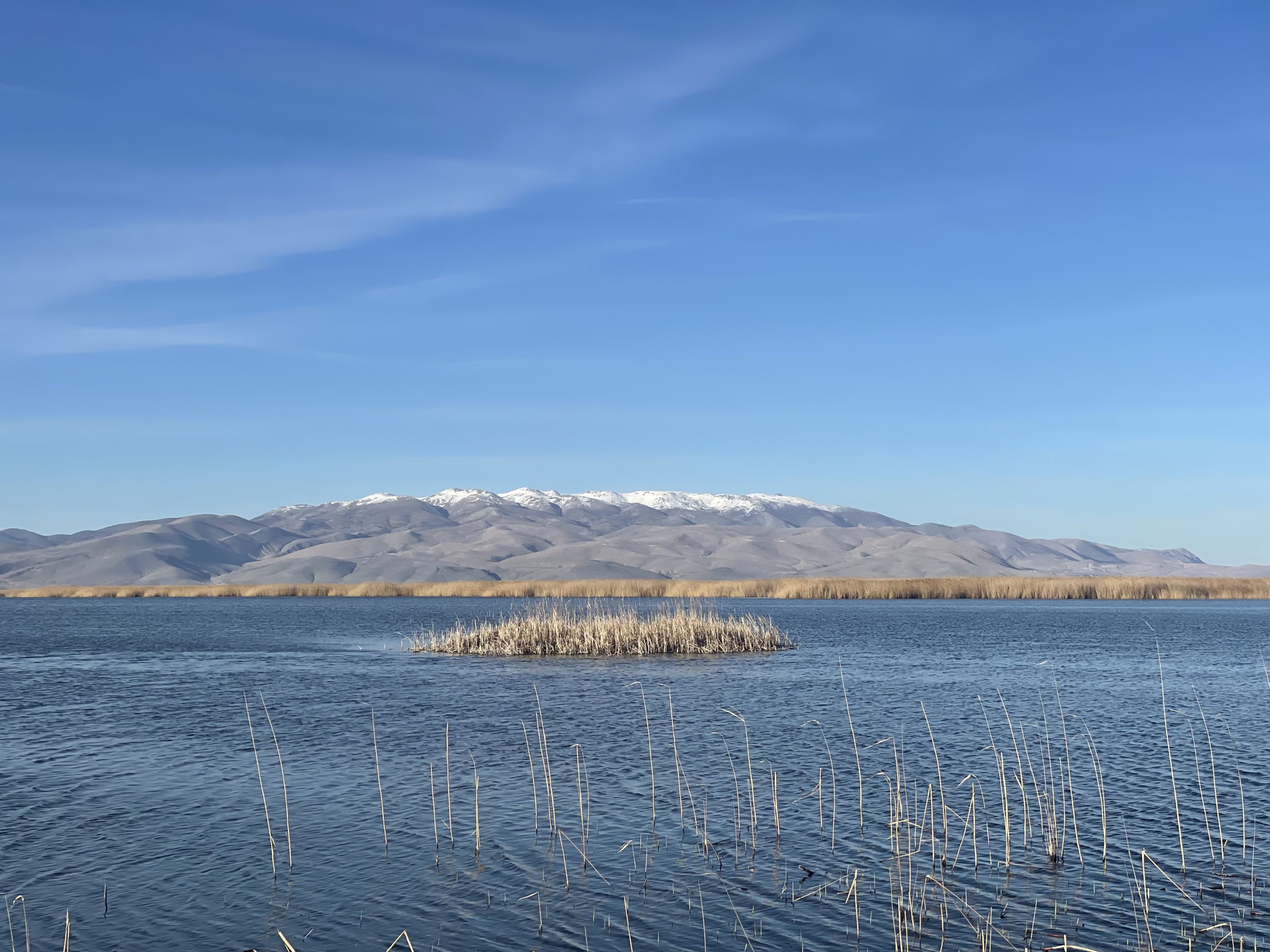
Eber Lake, located in Afyonkarahisar in western Türkiye, is among the country’s most significant wetlands and an essential freshwater resource for the surrounding region.
Positioned between the districts of Çay, Bolvadin and Sultandağı, the lake has long played a central role in both the ecological balance and the economic life of nearby communities.
During a press conference held on Sunday at Eber Lake, the Zero Waste Foundation launched a field program in the area, combining environmental assessment efforts with a broader call for cooperation to protect the lake’s ecosystem.
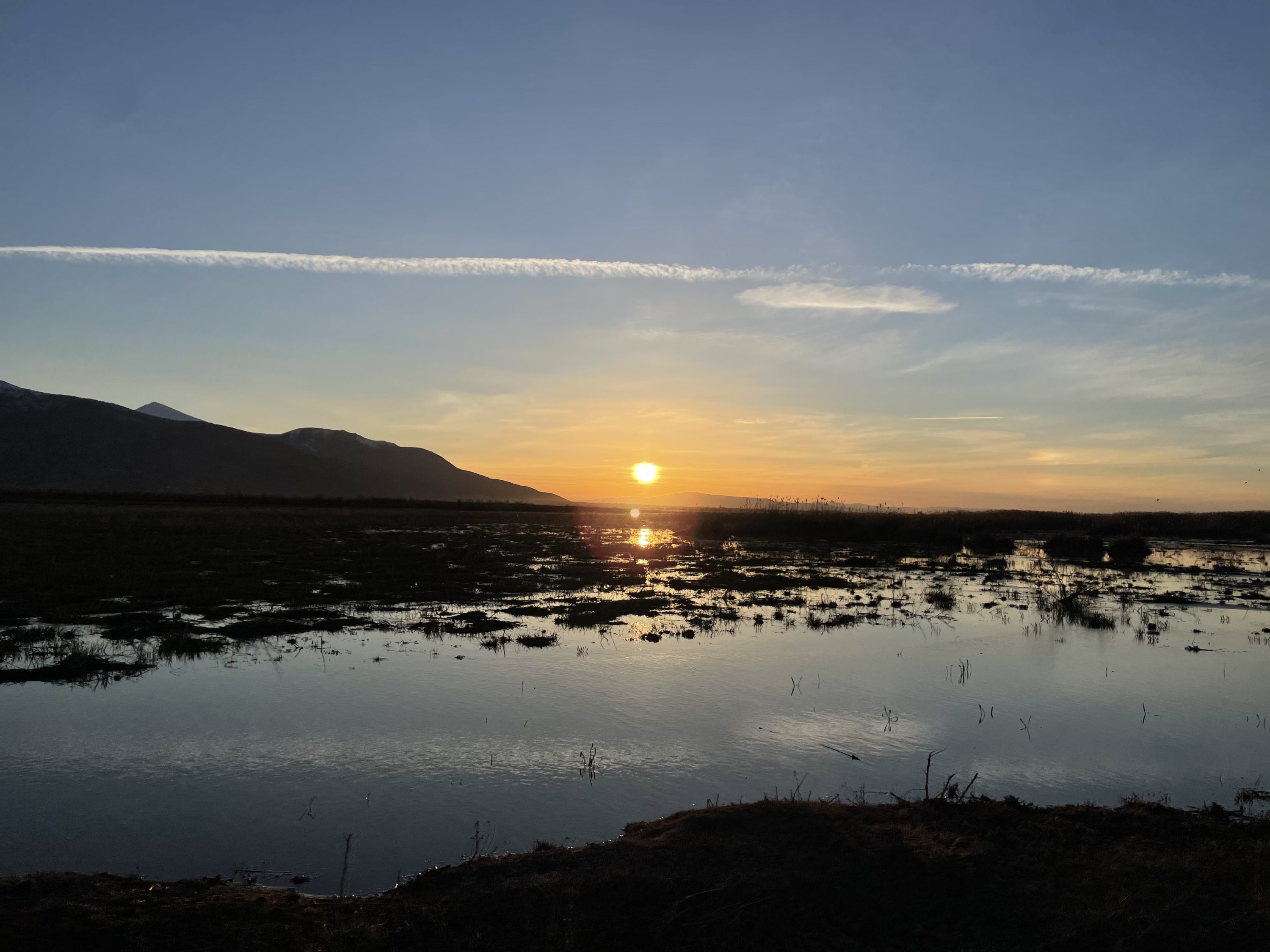
Due to uncontrolled agricultural irrigation and prolonged drought, the lake, which has tectonic origins and dates back to the last ice age, has seen a significant decrease in water levels compared to previous years.
Samed Ağırbaş, president of the Zero Waste Foundation and COP31 High-Level Climate Champion, announced that comprehensive efforts are being launched to restore Eber Lake’s ecological balance, including the return of fish populations and rehabilitation of surrounding waterways.
The foundation’s engagement with Eber Lake began following instructions from first lady Emine Erdoğan, founder and honorary president of the Zero Waste Foundation, who has been closely involved in addressing environmental challenges in Türkiye and globally.
Eber Lake covers over 140 square kilometers (34,600 acres) and is part of the Akarçay Basin. In the 1970s, truckloads of fish were harvested here, and the lake and its surrounding villages historically supported diverse fish and bird populations. More than 140 bird species, including pelicans, herons and various waterfowl, relied on the dense reed beds and marshlands for nesting and feeding.
Today, the lake faces significant environmental pressures. Ağırbaş noted, “Unfortunately, the lake is now surrounded by plastics and waste. Many waterways are either dead or dying due to uncontrolled disposal.”
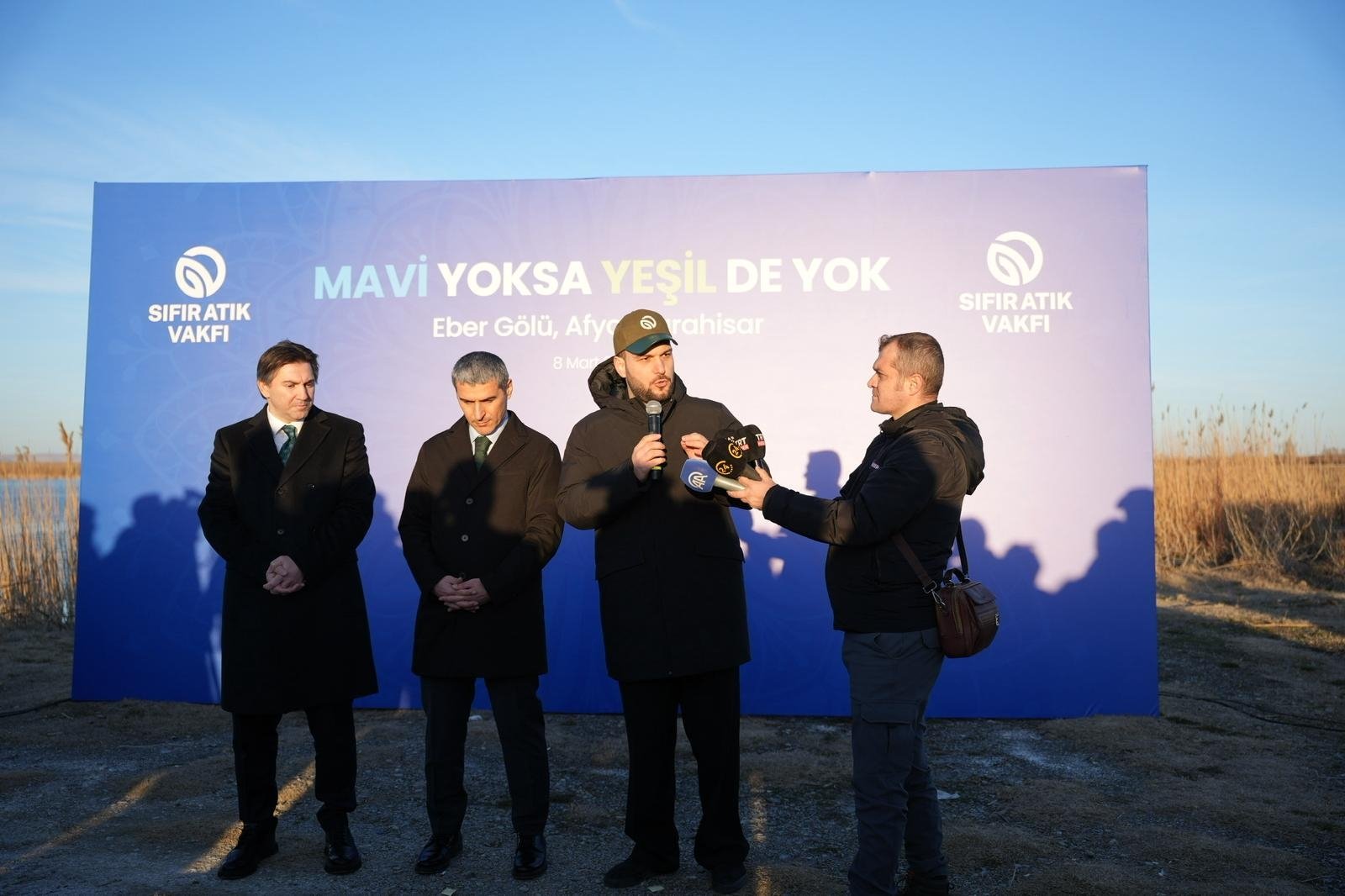
The restoration initiative brings together multiple stakeholders. Ağırbaş explained, “We have held preliminary meetings with the Ministry of Agriculture and Forestry and the Ministry of Environment, Urbanization and Climate Change. Our governor has supported us throughout the process, and we have established a working group under our foundation to oversee this project.”
He emphasized the importance of local engagement, stating: “The most important partners in this project are the residents and their children. We will organize with the community, report to public institutions, and together we will revive Eber Lake. We will bring back fish and restore natural life.”
Looking ahead, the team plans to identify agricultural products that require less water while maintaining economic benefits for local communities. Ağırbaş concluded, “Our findings will be shared with relevant public institutions, and together we will ensure that Eber Lake continues to live.”
Ahmet Bağcı, deputy minister at the Ministry of Agriculture and Forestry, contributed to the initiative, saying, "Last year, we launched work on lakes at risk, starting with Eğirdir and Burdur.”
Bağcı elaborated on the role of public institutions. "The General Directorate of State Hydraulic Works was directed to manage investments and implement these projects. Now, similar work will extend to the remaining eight lakes, including Bergöl. Currently, planning is underway, and investment processes are being coordinated by the State Hydraulic Works,” he said.
Highlighting the practical measures underway, he said: “Our work focuses on three main areas: transitioning to modern irrigation systems to reduce water waste, preventing unregistered water use, and improving the local plant patterns for better ecological balance. This is all integrated with production planning specific to the region.”
On the environmental challenges facing Eber Lake, Bağcı explained: “Two main problems remain, pollution and decreasing water levels. Approximately 74% of water loss is due to evaporation, driven by climate change and rising temperatures, factors beyond our immediate control. Nevertheless, we are addressing these challenges scientifically with a dedicated team, planning a 5-year program to restore the lake.”
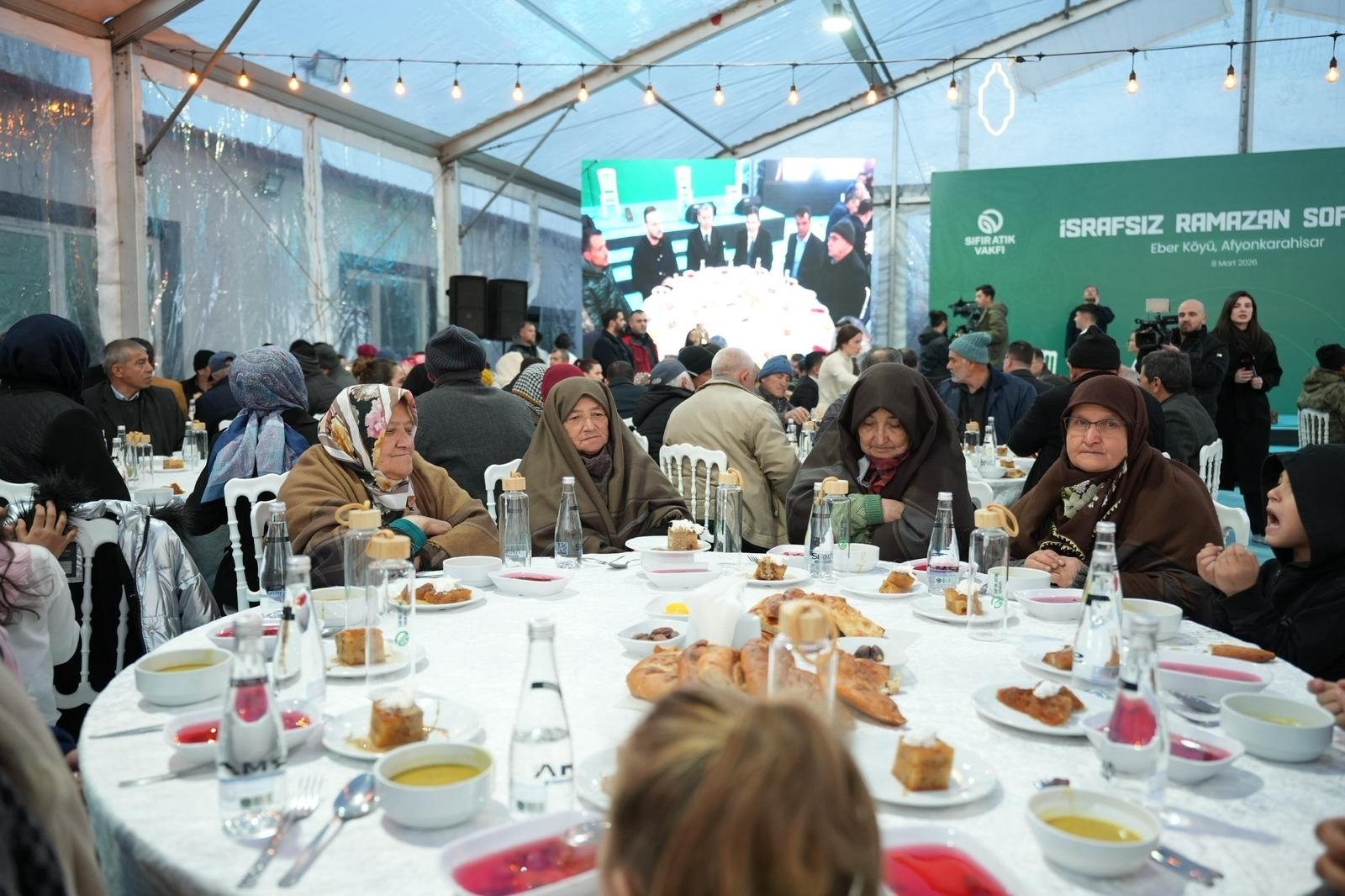
After the press conference, in Eber village, a communal iftar program was prepared for approximately 700 people, with local women and regional cooperatives leading the preparation of the meals, showcasing traditional dishes and supporting local production.
Meals were prepared based on the number of participants to avoid excess production, while portion sizes were carefully determined to minimize food waste.
Single-use products were avoided, and organizers ensured that plastic and packaged materials were not used during the event. Instead, reusable equipment and traditional serving methods were adopted.
This approach reinforced environmental awareness while reviving the simple, sharing-oriented spirit of traditional communal tables.
During the gathering, the organizers also honored the women of the village on March 8, International Women’s Day, distributing red roses and highlighting their vital role in sustaining both the community and local traditions.
Speaking during the Iftar program, Ağırbaş emphasized that the Zero Waste Project is a woman-led initiative, under the leadership of first lady Emine Erdoğan, showcasing how women drive both environmental awareness and community solidarity across Türkiye.