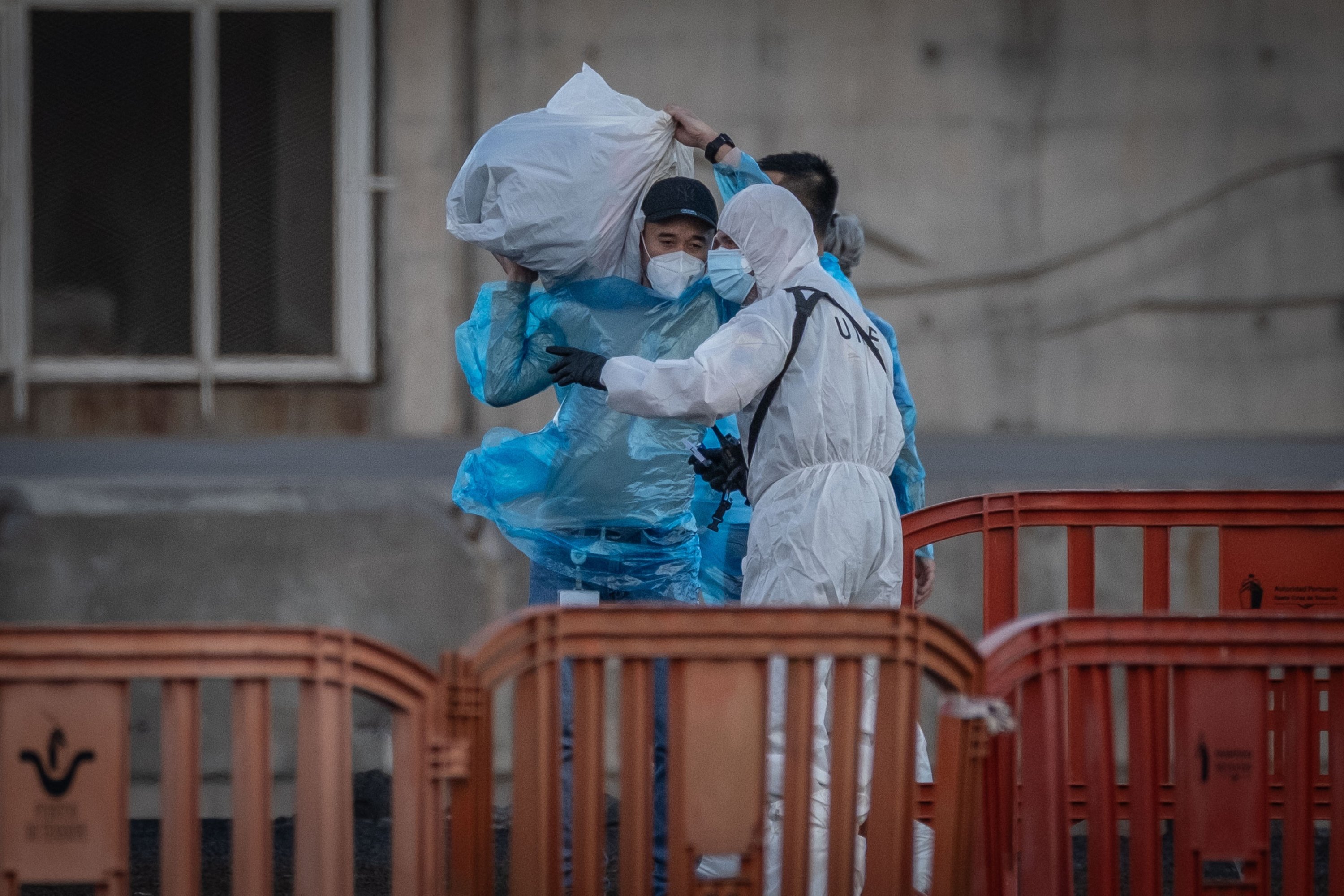
Health officials around the world are racing to calm public fears after a hantavirus outbreak aboard a luxury cruise ship in the Atlantic revived painful memories of the COVID-19 pandemic and unleashed a wave of anxiety, speculation and misinformation online.
The outbreak involving the Andes strain of hantavirus aboard the MV Hondius has left three people dead and several others infected, prompting quarantine measures and international monitoring efforts as passengers returned to nearly 20 countries.
Yet experts insist the virus poses a far lower public threat than COVID-19, even as uncertainty surrounding the rare disease complicates efforts to reassure the public.
For many, however, the images were difficult to separate from the trauma of early 2020: a cruise ship isolated at sea, masked officials, emergency briefings and fears of an unknown outbreak spreading across borders.
That emotional connection has become one of the biggest challenges facing health authorities.
“We spend half of our time discussing how we will communicate,” said Gianfranco Spiteri, emergencies lead at the European Centre for Disease Prevention and Control.
Public health experts say lessons learned during COVID are shaping the response this time. Governments and health agencies have moved faster to share information, acknowledge what remains unknown and confront false claims before they spiral further online.
Still, officials are navigating a narrow path. They must explain why the outbreak deserves serious attention without fueling fears of another global shutdown.
“There are people who say we are overdoing it, and on the other extreme, that we’re not doing enough,” Spiteri said. “We always base our messages on the evidence we have.”
The Andes strain of hantavirus, which has circulated in parts of Argentina and Chile for decades, is primarily spread through rodents. Human-to-human transmission is rare, though possible in limited cases, making the outbreak aboard the Hondius particularly alarming for researchers.
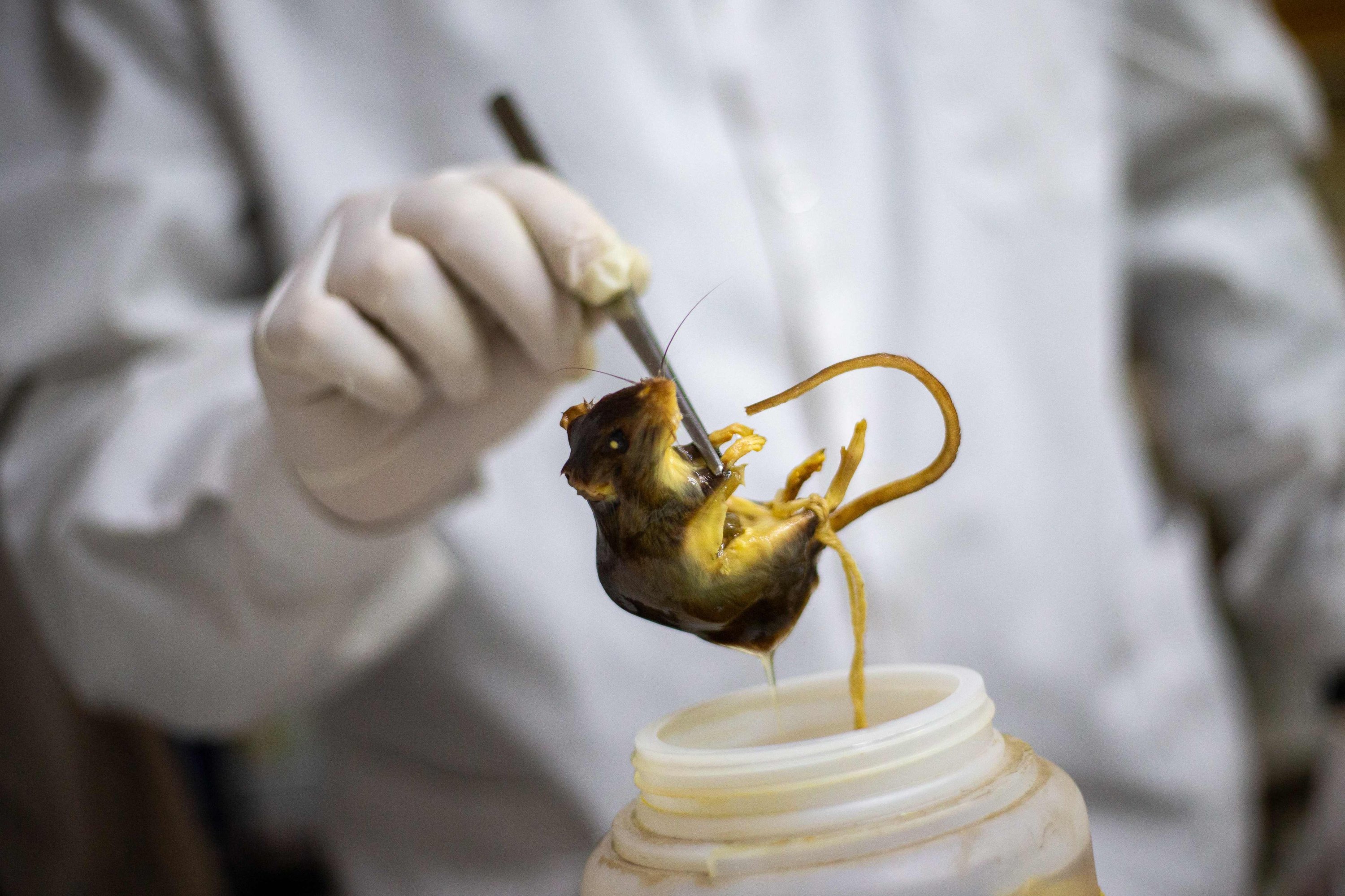
As of Thursday, 11 confirmed cases had been linked to the ship. Dozens more passengers remain under observation.
Unlike COVID-19, experts say there are established containment measures for hantavirus, and genetic analysis of samples from the ship has shown no significant mutations from previously known strains.
But online reaction has often outpaced scientific facts.
Social media platforms have been flooded with posts warning of looming lockdowns, mask mandates and another pandemic. Other false claims have promoted unproven remedies such as ivermectin, zinc and vitamin D, while conspiracy theories tied the outbreak to vaccines or pharmaceutical profiteering.
Gustavo Palacios, a hantavirus expert at the Icahn School of Medicine at Mount Sinai, said the public has struggled to separate a dangerous outbreak from a pandemic-level threat.
“We have kind of lost perspective,” he said, noting that serious public health emergencies do not automatically become worldwide catastrophes.
Misinformation experts warn the deeper problem may be the erosion of trust left behind by COVID. One European study found confidence in public health institutions declined in 20 of 27 EU countries between 2020 and 2022, a trend officials are still trying to reverse.
Sander van der Linden, a psychology professor at the University of Cambridge, said governments must do more to prepare the public for misinformation before crises erupt.
“We need to do more preparatory work to create resilience in the population,” he said.
The World Health Organization has attempted to stay ahead of the panic. Since the outbreak became public on May 3, WHO officials have held regular briefings, issued alerts and addressed rumors directly through social media and public Q&A sessions.
WHO Director-General Tedros Adhanom Ghebreyesus even published an open letter to residents of Tenerife after the Hondius docked there Sunday.
“But I need you to hear me clearly: this is not another COVID,” he wrote. “The current public health risk from hantavirus remains low.”
Some agencies were slower to react. The U.S. Centers for Disease Control and Prevention did not release its first public information until five days after the outbreak became public, though officials have since accelerated communications.
Michael Osterholm, an infectious diseases expert at the University of Minnesota, said the situation underscores how critical messaging has become in modern outbreaks.
“One of the things this is teaching us is a lesson we should have learned from COVID: What we say is really important,” he said.
The cruise ship setting has only intensified the unease.
The Hondius outbreak has drawn immediate comparisons to the Diamond Princess, the quarantined cruise ship off Japan that became one of the defining images of the early COVID pandemic in 2020.
“The whole cruise ship thing is a very significant memory from the beginning of COVID,” said Krutika Kuppalli, associate professor of medicine at the University of Texas Southwestern Medical Center. “There’s an emotional reaction that is stirring people.”
That reaction was evident in Tenerife as passengers disembarked under strict infection-control measures this week. Laura Millán, a 40-year-old resident, said seeing WHO officials arrive on the island reignited fears she thought had been left behind years ago.
“It gave me the impression that this isn’t just the flu,” she said. “Otherwise all these people wouldn’t be coming.”
Still, she added that the visible international response also reassured her that authorities were taking the situation seriously and trying to prevent wider spread.