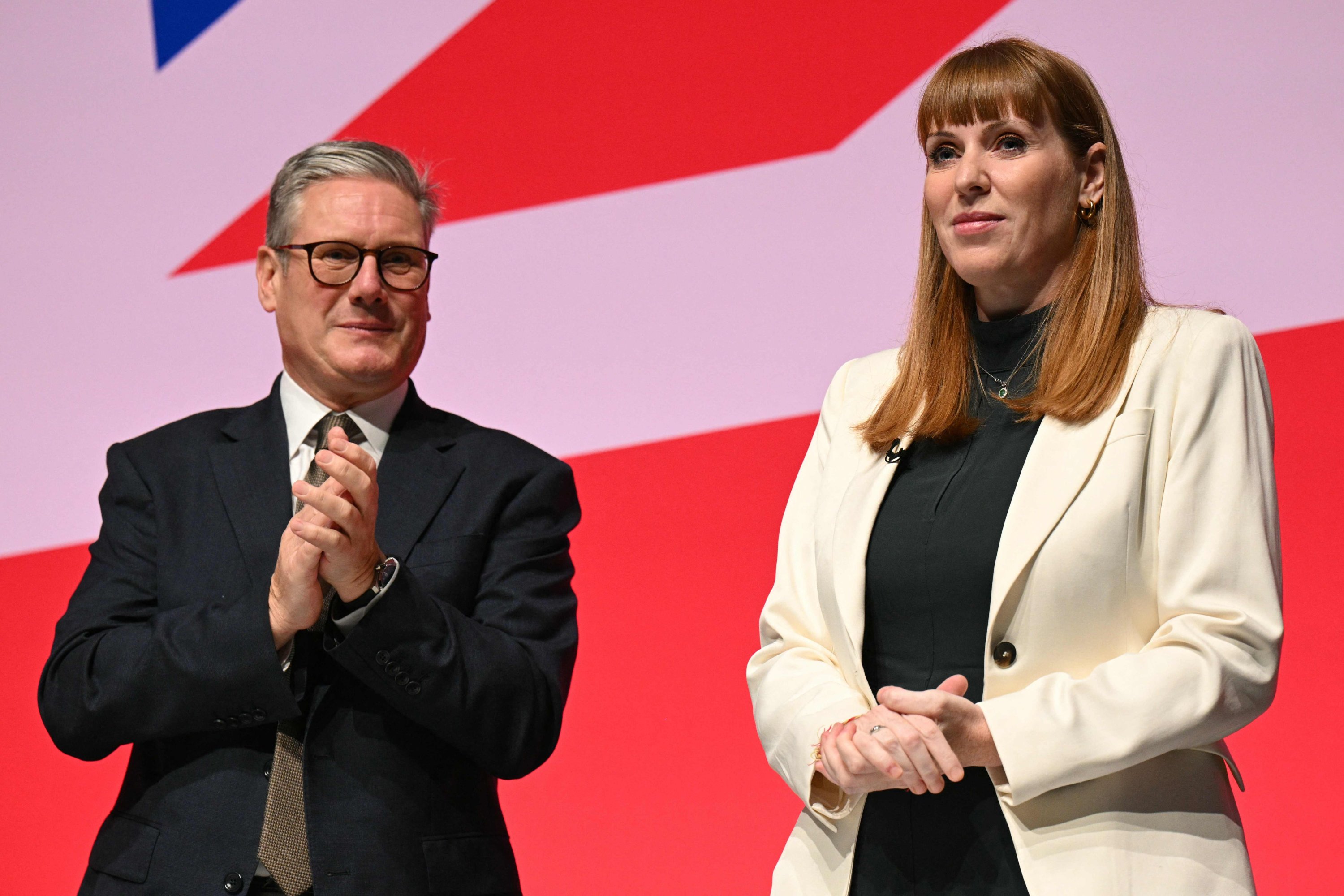
U.K. Prime Minister Keir Starmer carried out a sweeping Cabinet reshuffle Friday after Deputy Prime Minister Angela Rayner resigned over a tax error, marking the most damaging departure yet for his Labour government.
Rayner, 45, a figurehead among Labour’s left-wing base, stepped down as both deputy prime minister and deputy Labour leader after Britain’s independent adviser on ministerial standards ruled she had breached the ministerial code by failing to seek proper advice on a property transaction that left her underpaying roughly £40,000 ($54,000) in tax. She said she “deeply regretted” the mistake, accepted “full responsibility,” and cited the toll on her family.
Her resignation triggered the largest reshuffle since Labour’s landslide election win in July 2024, as Starmer sought to reset his embattled 14-month-old government, which has lurched from one crisis to another and recently slipped behind Nigel Farage’s hard-right Reform UK in opinion polls.
Starmer named Foreign Secretary David Lammy as the new deputy prime minister, while Interior Minister Yvette Cooper moved to replace him as Britain’s top diplomat. Justice Secretary Shabana Mahmood, from Labour’s right wing, will succeed Cooper at the Home Office, with Lammy also set to take on the justice brief, Downing Street announced. Starmer also sacked Commons leader Lucy Powell and Scotland Minister Ian Murray in the shake-up, while making changes in the environment, business, and science and technology portfolios.
The overhaul reflects Starmer’s attempt to reassert control after a string of policy U-turns and growing criticism over Labour’s handling of welfare reform, fuel benefits, and migration. The government has struggled to stop undocumented migrants crossing the Channel in small boats — an issue that has bolstered Reform’s populist appeal.
Rayner disclosed earlier this week that she had underpaid stamp duty on an £800,000 apartment in Hove, near Brighton, after selling her share of a family home to a trust set up for her disabled son. She initially argued the flat was her primary residence but later conceded she was still legally tied to the original property. Ethics chief Laurie Magnus ruled she had failed to seek the required tax advice, breaching the code.
In her resignation letter, Rayner said she regretted not seeking “additional specialist tax advice” and would also step down as housing minister and Labour deputy leader. Starmer praised her as a “trusted colleague and true friend,” saying he was “very sad” to lose her from government.
Rayner’s exit is the eighth — and most damaging — ministerial departure from Starmer’s team since he entered Downing Street, giving him the highest number of resignations outside reshuffles of any new prime minister in nearly 50 years, surpassing even Boris Johnson’s tumultuous start.
Labour insiders warn Rayner, popular with working-class voters and seen as a potential future leader, could one day mount a leadership challenge. For now, Starmer faces the daunting task of repairing Labour’s credibility, reviving a sluggish economy, and quelling doubts within his own party as Farage’s Reform surges in the polls.