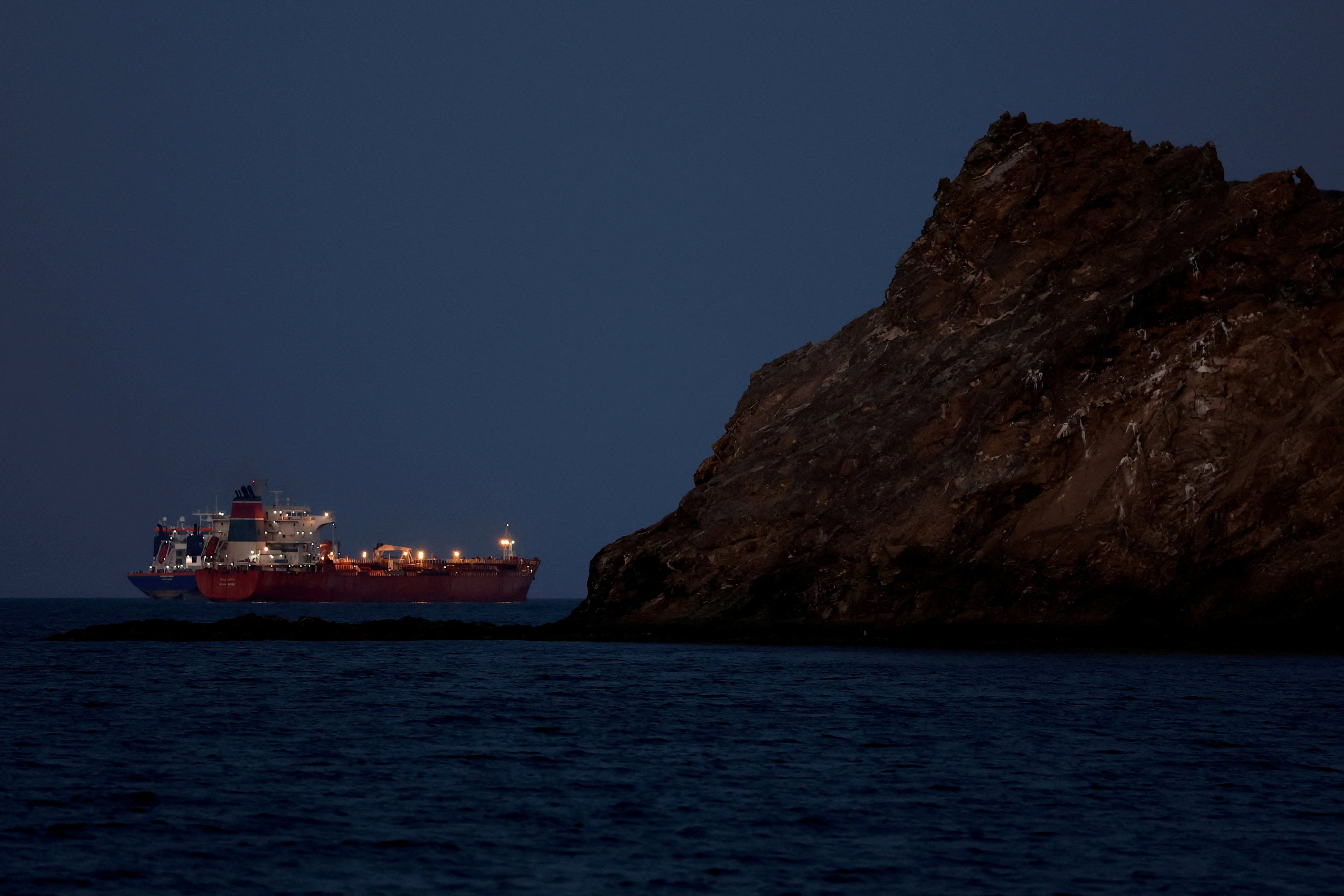
Iran closed the Strait of Hormuz on Wednesday in response to Israeli strikes on Hezbollah in Lebanon, raising fears that a fragile cease-fire could collapse after weeks of intense regional conflict.
The United States and Iran both claimed victory after reaching the agreement, and world leaders expressed relief, even as more drones and missiles hit Iran and Gulf Arab countries. Israel also intensified its attacks in Lebanon, hitting several commercial and residential areas in Beirut without warning. Over 250 people were killed and hundreds were wounded in one of the deadliest days in Israel's attacks.
The fresh violence threatened to scuttle what U.S. Vice President JD Vance called a "fragile” deal.
"Aggression towards Lebanon is aggression towards Iran,” Gen. Seyed Majid Mousavi, aerospace commander of Iran's Revolutionary Guard, wrote on X. He warned that Iranian forces were preparing a "heavy response” without revealing details.
U.S. Defense Secretary Pete Hegseth said American and Israeli forces had achieved a "capital V military victory” and that the Iranian military no longer posed a significant threat to U.S. forces or the region. The Iranian military said the country forced Israel and the U.S. to accept its "proposed conditions and surrender.”
Much about the agreement was unclear as the sides presented vastly different visions of the terms.
Iran said the deal would allow it to formalize its new practice of charging ships passing through the strait, a crucial transit lane for oil. But the details were not clear, nor was it known whether vessels would feel safe using the channel or whether ship traffic had resumed. It was also unclear whether any other country agreed to this condition.
Pakistan, which helped to mediate the deal, and others said fighting would pause in Lebanon, where Israel has launched a ground invasion against Hezbollah. Israel said it would not, and strikes hit Beirut on Wednesday.