Daily Sabah logo

Politics
Diplomacy Legislation War On Terror EU Affairs Elections News Analysis
TÜRKİYE
Istanbul Education Investigations Minorities Expat Corner Diaspora
World
Mid-East Europe Americas Asia Pacific Africa Syrian Crisis Islamophobia
Business
Automotive Economy Energy Finance Tourism Tech Defense Transportation News Analysis
Lifestyle
Health Environment Travel Food Fashion Science Religion History Feature Expat Corner
Arts
Cinema Music Events Portrait Reviews Performing Arts
Sports
Football Basketball Motorsports Tennis
Opinion
Columns Op-Ed Reader's Corner Editorial
PHOTO GALLERY
JOBS ABOUT US RSS PRIVACY CONTACT US
© Turkuvaz Haberleşme ve Yayıncılık 2025

Daily Sabah - Latest & Breaking News from Turkey | Istanbul

  • Politics
    • Diplomacy
    • Legislation
    • War On Terror
    • EU Affairs
    • Elections
    • News Analysis
  • TÜRKİYE
    • Istanbul
    • Education
    • Investigations
    • Minorities
    • Expat Corner
    • Diaspora
  • World
    • Mid-East
    • Europe
    • Americas
    • Asia Pacific
    • Africa
    • Syrian Crisis
    • Islamophobia
  • Business
    • Automotive
    • Economy
    • Energy
    • Finance
    • Tourism
    • Tech
    • Defense
    • Transportation
    • News Analysis
  • Lifestyle
    • Health
    • Environment
    • Travel
    • Food
    • Fashion
    • Science
    • Religion
    • History
    • Feature
    • Expat Corner
  • Arts
    • Cinema
    • Music
    • Events
    • Portrait
    • Reviews
    • Performing Arts
  • Sports
    • Football
    • Basketball
    • Motorsports
    • Tennis
  • Gallery
  • Opinion
    • Columns
    • Op-Ed
    • Reader's Corner
    • Editorial
  • TV
  • Arts
  • Cinema
  • Music
  • Events
  • Portrait
  • Reviews
  • Performing Arts

UNESCO adds 6000-year-old 'Lion Hill' in Turkey's Malatya to list

by DAILY SABAH

ISTANBUL Jul 26, 2021 - 4:20 pm GMT+3
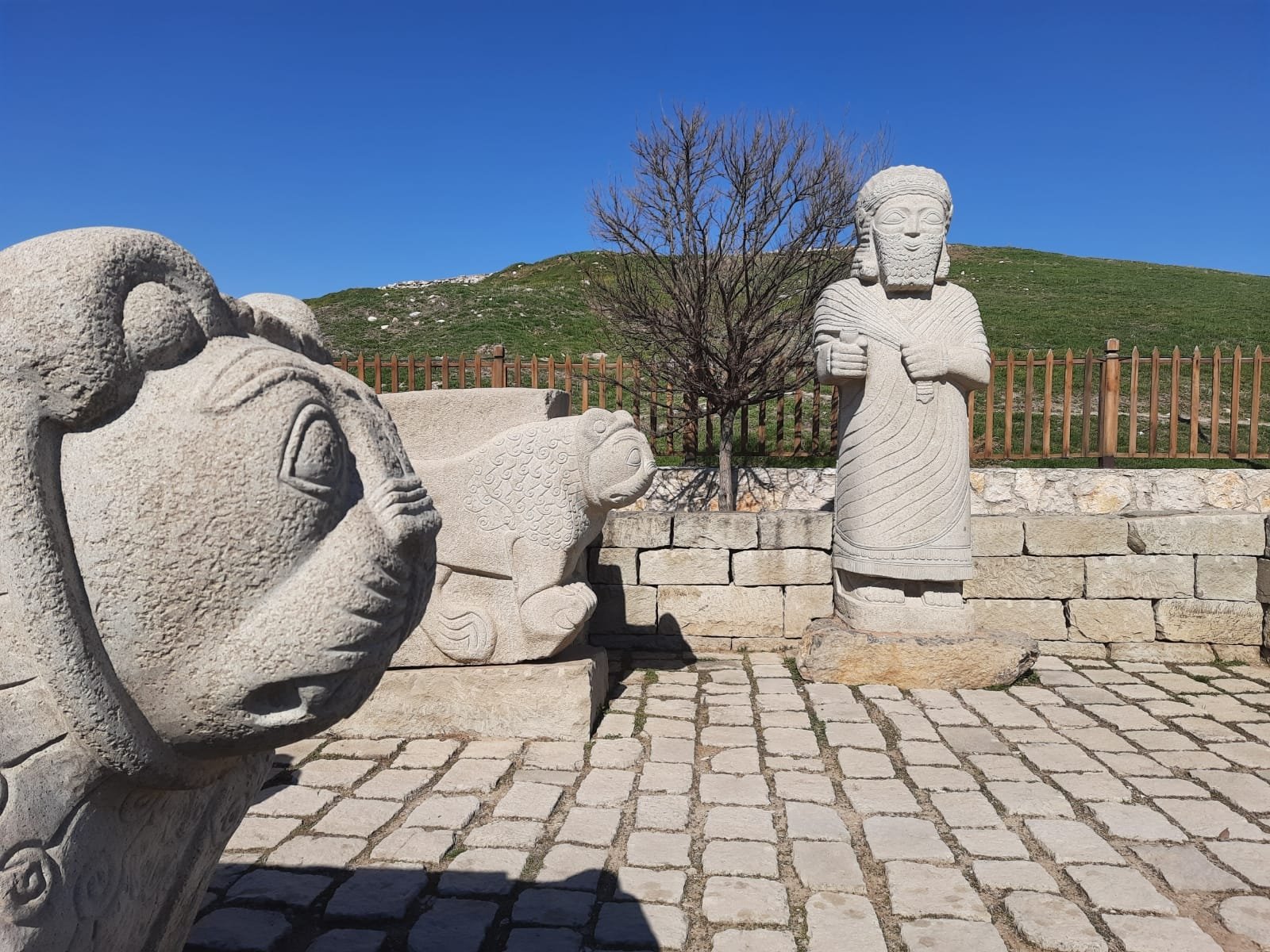
Two lion statues on both sides of the entrance gate and a statue of the Hittite king Tarhunza in the archaeological site of Arslantepe, Malatya, eastern Turkey. (Courtesy of Ministry of Culture and Tourism)
by DAILY SABAH Jul 26, 2021 4:20 pm

The archaeological site of Arslantepe in Turkey's eastern Malatya province has been registered on the UNESCO World Heritage List, becoming the country's 19th asset on the list.

Arslantepe, meaning "Lion Hill," was accepted onto the UNESCO Tentative List of World Heritage sites in 2014. The mound became a world heritage site with the decision taken at the 44th World Heritage Committee meeting held online between July 16 and July 31.
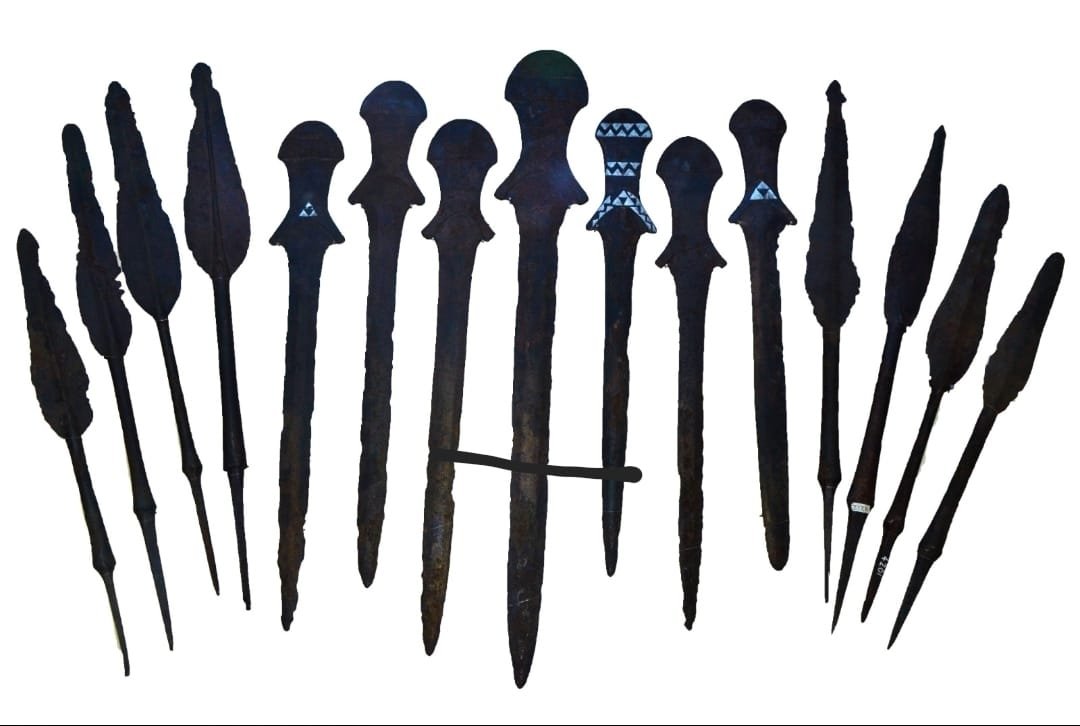
Metal objects found in the archaeological site of Arslantepe, Malatya, eastern Turkey. (Courtesy of Ministry of Culture and Tourism)

According to the UNESCO website, Arslantepe is an "exceptional testimony to the first emergence of state society in the Near East." In other words, the 4 hectares (40,000 square meters) and 30-meter high archaeological site show the fundamental changes in the formation process of the state in Eastern Anatolian and Mesopotamian societies.

Arslantepe Mound has been inscribed as a World Heritage Site thanks to its various outstanding universal values such as witnessing the change of cultural traditions and hierarchy along with the emergence of new social and political systems based on social differences and economic privileges.

The site is also a source of new developments in monumental architecture, technology and the arts, in addition to administrative and political improvements throughout the fourth millennium B.C.

BREAKING!Just inscribed as @UNESCO #WorldHeritage Site: Arslantepe Mound, #Turkey. Congratulations! https://t.co/X7SWIos7D9 #44WHC pic.twitter.com/71VYZDpDVc

— UNESCO #Education #Sciences #Culture (@UNESCO) July 26, 2021

The mound served as a settlement from the Chalcolithic period to the 11th century A.D. It was used as a Roman village during the fifth and sixth centuries A.D. and later served as a Byzantine necropolis. It hosts various findings related to the birth of a state system and the transition from an egalitarian social structure to a hierarchical one.

The first excavations at the archaeological site were carried out by a French team headed by Louis Delaporte in 1931. The teams from the Sapienza University of Rome have been excavating the site on a regular basis since 1961. The conservation works at the site continue under the control of Turkey's Directorate General of Cultural Assets and Museums of the Ministry of Culture and Tourism and in coordination with the Malatya Provincial Directorate of Culture and Tourism and Battalgazi University.
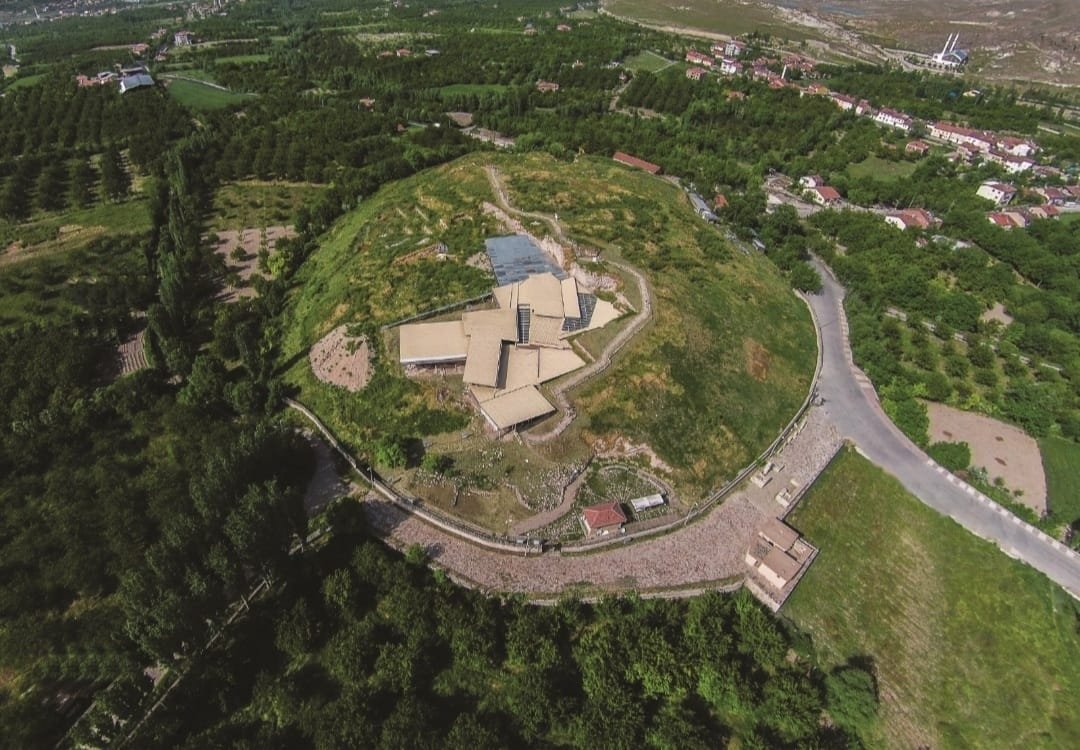
An aerial view of the archaeological site of Arslantepe, Malatya, eastern Turkey. (Courtesy of Ministry of Culture and Tourism)
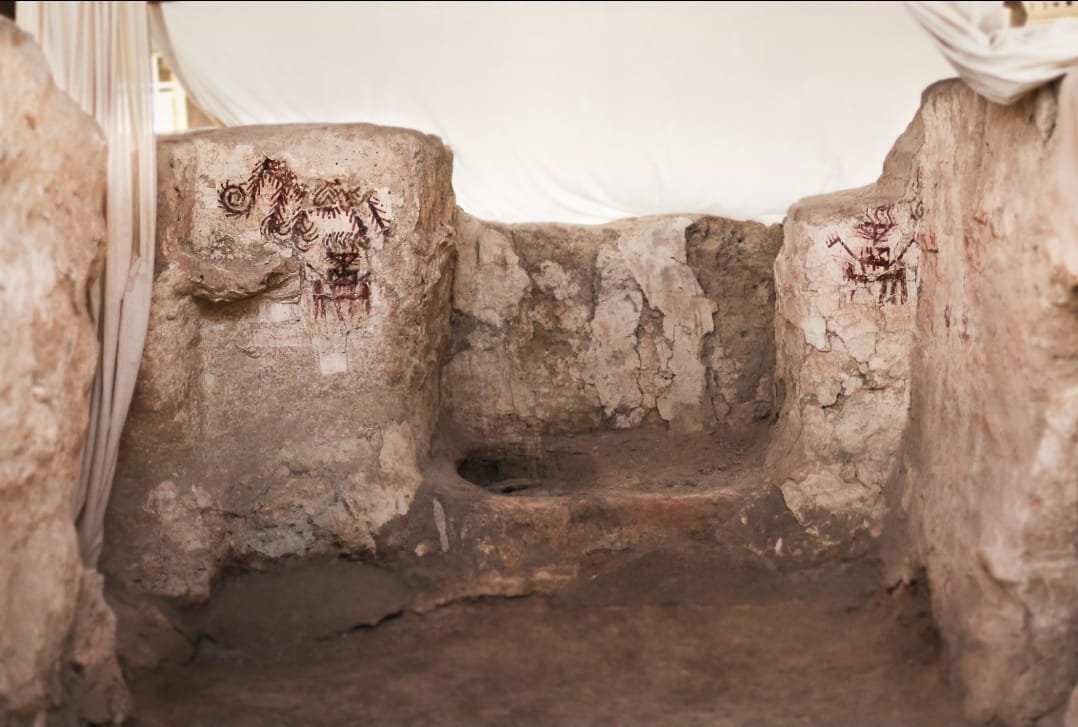
Mural paintings in the ruins of Arslantepe, Malatya, eastern Turkey. (Courtesy of Ministry of Culture and Tourism)

As a result of excavations in the late Hittite layers of the site, a courtyard decorated with low reliefs on stone, two lion statues on both sides of the entrance gate as well as a statue of the Hittite king Tarhunza and a late Hittite palace were unearthed. Other findings include an adobe palace dating back to 3,300-3,000 B.C., a 3,200-year-old ivory tablet, a temple dating back to 3,600-3,500 B.C., more than 2,000 seal prints, a 5,700-year-old child skeleton and high-quality metal objects.

The artifacts show that Arslantepe was an official, religious and cultural center where aristocracy was born.


  • shortlink copied
  • Last Update: Jul 27, 2021 9:26 am
    KEYWORDS
    arslantepe malatya unesco world heritage unesco sites
    The Daily Sabah Newsletter
    Keep up to date with what’s happening in Turkey, it’s region and the world.
    You can unsubscribe at any time. By signing up you are agreeing to our Terms of Use and Privacy Policy. This site is protected by reCAPTCHA and the Google Privacy Policy and Terms of Service apply.
    No Image
    10 largest cats around the world
    PHOTOGALLERY
    • POLITICS
    • Diplomacy
    • Legislation
    • War On Terror
    • EU Affairs
    • News Analysis
    • TÜRKİYE
    • Istanbul
    • Education
    • Investigations
    • Minorities
    • Diaspora
    • World
    • Mid-East
    • Europe
    • Americas
    • Asia Pacific
    • Africa
    • Syrian Crisis
    • İslamophobia
    • Business
    • Automotive
    • Economy
    • Energy
    • Finance
    • Tourism
    • Tech
    • Defense
    • Transportation
    • News Analysis
    • Lifestyle
    • Health
    • Environment
    • Travel
    • Food
    • Fashion
    • Science
    • Religion
    • History
    • Feature
    • Expat Corner
    • Arts
    • Cinema
    • Music
    • Events
    • Portrait
    • Performing Arts
    • Reviews
    • Sports
    • Football
    • Basketball
    • Motorsports
    • Tennis
    • Opinion
    • Columns
    • Op-Ed
    • Reader's Corner
    • Editorial
    • Photo gallery
    • DS TV
    • Jobs
    • privacy
    • about us
    • contact us
    • RSS
    © Turkuvaz Haberleşme ve Yayıncılık 2021