Daily Sabah logo

Politics
Diplomacy Legislation War On Terror EU Affairs Elections News Analysis
TÜRKİYE
Istanbul Education Investigations Minorities Expat Corner Diaspora
World
Mid-East Europe Americas Asia Pacific Africa Syrian Crisis Islamophobia
Business
Automotive Economy Energy Finance Tourism Tech Defense Transportation News Analysis
Lifestyle
Health Environment Travel Food Fashion Science Religion History Feature Expat Corner
Arts
Cinema Music Events Portrait Reviews Performing Arts
Sports
Football Basketball Motorsports Tennis
Opinion
Columns Op-Ed Reader's Corner Editorial
PHOTO GALLERY
JOBS ABOUT US RSS PRIVACY CONTACT US
© Turkuvaz Haberleşme ve Yayıncılık 2025

Daily Sabah - Latest & Breaking News from Turkey | Istanbul

  • Politics
    • Diplomacy
    • Legislation
    • War On Terror
    • EU Affairs
    • Elections
    • News Analysis
  • TÜRKİYE
    • Istanbul
    • Education
    • Investigations
    • Minorities
    • Expat Corner
    • Diaspora
  • World
    • Mid-East
    • Europe
    • Americas
    • Asia Pacific
    • Africa
    • Syrian Crisis
    • Islamophobia
  • Business
    • Automotive
    • Economy
    • Energy
    • Finance
    • Tourism
    • Tech
    • Defense
    • Transportation
    • News Analysis
  • Lifestyle
    • Health
    • Environment
    • Travel
    • Food
    • Fashion
    • Science
    • Religion
    • History
    • Feature
    • Expat Corner
  • Arts
    • Cinema
    • Music
    • Events
    • Portrait
    • Reviews
    • Performing Arts
  • Sports
    • Football
    • Basketball
    • Motorsports
    • Tennis
  • Gallery
  • Opinion
    • Columns
    • Op-Ed
    • Reader's Corner
    • Editorial
  • TV
  • Business
  • Automotive
  • Economy
  • Energy
  • Finance
  • Tourism
  • Tech
  • Defense
  • Transportation
  • News Analysis

Farmers in Japan's Fukushima fear release of contaminated water

by REUTERS

IWAKI, Japan Nov 05, 2021 - 10:21 am GMT+3
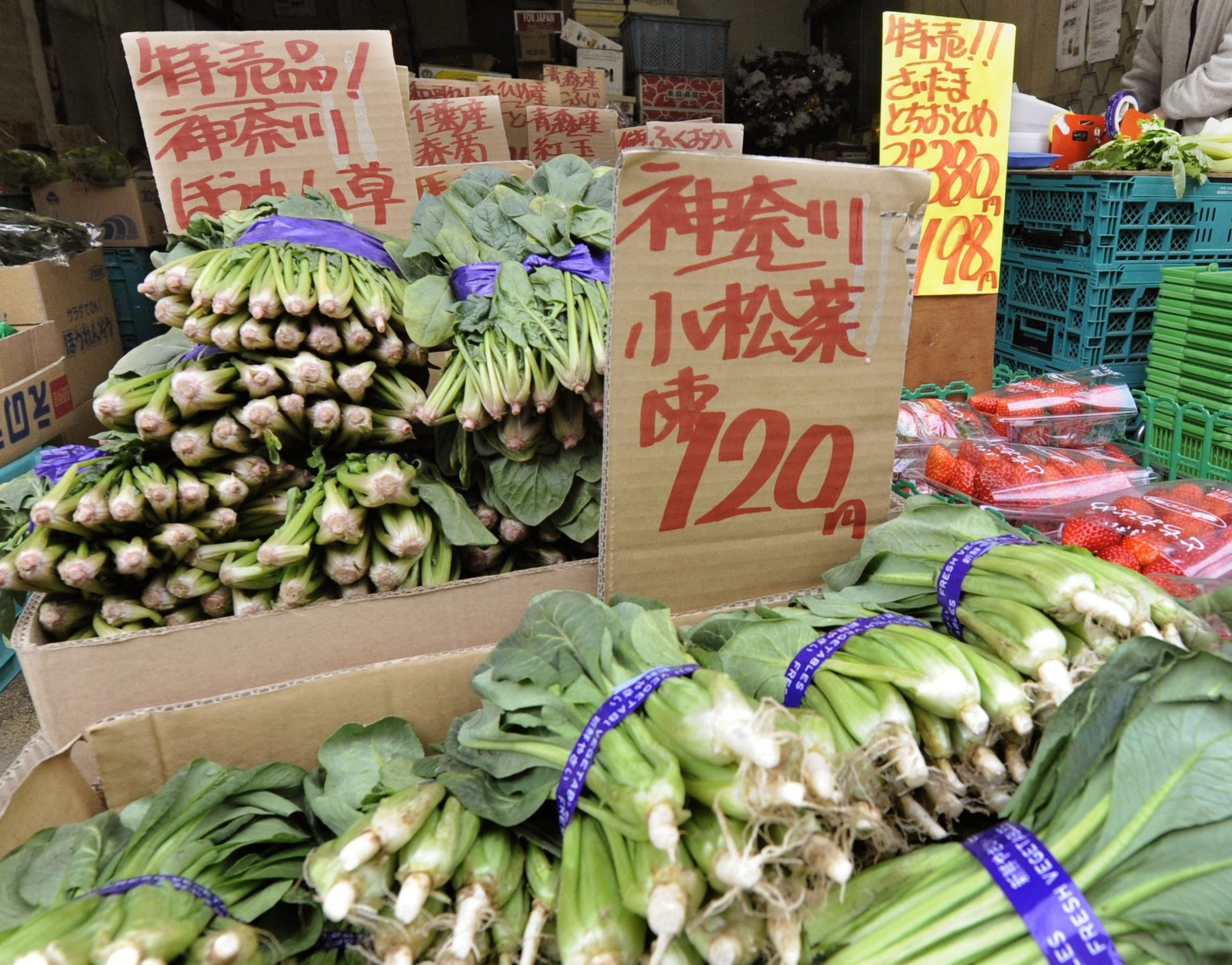
Spinach from Kanagawa Prefecture, left rear, and other leaf vegetables are on sale at a greengrocery in Tokyo, Japan, March 23, 2011. (Kyodo News via AP)
by REUTERS Nov 05, 2021 10:21 am

Farmers in Japan's disaster-hit Fukushima have expressed concern the scheduled 2023 release of water from the decommissioned nuclear power plant could once again contaminate precious water supplies and affect produce prices in an already slowly recovering economy.

Japan plans to release more than 1 million tons of contaminated water from the Fukushima plant into the sea starting in 2023 as part of an effort to clean up the site. Although international authorities support the plan, it has sparked concern from neighbors China and South Korea and worried local fishermen and farmers.

"We're just about seeing our prices go back to normal after a big drop following the disaster, but now we will have to deal with the potential reputational damage all over again because of the release of the water," said Hiroaki Kusano, a pear farmer and vice-leader of the local agricultural co-operative.

Last year, for the first time since the 2011 earthquake and tsunami devastated the northeast coast and triggered the nuclear disaster, the average price of Fukushima pears sold in Tokyo overtook those from some other prefectures, fetching 506 yen ($4.43) per kilogram, data from the Tokyo Metropolitan Central Wholesale Market showed.

A year after the crisis, prices were at 184 yen a kilo, 20% below the average of more than 230 yen for other prefectures.

Fukushima's produce goes through multiple checks for radioactivity, with farmers screening before shipment, while the prefecture also tests regularly.

Over the last decade, local produce has gone through a "thorough testing process, consistently" said Kazuhiro Okazaki of Fukushima's Agricultural Technology Centre, which has screened produce for radioactive cesium since June 2011.

Fukushima produced 13,000 tons of pears in 2020, making it Japan's fourth-largest source of the popular fruit, official data showed.

Decommissioning

The Daiichi plant is being decommissioned as part of a clean-up by operator Tokyo Electric Power Company Holdings (Tepco) expected to take decades.

Some 1,000 tanks, each 12 meters (39 feet) tall, crowd the site and hold enough radioactive water to fill around 500 Olympic-sized swimming pools.

The release of water that once passed through contaminated areas of the plant marks a milestone in decommissioning and will free up space for the cleanup.

The water will be processed to remove radioactive contamination apart from tritium, which cannot be removed. Tritium-contaminated water will be diluted to levels that meet international standards and released into the ocean a kilometer out from the plant around spring 2023.

Tepco will compensate for damages related to the water release, said Junichi Matsumoto, a company official overseeing decommissioning work.

Tepco says it has so far paid out some 10.1 trillion yen in damages from the crisis."The first step is to listen to the voices of those impacted adversely by the water release," Matsumoto said.

Water containing tritium is routinely released by nuclear plants around the world. But there are additional concerns because the Fukushima water has been sitting around for years, said Toru Watanabe, a radioactivity researcher at the Fukushima Fisheries and Marine Science Research Center.

"The water has been in those tanks for a long time. The quality of that water needs to be thoroughly understood before it's released," he said.

Farmers say there isn't much they can do once the water is released. They worry about their tough customers – Japanese shoppers are famously picky about produce and pay close attention to freshness and place of origin.

"All we can do is keep explaining all of the measures we have to ensure the safety of our produce," said pear farmer Tomoichi Yoshioka. "The final decision lies with the consumer."


  • shortlink copied
  • KEYWORDS
    nuclear disaster fukushima fukushima power plant contamination
    The Daily Sabah Newsletter
    Keep up to date with what’s happening in Turkey, it’s region and the world.
    You can unsubscribe at any time. By signing up you are agreeing to our Terms of Use and Privacy Policy. This site is protected by reCAPTCHA and the Google Privacy Policy and Terms of Service apply.
    No Image
    Pics of the week: A queen honored, baby crocs, monsoon rains
    PHOTOGALLERY
    • POLITICS
    • Diplomacy
    • Legislation
    • War On Terror
    • EU Affairs
    • News Analysis
    • TÜRKİYE
    • Istanbul
    • Education
    • Investigations
    • Minorities
    • Diaspora
    • World
    • Mid-East
    • Europe
    • Americas
    • Asia Pacific
    • Africa
    • Syrian Crisis
    • İslamophobia
    • Business
    • Automotive
    • Economy
    • Energy
    • Finance
    • Tourism
    • Tech
    • Defense
    • Transportation
    • News Analysis
    • Lifestyle
    • Health
    • Environment
    • Travel
    • Food
    • Fashion
    • Science
    • Religion
    • History
    • Feature
    • Expat Corner
    • Arts
    • Cinema
    • Music
    • Events
    • Portrait
    • Performing Arts
    • Reviews
    • Sports
    • Football
    • Basketball
    • Motorsports
    • Tennis
    • Opinion
    • Columns
    • Op-Ed
    • Reader's Corner
    • Editorial
    • Photo gallery
    • DS TV
    • Jobs
    • privacy
    • about us
    • contact us
    • RSS
    © Turkuvaz Haberleşme ve Yayıncılık 2021