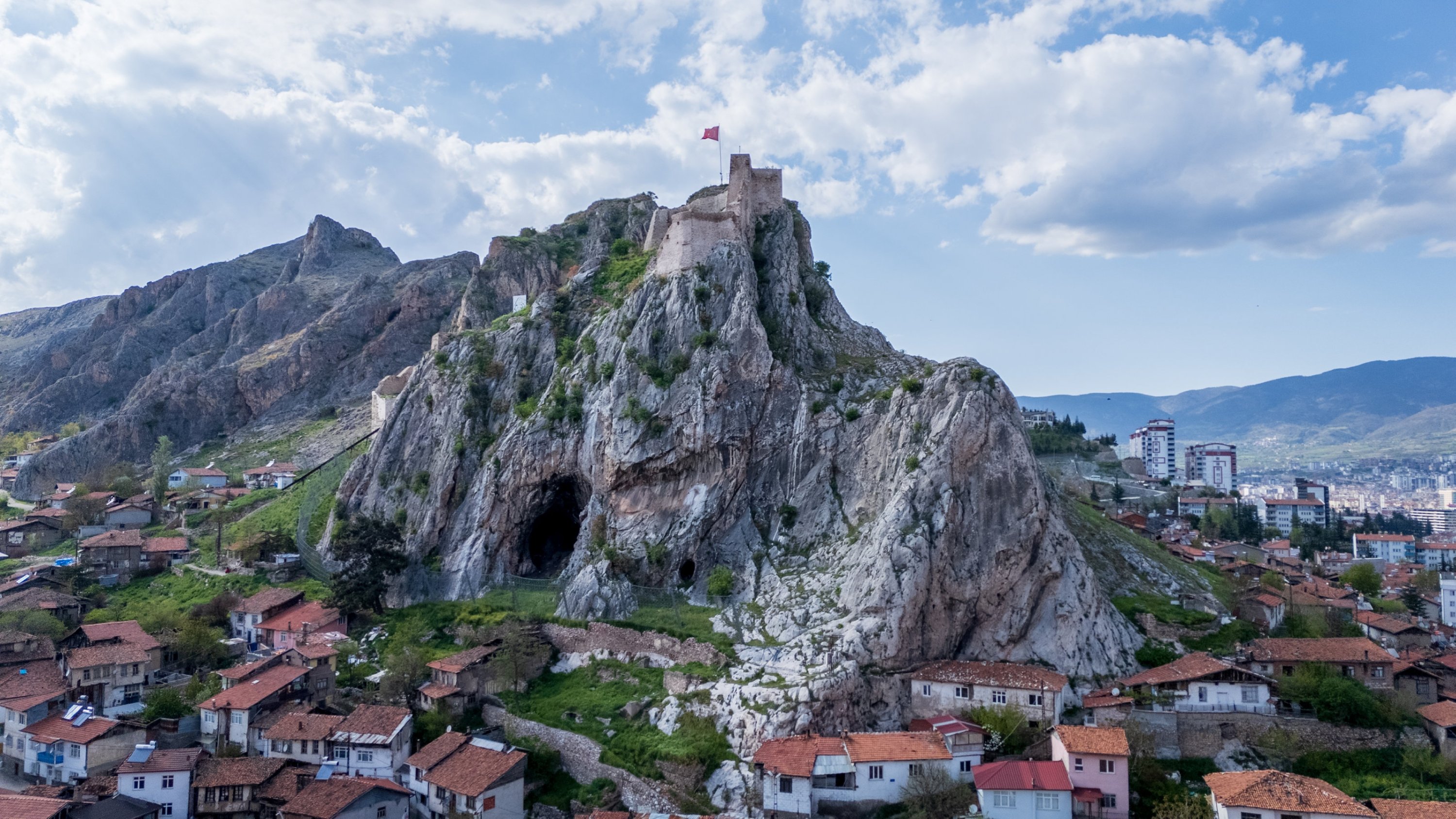
Located at the intersection of the Black Sea and Central Anatolia regions, Tokat stands out as a city with a history stretching back to around 6000 B.C., shaped by successive civilizations and a rich cultural heritage.
Founded on the fertile lands of the Yeşilırmak River Basin, the area has seen continuous settlement since the Chalcolithic and Bronze Ages. It first came under Hittite control in antiquity, followed by periods of rule by the Phrygians, Cimmerians, Medes and Persians. During the Persian era, Tokat’s location on key trade routes elevated its strategic importance.
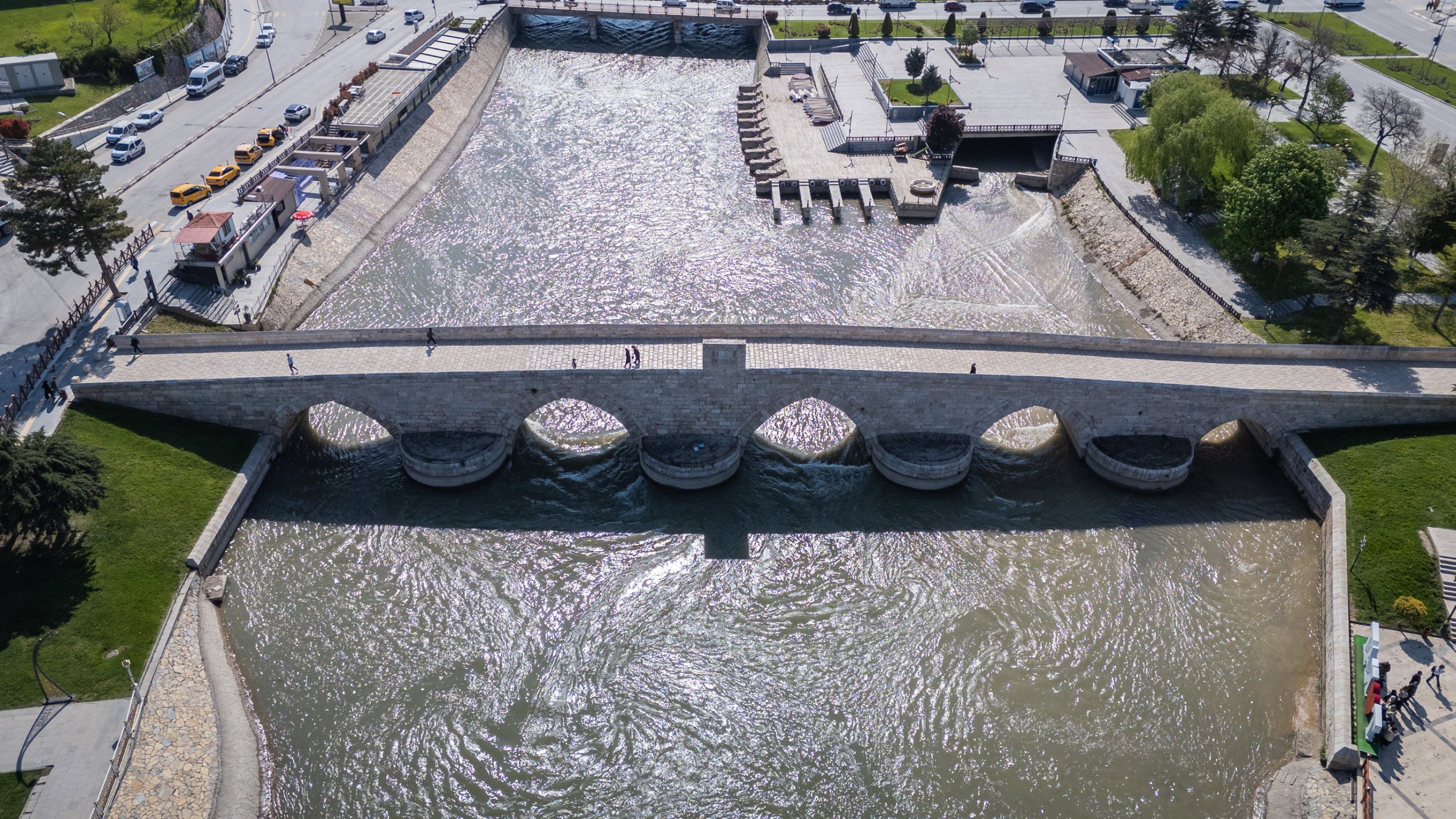
After Alexander the Great’s conquest of Anatolia, the region came under Hellenistic influence and later became part of the Kingdom of Pontus. In the 1st century B.C., it was incorporated into the Roman Empire, during which urban development expanded significantly. Under Byzantine rule, Tokat gained prominence as a fortified military city.
Following the Battle of Manzikert in 1071 and the arrival of Turkish forces in Anatolia, Tokat was captured by the Danishmendids, who built some of the region’s earliest Turkish-Islamic structures. The city later came under the Seljuk Empire, becoming a center of commerce and learning with its network of madrassas, caravanserais and inns.
Tokat was incorporated into the Ottoman Empire in 1392, emerging as a major production hub known for copper craftsmanship, textile printing and silk trade. The city’s architectural landscape also expanded with mosques, baths, inns and schools.
Located about 26 kilometers (16 miles) from the city center is Ballıca Cave, one of the region’s most notable natural attractions. Formed over millions of years, the cave is known for its rare “onion-shaped” stalactites and stalagmites.
Tour guide Eyüp Bahçeci noted that the cave was added to the UNESCO Tentative World Heritage List in 2019, largely due to these unique formations. Originally known as "Indere Cave," it was renamed after researchers likened its formations to “honey-colored rock” due to its calcite composition, which reflects light in warm tones.
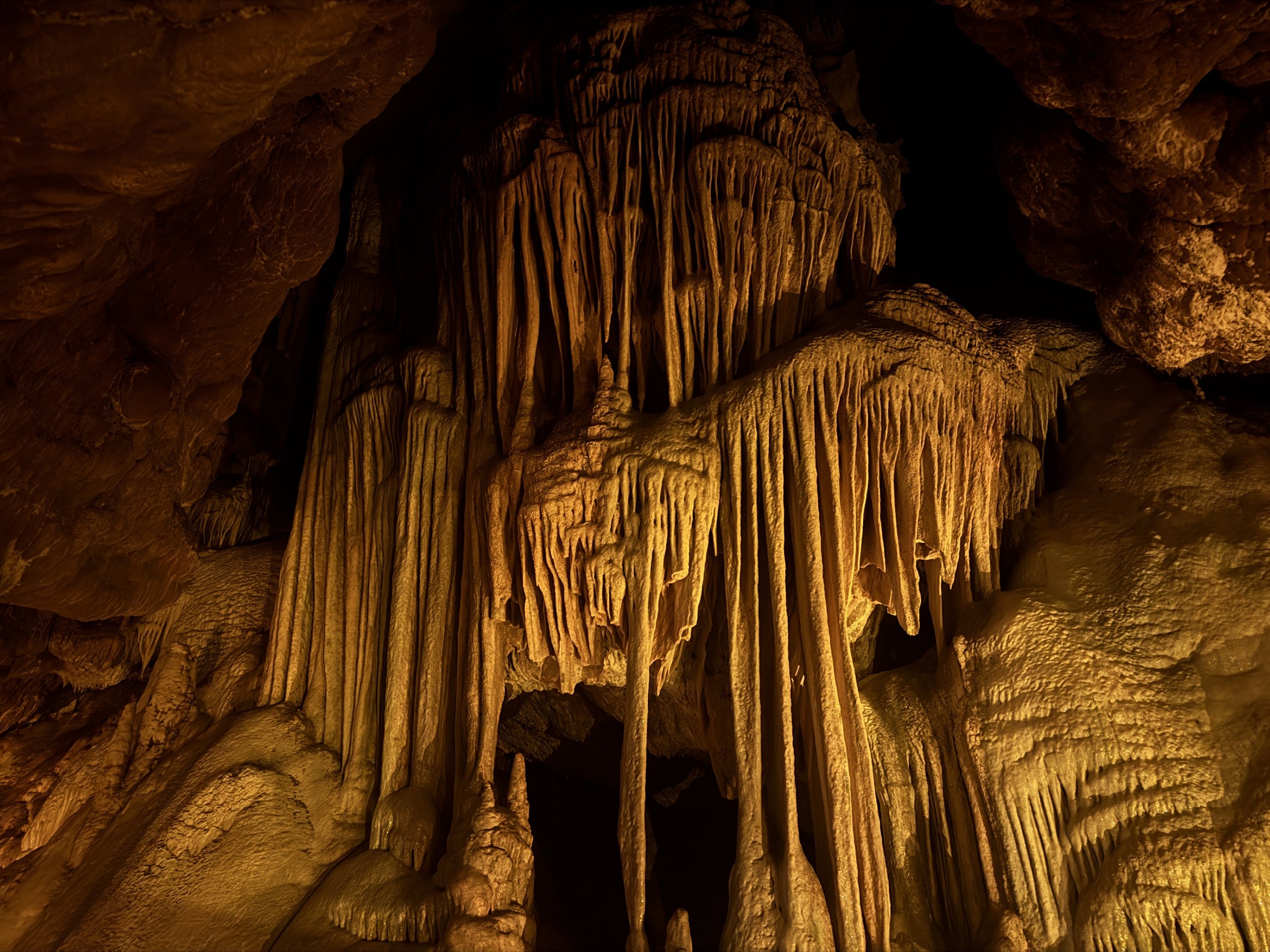
The cave maintains a stable internal temperature between 17 and 24 degrees Celsius (62 to 75 degrees Fahrenheit) year-round, with humidity around 45%. It also contains a wide variety of formations, including straw-like stalactites, travertines and patterned formations.
Among its most notable features are two of the longest and heaviest known stalactites in the world, each approximately 7 meters (23 feet) long and weighing around 6.5 to 7 tons, still actively forming and not yet touching the ground.
Yağıbasan Madrassa, built in the 12th century during the Danishmendid period by Nizameddin Yağıbasan, is considered one of the earliest madrassas in Anatolia.
Located near Tokat Castle, the structure features a domed, closed courtyard design and is regarded as an important example of early Turkish-Islamic architecture. It later became a center for religious studies as well as mathematics and astronomy, particularly during the Ottoman era.
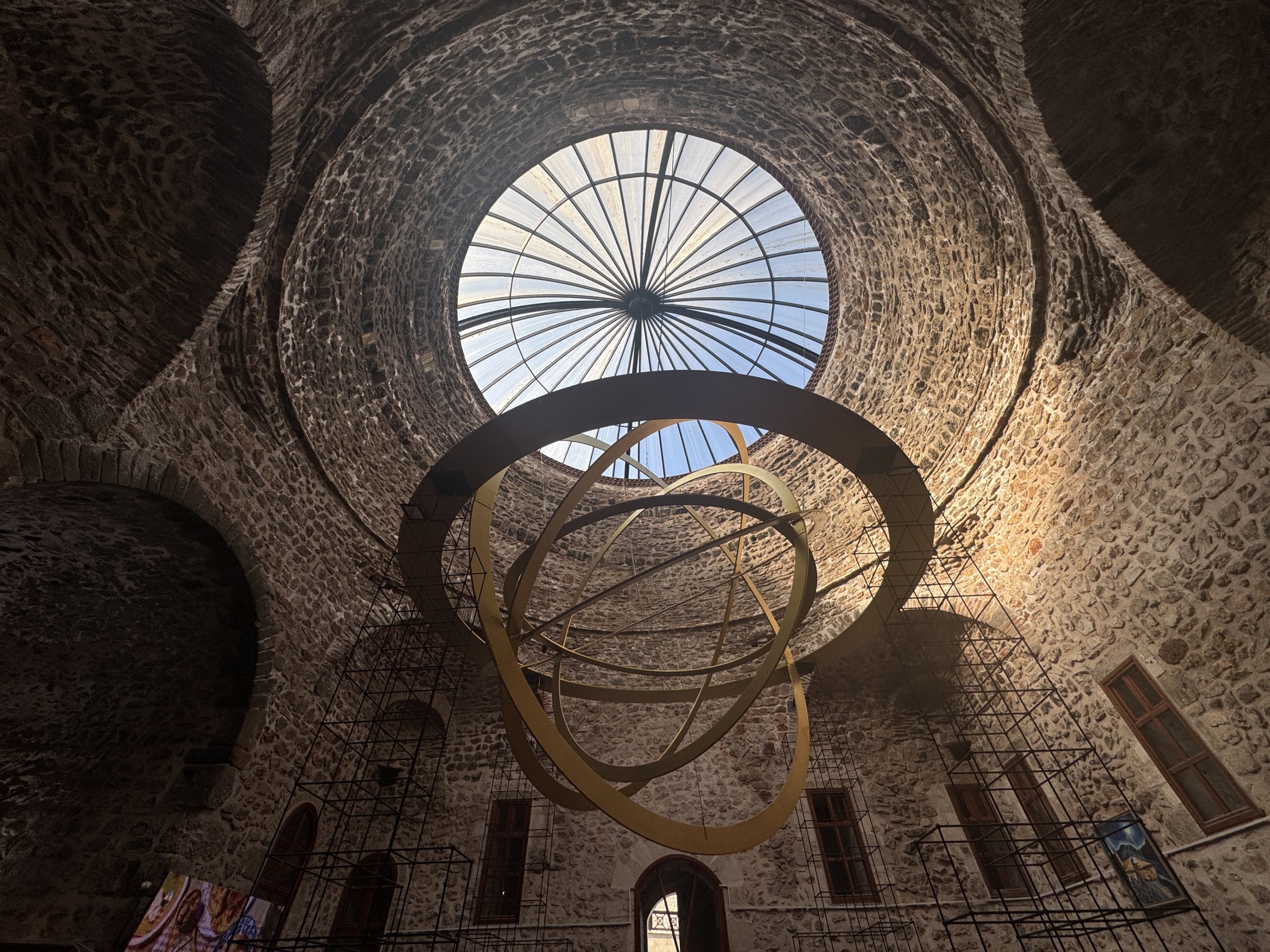
Today, it serves as the Museum of Turkish Islamic Science History.
The city’s museum tradition began in 1926 in the Gökmedrese building, originally a Seljuk-era medical school. Today, Tokat Museum operates in the Ottoman-era Arastalı Bedesten.
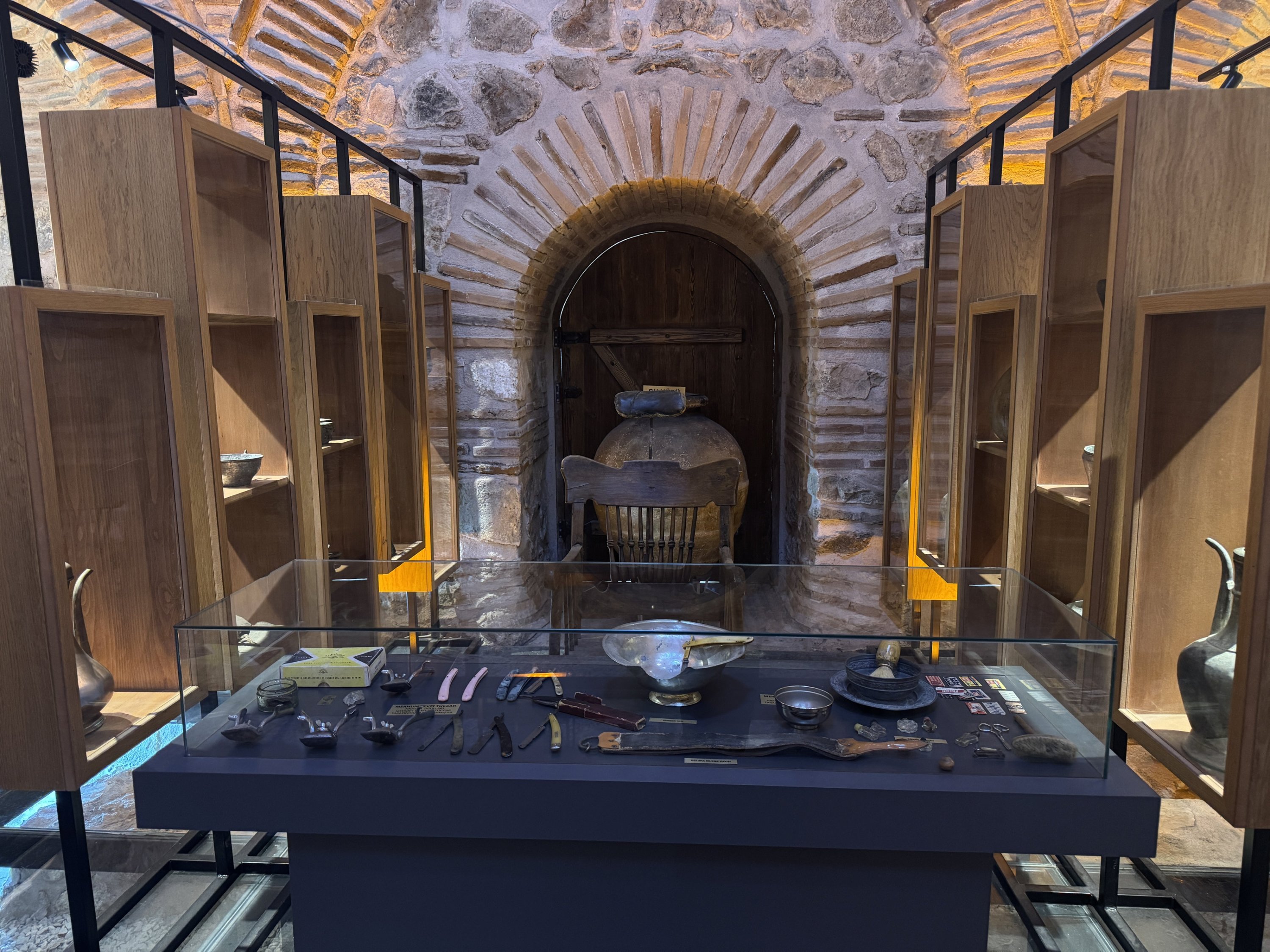
The museum brings together thousands of archaeological and ethnographic artifacts, offering a comprehensive view of the region’s multi-layered history and the civilizations that once ruled it.
One of Tokat’s most important Ottoman commercial buildings is Taşhan, a 17th-century two-story inn that once served as a major trade and lodging center for merchants.
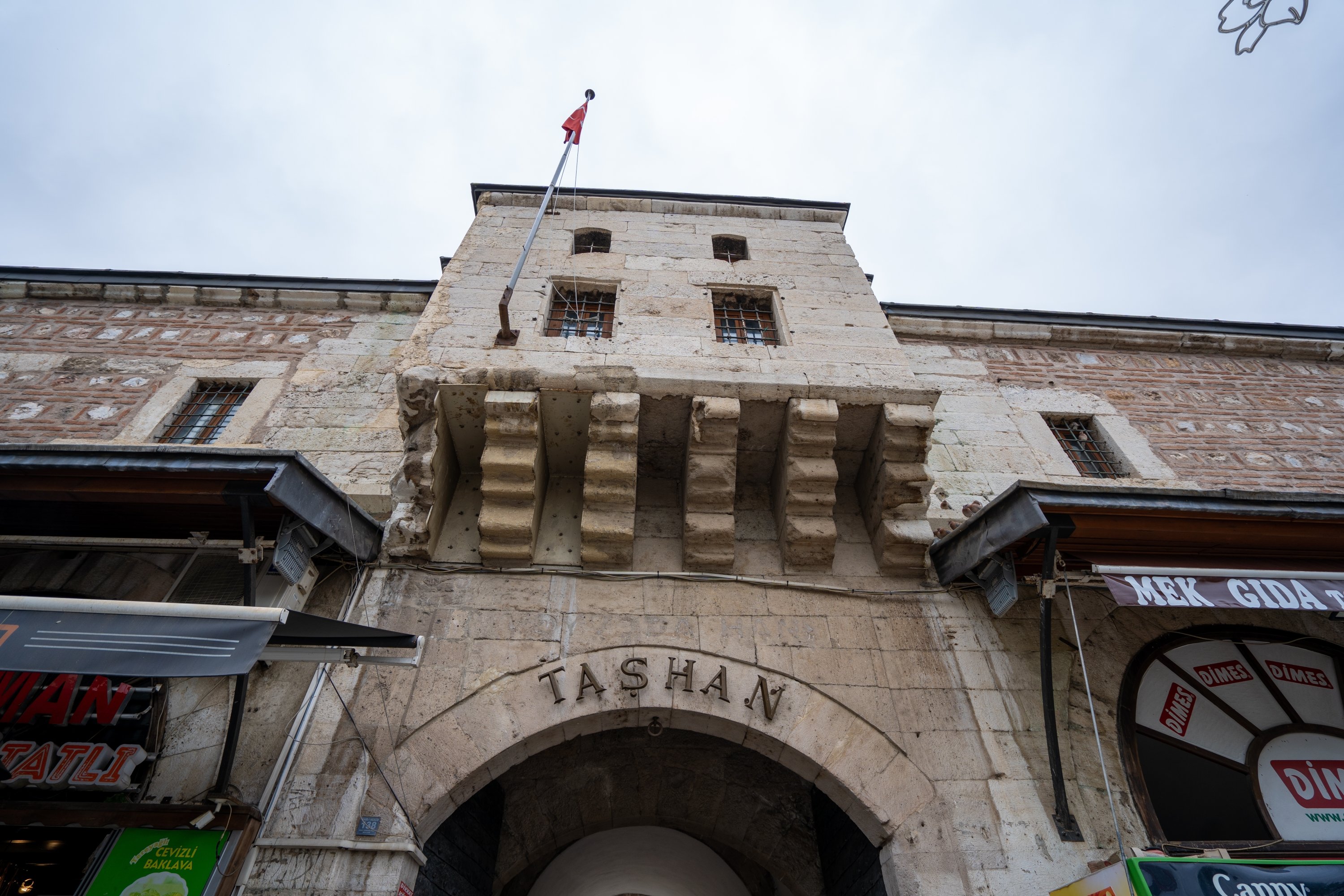
With its large courtyard and rows of shops, it remains a cultural and tourist attraction today, reflecting the city’s historic role in regional commerce.
Melik Ahmet Gazi Tomb is associated with Danishmendid leader Melik Ahmed Gazi, although the exact date of construction is unknown due to the absence of inscriptions.
The structure features a near-square plan, a domed roof resting on an octagonal drum and a central sarcophagus inside. It is considered an important example of early Anatolian tomb architecture.
In nearby Niksar, the Roman-era military structure known as the Roma Arsenali (Niksar) highlights the region’s long military history. The building is believed to have been used as an ammunition depot and later modified during the Byzantine period. Excavations have uncovered human remains, and restoration efforts are ongoing.
Also in the district is Niksar Kalesi, a fortress used continuously from antiquity through the Ottoman period. It served successive empires including the Romans, Byzantines, Danishmendids, Seljuks and Ottomans.
The historic Niksar Arasta bazaar, believed to date to the 17th-18th centuries, continues to reflect the area’s long-standing commercial tradition.
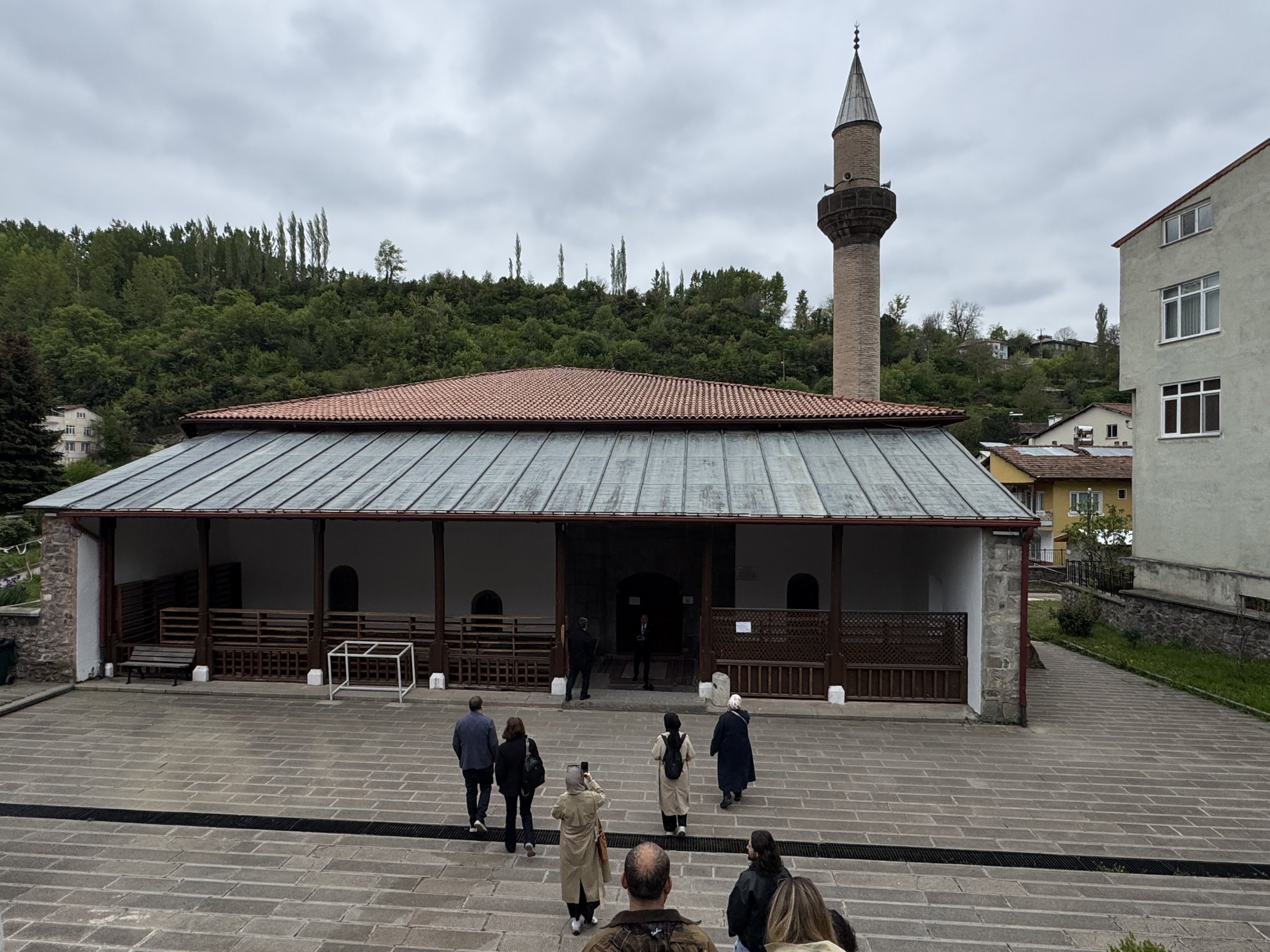
Ulu Camii (Mosque) was originally built during the Danishmendid period. The rectangular mosque features two covered courtyard sections to the east and west and remains an important example of early Anatolian Turkish religious architecture.
Almus Baraj Lake, formed by the damming of the Yeşilırmak River, is one of Tokat’s key natural attractions. It supports irrigation, energy production and fishing activities.
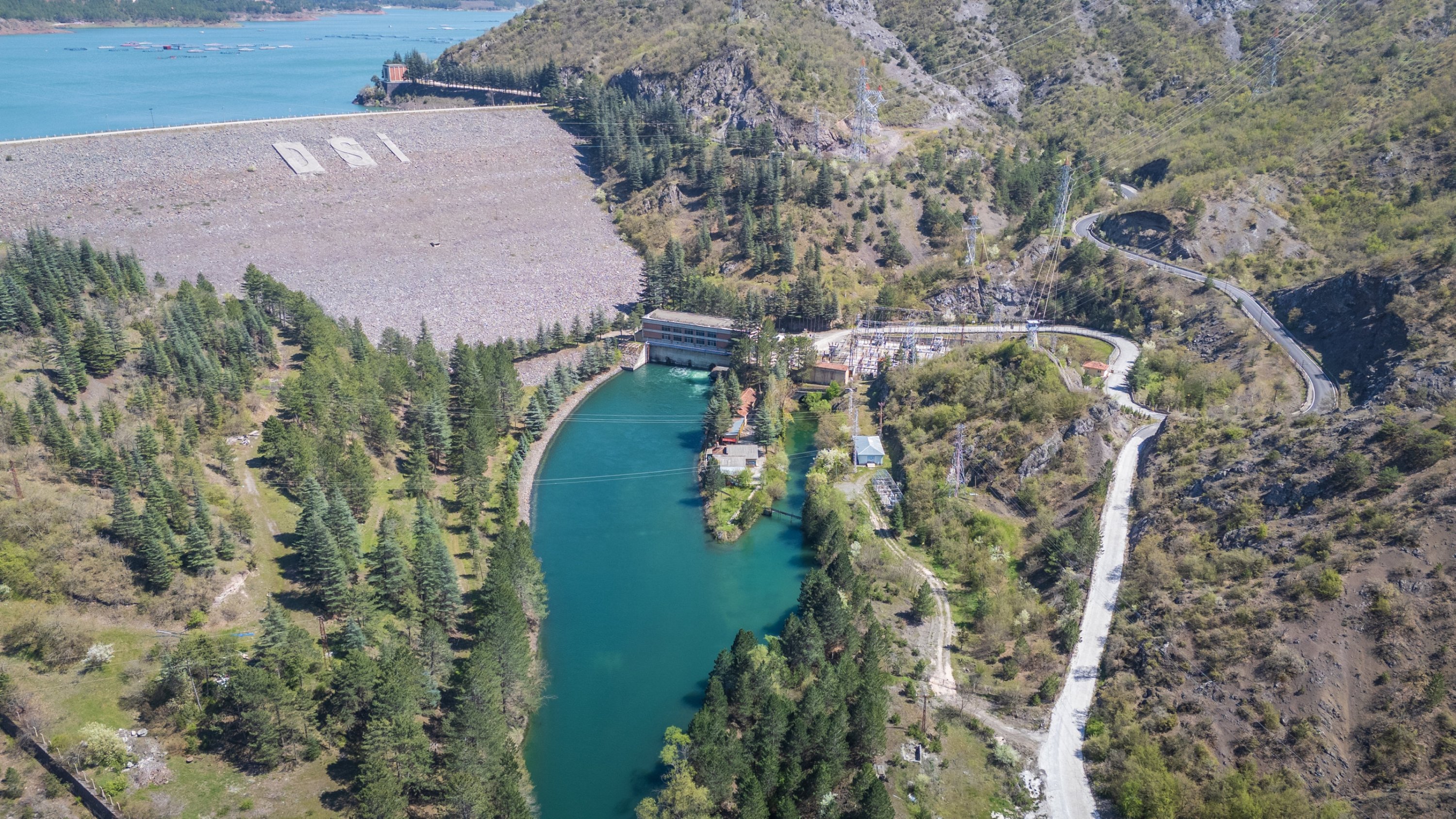
Nearby, the Almus Botanical Park offers walking paths, picnic areas and diverse plant life, making the region a popular destination for outdoor recreation.
Tokat’s cuisine reflects its diverse cultural heritage. Signature dishes include Tokat kebab, the savory pastries Tokat yağlısı, Tokat çökeleklisi and Tokat katmeri, eggplant with peas (pehlili patlıcan), the meat and barley stew keşkek, fava bean stuffed grape leaves, a lentil-based appetizer called bat and the plum dessert, erik çiri.