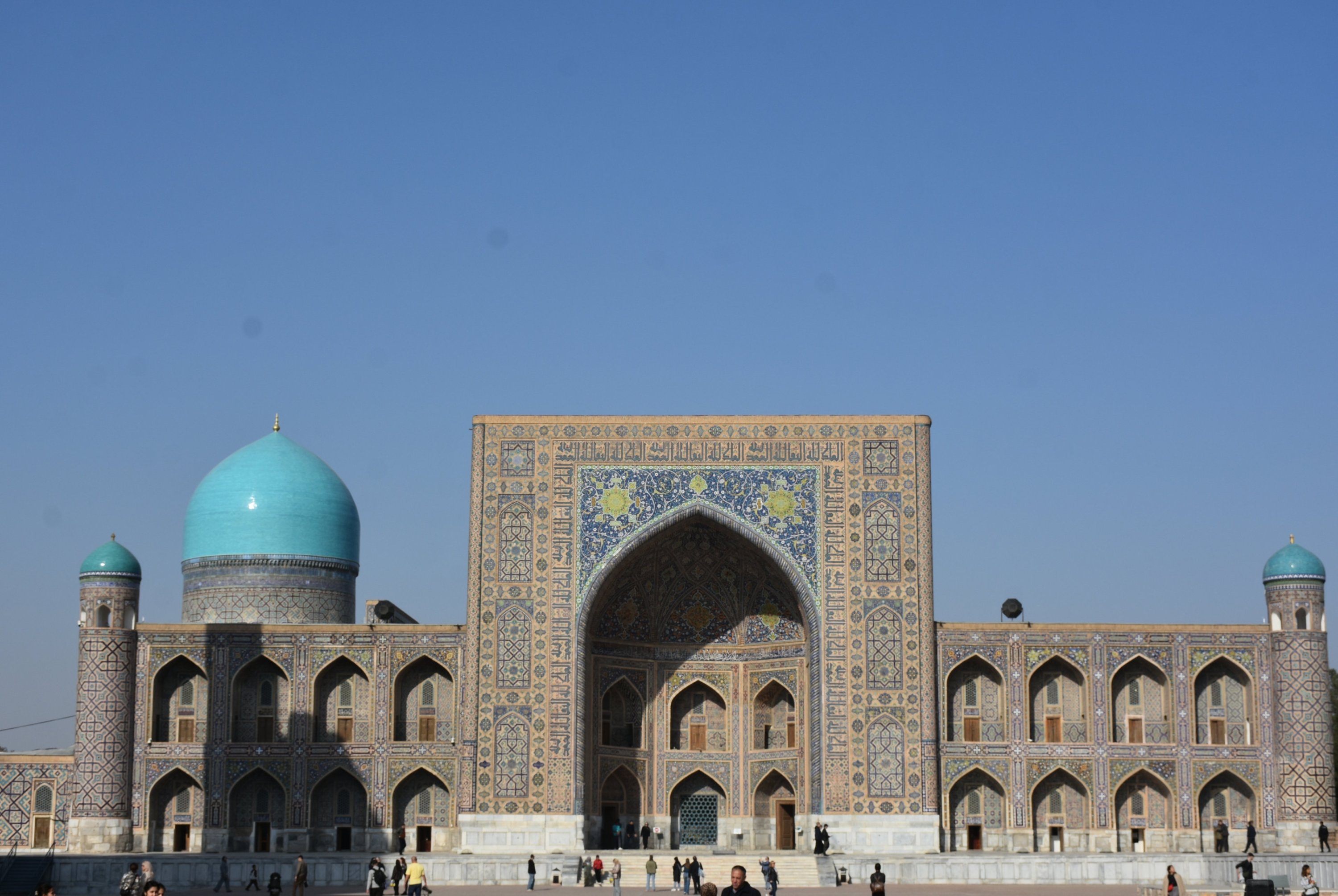
The cities of Samarkand and Tashkent have long been central to science, culture and religion in Uzbekistan. Samarkand, historically a hub of learning and art and Tashkent, the country’s capital since independence in 1991, continue to attract scholars, students and tourists alike.
Uzbekistan, with a population of over 37 million, has a rich history marked by both invasions and thriving dynasties. Its 12 provinces are predominantly Muslim, and its economy relies heavily on cotton, natural gas and gold.
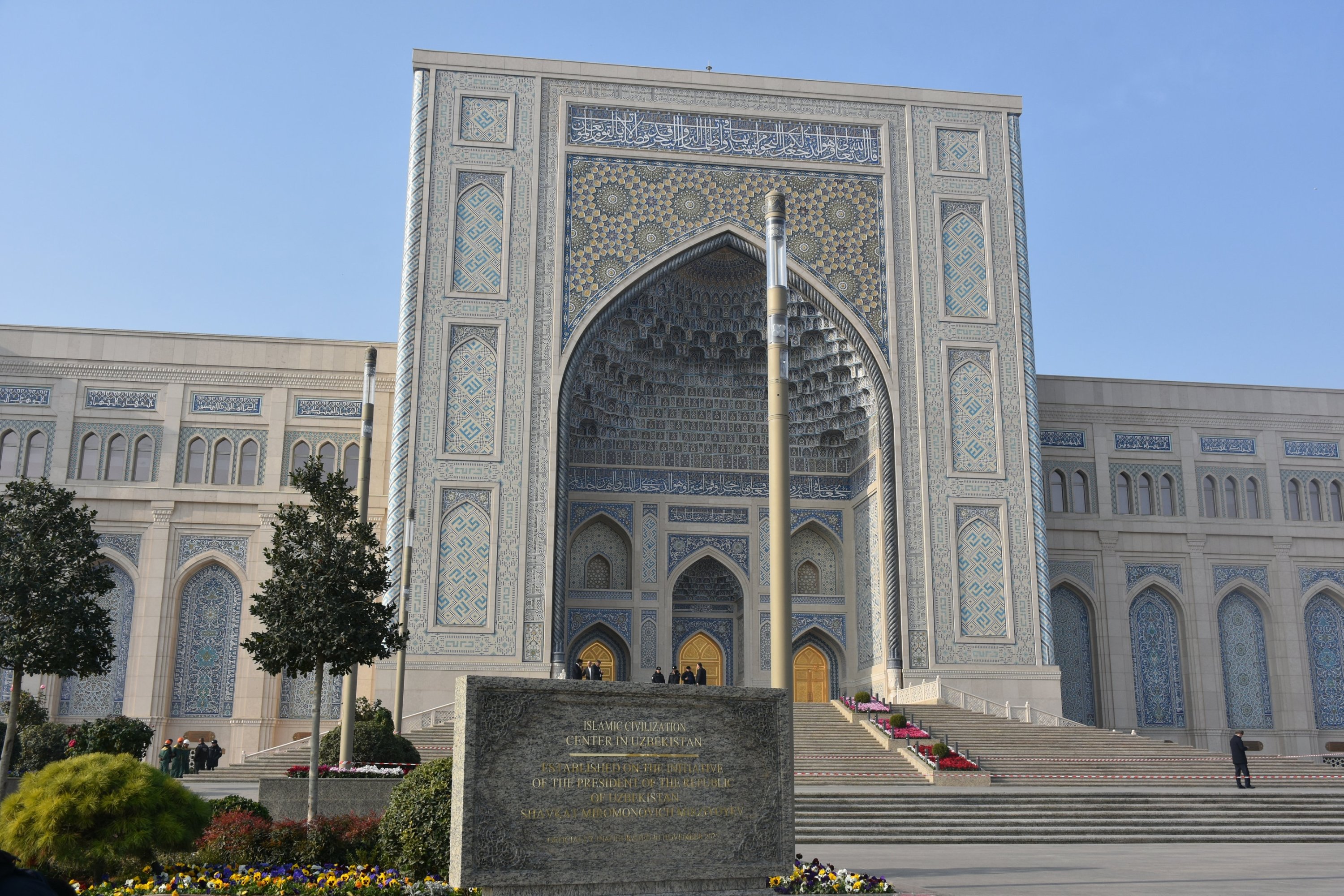
Tashkent is divided into old and new districts. The city’s historic core, now known as Old Tashkent, was largely destroyed in a massive 8.0 magnitude earthquake on April 26, 1966, leaving only 10% of the city intact. Among the surviving landmarks is the Barak Khan Madrassa in the Hazrati Imam Complex, a striking reminder of the city’s scholarly past.
Madrassa buildings, once centers of learning with low doors to encourage humility, now house local crafts, traditional clothing and souvenirs. Nearby, the tomb of Abu Bakr Muhammad Kaffal al-Shashi honors the scholar known for introducing Islam to nomadic tribes. Little is known about al-Shashi’s life, but his studies in Baghdad on Islam, astronomy and mathematics continue to influence religious institutions across Muslim countries.
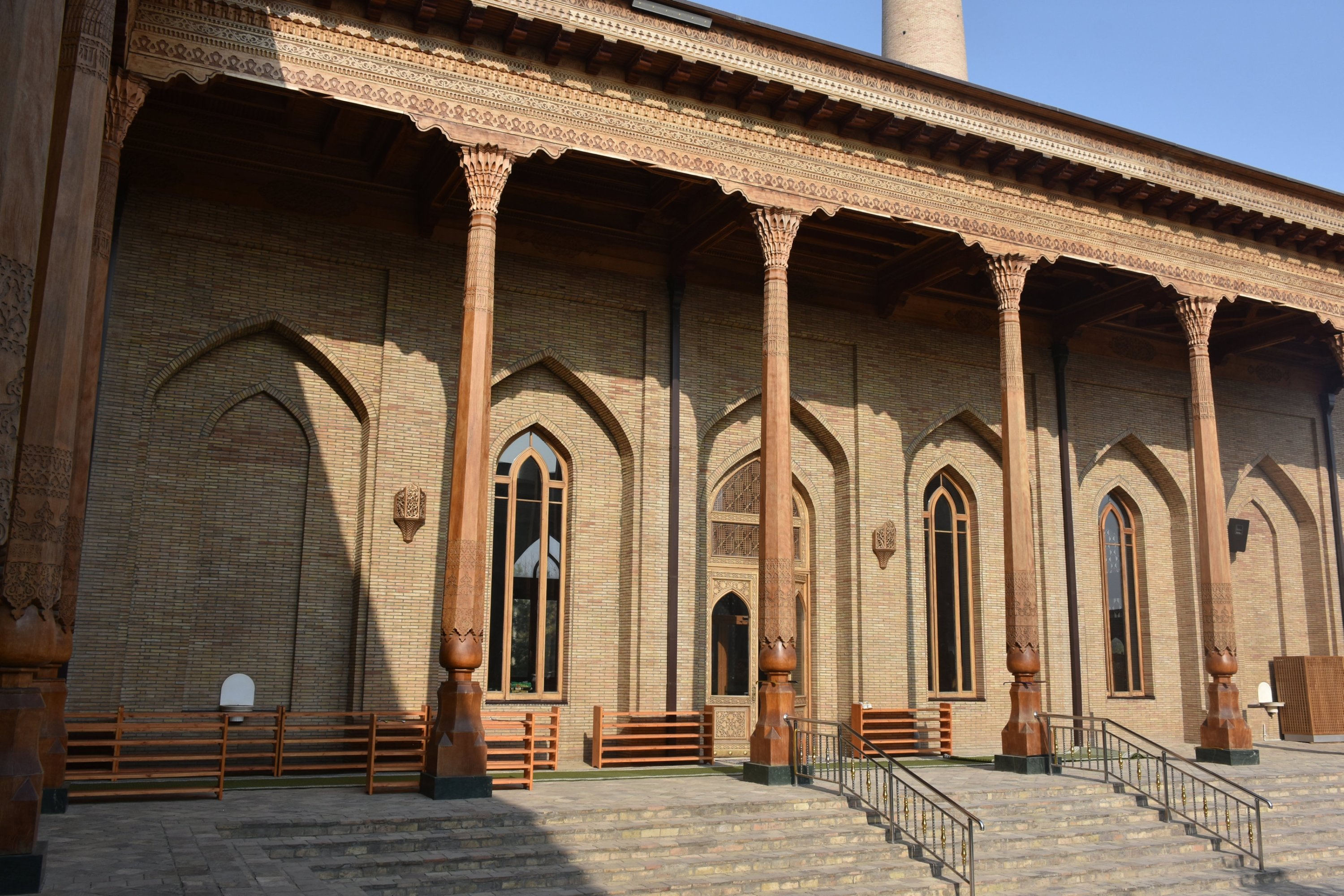
Woodcarving remains a key art form in Uzbekistan. The Hazrat Imam Mosque, built in 2007, features intricately carved wooden columns and two 16th-century-style minarets. The 14th-century Suzuk-Ota Mosque boasts the largest dome in Tashkent, designed to carry sound throughout the building before microphones existed. Historical and modern techniques are combined, with brick domes alongside metal-supported structures.
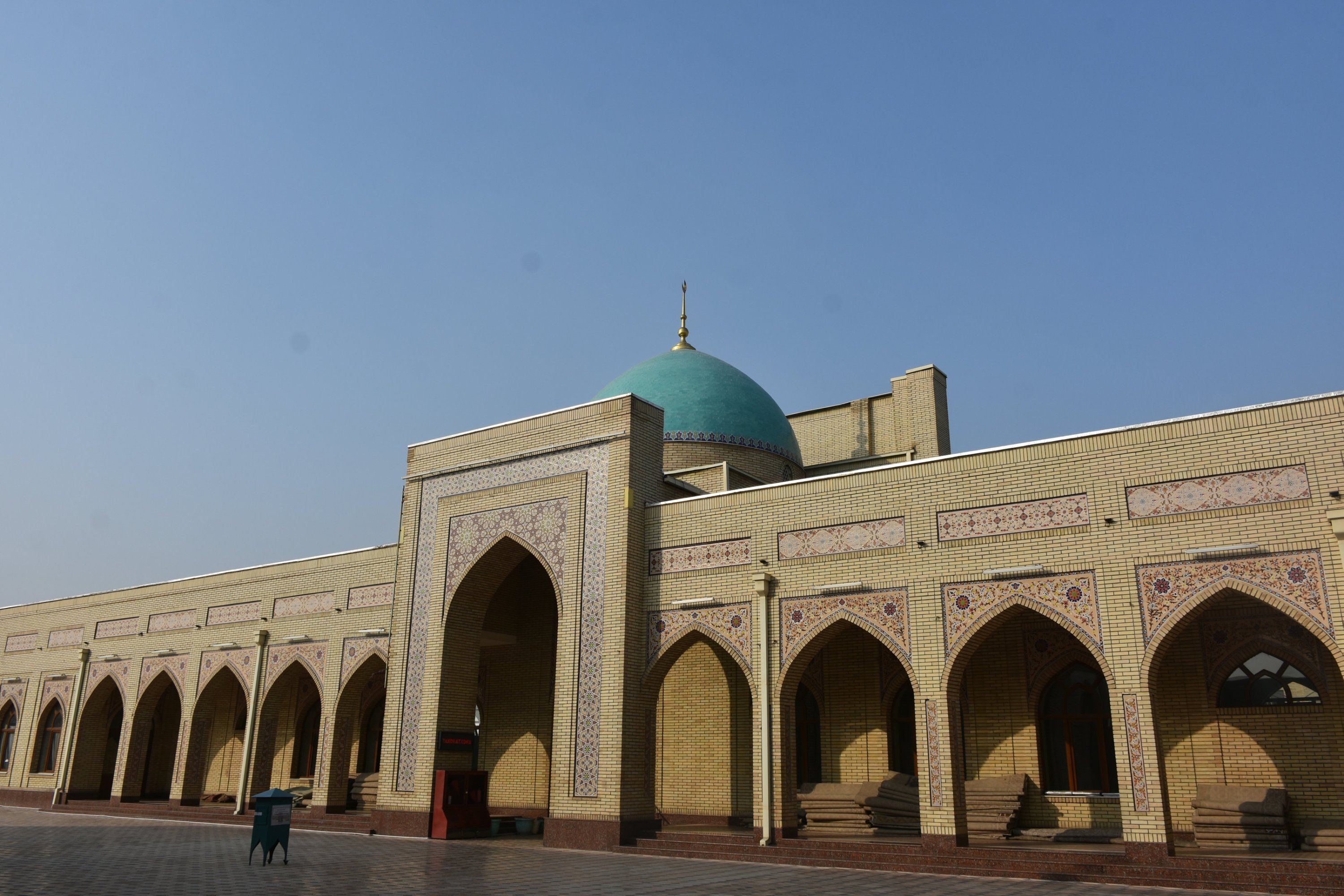
The Museum of Applied Art of Uzbekistan in Tashkent highlights over 7,000 works of traditional folk art, spanning from the early 19th century to the present. Its architecture echoes historic mosques and late-19th-century aristocratic homes, with decorative motifs reflecting Uzbekistan’s cotton and silk industries.
Located along the Silk Road, Samarkand flourished under Emir Timur and his descendants, becoming a center of science, culture and art. The city, meaning “rich city,” is divided into old and new areas. UNESCO restrictions prevent high-rise construction in the modern district to preserve its historic character.
The old city, Afrasiyab, was destroyed by Genghis Khan in the 13th century and rebuilt by Timur in the 14th century. Today, visitors are drawn to its famous Registan Square, home to three historic madrassas: Ulugh Beg, Tilya Kori and Sher‑Dor. Seismic activity and soft ground cause the buildings to gradually sink into the sand, adding to their unique charm.
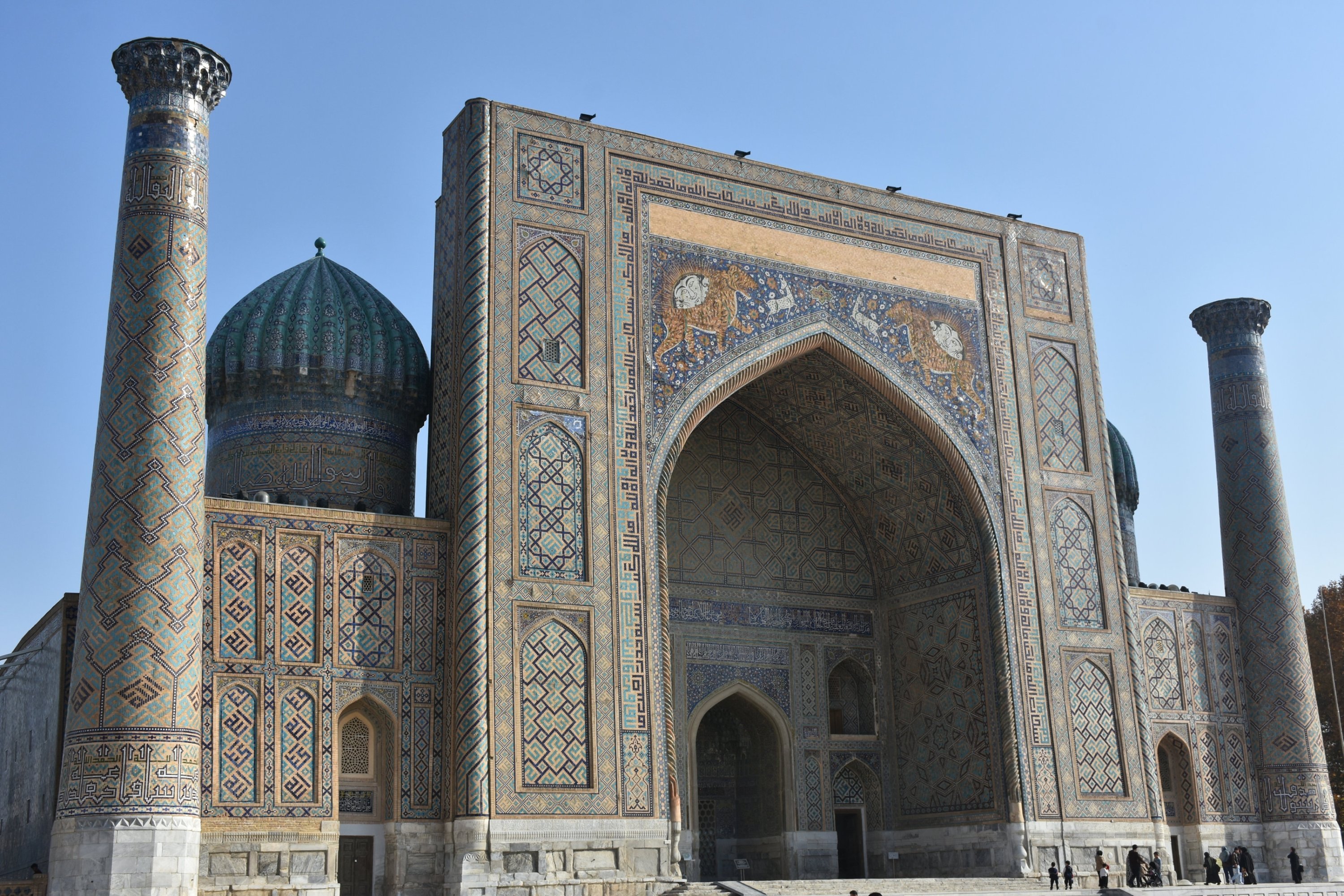
Ulugh Beg Madrassah, functioning as a university, was founded in the 15th century by Timur’s grandson, Ulugh Beg, who also taught students. Mathematics, philosophy, geography, music and religious studies were part of the curriculum, cementing Samarkand’s reputation as a center of learning. Tilla-Kari Madrassa, also known as the “Gold-Plated Madrassa,” served as both a school and mosque, while Shir-Dor Madrassa focused on religious education.
Visitors admire the low doorways of the madrasas, designed to instill respect for knowledge and the city’s culture of deference is reflected even in tea-serving ceremonies.
Uzbekistan is home to many tombs and mosques. The mausoleum of Islam Karimov in Tashkent, built in 2016-2017 under President Shavkat Mirziyoyev, honors the nation’s first president, Islam Karimov. Hazrat Khizr Mosque, dating back to pre-Islamic Zoroastrian times, is considered the first Muslim mosque in the region.
Bibi Khanum Mosque, commissioned by Timur and completed with his wife Bibi Khanum’s oversight, bears her name. Timur’s family tombs, including many of his descendants, are in Samarkand. Imam Bukhari, a prominent Islamic scholar born in Bukhara and buried in Samarkand, draws Muslim pilgrims from across the world.
Samarkand’s legacy of knowledge, artistry and religious devotion continues to shape Uzbekistan’s identity, preserving the grandeur of its past for generations to come.