Daily Sabah logo

Politics
Diplomacy Legislation War On Terror EU Affairs Elections News Analysis
TÜRKİYE
Istanbul Education Investigations Minorities Expat Corner Diaspora
World
Mid-East Europe Americas Asia Pacific Africa Syrian Crisis Islamophobia
Business
Automotive Economy Energy Finance Tourism Tech Defense Transportation News Analysis
Lifestyle
Health Environment Travel Food Fashion Science Religion History Feature Expat Corner
Arts
Cinema Music Events Portrait Reviews Performing Arts
Sports
Football Basketball Motorsports Tennis
Opinion
Columns Op-Ed Reader's Corner Editorial
PHOTO GALLERY
JOBS ABOUT US RSS PRIVACY CONTACT US
© Turkuvaz Haberleşme ve Yayıncılık 2025

Daily Sabah - Latest & Breaking News from Turkey | Istanbul

  • Politics
    • Diplomacy
    • Legislation
    • War On Terror
    • EU Affairs
    • Elections
    • News Analysis
  • TÜRKİYE
    • Istanbul
    • Education
    • Investigations
    • Minorities
    • Expat Corner
    • Diaspora
  • World
    • Mid-East
    • Europe
    • Americas
    • Asia Pacific
    • Africa
    • Syrian Crisis
    • Islamophobia
  • Business
    • Automotive
    • Economy
    • Energy
    • Finance
    • Tourism
    • Tech
    • Defense
    • Transportation
    • News Analysis
  • Lifestyle
    • Health
    • Environment
    • Travel
    • Food
    • Fashion
    • Science
    • Religion
    • History
    • Feature
    • Expat Corner
  • Arts
    • Cinema
    • Music
    • Events
    • Portrait
    • Reviews
    • Performing Arts
  • Sports
    • Football
    • Basketball
    • Motorsports
    • Tennis
  • Gallery
  • Opinion
    • Columns
    • Op-Ed
    • Reader's Corner
    • Editorial
  • TV
  • Opinion
  • Columns
  • Op-Ed
  • Reader's Corner
  • Editorial

US-Russia affairs: No more 'Rocky' at the White House?

by Kılıç Buğra Kanat

Feb 23, 2021 - 12:05 am GMT+3
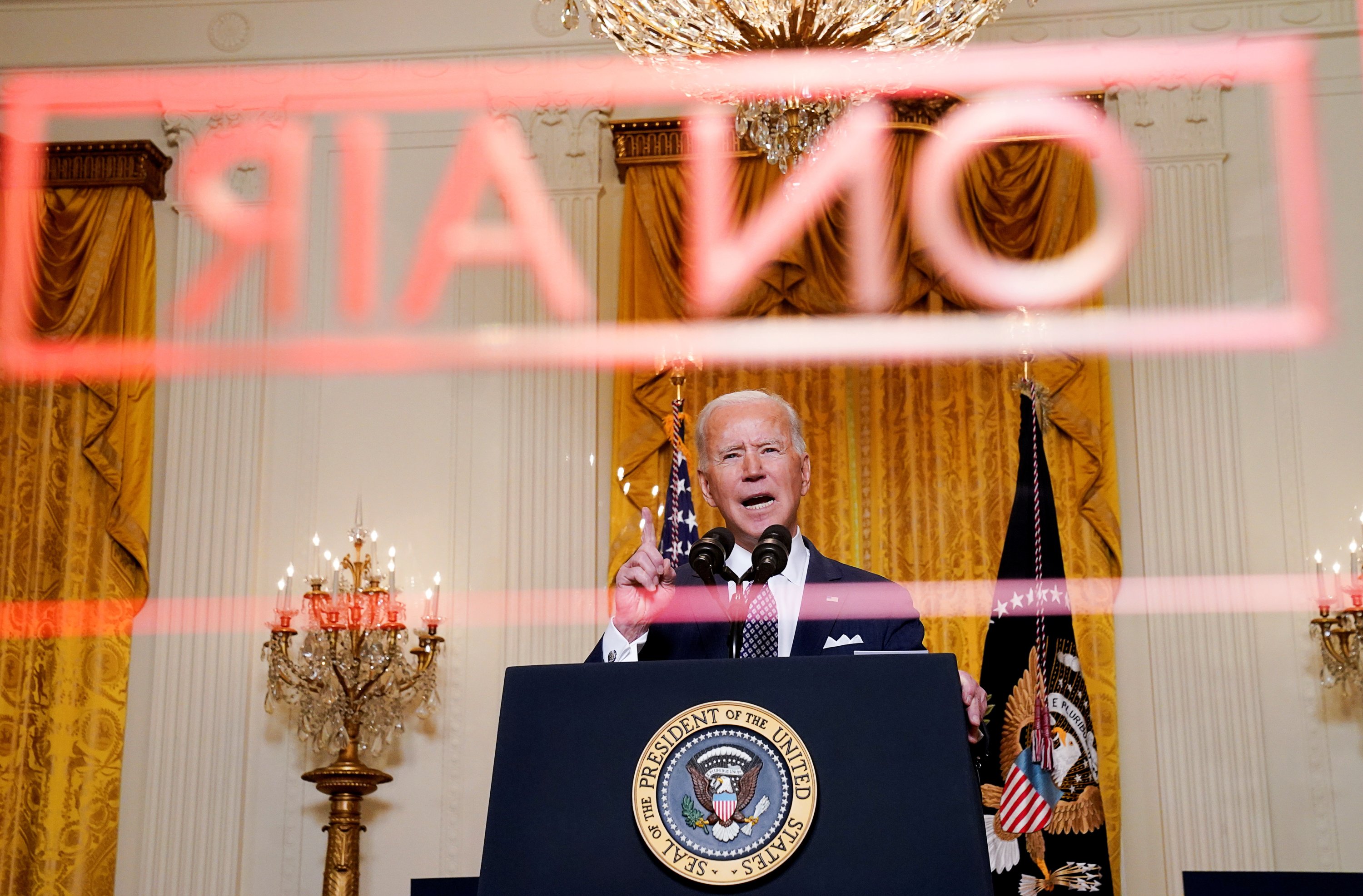
U.S. President Joe Biden delivers remarks during the Munich Security Conference virtual event, at the White House, Washington, D.C., the U.S., Feb.19, 2021. (Reuters Photo)
by Kılıç Buğra Kanat Feb 23, 2021 12:05 am

It has become commonplace for incoming U.S. administrations to revise the nation's foreign policy toward Russia. In some instances, it can be as ambitious as former President Barack Obama's “reset.”

The objective is rather clear. Every new administration believes that their predecessors failed to realize that there is a need for a recalibration of policy following the end of the Cold War.

For instance, during the 2008 presidential election, Democrats suggested that Republicans were approaching the Russian policy from a Cold War perspective. Former U.S. Secretary of State John Kerry even said that it was not “Rocky IV” anymore.

Despite this accurate analysis of Washington-Moscow relations, however, every new administration fails to formulate and implement a new Russian policy.

Following ups and downs in bilateral ties, there has been a continuous downward trend in the last few years.

The ambivalence and controversy in the two nations' relations during Donald Trump's presidency even transformed Russia into a domestic policy debate in the U.S.
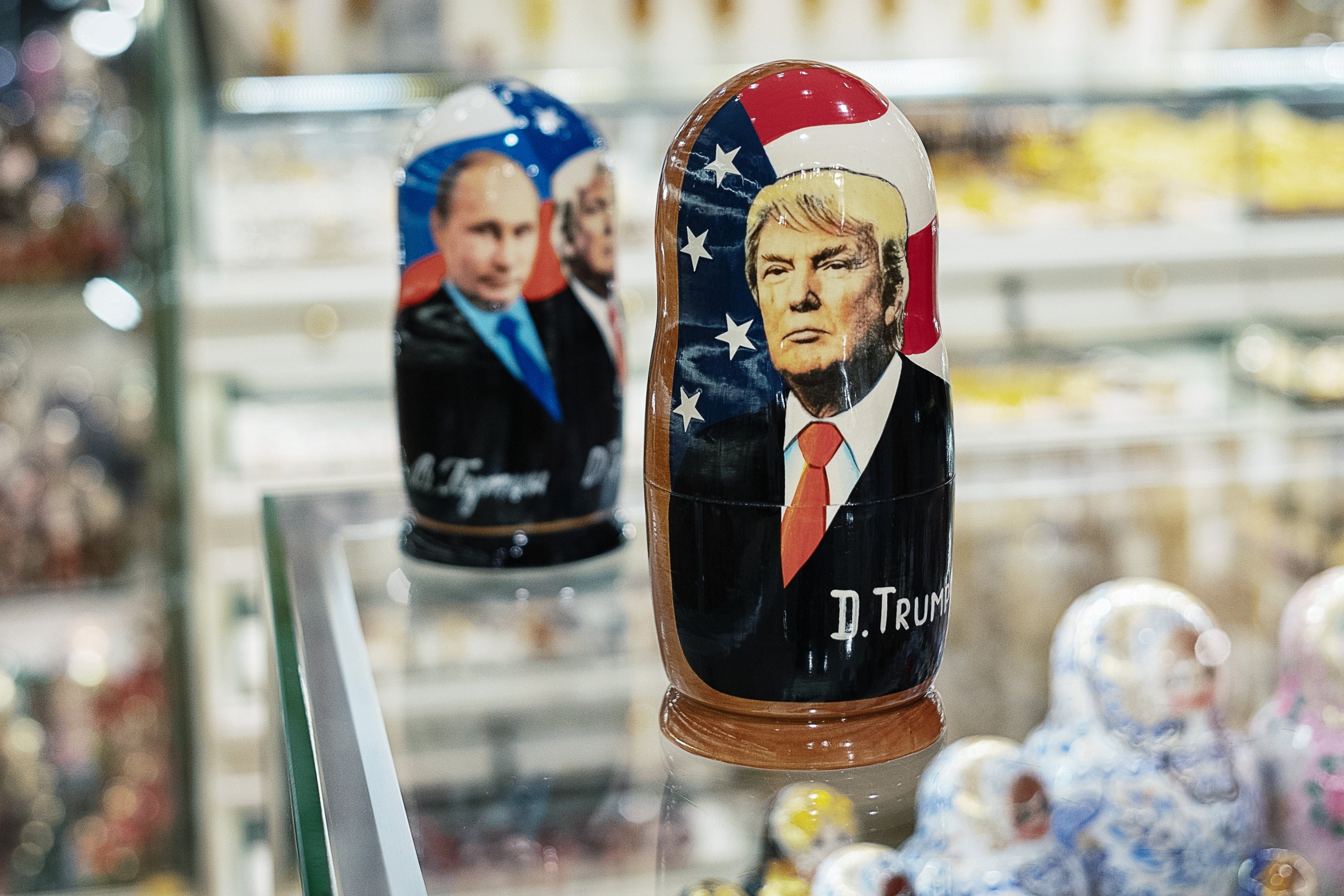
A souvenir shopkeeper displays Matryoshka dolls featuring Russian President Vladimir Putin (L) and then-U.S. President Donald Trump, Moscow, Russia, Dec. 3, 2019. (Photo by Getty Images)

Since the November election last year, there have been a lot of questions about how President Joe Biden will change U.S. foreign policy toward Russia.

While campaigning, Biden called Russia America's most significant strategic threat and routinely criticized Trump for being too soft on President Vladimir Putin. Biden even called the Trump administration a gift to Putin, comments reminiscent of Republican candidate Mitt Romney's criticism of the Obama administration in the 2012 presidential election.

The Munich statements

Nothing reveals this up and down in the relations better than Biden's remarks at the Munich Security Conference.

For at least 12 years now, Biden has attended the conference several times and made statements about U.S. foreign policy.

A particular dimension of his remarks concerns Washington's Moscow policy. In 2009, as the newly elected vice president, Biden offered a “reset” with Russia while addressing issues of mutual concern. There was a high degree of optimism about things the two countries could achieve together.

Later in 2013, when Biden delivered his remarks in Munich, he was still cautiously hopeful. He mentioned things that the U.S. and Russia did together over the previous four years, including reaching a new Strategic Arms Reduction Treaty (START) agreement, working together on resolving the Iranian nuclear program crisis and having a dialogue about the North Korean nuclear program.

During these years, the two countries also increased their economic relations. This cautious optimism, however, needed a serious “rethink” following the crises in Ukraine and concerning Edward Snowden.

In 2015 when Biden attended the Munich Security Conference, he stated that Putin followed a different path and preferred confrontation rather than conciliation with the U.S. The tone of his speech sounded extremely disappointed and pessimistic.

In 2018, Biden attended the summit as the former vice president following the crisis between the two countries over the 2016 election meddling. While Trump was willing to work with Moscow, Biden talked about how Russia was a threat to the liberal international order. He was frustrated with Putin's foreign policy over the previous years and called for unity between Europe and the U.S. to counter this danger.

The final atmosphere

Once more, Biden recently addressed the threat Russia poses to the liberal international order, but more significantly, he was searching for common ground between America and Europe on Moscow.

Now, everybody is waiting to see how much the Biden administration can achieve toward reaching this goal of having a sustainable and long-term policy. At the next Munich Security Conference, the Biden administration's message to Europe about Russia will demonstrate the outcome of his position.


About the author
Kılıç Buğra Kanat is Research Director at SETA Foundation at Washington, D.C. He is an associate professor of Political Science at Penn State University, Erie.
  • shortlink copied
  • KEYWORDS
    us-russia relations joe biden us foreign policy munich security conference
    The Daily Sabah Newsletter
    Keep up to date with what’s happening in Turkey, it’s region and the world.
    You can unsubscribe at any time. By signing up you are agreeing to our Terms of Use and Privacy Policy. This site is protected by reCAPTCHA and the Google Privacy Policy and Terms of Service apply.
    No Image
    First full moon of 2022: The wolf moon graces the skies
    PHOTOGALLERY
    • POLITICS
    • Diplomacy
    • Legislation
    • War On Terror
    • EU Affairs
    • News Analysis
    • TÜRKİYE
    • Istanbul
    • Education
    • Investigations
    • Minorities
    • Diaspora
    • World
    • Mid-East
    • Europe
    • Americas
    • Asia Pacific
    • Africa
    • Syrian Crisis
    • İslamophobia
    • Business
    • Automotive
    • Economy
    • Energy
    • Finance
    • Tourism
    • Tech
    • Defense
    • Transportation
    • News Analysis
    • Lifestyle
    • Health
    • Environment
    • Travel
    • Food
    • Fashion
    • Science
    • Religion
    • History
    • Feature
    • Expat Corner
    • Arts
    • Cinema
    • Music
    • Events
    • Portrait
    • Performing Arts
    • Reviews
    • Sports
    • Football
    • Basketball
    • Motorsports
    • Tennis
    • Opinion
    • Columns
    • Op-Ed
    • Reader's Corner
    • Editorial
    • Photo gallery
    • DS TV
    • Jobs
    • privacy
    • about us
    • contact us
    • RSS
    © Turkuvaz Haberleşme ve Yayıncılık 2021