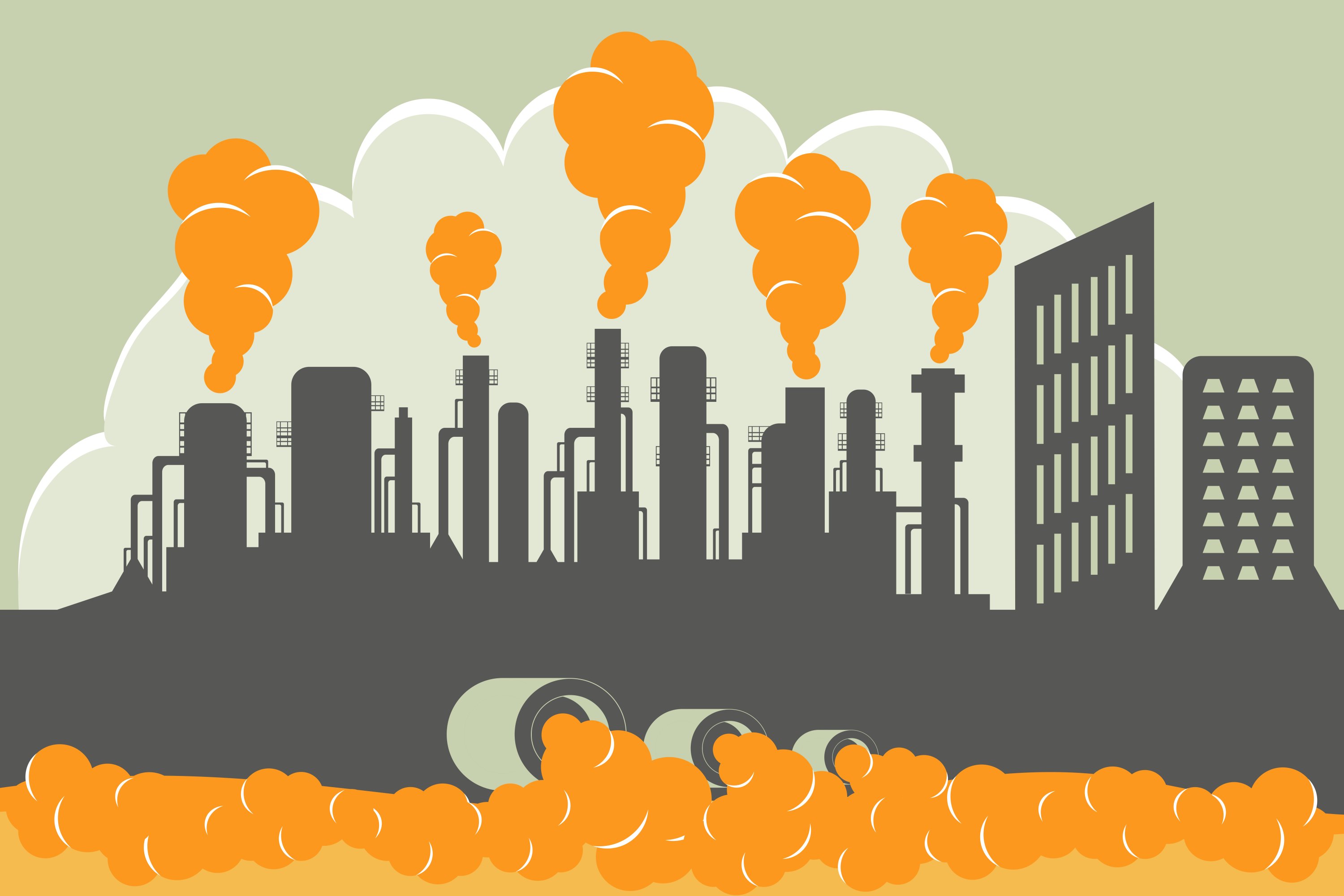
Climate change, while representing long-term variations in temperatures and weather patterns, can also occur naturally, such as changes in solar cycles. However, since the 1800s, human activities, primarily burning fossil fuels such as coal, oil and gas, have become the main driving force behind climate change.
Burning fossil fuels leads to greenhouse gas emissions, which trap the sun's heat, increase global temperatures, and act like a blanket surrounding the Earth. Examples of greenhouse gas emissions contributing to climate change include carbon dioxide and methane. These emissions result from driving a car using gasoline or heating a building with coal. Loss of land and deforestation can also contribute to the release of carbon dioxide. In addition, landfills are a significant source of methane emissions. Energy, industry, transportation, buildings, agriculture, and land use are among the primary sources of emissions.
Emissions continue to increase. As a result, the Earth is about 1.1 Celsius (2 degrees Fahrenheit) warmer than in the late 1800s, and the past decade has been recorded as the hottest period in history. Therefore, many people think that climate change primarily means higher temperatures.
However, the temperature rise is just the beginning of the story. Since the Earth's ecosystems are a complex interconnected system, changes in one area can impact all other sites. The consequences of climate change now include, among others, droughts, water scarcity, severe wildfires, rising sea levels, floods, melting polar ice caps, devastating storms and declining biodiversity.
Climate change can affect our health, food production capacity, shelter, safety and livelihood. Some of us, like those living in small island nations and other developing countries, are more vulnerable to the impacts of climate change. Conditions such as rising sea levels and saltwater intrusion into other freshwater sources have reached a point where entire communities may need to relocate, and prolonged droughts put people at risk of food shortages. As a result, an increase in the number of "climate refugees" is expected in the future.
In a series of United Nations reports, thousands of scientists agreed that limiting global temperature to no more than 1.5 degrees Celsius would help us avoid the worst climate impacts and preserve a livable climate. However, current policies indicate a temperature increase of 2.8 degrees Celsius by the end of the century.
Emissions causing climate change come from all over the world and affect everyone, but some countries produce much more than others. For example, while the least emitting 100 countries have only 3% of total emissions, the top 10 emitting countries contribute 68% of emissions. At this point, everyone should take action for the climate, but those who contribute the most to these conditions, both individuals and countries, have a greater responsibility to act first.
Many climate change solutions can provide economic benefits while improving our lives and preserving the environment. Global frameworks and agreements are guiding progress, such as the Sustainable Development Goals (SDG), the U.N. Climate Change Convention and the Paris Agreement. In this regard, three broad action categories emerge: reducing emissions, adapting to climate impacts and financing necessary regulations.
Transitioning energy systems from fossil fuels to renewable sources like solar or wind will reduce emissions that cause climate change. But we must start now. A coalition of growing countries commits to net-zero emissions by 2050, and about half of the emission reductions necessary to keep warming below 1.5 degrees Celsius should be implemented by 2030. Within this framework, fossil fuel production must decrease by approximately 6% annually between 2020 and 2030.
Adapting to climate impacts protects people, homes, businesses, livelihoods, infrastructure and natural ecosystems. This includes addressing current and anticipated effects. Adaptation to climate change will be necessary everywhere, but priority should be given without delay to the most vulnerable individuals with the least resources to cope with climate hazards. Steps taken in this direction can have high rates of return. For example, early warning systems for disasters save lives and assets and can provide benefits up to 10 times the initial cost.
Climate action requires significant financial investments from governments and businesses. However, inertia on climate change is much costlier. Therefore, fulfilling industrialized countries' commitment to providing $100 billion per year to developing countries is critical, enabling governments to adapt to climate change and transition towards greener economies.