As an African who loves football, I view the Africa Cup of Nations (AFCON) as a representation of the continent’s highest expression of the game. Few events on the global sports calendar bring Africa together the way AFCON does, because when it is on, the continent slows down, families gather, streets empty and national colors take over daily life.
For those of us who grew up watching it from the streets of Harare, Zimbabwe, AFCON has never been just football.
It is identity, pride and belonging, passed down through generations and carried in memory long after the final whistle.
That is why the 2025 edition in Morocco left me unsettled in ways I did not expect.
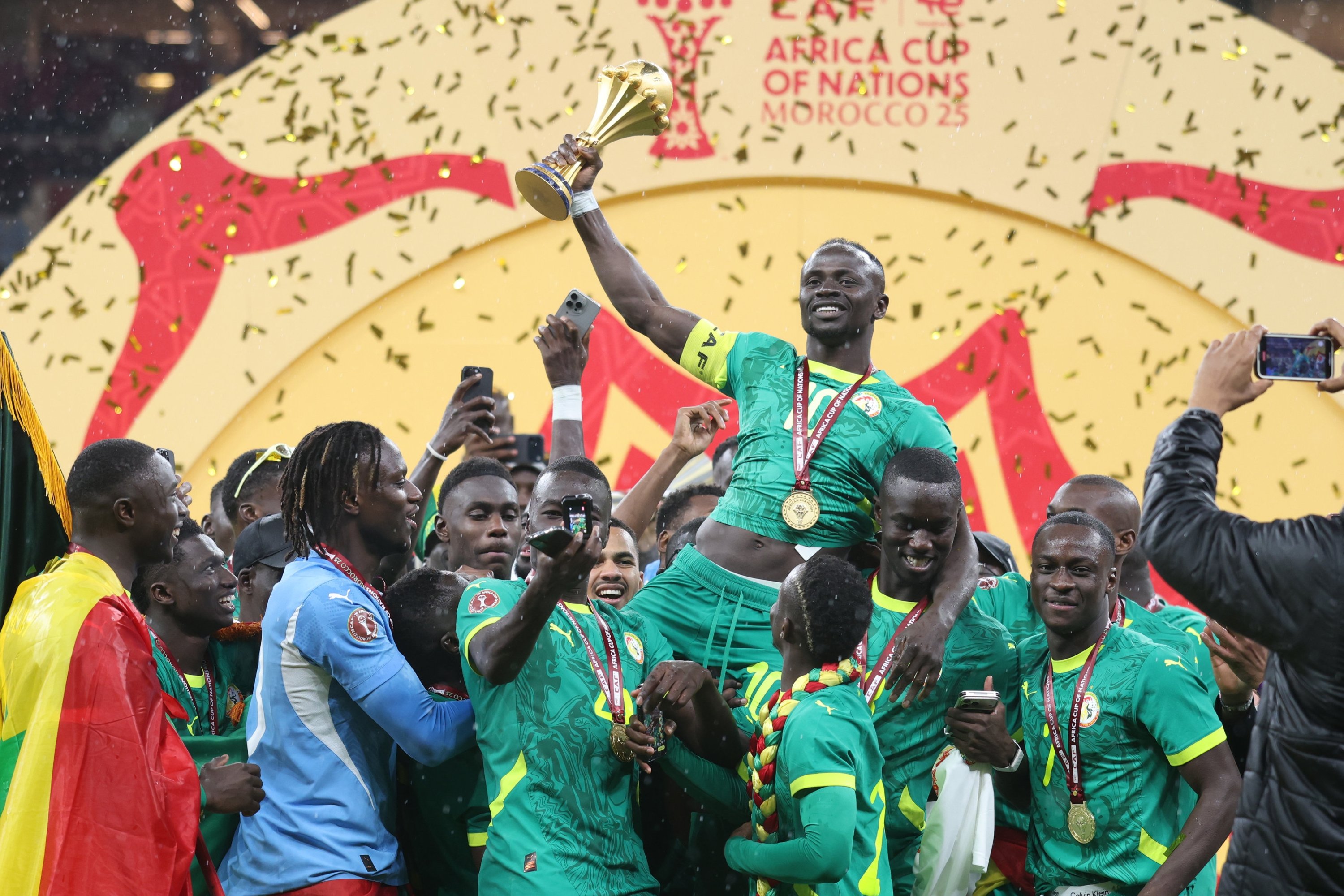
Senegal deservedly lifted the trophy on Sunday, beating hosts Morocco 1-0 after extra time in Rabat to claim their second AFCON title.
Pape Gueye’s winning goal was a moment of genuine quality in a final that otherwise struggled for fluency and rhythm.
Yet long before that strike hit the net, the tournament had already drifted away from what AFCON is supposed to represent.
From the opening rounds, the competition felt tense in the wrong ways, as if something fundamental was slightly out of place.
Refereeing decisions repeatedly dominated the conversation, particularly in matches involving the host nation and VAR reviews became a source of confusion rather than clarity.
Decisions felt inconsistent, explanations were largely nonexistent and suspicion filled the vacuum.
Even in moments where there was no clear evidence of wrongdoing, the absence of transparency allowed doubt to grow and once fans begin to believe a tournament is tilted, the damage is already done.
AFCON has long battled questions of credibility and this edition did little to quiet them.
The organizational cracks were impossible to miss.
Morocco boasts world-class stadiums, yet match after match was played in front of visibly empty stands.
Ticketing systems were confusing and restrictive, black-market prices soared and many genuine fans were locked out of a tournament meant for them.
One moment captured that failure perfectly for me when organizers opened stadium gates for free during Egypt’s group-stage match against my Warriors of Zimbabwe simply to avoid the embarrassment of vast empty sections.
Despite being underdogs, Zimbabwe had qualified on merit and earned their place on the continental stage, yet still found themselves playing in a half-empty stadium that only filled once tickets stopped costing anything at all.
That image stayed with me because it felt symbolic, as if certain teams were reduced to background actors in someone else’s show.
What happened on the pitch did little to ease that discomfort.
Discipline frayed quickly and Nigeria goalkeeper Stanley Nwabali’s semifinal against Morocco became infamous when his towel was repeatedly removed from behind the goal by stadium staff and fans during the penalty shootout.
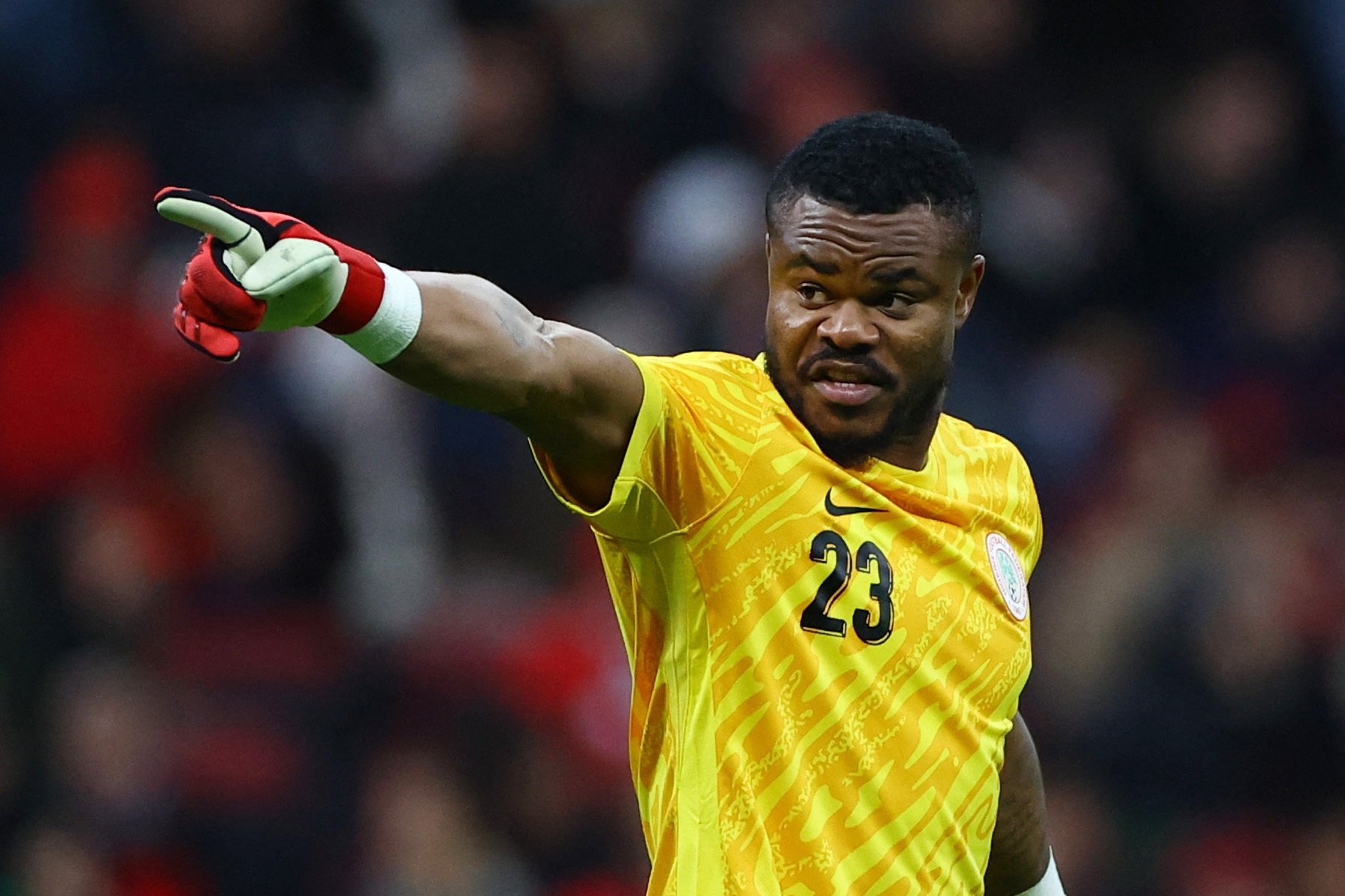
Nigeria lost the match and while Nwabali’s reaction afterward was far from ideal, the provocation should never have been allowed in the first place, reflecting a broader failure to protect players equally.
Then came the incident involving Algerian forward Mohamed Amoura mocking DR Congo superfan Michel Kuka Mboladinga, who honors Patrice Lumumba by standing motionless in the stands.
That gesture crossed a line.
It was not banter or celebration, but a painful reminder that African history and symbolism are still not always treated with the respect they deserve, even on Africa’s biggest football stage.
It is not a coincidence that all of these tensions exploded in the final.
With the match goalless late in regulation, Senegal thought they had scored, only for the goal to be ruled out, before VAR awarded Morocco a penalty for minimal contact on Brahim Diaz.
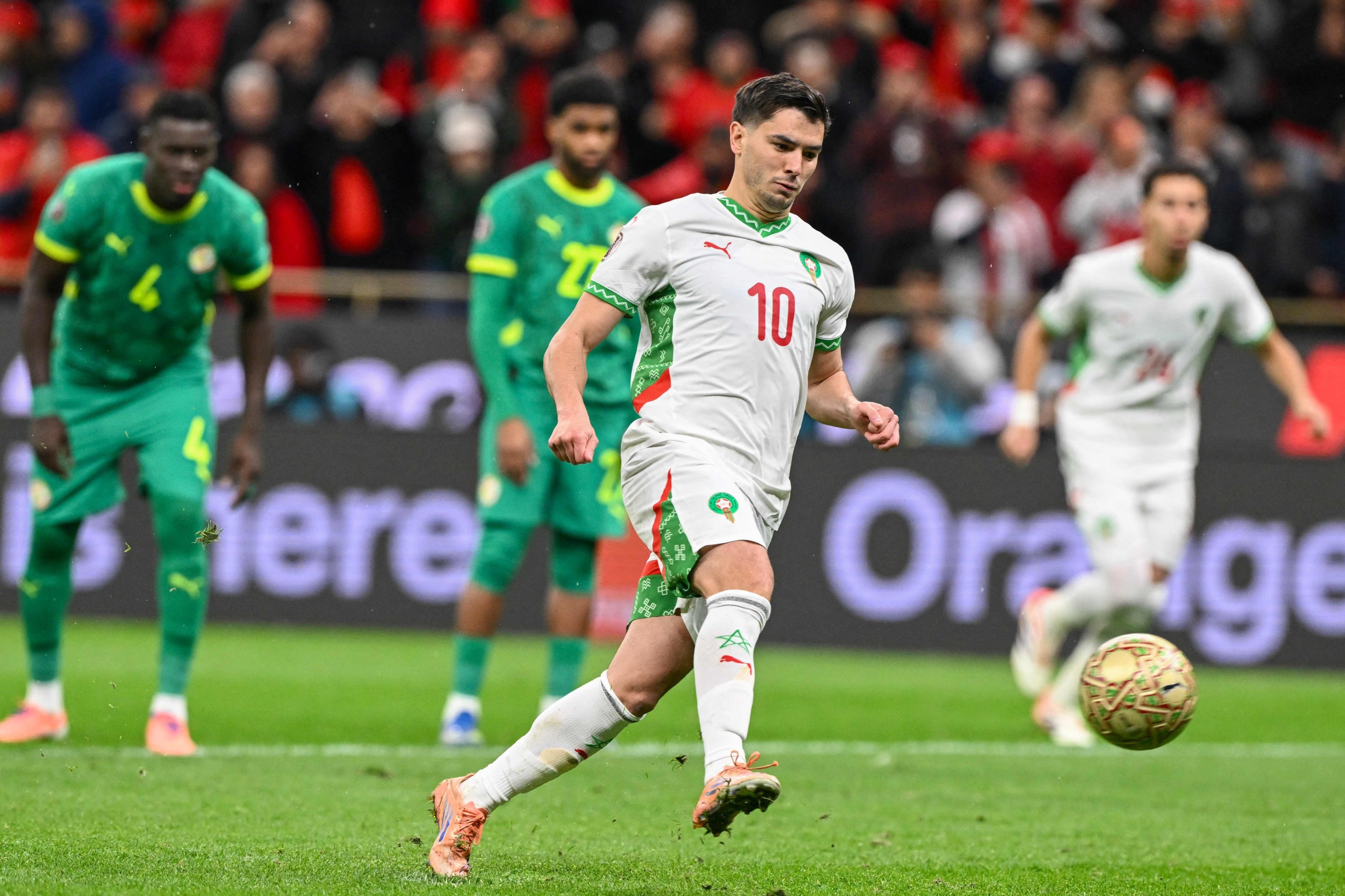
The reaction was immediate and furious, as benches emptied, players surrounded the referee and fans lost control.
Then something I had never seen at an AFCON final happened.
Senegal walked off the pitch, suspending Africa’s showpiece match in chaos for more than 15 minutes.
Everyone left the field except one man.
The eventual player of the tournament, Sadio Mane stood alone, calm in the middle of the storm and while anger swirled around him, he became the voice of reason, convincing his teammates to return and finish the match.
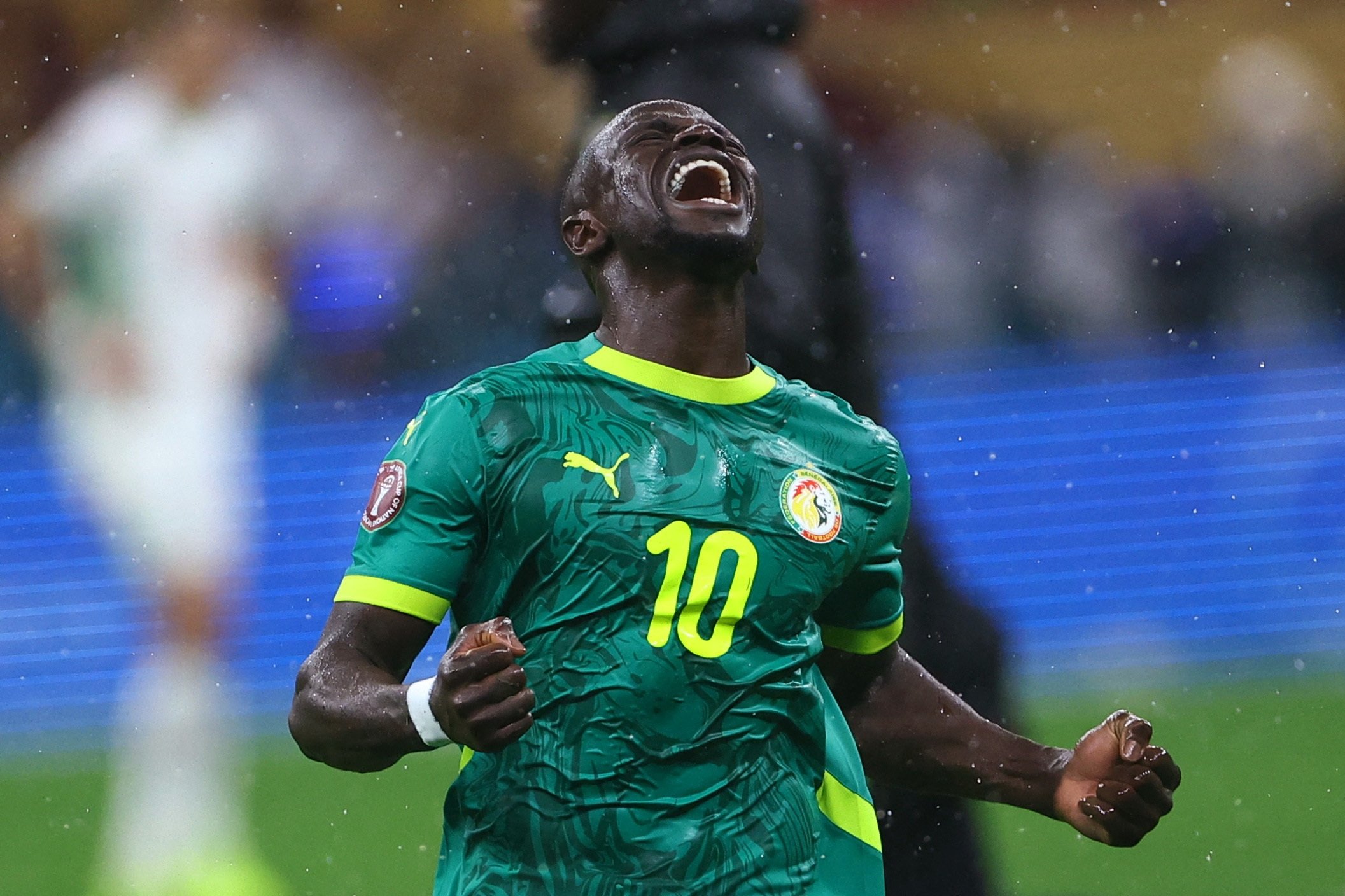
Not because the decision was fair, but because dignity mattered more.
When Morocco missed the penalty and extra time followed, you could feel the shift.
Senegal went on to win the tournament, but Mane had already defined the moment. That, to me, became the true image of AFCON 2025.
Away from the pitch, the distractions never stopped.
Cameroon federation president Samuel Eto’o was later banned from stadiums and fined after protesting refereeing decisions during Cameroon’s elimination, while influencer IShowSpeed’s presence brought global attention but also exposed ugly scenes of fan hostility and racism during his visit to Algeria.
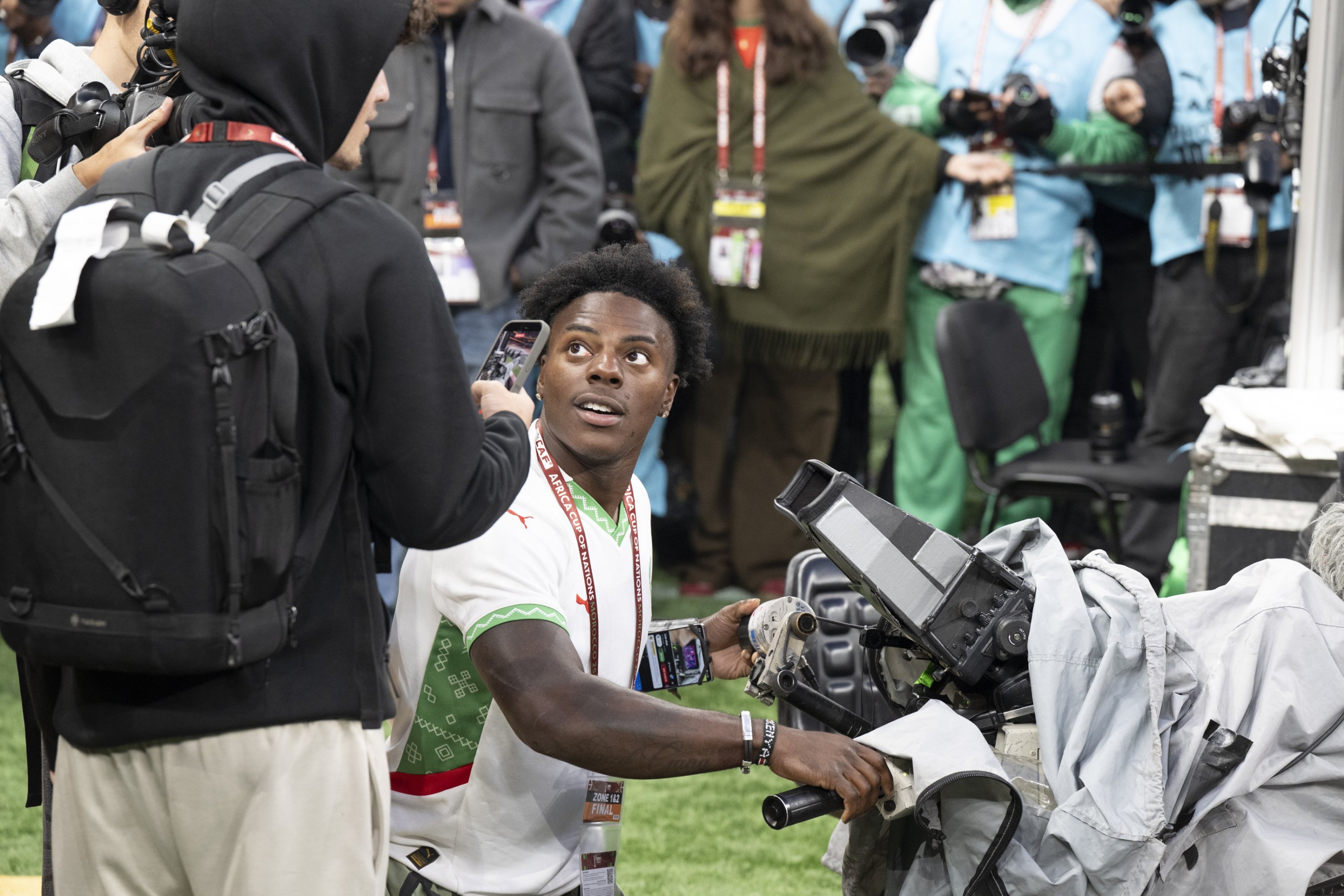
Even the celebration of African football felt distracted, commercialized and, at times, unsafe.
The football itself suffered as a result. Too many matches were cautious, tense and joyless, played in muted stadiums that drained life from the occasion.
AFCON should feel loud, chaotic in the best way and unpredictable, yet much of it felt controlled, nervous and heavy.
Remember the South African vuvuzelas? Now that's the African spirit.
I still love AFCON and that will never change, but loving something also means being honest about when it falls short.
AFCON 2025 reminded me how powerful this tournament can be and how fragile its credibility remains.
Senegal’s triumph showed that integrity and leadership can still prevail and Sadio Mane reminded us what African football is meant to stand for.
Now it is up to CAF to ensure future tournaments do not rely on individual dignity to rescue them from institutional failure, because AFCON deserves better than survival.
It deserves trust.