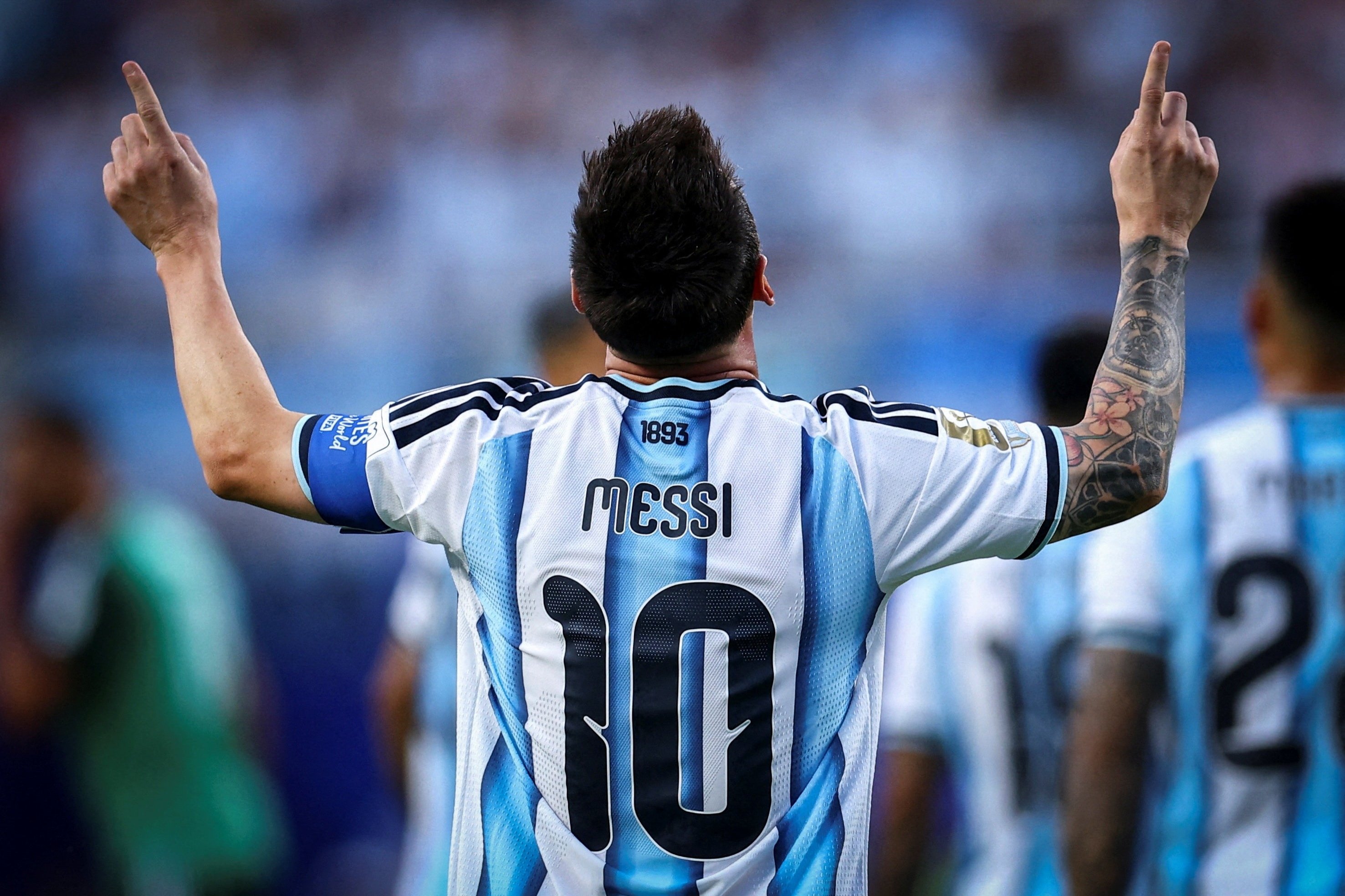
The debate over football's greatest player has never truly been settled, but a handful of names have consistently stood above the rest.
While comparing legends across generations is impossible without context, a blend of individual brilliance, longevity, trophies, influence and performances on the biggest stages offers the clearest measure of greatness.
As of 2026, Lionel Messi sits atop the consensus rankings after completing one of the most decorated careers in football history.
His World Cup triumph with Argentina in 2022, record eight Ballon d'Or awards, extraordinary longevity and unmatched creative influence have placed him ahead of Pele, Diego Maradona and Cristiano Ronaldo in most modern evaluations.
Beyond those four icons, legends such as Johan Cruyff, Franz Beckenbauer, Ronaldo Nazario, Zinedine Zidane and Alfredo Di Stefano complete football's most exclusive tier.
Drawing on the broad consensus of historians, analysts and major publications while considering achievements, impact and historical context, Daily Sabah has compiled the 50 greatest footballers of all time.
1. Lionel Messi (Argentina)
Messi's career has become the benchmark for football greatness. The Argentine superstar combined prolific goalscoring with elite playmaking, dazzling dribbling and remarkable consistency for nearly two decades.
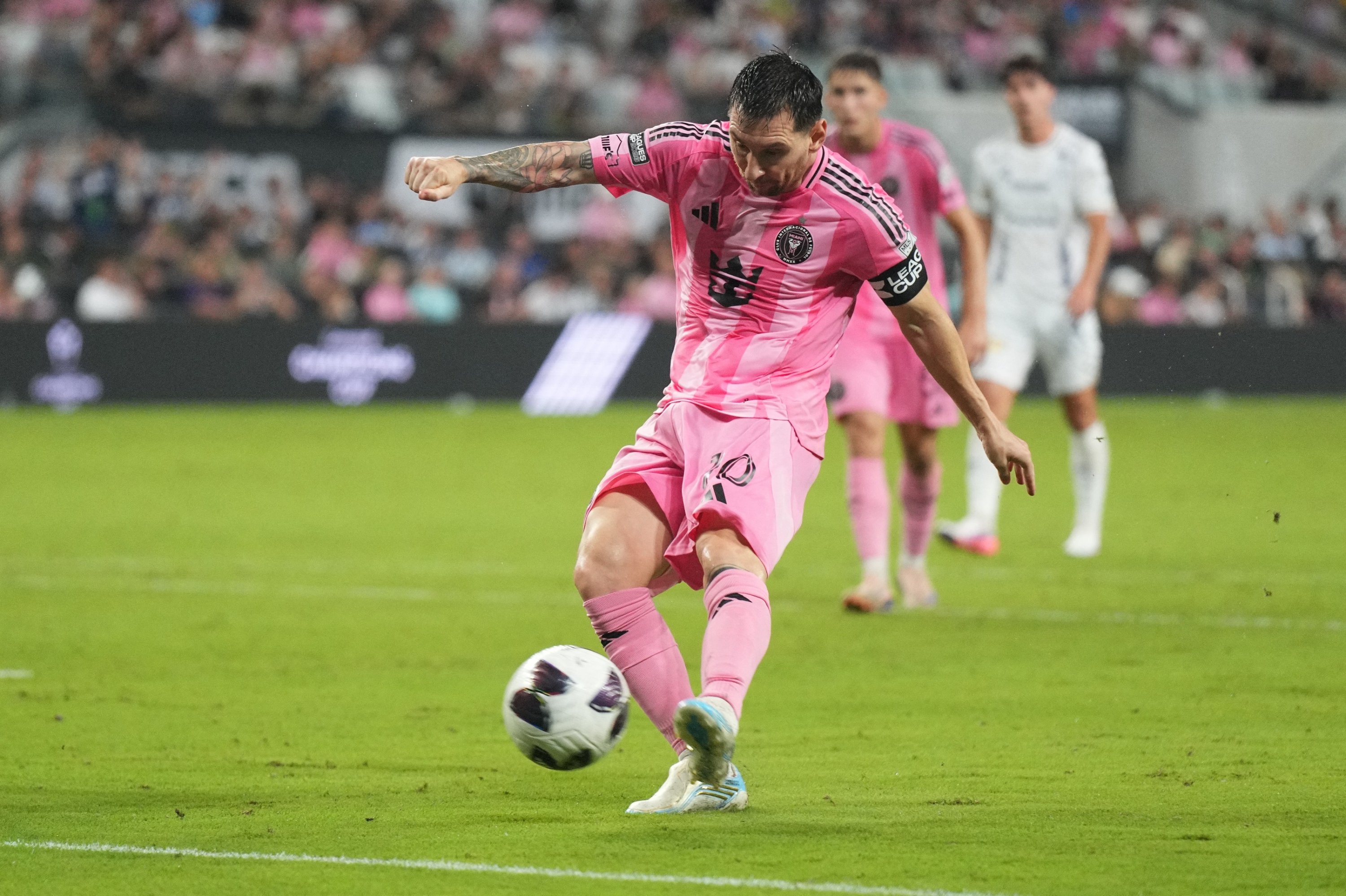
His resume includes a record eight Ballon d'Or awards, four Champions League titles, numerous La Liga championships, the 2021 Copa America and Argentina's long-awaited 2022 World Cup triumph, where he claimed the Golden Ball after delivering throughout the tournament, including in the final.
His brilliance at Barcelona transformed modern attacking football, while successful spells at Paris Saint-Germain and Inter Miami demonstrated his longevity.
With well over 800 official career goals and hundreds of assists, Messi's influence extends far beyond statistics, making him the modern standard against which every player is measured.
2. Pele (Brazil)
No player has matched Pele's three World Cup titles, won in 1958, 1962 and 1970.
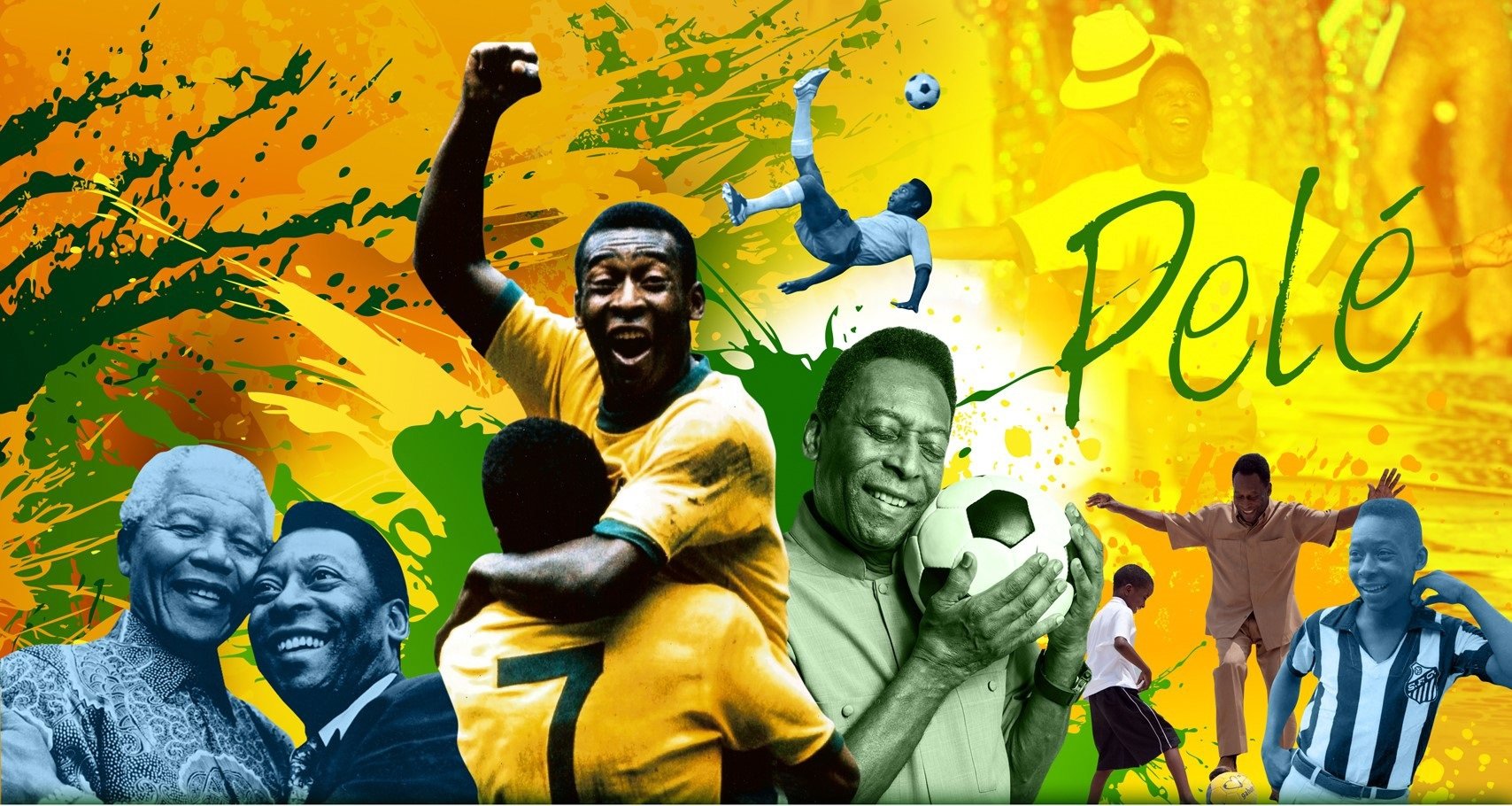
The Brazilian icon possessed explosive pace, technical brilliance, aerial dominance and clinical finishing, becoming football's first global superstar.
He starred for Santos during one of the club's greatest eras, winning multiple domestic championships and Copa Libertadores titles while scoring hundreds of official goals.
His ability to deliver on football's biggest stage and his role in popularizing the sport around the world cement his legendary status.
3. Diego Maradona (Argentina)
At his peak, Maradona produced some of the greatest individual performances the sport has ever witnessed.
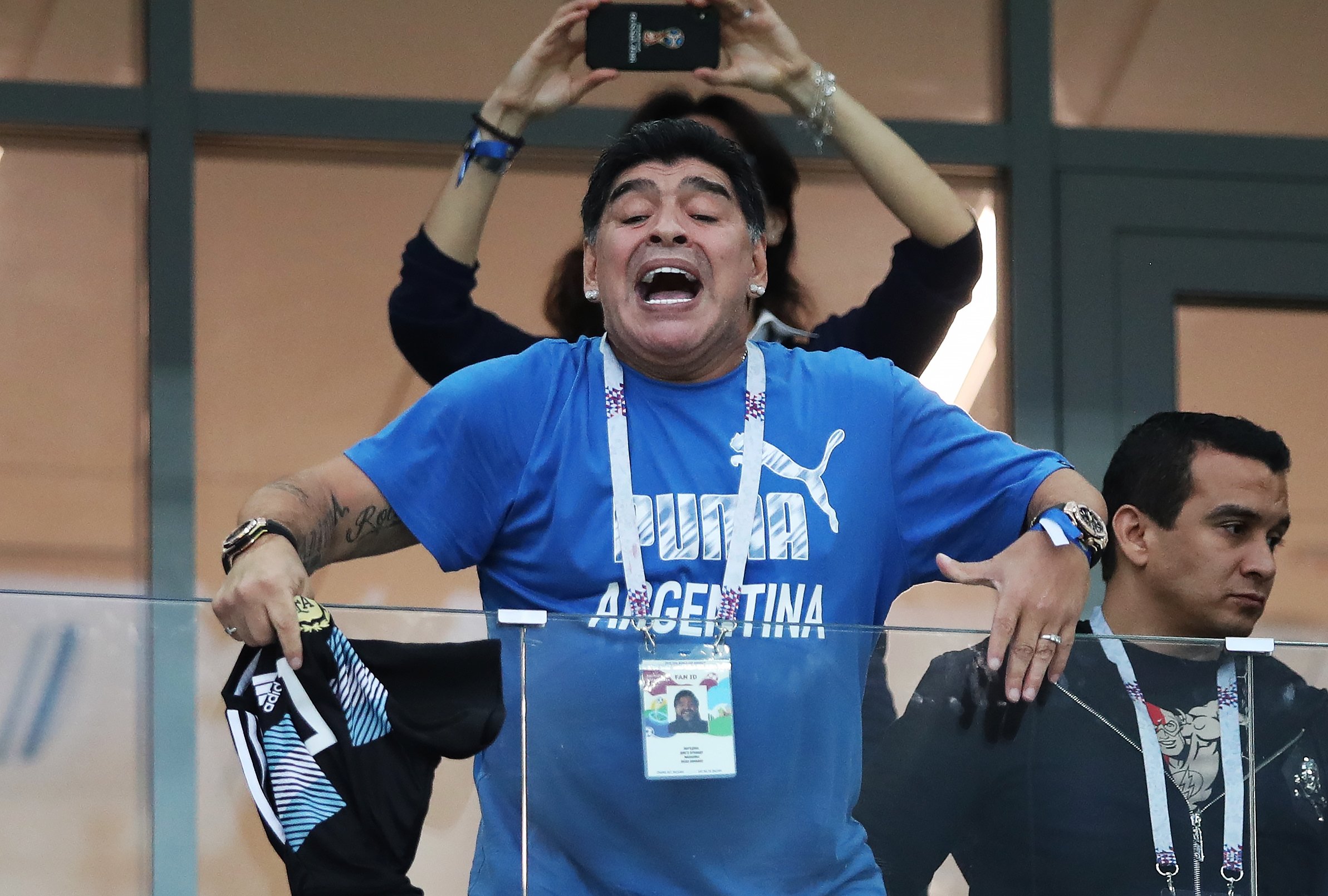
His unforgettable 1986 World Cup campaign, highlighted by both the "Hand of God" and the "Goal of the Century" against England, remains one of football's defining moments.
He also transformed Napoli from underdogs into Italian champions, winning two Serie A titles and a UEFA Cup. His creativity, leadership and ability to elevate average teams to extraordinary heights continue to define his legacy.
4. Cristiano Ronaldo (Portugal)
Few athletes in any sport have maintained elite performance for as long as Ronaldo.
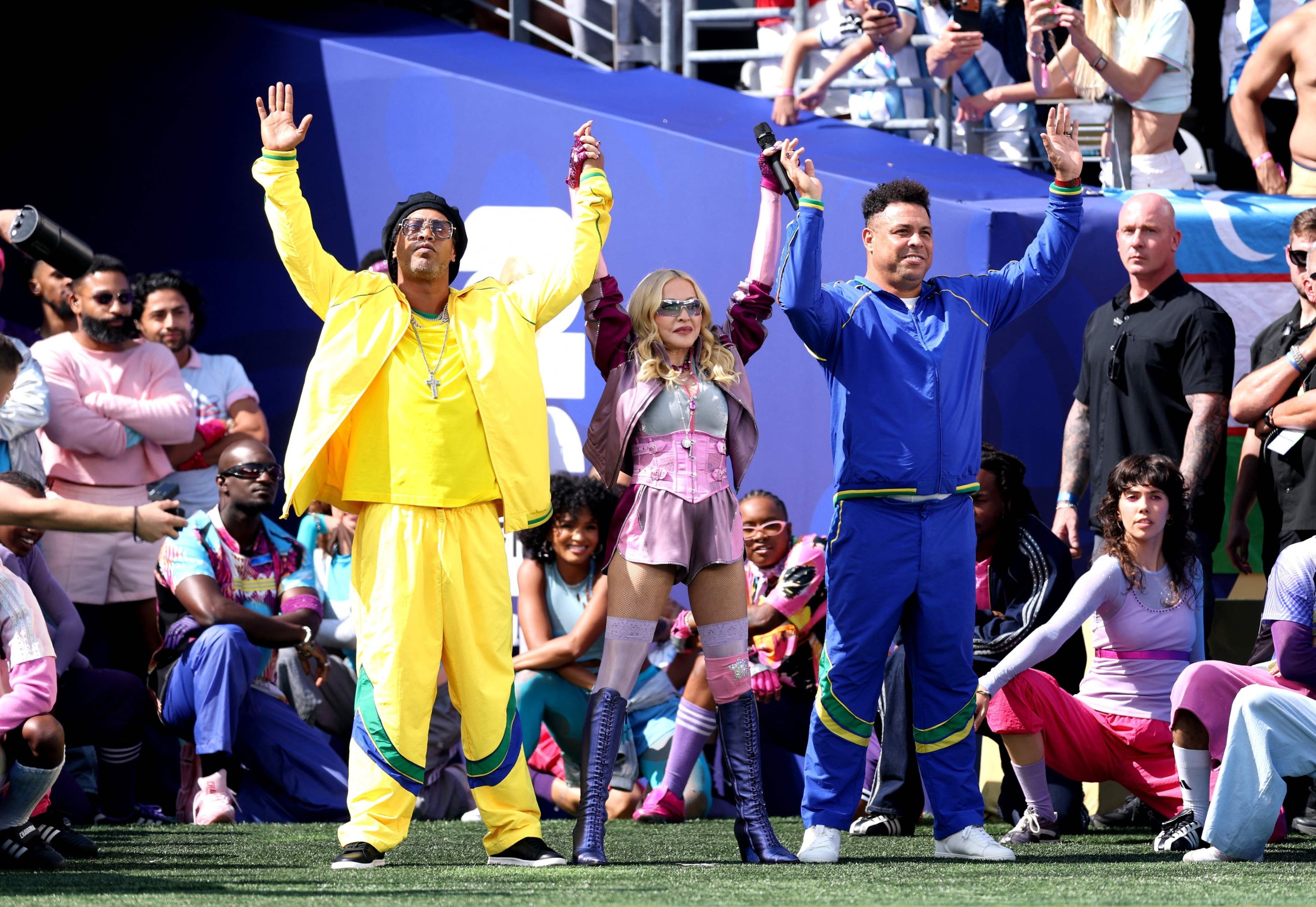
The Portuguese superstar evolved from an electrifying winger into one of football's most prolific scorers, collecting five Ballon d'Or awards, five Champions League titles and league championships in England, Spain and Italy.
He captained Portugal to its first major international trophy at Euro 2016 and became international football's most prolific goalscorer. Still producing at the highest level into his 40s, Ronaldo's relentless pursuit of excellence has made him one of the game's greatest competitors.
5. Johan Cruyff (Netherlands)
Cruyff revolutionized football both as a player and later as a coach.
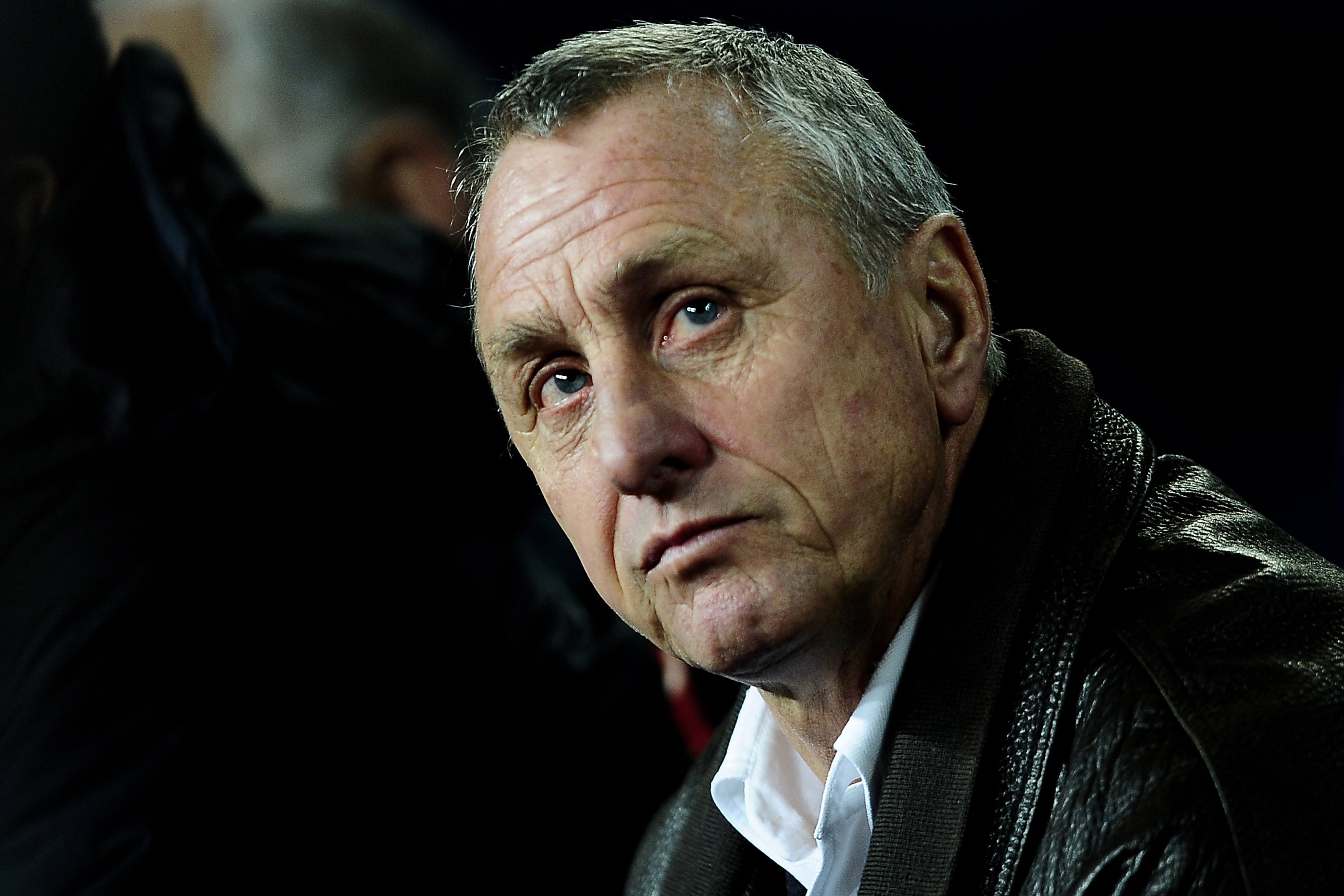
The Dutch legend embodied Total Football with exceptional intelligence, movement and technical ability.
A three-time Ballon d'Or winner, he led Ajax to European glory before reshaping Barcelona's identity, leaving a tactical legacy that continues to influence modern football.
6. Franz Beckenbauer (Germany)
Known as "Der Kaiser," Beckenbauer transformed the sweeper position into one of football's most elegant and influential roles. He captained West Germany to the 1974 World Cup, later winning another as manager in 1990.
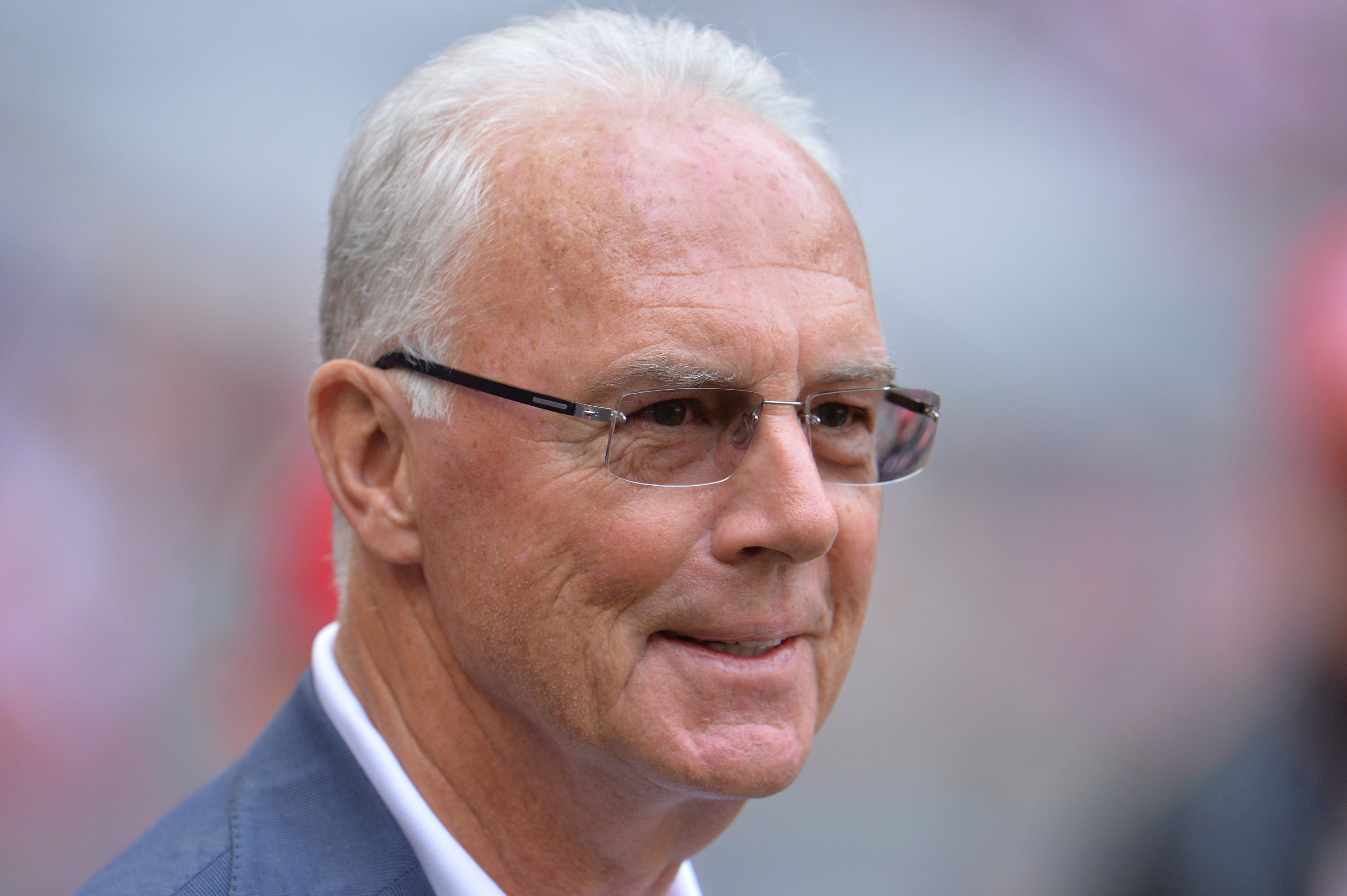
His leadership, composure and ability to launch attacks from defense helped redefine how defenders could control matches.
7. Ronaldo Nazario (Brazil)
Before devastating knee injuries interrupted his prime, Ronaldo was widely regarded as the most complete striker football had ever seen.
The Brazilian won two Ballon d'Or awards and inspired Brazil to the 2002 World Cup with two goals in the final. His explosive combination of pace, strength and technical brilliance made him virtually unstoppable at his peak.
8. Zinedine Zidane (France)
Zidane built his reputation by delivering when the stakes were highest.
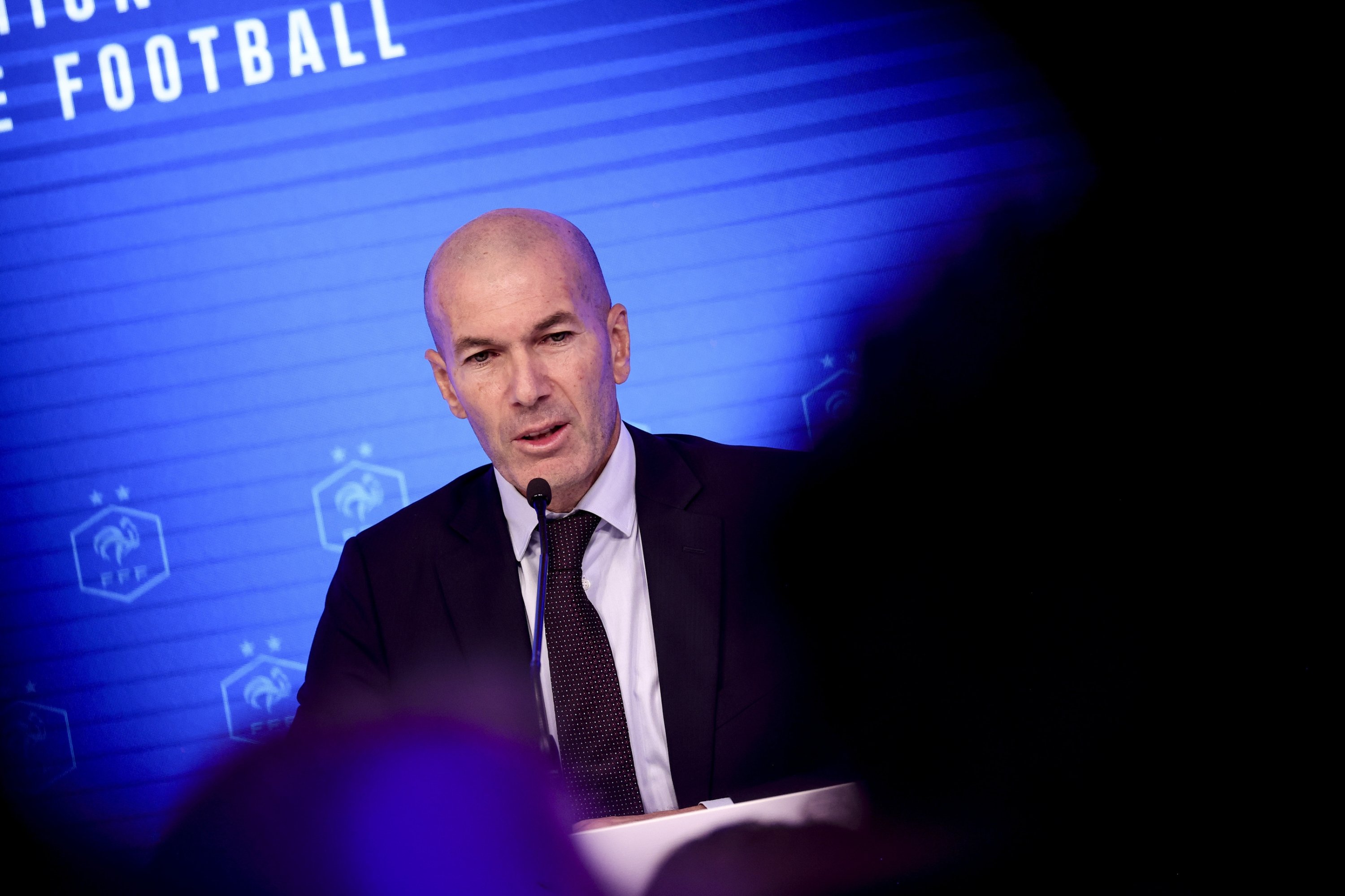
He scored twice in France's 1998 World Cup final victory, led the country to Euro 2000 and produced one of the greatest goals in Champions League history with his volley for Real Madrid in the 2002 final.
His elegance, composure and ability to dictate games remain unmatched.
9. Alfredo Di Stefano (Argentina/Spain)
Di Stefano spearheaded Real Madrid's domination of European football during the 1950s, helping the Spanish giants win five consecutive European Cups.
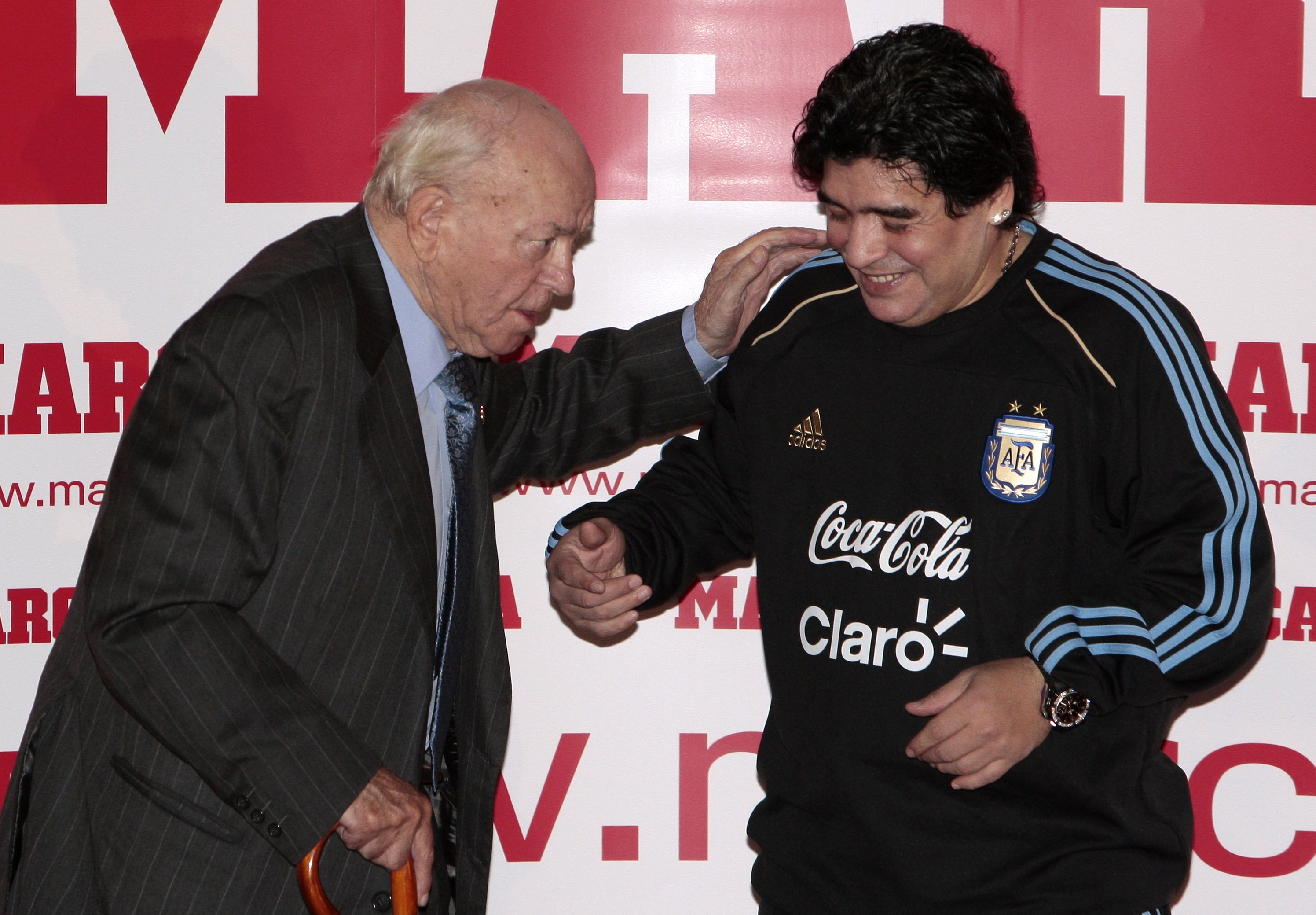
His versatility, leadership and ability to score while orchestrating attacks established the blueprint for the complete forward.
10. Michel Platini (France)
Platini dominated European football during the mid-1980s, winning three consecutive Ballon d'Or awards between 1983 and 1985.
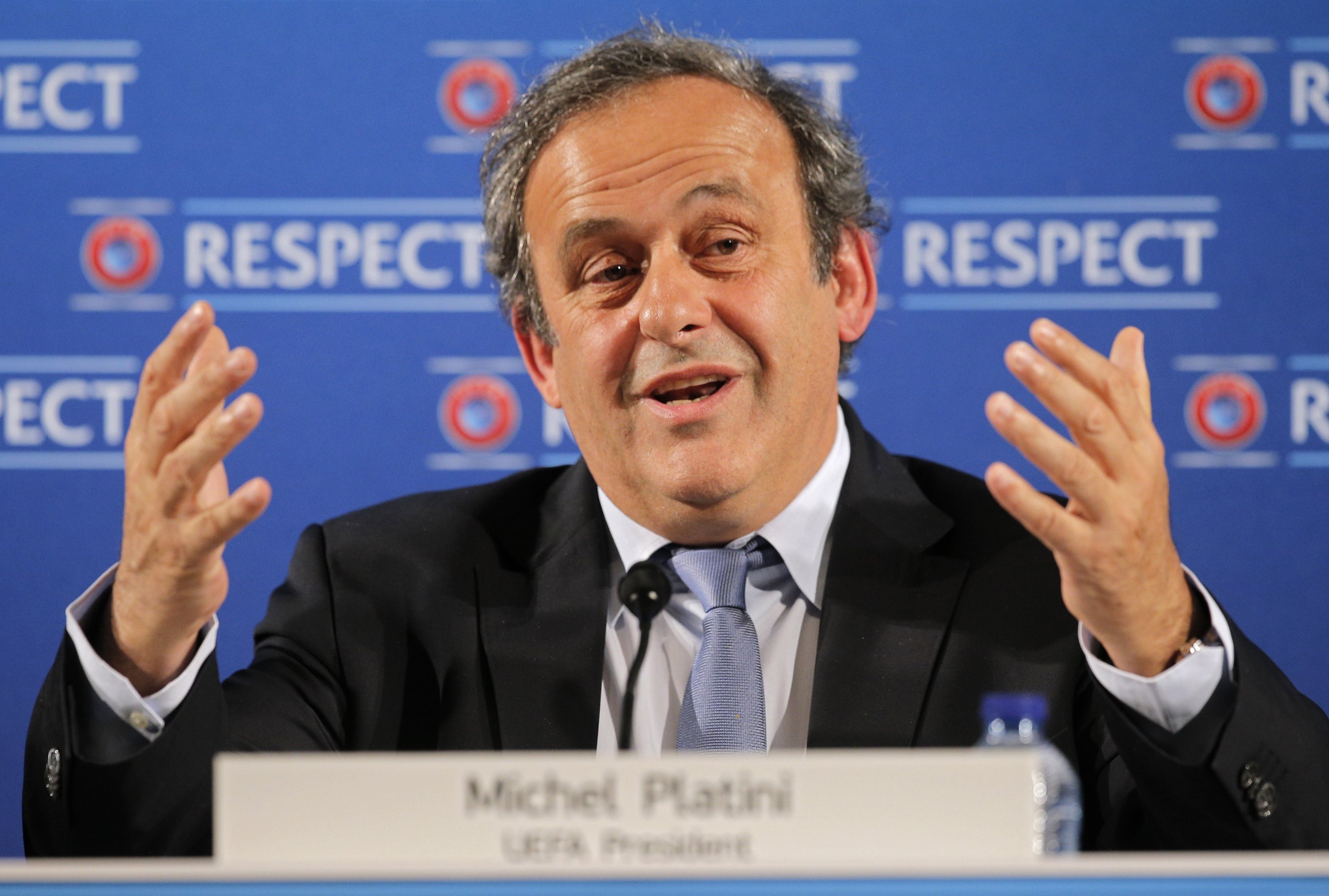
The French playmaker guided his nation to the 1984 European Championship and excelled for Juventus with his passing, vision and deadly free kicks.
11-20
Garrincha (Brazil)
Gerd Müller (Germany)
Paolo Maldini (Italy)
Ferenc Puskás (Hungary/Spain)
Eusebio (Portugal)
George Best (Northern Ireland)
Bobby Charlton (England)
Lev Yashin (Soviet Union)
Ronaldinho (Brazil)
Marco van Basten (Netherlands)
21-30
Xavi Hernández (Spain)
Andres Iniesta (Spain)
Zico (Brazil)
Lothar Matthäus (Germany)
Thierry Henry (France)
Ruud Gullit (Netherlands)
Roberto Baggio (Italy)
Romario (Brazil)
Kaka (Brazil)
Carlos Alberto Torres (Brazil)
31-40
Manuel Neuer (Germany)
Franco Baresi (Italy)
Luka Modric (Croatia)
Cafu (Brazil)
Roberto Carlos (Brazil)
David Beckham (England)
Sergio Ramos (Spain)
Didier Drogba (Ivory Coast)
Luis Suarez (Uruguay)
Neymar (Brazil)
41-50
Kenny Dalglish (Scotland)
Steven Gerrard (England)
Frank Lampard (England)
Rivaldo (Brazil)
Hristo Stoichkov (Bulgaria)
Iker Casillas (Spain)
Zlatan Ibrahimovic (Sweden)
Wayne Rooney (England)
Samuel Eto'o (Cameroon)
Jairzinho (Brazil)
The rankings remain open to debate because football's greatest players competed under vastly different conditions and eras.
Defenders and goalkeepers often receive less recognition than attacking stars despite their transformative influence, while historical records before the 1960s are less complete.
Active stars such as Messi, Ronaldo and Modric continue to shape their legacies, but the enduring debate between Messi's all-around brilliance, Pele's unmatched World Cup record, Maradona's extraordinary peak and Ronaldo's unprecedented longevity ensures the discussion over football's greatest player will never truly end.