

Daily Sabah logo

Politics
Diplomacy Legislation War On Terror EU Affairs Elections News Analysis
TÜRKİYE
Istanbul Education Investigations Minorities Expat Corner Diaspora
World
Mid-East Europe Americas Asia Pacific Africa Syrian Crisis Islamophobia
Business
Automotive Economy Energy Finance Tourism Tech Defense Transportation News Analysis
Lifestyle
Health Environment Travel Food Fashion Science Religion History Feature Expat Corner
Arts
Cinema Music Events Portrait Reviews Performing Arts
Sports
Football Basketball Motorsports Tennis
Opinion
Columns Op-Ed Reader's Corner Editorial
PHOTO GALLERY
JOBS ABOUT US RSS PRIVACY CONTACT US
© Turkuvaz Haberleşme ve Yayıncılık 2025

Daily Sabah - Latest & Breaking News from Turkey | Istanbul

  • Politics
    • Diplomacy
    • Legislation
    • War On Terror
    • EU Affairs
    • Elections
    • News Analysis
  • TÜRKİYE
    • Istanbul
    • Education
    • Investigations
    • Minorities
    • Expat Corner
    • Diaspora
  • World
    • Mid-East
    • Europe
    • Americas
    • Asia Pacific
    • Africa
    • Syrian Crisis
    • Islamophobia
  • Business
    • Automotive
    • Economy
    • Energy
    • Finance
    • Tourism
    • Tech
    • Defense
    • Transportation
    • News Analysis
  • Lifestyle
    • Health
    • Environment
    • Travel
    • Food
    • Fashion
    • Science
    • Religion
    • History
    • Feature
    • Expat Corner
  • Arts
    • Cinema
    • Music
    • Events
    • Portrait
    • Reviews
    • Performing Arts
  • Sports
    • Football
    • Basketball
    • Motorsports
    • Tennis
  • Gallery
  • Opinion
    • Columns
    • Op-Ed
    • Reader's Corner
    • Editorial
  • TV
  • World
  • Mid-East
  • Europe
  • Americas
  • Asia Pacific
  • Africa
  • Syrian Crisis
  • Islamophobia

Japan halts restart of nuclear plant over poor anti-terror measures

by Associated Press

TOKYO Apr 07, 2021 - 4:02 pm GMT+3
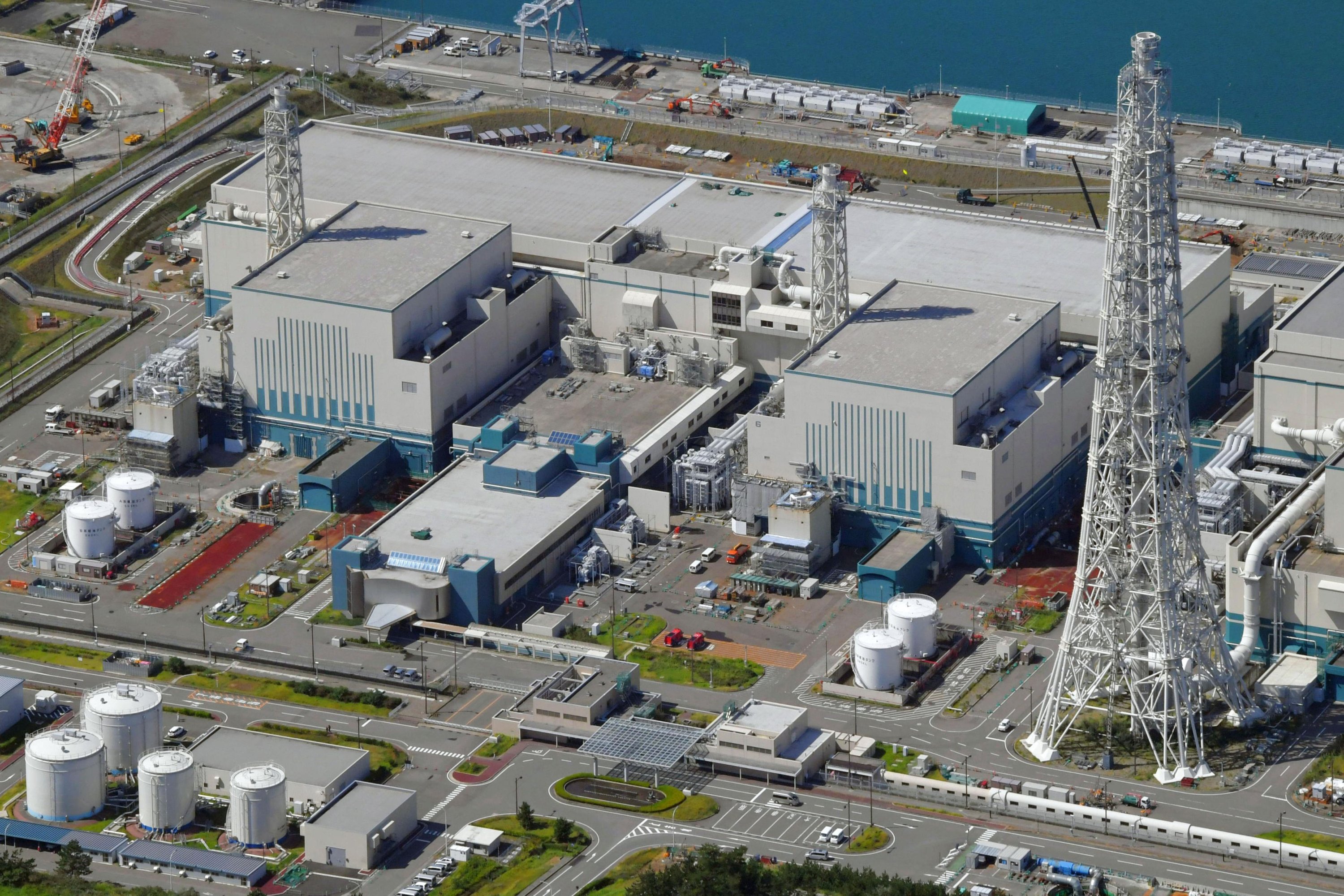
An aerial view shows the reactors of No. 6 (R) and No. 7 (L) at Kashiwazaki-Kariwa nuclear power plant, on the northern Japanese coast in Niigata prefecture, Japan, Sept. 30, 2017. (Kyodo News via AP)
by Associated Press Apr 07, 2021 4:02 pm

Japanese regulators last month fined a nuclear power plant operator over the organization's inadequate anti-terrorism measures at a plant, and on Wednesday the operator announced that it would accept the penalty, further hurting its plans to restart operations at the facility for at least a year.

Tokyo Electric Power Co. (TEPCO), which was also the operator of the Fukushima nuclear plant that was destroyed in the 2011 disaster, made the announcement in response to a decision by the Nuclear Regulation Authority in late March to ban it from moving any nuclear materials at the No. 7 reactor at the Kashiwazaki-Kariwa nuclear power plant in Niigata prefecture.

The measure will suspend all ongoing steps to restart the plant. Regulators found malfunctioning anti-terrorism equipment and inadequate protection of nuclear materials at multiple locations at the plant from at least 2018.

The chairperson of the authority, Toyoshi Fuketa, says TEPCO has since restored the safety functions, but the problems were deemed serious and systematic. The punishment will be officially issued at a regulatory commission meeting next week, he said.

The plant was partially damaged in a 2007 earthquake, causing mistrust among local municipalities. It has been offline since 2012. Of the 54 nuclear reactors Japan used to have, nine have been restarted under tougher post-Fukushima safety standards and four are currently operating.

The authority gave the Kashiwazaki-Kariwa plant’s nuclear security a "red” rating, meaning its management had deteriorated to levels that could allow intruders. It was the first time a Japanese nuclear operator was given that rating.

"I hope TEPCO will make efforts to analyze the problem ... and fully cooperate with our inspections,” Fuketa said, adding that TEPCO's ability to keep its license to operate the plant depends on the results of upcoming checks.

TEPCO’s President, Tomoaki Kobayakawa, apologized for causing safety concerns and said he and three other company executives are taking 30% salary cuts for six months. "We take the problem seriously and will investigate the cause and pursue efforts to make drastic reforms,” he told reporters.

The case raised questions about whether TEPCO has fully learned lessons from the 2011 Fukushima disaster, which was triggered by a massive earthquake and tsunami but has been largely attributed to the utility’s lack of a safety culture. Critics say the Kashiwazaki-Kariwa plant requires higher security because it is located on the coast facing North Korea.

The punishment comes as TEPCO was making final preparations to restart the plant after regulators granted safety approvals for its No. 6 and No. 7 reactors in 2017.

Restarting the two reactors is considered crucial for TEPCO to reduce its financial burden in paying for damage caused by the Fukushima disaster. The penalty does not affect the wrecked Fukushima plant, which is being decommissioned.

On Wednesday, Prime Minister Yoshihide Suga said he will make a final decision "within days” on whether to allow the release into the sea of massive amounts of treated but still radioactive water stored at the plant. TEPCO is expected to run out of storage space for the water in the fall of 2022.

Japan Fisheries Cooperatives Chairperson Hiroshi Kishi rejected Suga’s explanation that the release into the sea is the most realistic option, and demanded the government explain how it will address damage caused to the local fishing industry.

TEPCO and government officials say radionuclides can be filtered to allowable safety levels, but some experts say the impact on marine life from long-term, low-dose exposure is still unknown.

TEPCO acknowledged in January that there was an unauthorized use of an identification card by a worker to enter sensitive areas at the Kashiwazaki-Kariwa plant last September, along with other key safety shortcomings.

  • shortlink copied
  • Last Update: Apr 07, 2021 5:39 pm
    KEYWORDS
    japan nuclear power nuclear plant power plant fukushima disaster
    The Daily Sabah Newsletter
    Keep up to date with what’s happening in Turkey, it’s region and the world.
    You can unsubscribe at any time. By signing up you are agreeing to our Terms of Use and Privacy Policy. This site is protected by reCAPTCHA and the Google Privacy Policy and Terms of Service apply.
    No Image
    Under the wings of women: Goose farming in Kars
    PHOTOGALLERY
    • POLITICS
    • Diplomacy
    • Legislation
    • War On Terror
    • EU Affairs
    • News Analysis
    • TÜRKİYE
    • Istanbul
    • Education
    • Investigations
    • Minorities
    • Diaspora
    • World
    • Mid-East
    • Europe
    • Americas
    • Asia Pacific
    • Africa
    • Syrian Crisis
    • İslamophobia
    • Business
    • Automotive
    • Economy
    • Energy
    • Finance
    • Tourism
    • Tech
    • Defense
    • Transportation
    • News Analysis
    • Lifestyle
    • Health
    • Environment
    • Travel
    • Food
    • Fashion
    • Science
    • Religion
    • History
    • Feature
    • Expat Corner
    • Arts
    • Cinema
    • Music
    • Events
    • Portrait
    • Performing Arts
    • Reviews
    • Sports
    • Football
    • Basketball
    • Motorsports
    • Tennis
    • Opinion
    • Columns
    • Op-Ed
    • Reader's Corner
    • Editorial
    • Photo gallery
    • DS TV
    • Jobs
    • privacy
    • about us
    • contact us
    • RSS
    © Turkuvaz Haberleşme ve Yayıncılık 2021