Turkish industrialists are hopeful about 2026 despite a very challenging world and competitive conditions and expect that the sector will stand to benefit once financial stability is achieved and as interest rates are lowered, according to Istanbul Chamber of Industry (ISO) Chair Erdal Bahçıvan.
"As industrialists, we are facing a very challenging world where competitive conditions are becoming harsher by the day and where risks and opportunities coexist. Frankly, I believe that by making much better use of opportunities than threats, we can help our economy move up a level in the coming period," Bahçıvan said on Wednesday, according to remarks published by Anadolu Agency (AA).
He spoke at the ISO assembly's December meeting, which evaluated 2025 and goals and expectations for next year.
Despite unfavorable global conditions and tight domestic financial conditions, Bahçıvan said that 2025 is expected to be completed with a growth rate above the 3.3% forecast in the Medium-Term Program (MTP).
"However, even though growth is above the MTP forecast, current levels are far from reflecting the full potential of the Turkish economy. We also observe a deep divergence among sectors. Our industrial sector itself displayed a highly diverging picture in 2025," he suggested.
Bahçıvan also stated that the momentum gained in the high-technology group continued to support production.
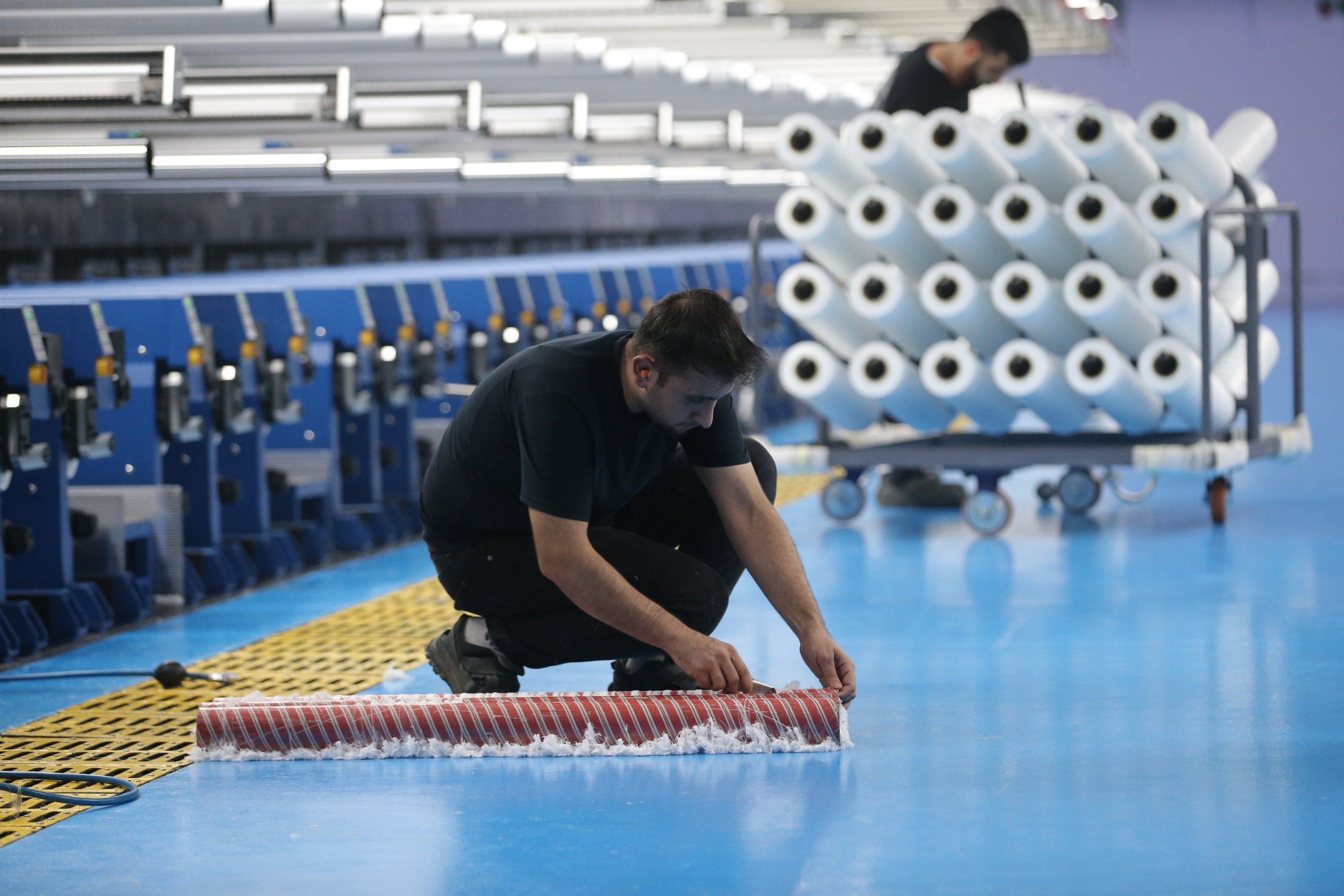
"Starting from the automotive sector, we observed a fairly decent recovery in the medium-high technology group as well. However, pressure on traditional, labor-intensive sectors such as textiles, which are far more sensitive to cost conditions, particularly financing, increased further this year," he added.
Emphasizing that a challenging year has passed for all industrial sectors, he pointed out that PMI has remained below the 50 threshold for the past 20 months, noting that this is clearly visible across sectors.
The Purchasing Managers' Index (PMI) is an economic indicator derived from monthly surveys of companies, used to anticipate changing economic and market trends and as a barometer for economic performance and business conditions.
Turkish PMI rose to 48.0 in November, marking the highest level since February, but it remained below the 50.0 mark that separates growth from contraction.
However, looking forward, Bahçıvan cited several factors that could help lead to recovery and a more favorable environment for businesses.
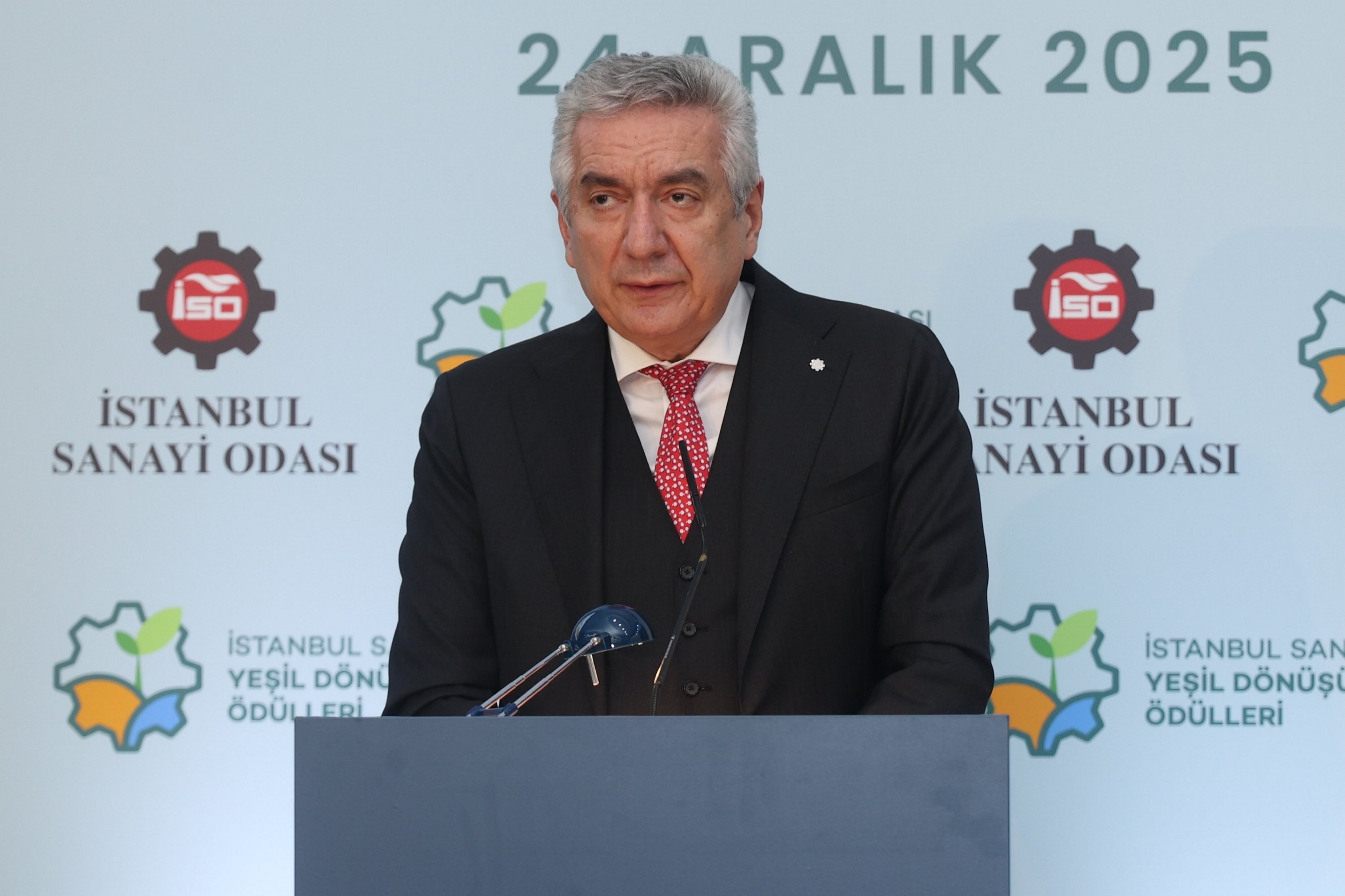
He stated that 2026 offers very important opportunities for the Turkish economy, adding: "First, oil prices are expected to close 2025 with a decline of nearly 20%. Second, signals of weakness in the U.S. labor market and rising stress in financial markets are pushing the Fed toward a more supportive stance. Together, these developments are positive not only for our external balance but also for our disinflation process."
Reiterating their optimism for the coming year, Bahçıvan went on to say: "As industrialists, we are facing a very challenging world where competition is intensifying and risks and opportunities exist side by side. Therefore, we must define our strategies well, both as a country and as companies. Frankly, I believe that by making much better use of opportunities than threats, we can help our economy advance to a higher level."
"I sincerely believe that in the new period, we will see many positive examples not only in the defense industry, but also in various sectors that can compete in global markets and serve as alternatives to imports in the domestic market."
Bahçıvan stated that as industrialists, they aspire to contribute more to Türkiye's strategic goals, such as qualified industrialization, sustainable growth, and technology-oriented global competitiveness.
"In this respect, the fact that 2026, which we will enter with new hopes in a week, has been declared a 'year of reform' by our president is of special importance. Although significant uncertainties will continue in the global economy, we expect a year in which predictability, which is our most fundamental deficiency domestically, will increase somewhat," he said.
He also highlighted the importance of reforms and transformation in the industry.
"At the point where global competition has reached, we now need to make rapid progress in green and digital transformation," he maintained.
Bahçıvan stated that the expectation of inflation falling to 16%-19% by the end of 2026 is considered somewhat optimistic, pointing also to predictions that, following November, December inflation could also be below expectations.
Annual inflation eased to 31.07% in November from 32.87% in October, marking the lowest in four years. The Turkish central bank, in response, has lowered interest rates by 150 basis points to 38% earlier this month.
Furthermore, he referred to CDS premiums, which he said have fallen back to the 200s range after 7.5 years, suggesting that "these levels also create a basis for rating agencies to upgrade Türkiye's rating in the first months of 2026."
"I believe that these improving data and positive expectations will be crowned with significant interest rate cuts in 2026, unless there is a surprise development," he said.
"With the interest rate reduction and positive developments in the fight against inflation, we hope that the restrictions on credit, especially for the industrial sector, will be gradually eased, and the flow of financing, which is our most important problem, will be somewhat relieved. In addition, I believe that with these developments, 2026 will be a much more positive year than 2025 in terms of external financing and especially foreign direct investments," Bahçıvan said.
"2025 has been a challenging year, but this is not the first time our country has faced such a period. By preserving our hopes in 2026, we can overcome these difficulties together, just as we have in the past," he concluded.