Daily Sabah logo

Politics
Diplomacy Legislation War On Terror EU Affairs Elections News Analysis
TÜRKİYE
Istanbul Education Investigations Minorities Expat Corner Diaspora
World
Mid-East Europe Americas Asia Pacific Africa Syrian Crisis Islamophobia
Business
Automotive Economy Energy Finance Tourism Tech Defense Transportation News Analysis
Lifestyle
Health Environment Travel Food Fashion Science Religion History Feature Expat Corner
Arts
Cinema Music Events Portrait Reviews Performing Arts
Sports
Football Basketball Motorsports Tennis
Opinion
Columns Op-Ed Reader's Corner Editorial
PHOTO GALLERY
JOBS ABOUT US RSS PRIVACY CONTACT US
© Turkuvaz Haberleşme ve Yayıncılık 2025

Daily Sabah - Latest & Breaking News from Turkey | Istanbul

  • Politics
    • Diplomacy
    • Legislation
    • War On Terror
    • EU Affairs
    • Elections
    • News Analysis
  • TÜRKİYE
    • Istanbul
    • Education
    • Investigations
    • Minorities
    • Expat Corner
    • Diaspora
  • World
    • Mid-East
    • Europe
    • Americas
    • Asia Pacific
    • Africa
    • Syrian Crisis
    • Islamophobia
  • Business
    • Automotive
    • Economy
    • Energy
    • Finance
    • Tourism
    • Tech
    • Defense
    • Transportation
    • News Analysis
  • Lifestyle
    • Health
    • Environment
    • Travel
    • Food
    • Fashion
    • Science
    • Religion
    • History
    • Feature
    • Expat Corner
  • Arts
    • Cinema
    • Music
    • Events
    • Portrait
    • Reviews
    • Performing Arts
  • Sports
    • Football
    • Basketball
    • Motorsports
    • Tennis
  • Gallery
  • Opinion
    • Columns
    • Op-Ed
    • Reader's Corner
    • Editorial
  • TV
  • Life
  • Health
  • Environment
  • Travel
  • Food
  • Fashion
  • Science
  • Religion
  • History
  • Feature
  • Expat Corner

Warming waters driving ocean species poleward away from equator

by French Press Agency - AFP

PARIS Apr 06, 2021 - 3:25 pm GMT+3
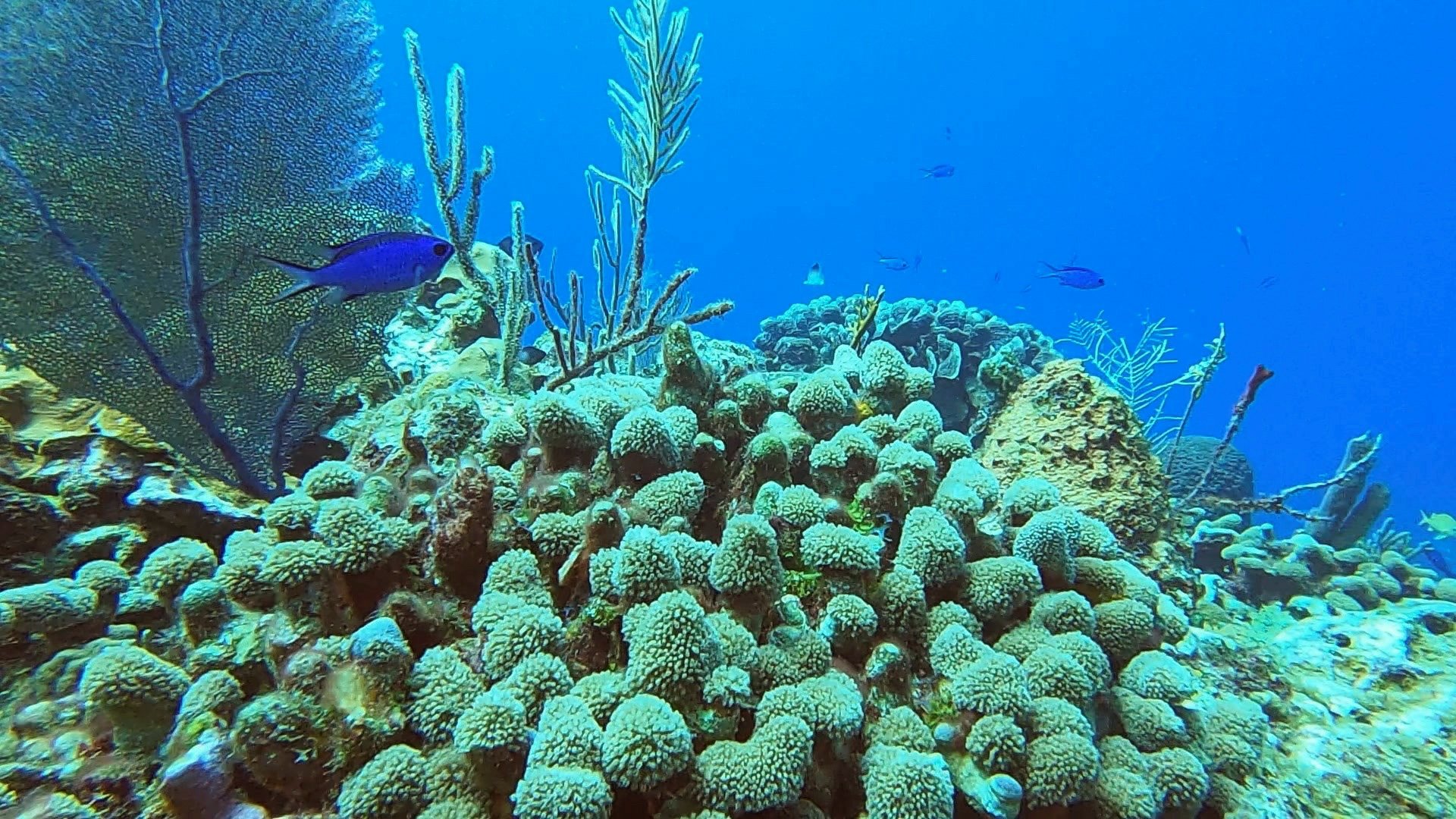
A view of a coral colony on the coast of Havana, Cuba, March 27, 2021. (REUTERS Photo)
by French Press Agency - AFP Apr 06, 2021 3:25 pm

Thousands of ocean species living in tropical waters around the equator are being forced poleward due to warming waters, and scientists are observing a mass exodus, threatening marine ecosystems and the livelihoods of people who depend on them.

Comparison of data on nearly 50,000 species over three 20-year periods up to 2015 revealed that the exodus from tropical waters is accelerating, researchers reported Monday in the journal PNAS.

The tropics have long harbored an outsized proportion of marine life, but could see that diversity disappear if climate change is not brought to heel, the authors warned.

"Global warming has been changing life in the ocean for at least 60 years," senior author Mark Costello, a professor of marine biology at the University of Auckland, told Agence France-Presse (AFP).

"Our findings show a drop of about 1,500 species at the equator," he added. "This will continue throughout the century, but the pace will depend on how we reduce – or not – greenhouse gas emissions."
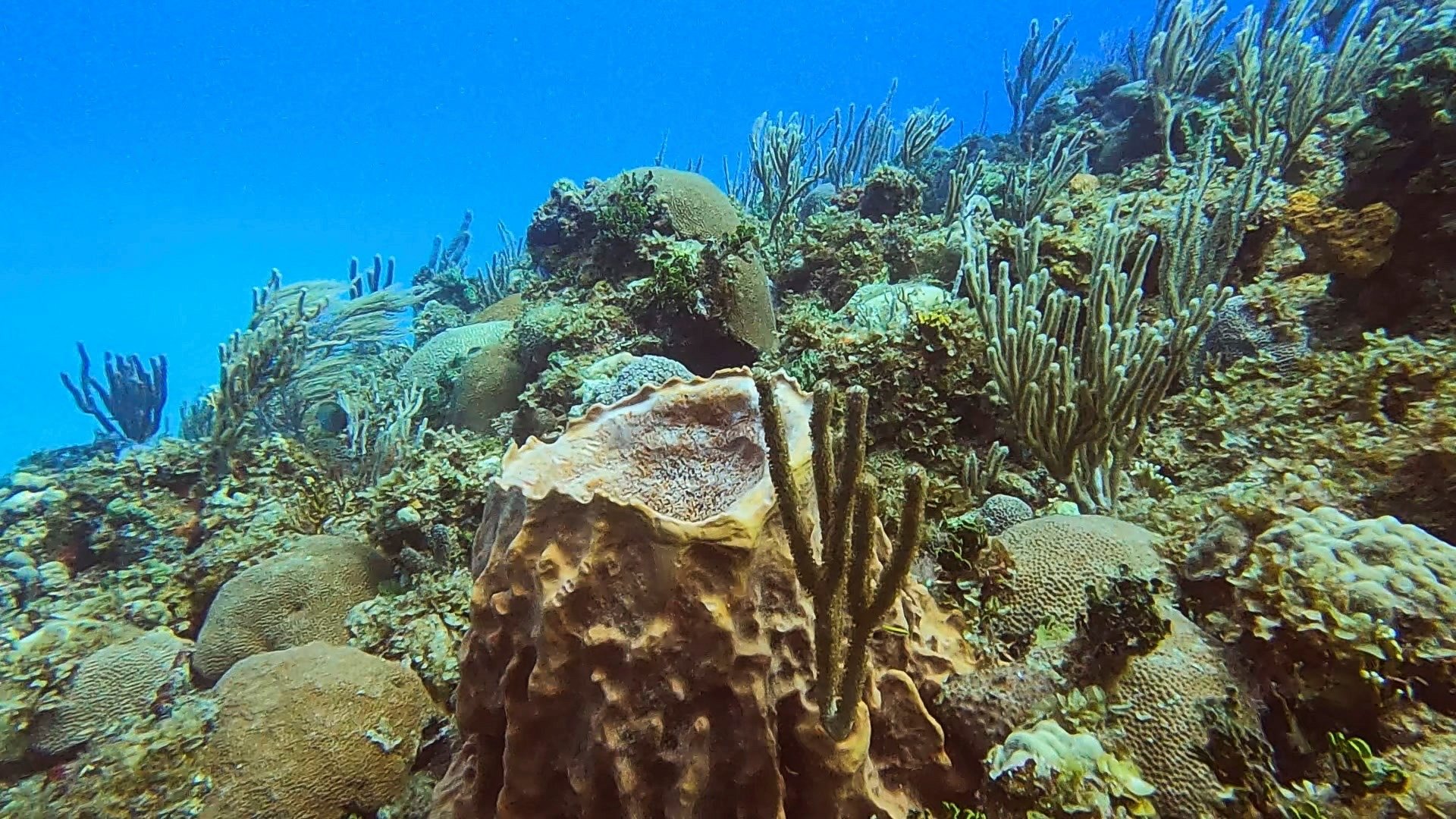
A view of a coral colony on the coast of Havana, Cuba, March 28, 2021. (REUTERS Photo)

Poleward migration was more pronounced north of the equator, where oceans have warmed more quickly than in the southern hemisphere. It was also more prevalent among open water fish than so-called benthic species living on the ocean floor.

"Benthic species can only move during their floating life-stage, and thus their shift (poleward) is between generations," Costello explained.

By contrast, species living in the high seas "can move with the water masses in their lifetime."

Marine life in tropical waters declines when the annual average sea temperature rises above 20 to 25 degrees Celsius (68 to 77 degrees Fahrenheit), depending on the species, the study found.

40% drop by mid-century

"The 'missing' tropical species are likely following their thermal habitat as subtropical waters warm," noted co-author David Schoeman, a professor of ecology at Nelson Mandela University in Port Elizabeth, South Africa.

Fossil records show that the same thing happened 140,000 years ago, the last time global surface temperatures were as hot as they are now.
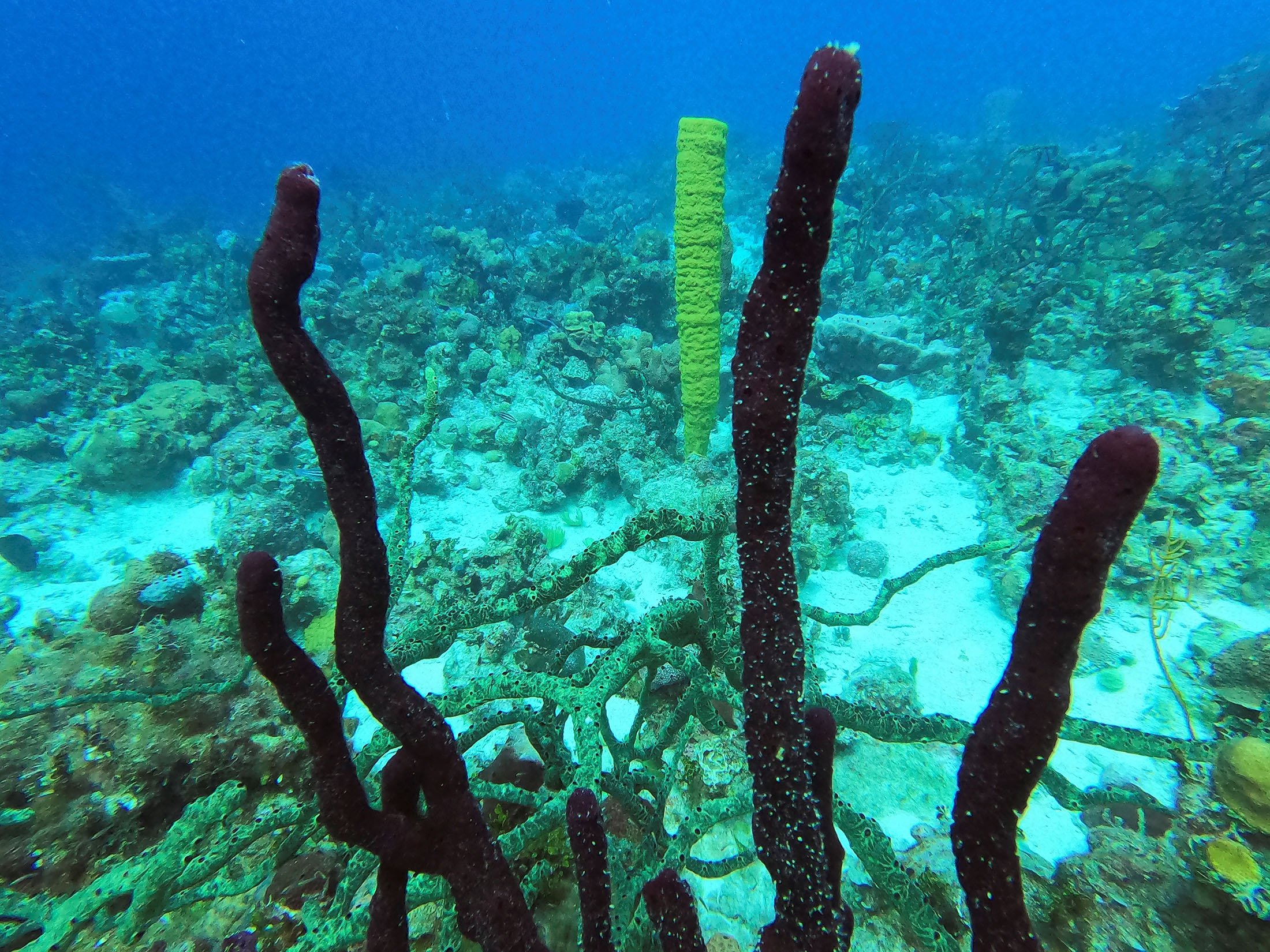
A view of a coral colony at Playa Giron, Cuba, Dec. 6, 2020. (REUTERS Photo)

Based on data in the open-access Ocean Biodiversity Information System, the statistical study does not look at how individual species will adapt to new environments. In general, open-water species are likely to fare better, earlier research has found.

The impact on commercial fish stocks in the tropics is not addressed either, though it is clear which parts of the world will be hit the hardest.

"Indonesia and other nations near the equator, such as in West Africa, have the most to lose because their stocks can only decrease," as no new species will replace those leaving, Costello said.

Worldwide, about 1.3 billion people live in coastal tropical areas, many of which rely on fisheries for food.

A recent review article in Nature estimated that the maximum catch potential of tropical fish stocks in so-called exclusive economic zones – 200 nautical miles (370 kilometers) from the coast – would decline 40% by mid-century if global warming continues unabated.

In most Pacific island nations, the combined catch of skipjack and yellowfin tuna – the two most exported fish – would drop up to 40% under the same scenario, while coral reef fish consumed locally could decline even more.

The study in PNAS began with the University of Auckland doctoral dissertation of Chhaya Chaudhary.


  • shortlink copied
  • Last Update: Apr 06, 2021 4:41 pm
    KEYWORDS
    climate crisis global warming equator poles marine life ecosystem fauna&flora
    The Daily Sabah Newsletter
    Keep up to date with what’s happening in Turkey, it’s region and the world.
    You can unsubscribe at any time. By signing up you are agreeing to our Terms of Use and Privacy Policy. This site is protected by reCAPTCHA and the Google Privacy Policy and Terms of Service apply.
    No Image
    Ancient Mar Musa monastery welcomes visitors amid Syria's new era
    PHOTOGALLERY
    • POLITICS
    • Diplomacy
    • Legislation
    • War On Terror
    • EU Affairs
    • News Analysis
    • TÜRKİYE
    • Istanbul
    • Education
    • Investigations
    • Minorities
    • Diaspora
    • World
    • Mid-East
    • Europe
    • Americas
    • Asia Pacific
    • Africa
    • Syrian Crisis
    • İslamophobia
    • Business
    • Automotive
    • Economy
    • Energy
    • Finance
    • Tourism
    • Tech
    • Defense
    • Transportation
    • News Analysis
    • Lifestyle
    • Health
    • Environment
    • Travel
    • Food
    • Fashion
    • Science
    • Religion
    • History
    • Feature
    • Expat Corner
    • Arts
    • Cinema
    • Music
    • Events
    • Portrait
    • Performing Arts
    • Reviews
    • Sports
    • Football
    • Basketball
    • Motorsports
    • Tennis
    • Opinion
    • Columns
    • Op-Ed
    • Reader's Corner
    • Editorial
    • Photo gallery
    • DS TV
    • Jobs
    • privacy
    • about us
    • contact us
    • RSS
    © Turkuvaz Haberleşme ve Yayıncılık 2021