Daily Sabah logo

Politics
Diplomacy Legislation War On Terror EU Affairs Elections News Analysis
TÜRKİYE
Istanbul Education Investigations Minorities Expat Corner Diaspora
World
Mid-East Europe Americas Asia Pacific Africa Syrian Crisis Islamophobia
Business
Automotive Economy Energy Finance Tourism Tech Defense Transportation News Analysis
Lifestyle
Health Environment Travel Food Fashion Science Religion History Feature Expat Corner
Arts
Cinema Music Events Portrait Reviews Performing Arts
Sports
Football Basketball Motorsports Tennis
Opinion
Columns Op-Ed Reader's Corner Editorial
PHOTO GALLERY
JOBS ABOUT US RSS PRIVACY CONTACT US
© Turkuvaz Haberleşme ve Yayıncılık 2025

Daily Sabah - Latest & Breaking News from Turkey | Istanbul

  • Politics
    • Diplomacy
    • Legislation
    • War On Terror
    • EU Affairs
    • Elections
    • News Analysis
  • TÜRKİYE
    • Istanbul
    • Education
    • Investigations
    • Minorities
    • Expat Corner
    • Diaspora
  • World
    • Mid-East
    • Europe
    • Americas
    • Asia Pacific
    • Africa
    • Syrian Crisis
    • Islamophobia
  • Business
    • Automotive
    • Economy
    • Energy
    • Finance
    • Tourism
    • Tech
    • Defense
    • Transportation
    • News Analysis
  • Lifestyle
    • Health
    • Environment
    • Travel
    • Food
    • Fashion
    • Science
    • Religion
    • History
    • Feature
    • Expat Corner
  • Arts
    • Cinema
    • Music
    • Events
    • Portrait
    • Reviews
    • Performing Arts
  • Sports
    • Football
    • Basketball
    • Motorsports
    • Tennis
  • Gallery
  • Opinion
    • Columns
    • Op-Ed
    • Reader's Corner
    • Editorial
  • TV
  • Life
  • Health
  • Environment
  • Travel
  • Food
  • Fashion
  • Science
  • Religion
  • History
  • Feature
  • Expat Corner

WHO 'concerned' about COVID-19 vaccine effectiveness on variants

by Daily Sabah with AFP

Feb 05, 2021 - 10:44 am GMT+3
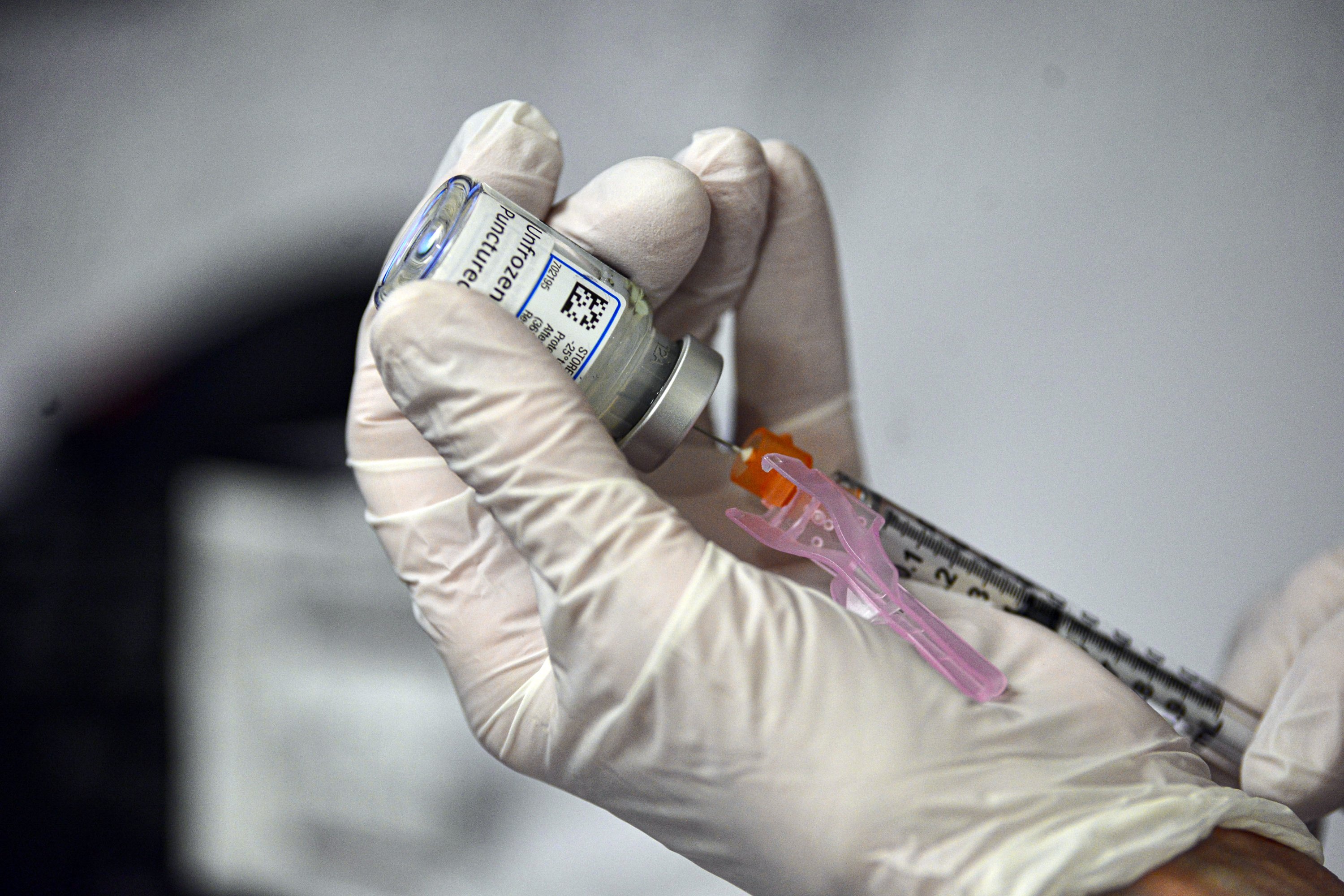
A nurse at Brattleboro Memorial Hospital draws the Moderna COVID-19 vaccine into a syringe in Brattleboro, Vermont, U.S., Feb. 3, 2021. (The Brattleboro Reformer via AP)
by Daily Sabah with AFP Feb 05, 2021 10:44 am

The head of the European branch of the World Health Organization (WHO) joined parties worried about mutations of the coronavirus, expressing concern about the effectiveness of current vaccines on its variants on Friday.

In the European Union, just 2.5% of the population has received a first vaccine dose, though announcements by several laboratories of increased vaccine deliveries have raised hopes of an acceleration. The European Commission said it expects 70% of the population to be vaccinated by summer.

Asked whether the vaccines available since December would be effective against new virus variants, WHO Europe director Hans Kluge replied: "That's the big question. I'm concerned."

"We have to be prepared" for new problematic mutations of the virus, he warned, calling on countries to expand their genomic sequencing capacity.

"It's a cruel reminder that the virus still has the upper hand on the human being," Kluge said.

Two Chinese vaccines have shown to be effective against the South African variants so far, though to a much weaker extent. A lab study also showed that the Pfizer-BioNTech vaccine was working against the new variants, yet the constant mutations have planted seeds of doubt in the scientific community.

Speaking to the Agence France-Presse (AFP) in an interview, Kluge said Europe and pharma groups must work together to speed up COVID-19 vaccinations. Europe has made a slow start to its vaccination campaign amid tensions between Brussels and vaccine manufacturers.

"Otherwise competing pharmaceutical companies (must) join efforts to drastically increase production capacity ... that's what we need," he added.
'Tunnel a little bit longer'

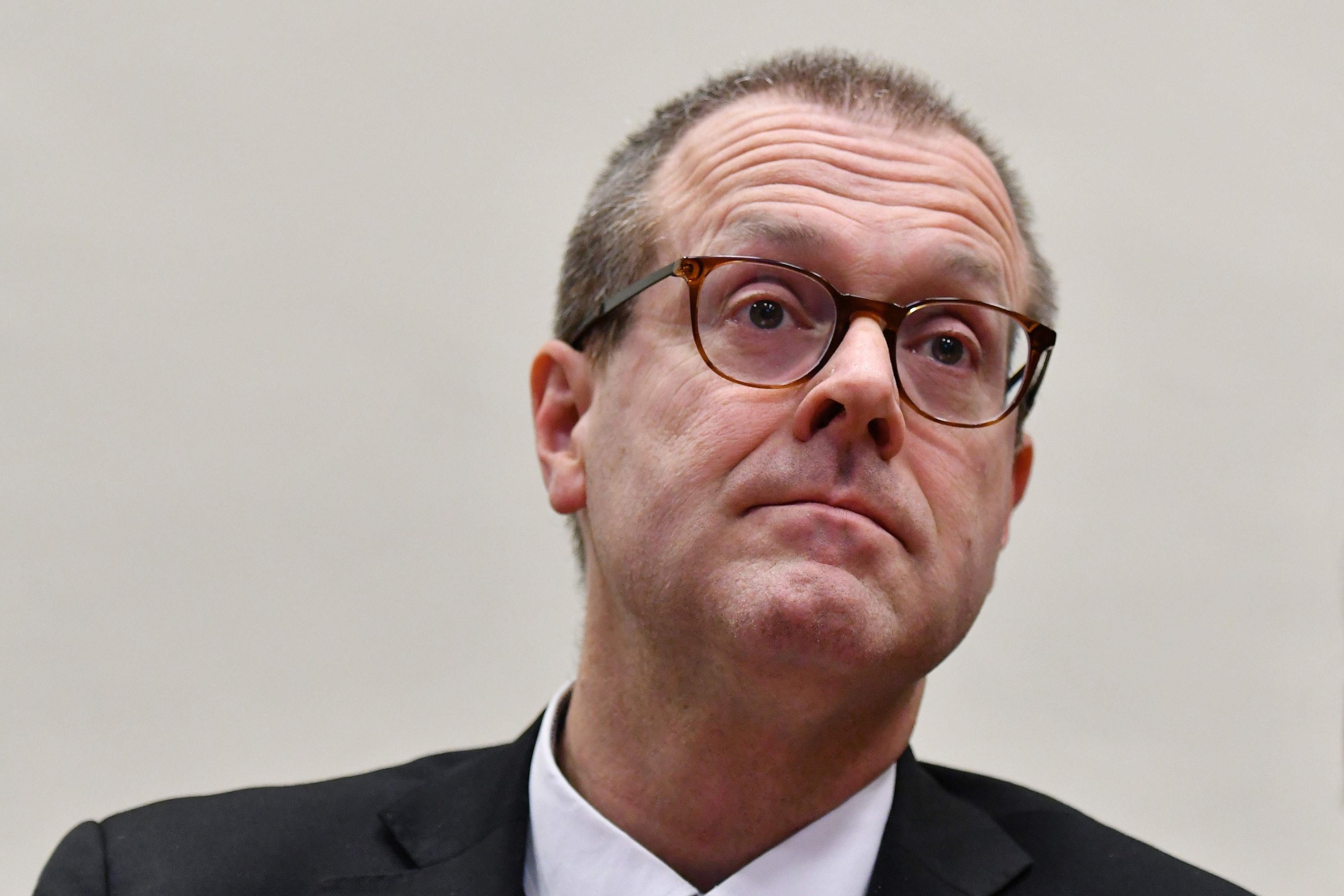
WHO Europe Director Hans Kluge gives a news conference on the outbreak of COVID-19, also known as the coronavirus, in Rome, Italy, Feb. 26, 2020. (AFP Photo)

Of the 53 countries in the WHO's European region – which includes several countries in Central Asia – 37 have reported cases of the British variant and 17 have registered cases of the South African variant.

While the fight against the pandemic now appears more challenging than in December when the first vaccines became available, Kluge remained optimistic.

"I'll be honest, I think that the tunnel is a little bit longer than what I thought at the end of December, but it's going to be manageable, more preventable this year," he said.

"'The' solution or 'the' strategy doesn't exist. We have to get better at what we do and we are getting better," he said.

He reiterated the WHO's call for rich countries to show solidarity toward poor nations unable to buy vaccines, urging wealthy ones to share their doses after having inoculated a portion of their own population.

"Maybe if EU countries vaccinate 20% of their population – and you need 70% for herd immunity – but we could say for example that if they hit 20% – (that) would mean elderly people, health care workers, people with comorbidity – if they hit 20% maybe that's the moment that they can already start to share some vaccines," he suggested.

The milestone of 100 million vaccine doses administered was passed Tuesday, with 65% of the jabs given in high-income countries, according to World Bank criteria.

Sharing doses

In a bid to combat "vaccine nationalism," the WHO has set up COVAX, a global inoculation-sharing initiative to help poor countries.

"We know that in the EU, Canada, U.K., U.S., they all ordered and made deals for four to nine times more doses than they need. So my point here is, don't wait until you have 70% of the population (vaccinated) to share with the Balkans, to share with central Asia, Africa," Kluge said.

While the WHO is in favor of countries issuing vaccination certificates, Kluge was opposed to the idea of "vaccination passports" required for travel.

"We certainly don't want to have a situation where there are so-called vaccine passports, that's something that we are definitely not subscribing to because it will increase inequities," he said.


  • shortlink copied
  • Last Update: Feb 05, 2021 12:11 pm
    KEYWORDS
    covid-19 pandemic mutation coronavirus variants covid-19 vaccine race who hans kluge big pharma
    The Daily Sabah Newsletter
    Keep up to date with what’s happening in Turkey, it’s region and the world.
    You can unsubscribe at any time. By signing up you are agreeing to our Terms of Use and Privacy Policy. This site is protected by reCAPTCHA and the Google Privacy Policy and Terms of Service apply.
    No Image
    A rare peek into the La Palma volcano
    PHOTOGALLERY
    • POLITICS
    • Diplomacy
    • Legislation
    • War On Terror
    • EU Affairs
    • News Analysis
    • TÜRKİYE
    • Istanbul
    • Education
    • Investigations
    • Minorities
    • Diaspora
    • World
    • Mid-East
    • Europe
    • Americas
    • Asia Pacific
    • Africa
    • Syrian Crisis
    • İslamophobia
    • Business
    • Automotive
    • Economy
    • Energy
    • Finance
    • Tourism
    • Tech
    • Defense
    • Transportation
    • News Analysis
    • Lifestyle
    • Health
    • Environment
    • Travel
    • Food
    • Fashion
    • Science
    • Religion
    • History
    • Feature
    • Expat Corner
    • Arts
    • Cinema
    • Music
    • Events
    • Portrait
    • Performing Arts
    • Reviews
    • Sports
    • Football
    • Basketball
    • Motorsports
    • Tennis
    • Opinion
    • Columns
    • Op-Ed
    • Reader's Corner
    • Editorial
    • Photo gallery
    • DS TV
    • Jobs
    • privacy
    • about us
    • contact us
    • RSS
    © Turkuvaz Haberleşme ve Yayıncılık 2021