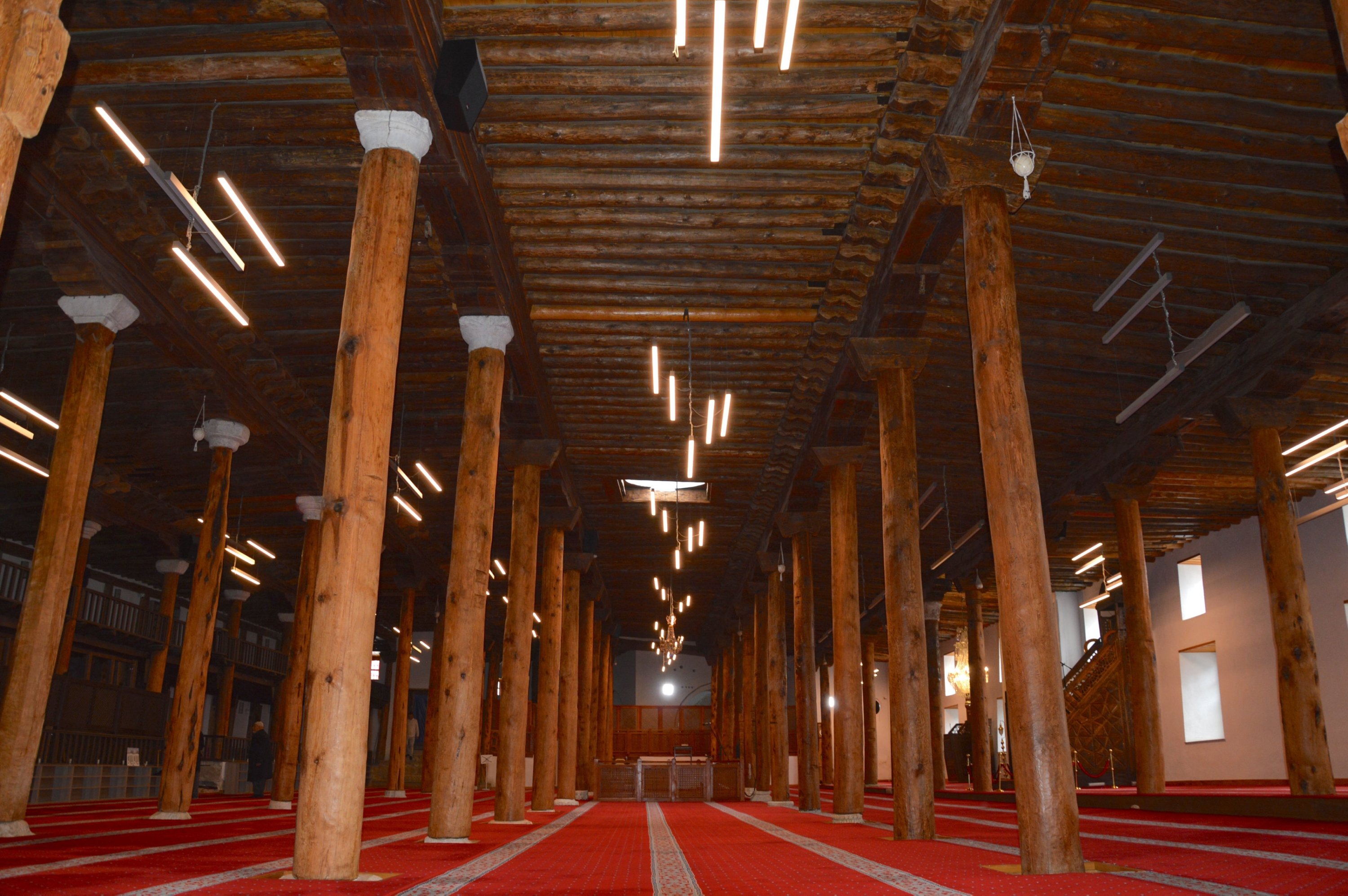
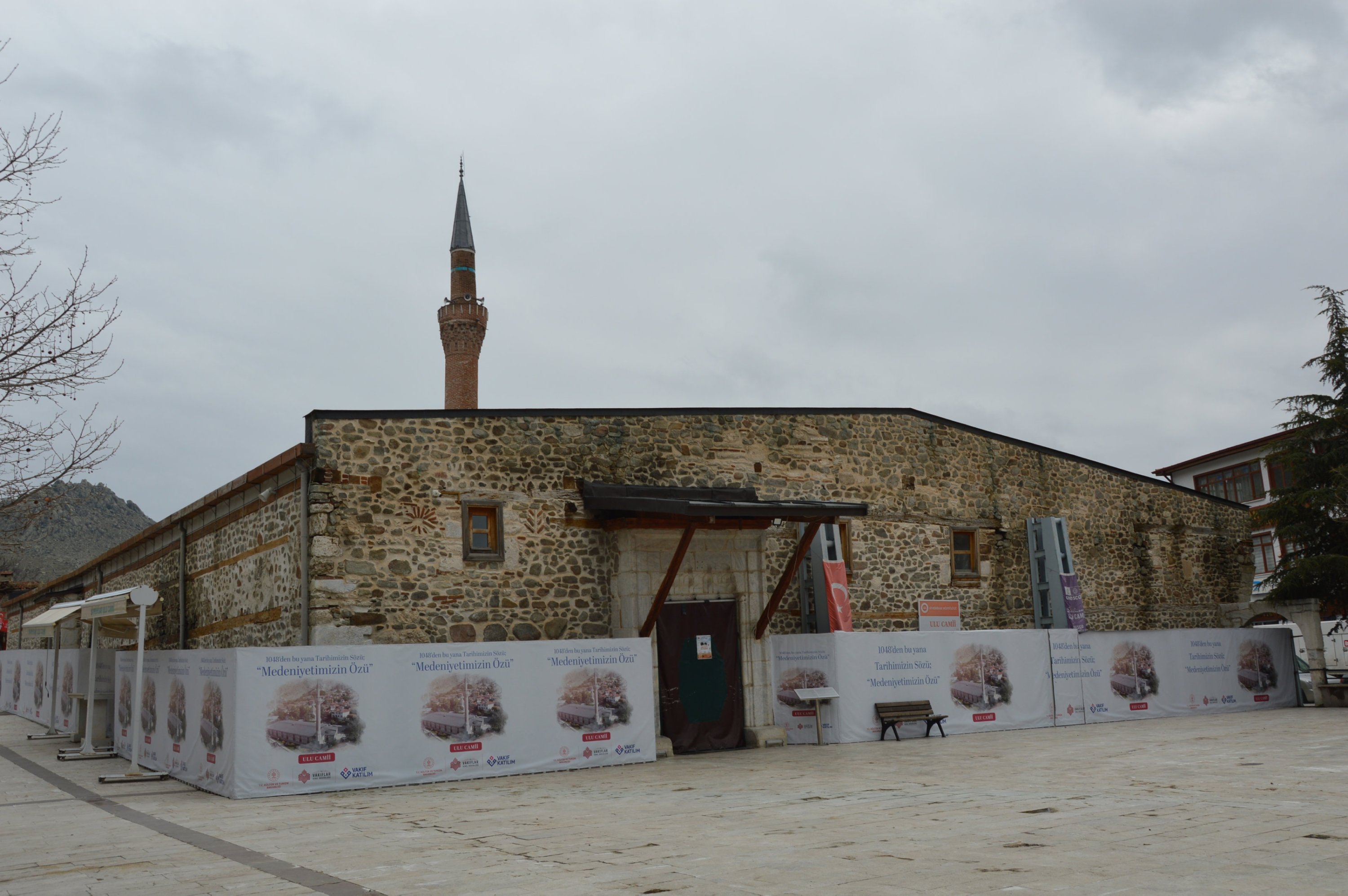
Cleaning, maintenance and lighting work at the 794-year-old Ulu Mosque, or Sivrihisar Grand Mosque, in Eskişehir, Türkiye, which is listed as a UNESCO World Heritage Site, has been completed ahead of the holy month of Ramadan.
The mosque was originally built in 1232 by Emir Cemaleddin Ali Bey during the reign of Anatolian Seljuk Sultan Alaeddin Keykubad I. It received major repairs in 1274 under Abdullah’s son, Eminüddin Mikail Bey, the deputy of Gıyaseddin Keyhüsrev III, giving it its current appearance. The mosque was added to the UNESCO World Heritage List in 2023.
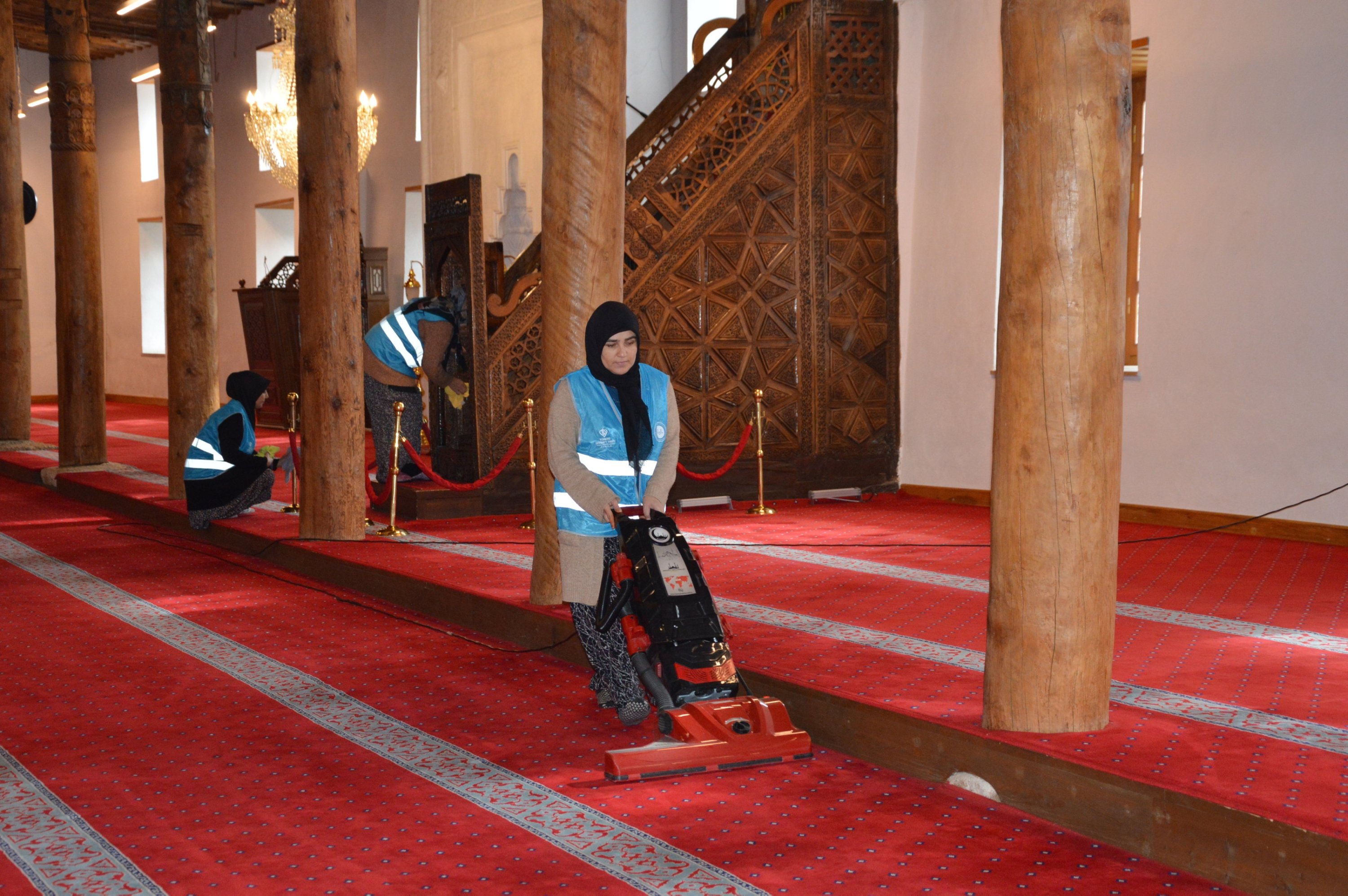
Ahead of Ramadan, the Sivrihisar District Mufti’s Office organized a thorough cleaning of the mosque, including prayer areas. Workers appointed by the mufti’s office cleaned and reorganized the spaces to accommodate worshippers.
Since Ramadan falls during the winter months this year, maintenance was also carried out on the mosque’s heating system and the lighting in the minarets, whose lights will illuminate the mosque between iftar, the evening meal breaking the fast and imsak, the predawn time when fasting begins. Preparations for the traditional nightly prayers and Quran recitations (teravih and mukabele) have been completed by local hafizes.
Mustafa Budak, Sivrihisar District mufti, told Anadolu Agency (AA) that the mosque, built in the mid-13th century, is one of the spiritual symbols of Islam in the region.
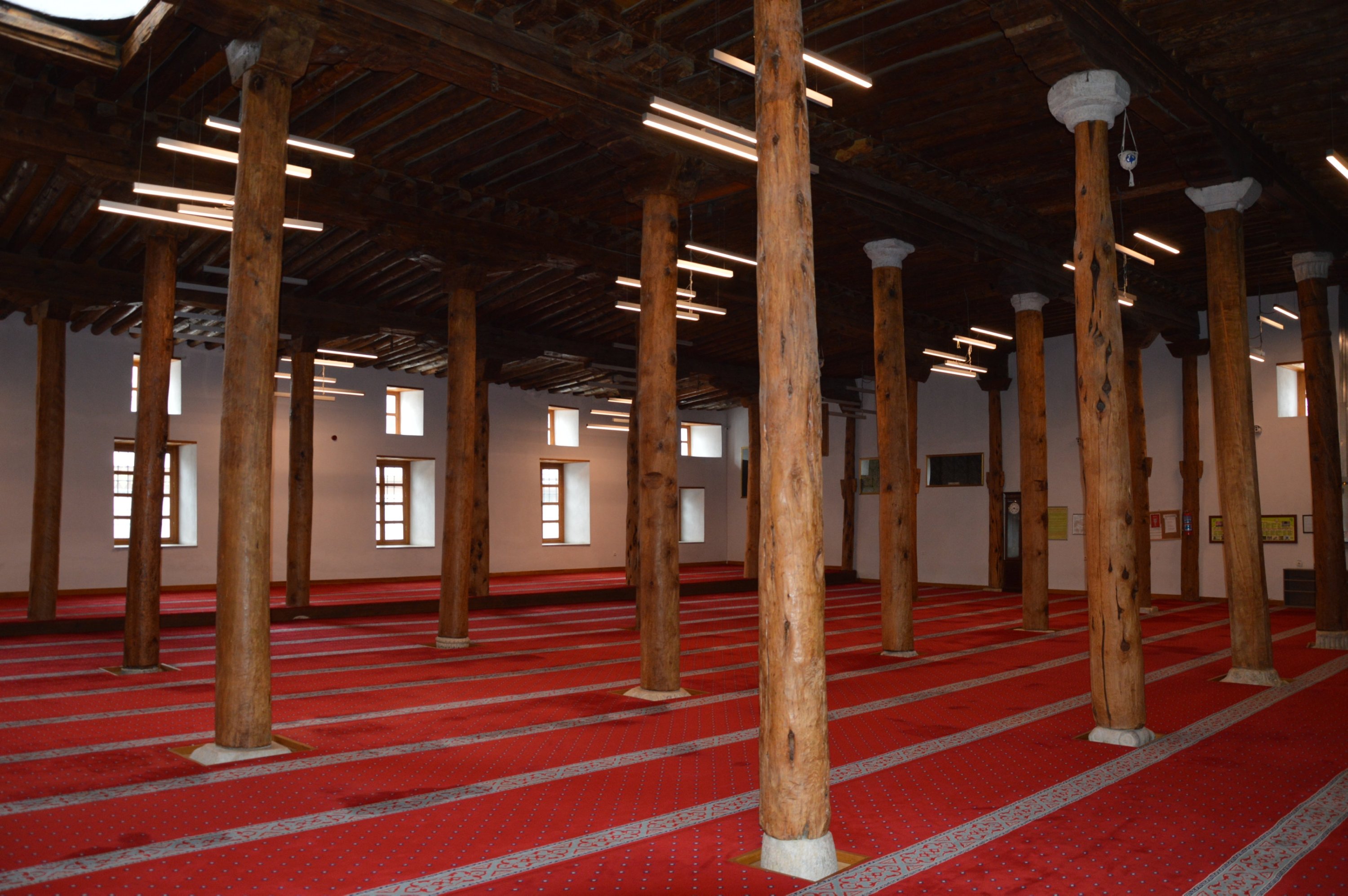
Budak explained that of the mosque’s 67 columns, 63 symbolize the life of Prophet Muhammad and four represent the four caliphs. He also highlighted the mosque’s pulpit, which predates the mosque itself by 30-35 years and is considered a priceless artifact.
“The pulpit was constructed using the intricate ‘kündekari’ woodworking technique from walnut wood,” Budak said. “The entrance was adorned with the Ayat al-Kursi inscription by Horasani Mehmet. It is a valuable masterpiece.”
He noted that Sivrihisar is known not only for its historic mosque but also for the scholars who have taught there. Many prominent Islamic scholars have delivered sermons from its pulpit over the centuries.
Budak said the mosque’s inclusion on the UNESCO World Heritage List has attracted visitors from around the world. “We carried out cleaning in the Grand Mosque and other local mosques. We organized special sections for women, adjusted the heating systems for the winter season and completed lighting maintenance in the minarets that will shine during Ramadan,” he said.
Seventy-nine-year-old worshipper Ibrahim Anlar praised the mosque’s founders, saying, “They built this Grand Mosque according to the five pillars of Islam. May they rest in peace; they left us a legacy. God willing, our mosque will be even more lively during Ramadan.”
Fatma Soylu, 50, one of the mosque’s cleaning staff, said she has been serving at the mosque for over 10 years. “I am happy to work here. It is a beautiful, historic mosque, and I hope everyone comes to see it. We are preparing for Ramadan and ensuring the mosque is ready for worshippers,” she said.