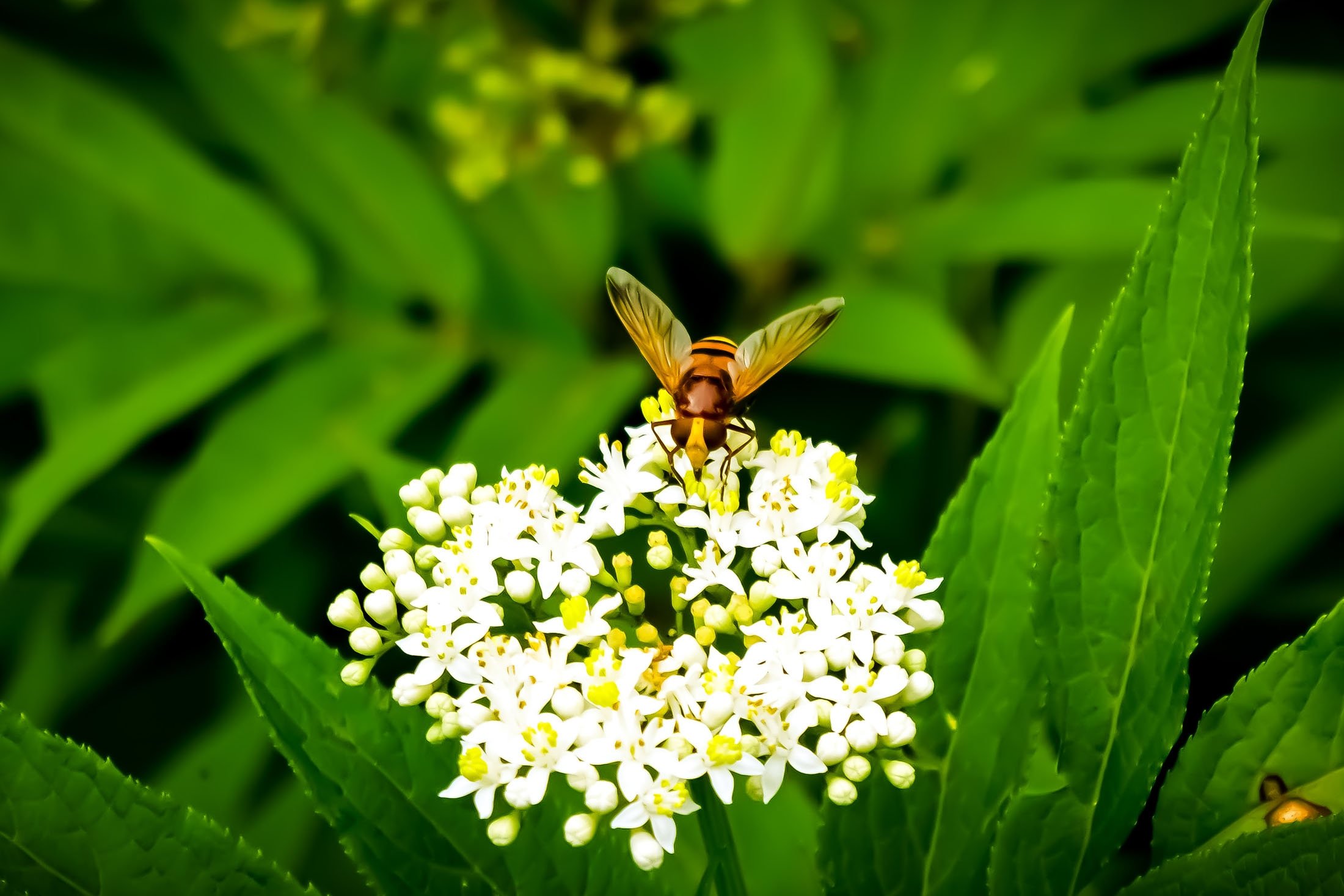
Ever since 2017, May 20 has been marked by the United Nations as World Bee Day in an effort to acknowledge and celebrate the role of bees and other pollinators for the ecosystem. The date coincides with the birthday of Slovenia apiarist Anton Jansa, who is considered to have pioneered modern beekeeping techniques. Slovenia is also the country that appealed to the U.N. to announce this official day celebrating bees and other pollinators, such as butterflies, bats and hummingbirds, which are incredibly important to the world’s ecosystem yet are increasingly under threat from human activities.
Pollination is a fundamental process for the survival of our ecosystems with nearly 90% of the world’s wild flowering plant species, 75% of the world’s food crops and 35% of global agricultural land depend on pollinators, which makes their job literally the most important in the world for proliferating the food supply and biodiversity. Alas, climate change and development catastrophically threaten their habitats, hence the importance of this day of awareness.
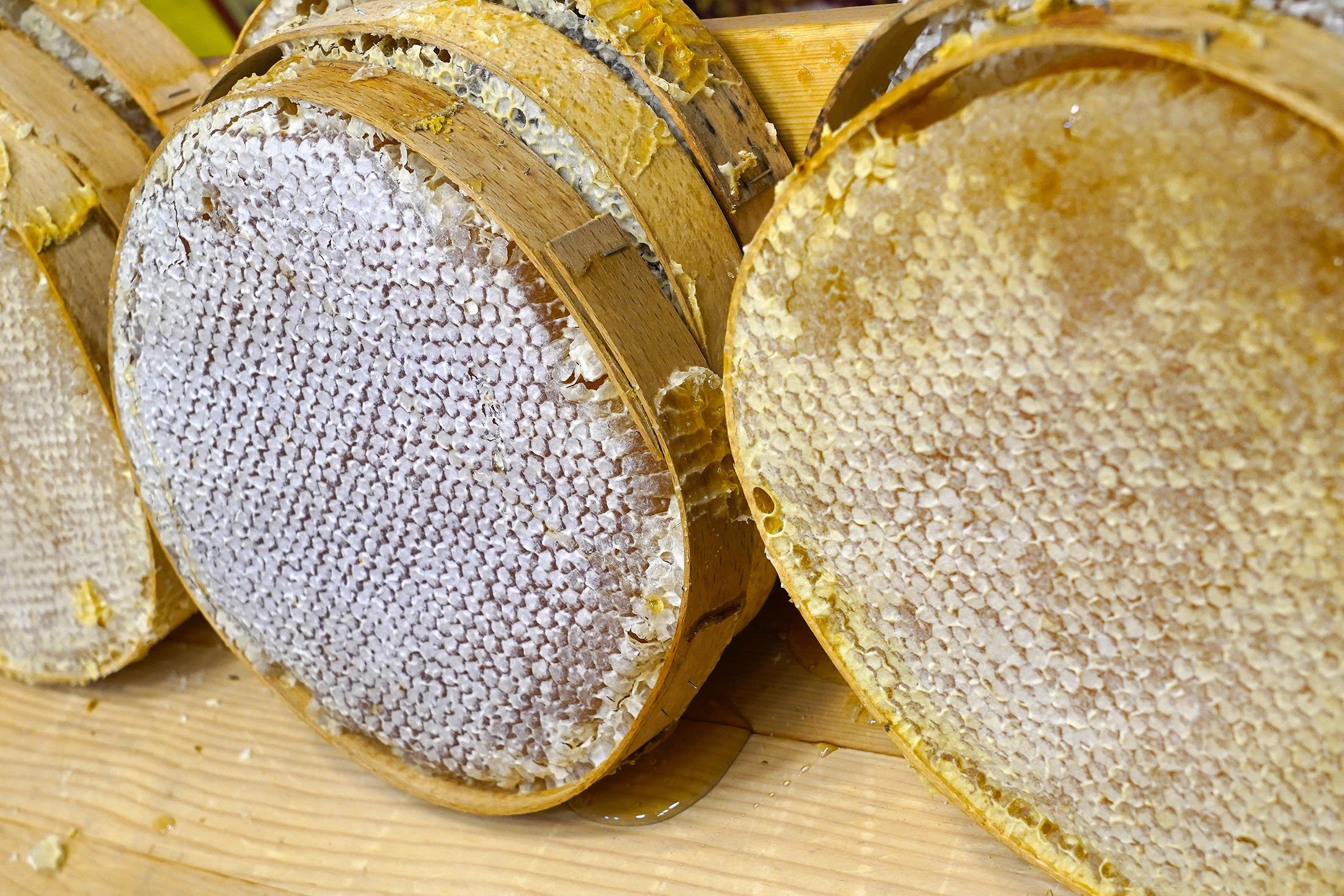
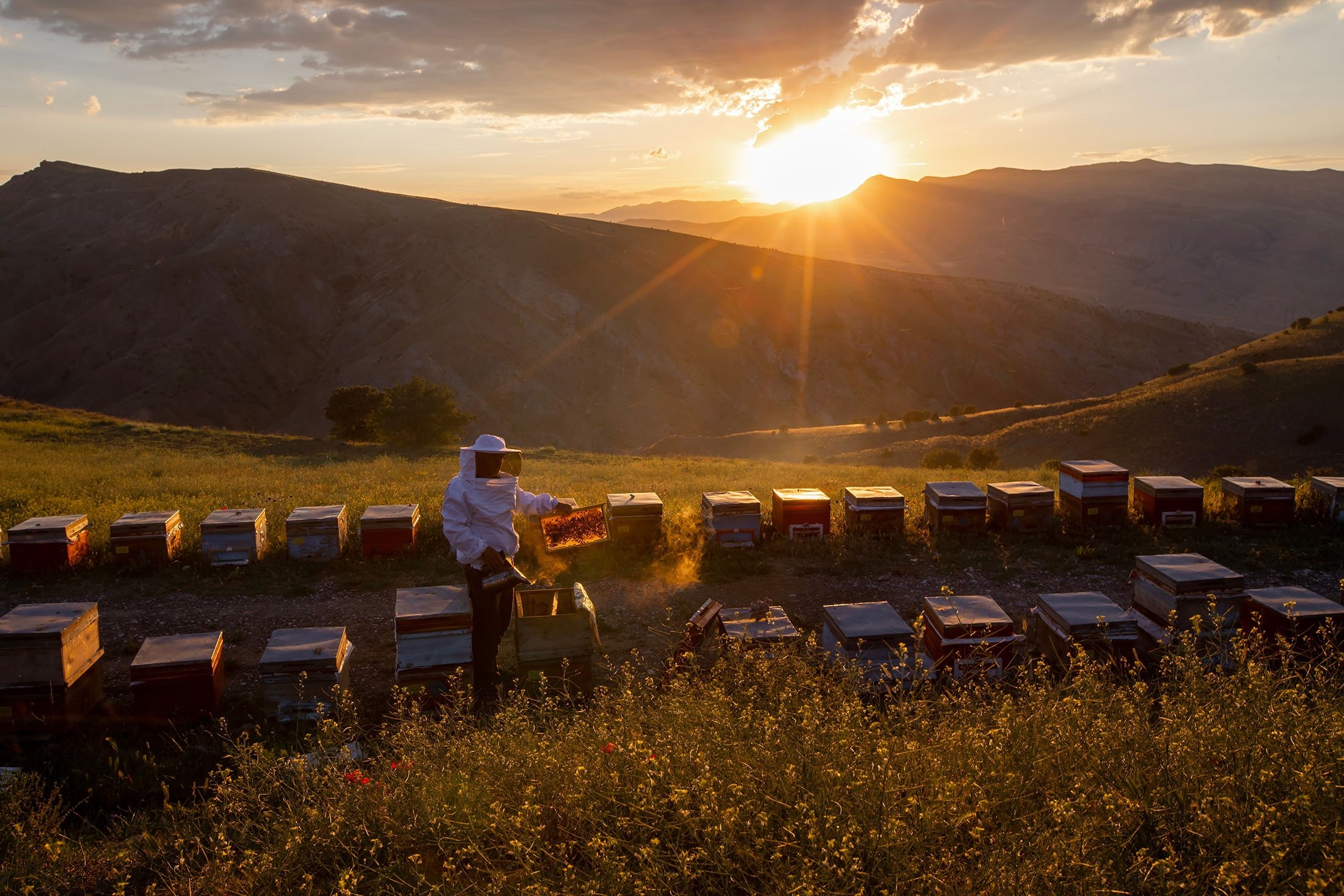
In Türkiye, honey has always been a prized commodity with a history that spans thousands of years as evident from the bee coins found at the ancient site of Ephesus and the product’s mention in Homer’s epic "The Illiad." Any hike in the forest or panoramic glance into the untouched hills of nature would provide evidence enough of the beekeeping profession’s popularity through sighting the light-colored hive boxes and thus the abundance of this liquid gold for Turks. In Turkish, “ballı,” which translates into English as “with honey,” infers that someone is especially “lucky,” such as in the case of a lottery winner.
Revered as much for its role in the cuisine, as its medicinal purposes, honey is certainly a prized possession here in Türkiye and one that most households will have on hand. Most popularly consumed as one of the steadfast ingredients of a Turkish breakfast, it is often combined with butter or even better buffalo cream (referred to as kaymak) and spread lavishly on the freshly baked loaves of bread. Honey is the signature ingredient in Türkiye’s most popular ice cream flavor, ie. ballı badem, which is a delightful medley of almond croquant and you guessed it, honey. Otherwise it can be used as a sweetener in desserts and baked goods and as a syrup to be poured over baklava. It is also used in the preparation of the savory Ottoman dish Ballı Mahmudiye, named after Ottoman Sultan Mahmud I himself, which incorporates, honey and dried fruits with chicken.
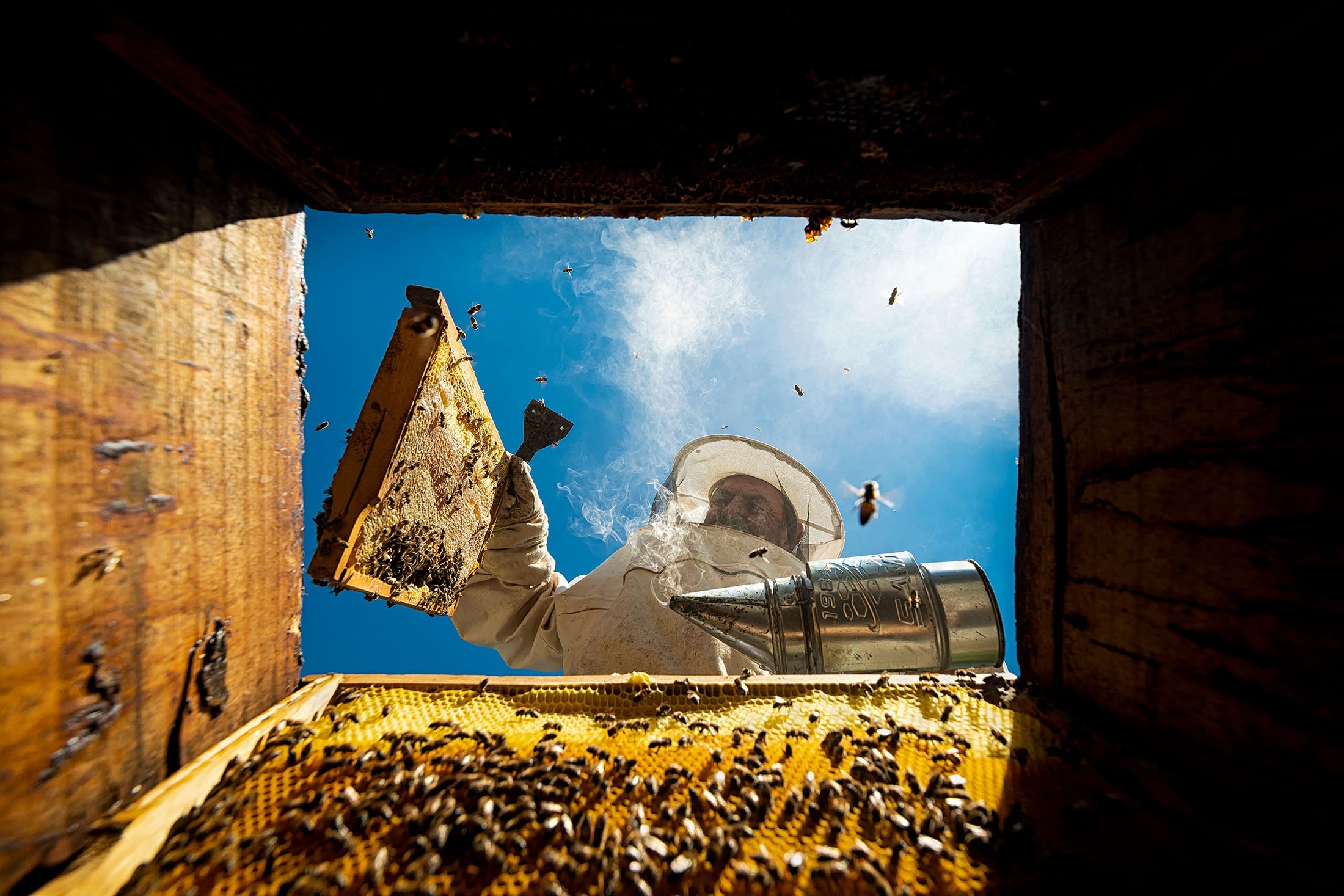
There are no less than 25 geographically patented types of honey in Türkiye, which also has nearly 9 million hives in operation as denoted by the Turkish Statistical Institution (TurkStat) in 2022 and listed on a special honey map of the country prepared by the Ministry of Agriculture and accessible on balharitasi.tarimorman.gov.tr. The average annual amount of honey produced per hive is 12.8 kilograms (around 28 pounds), while Türkiye produces nearly 115,000 tons annually. While Muğla is the province home to the highest number of hives at nearly 1 million, Adana produces the best value per hive, with each hive making 25.6 kilograms on average, followed by Çanakkale province where the average is 24.2 kilograms and Sivas at 18.8 kilograms. Thus, it should come as no surprise that Adana produces the highest amount of honey in the nation.
At 92%, Türkiye produces the highest amount of pine honey in the world, while the most prevalent variation within the nation is undisputedly flower honey, in Turkish "çiçek balı." Türkiye also produces the most expensive honey in the world as the Guinness World Records established in 2021, naming Centauri honey sold at upwards of $11,000 per kilogram as the world’s most prized honey variety. This medicinal honey is produced in an uninhabited region of the Black Sea coast of Sile and in caves that are at approximately 2,000- 3,000 meters above sea level and only accessible through the efforts of skilled rock climbers, who can typically only extract 10 to 15 kilograms each year.
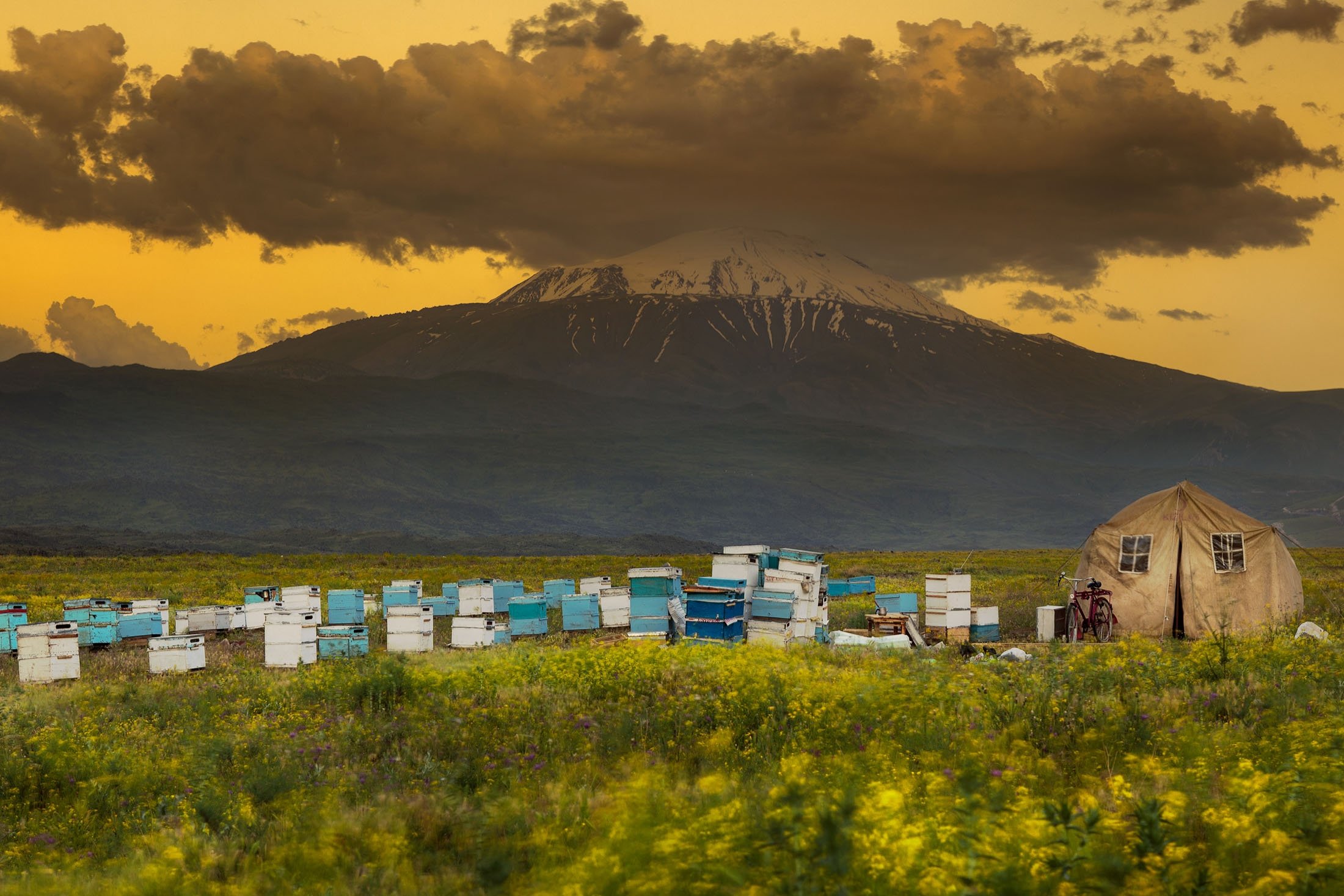
The most touristic region for honey is Muğla’s Köyçeğiz, a spectacular slice of nature with indigenous liquid amber forests, mountains and creeks that surrounds the Köyçeğiz Lake that feeds into the Dalyan River and Iztuzu Beach of the Aegean Sea. The quaint town of Köyçeğiz makes for an excellent stop to relax at any of the cafes along the lake, visit the bustling and prolific farmers’ market, which is also visitable by boat trips setting out from the expat hub of Dalyan, and to of course peruse the vast selection of honey that happens to be on offer in this region. From lavender to thyme and to citrus and you name it, there are dozens of varieties of monoflower honey that can be purchased in town or in shops housed in nomadic tents set up along the highway.
A word of warning for Türkiye’s “deli bal,” which in English mean “crazy honey,” as found in the Kaçkar Mountains and revered for its medicinal properties. It also contains a neurotoxin that can lead to hallucinations and nausea when consumed in abundance as evidenced by a poor bear who hit the headlines for being found intoxicated after having excessively consumed this type of honey.
Meanwhile, the supermarket chain Migros will be offering 175 different events in honor of World Bee Day that will be held in their family club center, (Aile Kulüplerinde) until May 26. Geared toward children and their families, the events will include workshops, seminars, storytelling and cooking classes all centered around themes involving honey and the precious bee.