Daily Sabah logo

Politics
Diplomacy Legislation War On Terror EU Affairs Elections News Analysis
TÜRKİYE
Istanbul Education Investigations Minorities Expat Corner Diaspora
World
Mid-East Europe Americas Asia Pacific Africa Syrian Crisis Islamophobia
Business
Automotive Economy Energy Finance Tourism Tech Defense Transportation News Analysis
Lifestyle
Health Environment Travel Food Fashion Science Religion History Feature Expat Corner
Arts
Cinema Music Events Portrait Reviews Performing Arts
Sports
Football Basketball Motorsports Tennis
Opinion
Columns Op-Ed Reader's Corner Editorial
PHOTO GALLERY
JOBS ABOUT US RSS PRIVACY CONTACT US
© Turkuvaz Haberleşme ve Yayıncılık 2025

Daily Sabah - Latest & Breaking News from Turkey | Istanbul

  • Politics
    • Diplomacy
    • Legislation
    • War On Terror
    • EU Affairs
    • Elections
    • News Analysis
  • TÜRKİYE
    • Istanbul
    • Education
    • Investigations
    • Minorities
    • Expat Corner
    • Diaspora
  • World
    • Mid-East
    • Europe
    • Americas
    • Asia Pacific
    • Africa
    • Syrian Crisis
    • Islamophobia
  • Business
    • Automotive
    • Economy
    • Energy
    • Finance
    • Tourism
    • Tech
    • Defense
    • Transportation
    • News Analysis
  • Lifestyle
    • Health
    • Environment
    • Travel
    • Food
    • Fashion
    • Science
    • Religion
    • History
    • Feature
    • Expat Corner
  • Arts
    • Cinema
    • Music
    • Events
    • Portrait
    • Reviews
    • Performing Arts
  • Sports
    • Football
    • Basketball
    • Motorsports
    • Tennis
  • Gallery
  • Opinion
    • Columns
    • Op-Ed
    • Reader's Corner
    • Editorial
  • TV
  • Opinion
  • Columns
  • Op-Ed
  • Reader's Corner
  • Editorial

Constant change in Middle Eastern dynamics

by Muhittin Ataman

Jun 01, 2021 - 10:02 pm GMT+3
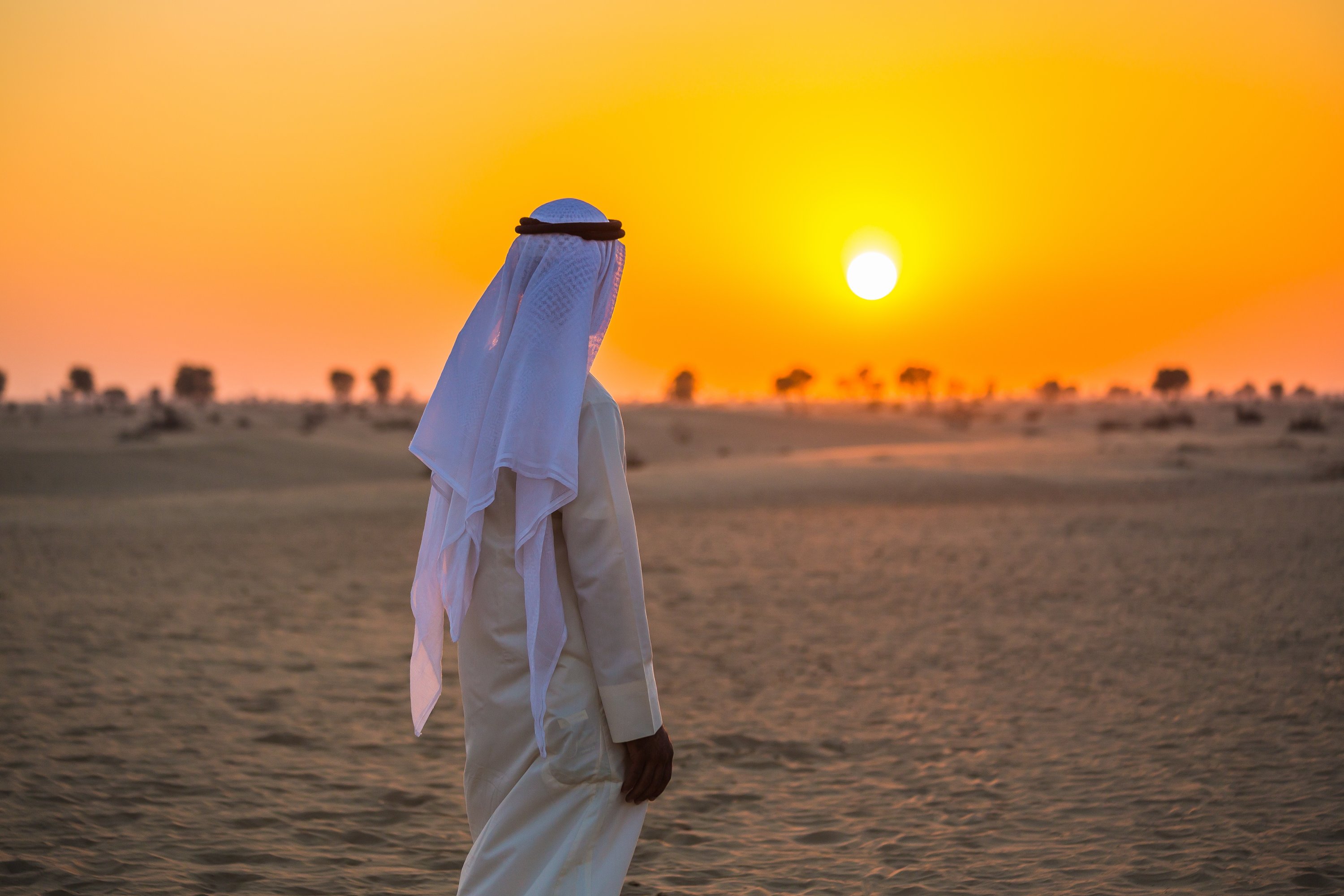
An illustration photo showing a man looking at the sunset in a desert in the Arab region. (Photo by Shutterstock)
by Muhittin Ataman Jun 01, 2021 10:02 pm

The Middle East continues to be one of the most dynamic regions of the world. On the one hand, it directly and indirectly influences not only the policies of regional countries but also those of the global powers.

On the other hand, any change in the domestic political settings of global actors, such as the United States, directly influences the foreign policies of the Middle East's regional countries.

The latest Israeli military attacks against the Palestinian people are but the most recent development to significantly change the regional balance of power.

First of all, the Israeli attacks have damaged the Israeli consolidated regional supremacy established after the Arab Spring. When the political authority and the state structure of the traditional states that were known as the main carriers of Arab nationalism, such as Syria, Iraq and Yemen, collapsed after the Arab Spring, Israel unexpectedly found itself in a much more secure environment.

The two Gulf states, namely the United Arab Emirates (UAE) and Saudi Arabia, which emerged as the new leaders of the Arab world, collaborated with the Israeli state.

The UAE has remained the only close partner of Israel; Egypt and Saudi Arabia have begun to follow a more balanced policy. After the most recent Israeli attacks, Arabs have begun to take the Palestinian cause into consideration.

'The orb alliance'

Second, the “orb alliance” established by former U.S. President Donald Trump's administration with Saudi King Salman and Egyptian President Abdel-Fattah el-Sissi disintegrated. The orb alliance and the following developments clinched the pro-Israeli alliance and the new regional balance of power.
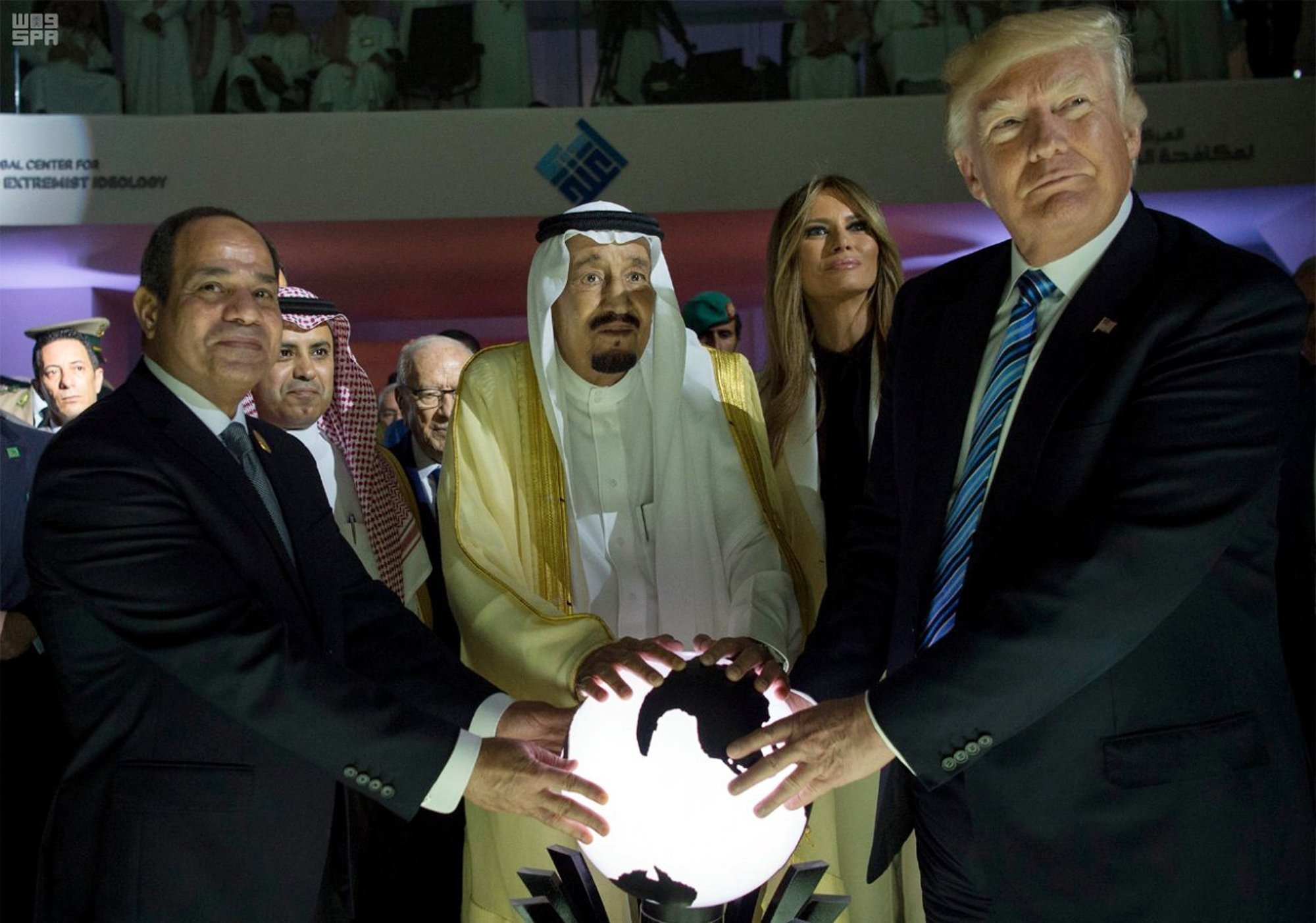
From left to right, Egyptian President Abdel-Fattah el-Sissi, Saudi King Salman, then U.S. First Lady Melania Trump and then U.S. President Donald Trump put their hands on an illuminated globe during the inauguration ceremony of the Global Center for Combating Extremist Ideology, Riyadh, Saudi Arabia, May 21, 2017. (AP Photo)

The Trump administration gave carte blanche to the members of the orb alliance, which paved the way for many illegal and illegitimate developments, such as:

  • the declaration of the so-called Deal of the Century
  • the recognition of the annexation of the Golan Heights by Israel
  • moving the American embassy from Tel Aviv to Jerusalem
  • claiming that the united Jerusalem is the capital of Israel

Trump did not take any action against the Saudi authorities for their involvement in the killing of the Saudi journalist Jamal Khashoggi in the Saudi consulate building in Istanbul.

The Palestinian people, not only those who live in the occupied territories but also those who live in the 1948 borders, attempted to resist the most recent Israeli atrocities.

The Deal of the Century, prepared by Trump’s team and Israeli Prime Minister Benjamin Netanyahu, was thrown into the dustbin of history as a result of U.S. President Joe Biden’s differing policy towards the issue.

Third, pro-Trump regional countries have lost their backer and have restructured their foreign policies. Many observers claim that the Biden administration has revoked the carte blanche, and from now on it will be more difficult for the members of the orb alliance, at least other than Israel, to continue their illegitimate intervention into regional politics.

As a matter of fact, regional states have realized these new conditions and have accordingly begun to restructure their foreign policies.

For instance, Egypt and Saudi Arabia have started to pursue a more inclusive and constructive policy and to normalize their relations with regional countries.

Biden vs. Trump

The Biden administration had been claiming that it will follow a “human rights centered” approach in its foreign policy, especially towards pro-Trump regimes of the Middle East, including Trump’s “favorite dictator.”

However, it seems that the Biden administration has been trying to normalize the pro-Trump states without forcing them to restructure their domestic policies.

In other words, Biden and his team have been trying to “normalize the abnormalities” in the region. The American insistence over the mediation efforts between the Israeli state and Hamas is an indication of this objective.

The U.S. government forced Netanyahu to accept the cease-fire offered by Egypt. Thus, the U.S. government contributed to the increase of Egypt’s credibility in the eyes of the regional actors.

On the other hand, the Biden administration’s emphasis on human rights and democracy has frightened the authoritarian regimes of the Arab world.

Therefore, they have changed their hawkish and belligerent political discourse and have initiated processes to normalize their relations with adversary actors in order to diversify their foreign policy and thus to decrease the vulnerability of their respective regimes.

The Gulf countries who have been otherizing and imposing an embargo against Qatar for the last several years suddenly have opened their arms to Qatar and initiated diplomatic relations, lessened their harsh rhetoric against the Muslim Brotherhood and sent relatively friendly messages to both Turkey and Iran.


About the author
Muhittin Ataman is a professor in the Department of International Relations at Social Sciences University of Ankara. He is also the Editor-in-Chief of Insight Turkey, published by SETA Foundation.
  • shortlink copied
  • Last Update: Jun 02, 2021 11:41 am
    KEYWORDS
    the middle east us foreign policy joe biden arab world
    The Daily Sabah Newsletter
    Keep up to date with what’s happening in Turkey, it’s region and the world.
    You can unsubscribe at any time. By signing up you are agreeing to our Terms of Use and Privacy Policy. This site is protected by reCAPTCHA and the Google Privacy Policy and Terms of Service apply.
    No Image
    Protests, wildfire and flamingos: Top pictures of the week
    PHOTOGALLERY
    • POLITICS
    • Diplomacy
    • Legislation
    • War On Terror
    • EU Affairs
    • News Analysis
    • TÜRKİYE
    • Istanbul
    • Education
    • Investigations
    • Minorities
    • Diaspora
    • World
    • Mid-East
    • Europe
    • Americas
    • Asia Pacific
    • Africa
    • Syrian Crisis
    • İslamophobia
    • Business
    • Automotive
    • Economy
    • Energy
    • Finance
    • Tourism
    • Tech
    • Defense
    • Transportation
    • News Analysis
    • Lifestyle
    • Health
    • Environment
    • Travel
    • Food
    • Fashion
    • Science
    • Religion
    • History
    • Feature
    • Expat Corner
    • Arts
    • Cinema
    • Music
    • Events
    • Portrait
    • Performing Arts
    • Reviews
    • Sports
    • Football
    • Basketball
    • Motorsports
    • Tennis
    • Opinion
    • Columns
    • Op-Ed
    • Reader's Corner
    • Editorial
    • Photo gallery
    • DS TV
    • Jobs
    • privacy
    • about us
    • contact us
    • RSS
    © Turkuvaz Haberleşme ve Yayıncılık 2021