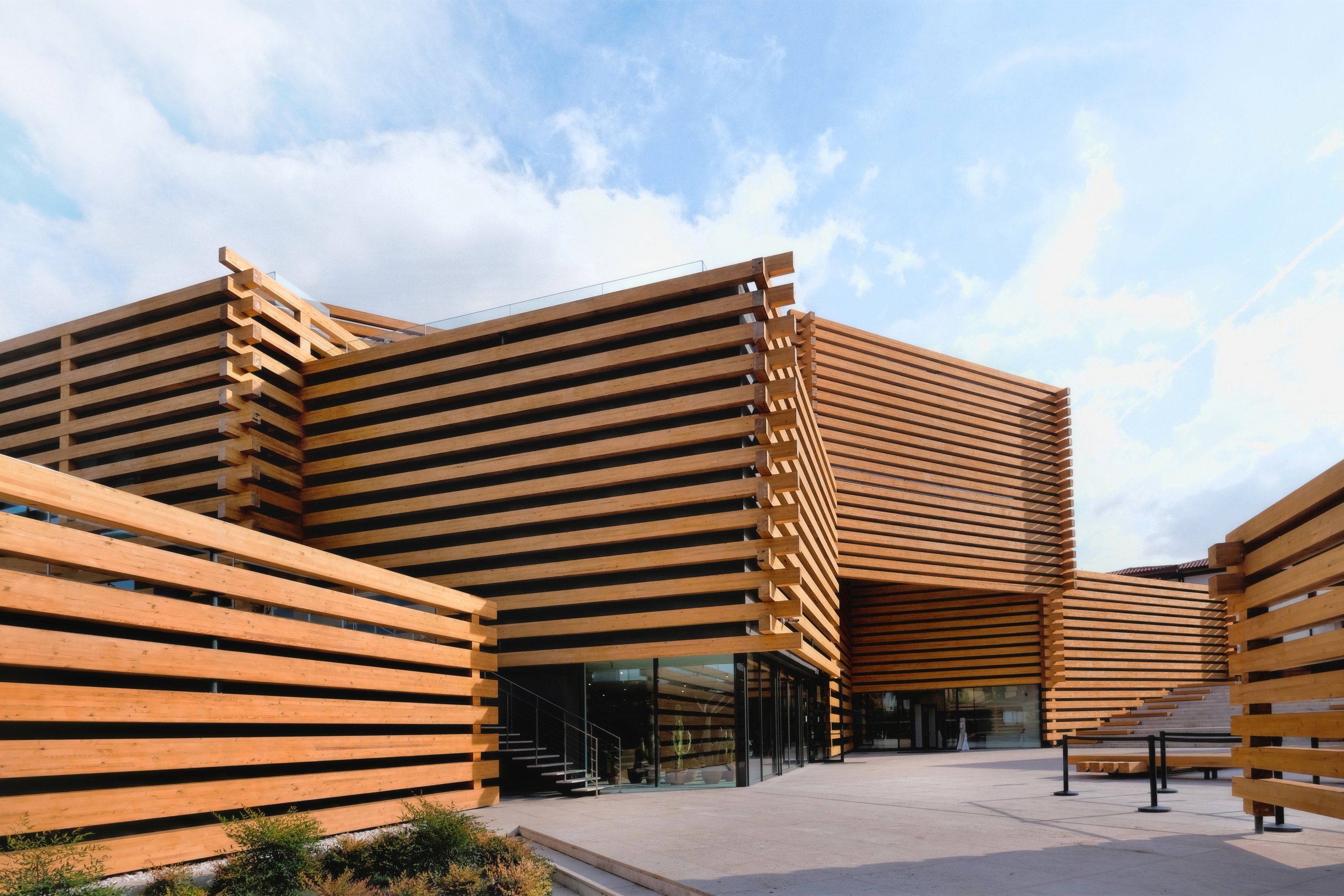
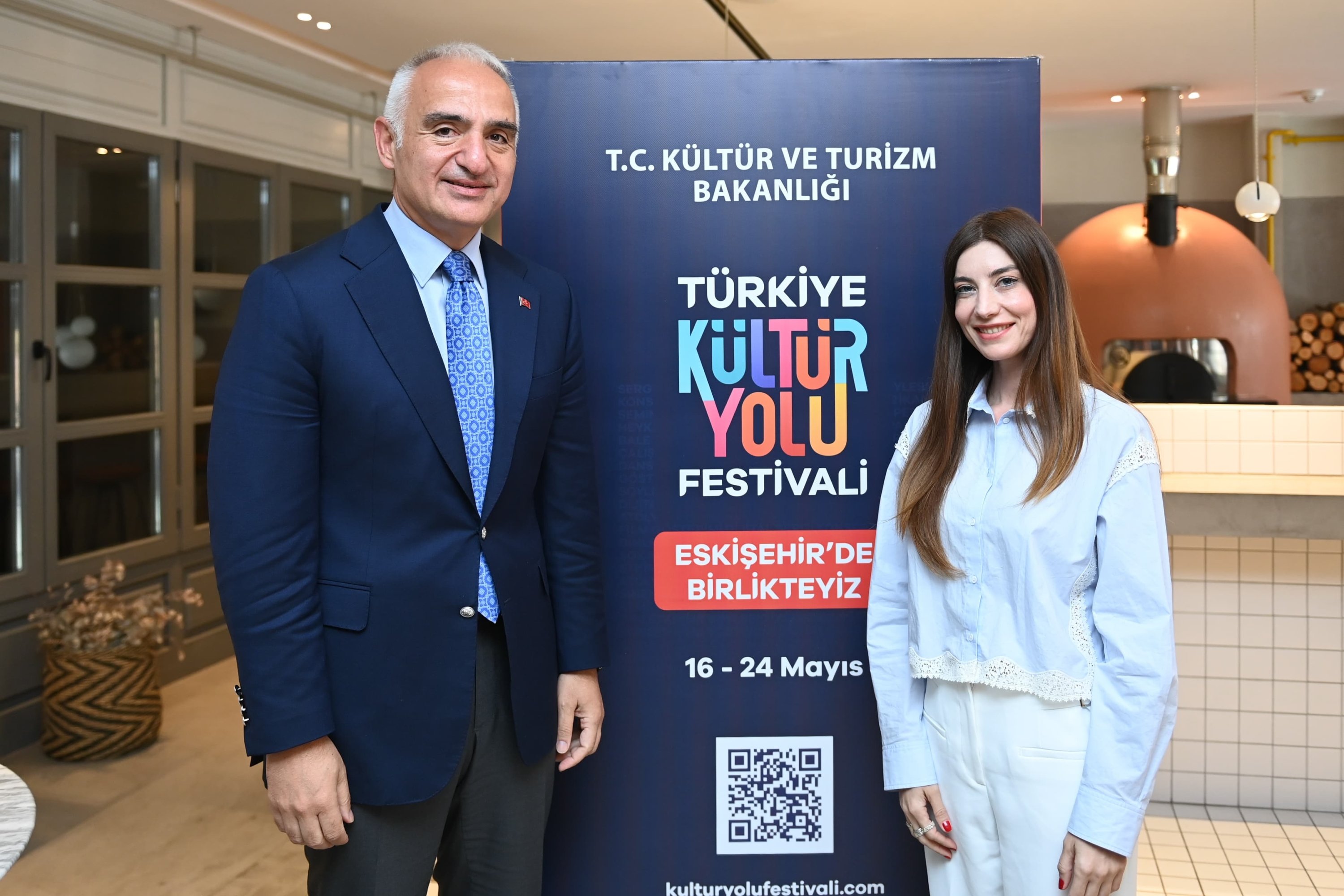
As Türkiye continues to attract international visitors with its rich heritage, layered history and natural beauty, the Ministry of Culture and Tourism’s Culture Route project, launched in 2021, has evolved into something much bigger than a festival calendar. Today, it has become a cultural brand of international scale, revitalizing cities through thousands of artistic events while boosting tourism and local economies. I was in Eskişehir to explore the new festival route and to talk with Culture and Tourism Minister Mehmet Nuri Ersoy about the country’s growing cultural vision.
During our conversation, Ersoy highlighted how Türkiye is increasingly positioning itself not only as a summer destination, but as a year-round global hub for culture, sports and international events. “Türkiye is no longer attracting attention solely through its natural beauty,” he said. “With a calendar spread across all seasons including culture, art, sports and major international events, the country has become a very powerful destination.”
Stressing the importance of building a tourism sector resilient to global crises, Ersoy said Türkiye has strengthened its promotional capacity through the Turkish Tourism Promotion and Development Agency (TGA), while expanding both its product and destination diversity.
Emphasizing Türkiye’s role as an “island of stability” in a volatile region, Ersoy noted that international reservations had begun recovering despite ongoing geopolitical tensions. He also highlighted the growing economic impact of the Culture Route Festivals, alongside ambitious initiatives ranging from Formula 1 preparations and public beach projects to the repatriation of cultural artifacts and large-scale international promotion campaigns aimed at strengthening Türkiye’s global tourism position.
“This geography is extraordinarily beautiful,” Ersoy said. “There were crises in the past, there are crises today, and unfortunately there will continue to be crises in the future. That is why, when we revised Türkiye’s tourism strategy in 2018, our primary objective was to make the sector immune to crises.”
As part of that strategy, Türkiye established the Turkish Tourism Promotion and Development Agency (TGA) in 2019 to ensure continuous and large-scale international promotion while diversifying tourism products beyond the traditional “sea, sand and sun” model.
“Today, we emphasize around 60 different tourism products out of a portfolio of 100. We are heavily investing in product diversity,” he explained, citing year-round archaeological excavation programs and the “Heritage for the Future” initiative as examples of Türkiye’s long-term cultural strategy.
“Türkiye possesses an unparalleled cultural heritage treasure,” he added.
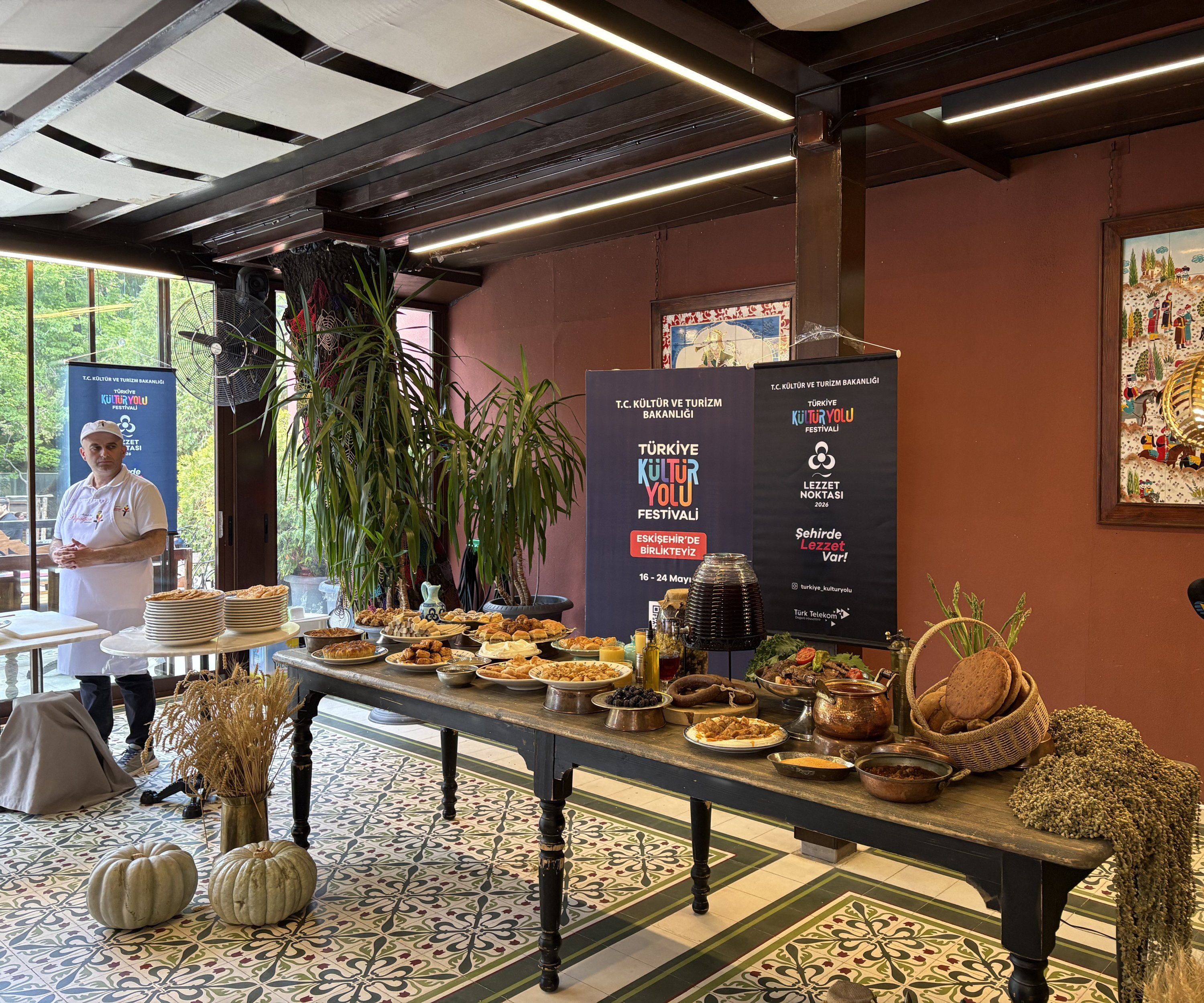
Ersoy underlined that gastronomy has evolved from being a complementary tourism element into one of the core pillars of Türkiye’s tourism vision.
“In the past, gastronomy was considered secondary,” he said. “Today, it sits at the very center of our tourism strategy.”
He also pointed to the strategic partnership with Turkish Airlines (THY), noting that the airline’s direct flights to 350 destinations significantly expand Türkiye’s global tourism reach.
“With our new strategy, we diversified not only destinations but also source markets. Every destination served by Turkish Airlines is now a potential tourism market for Türkiye,” Ersoy said.
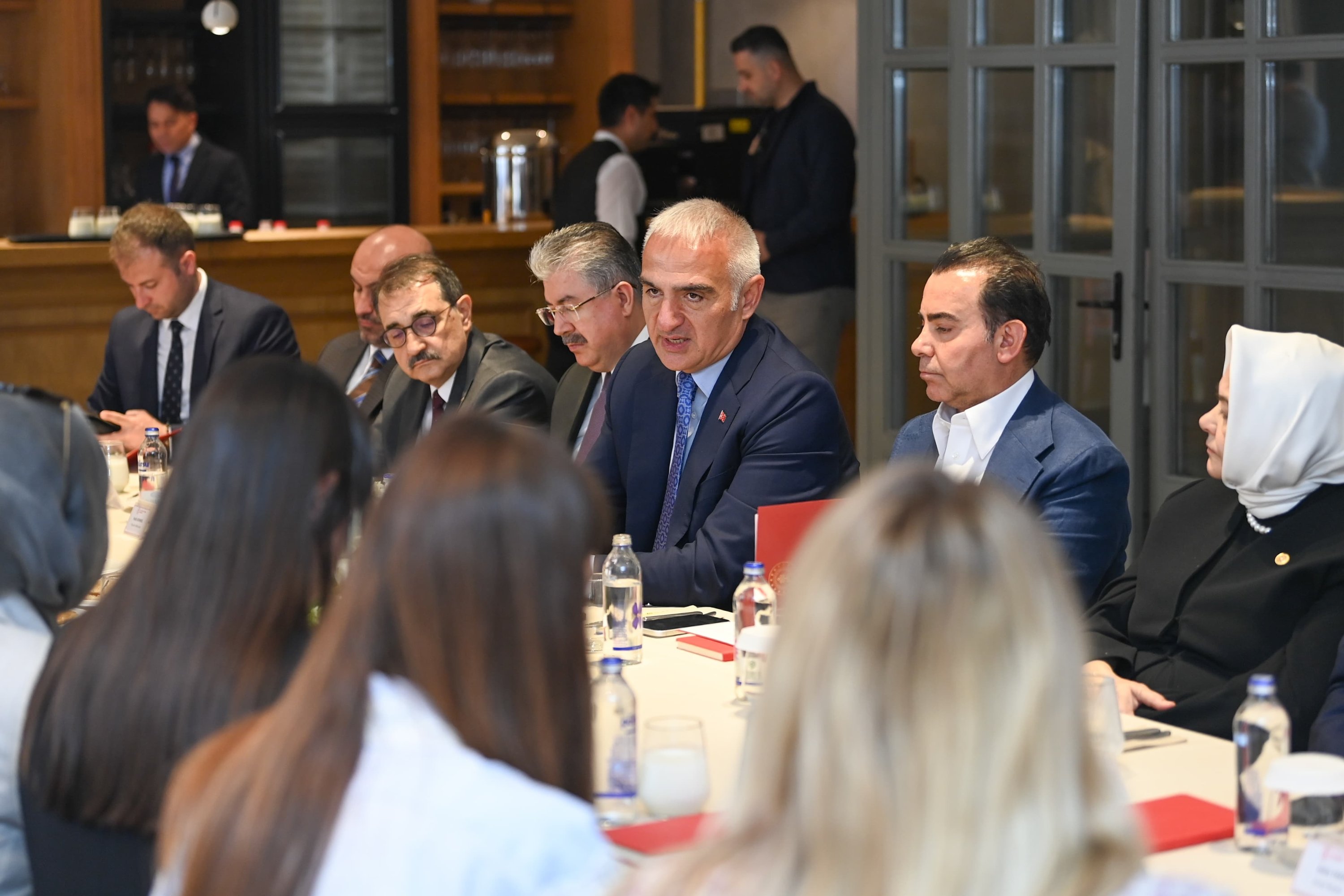
According to Ersoy, Türkiye has significantly broadened its tourism outreach compared to previous decades.
“In the past, we attracted visitors from six or seven major markets. Today, Türkiye actively promotes itself in nearly 200 countries and welcomes visitors from every corner of the world,” he said.
Addressing regional instability, Ersoy stressed the importance of Türkiye’s diplomatic positioning under President Recep Tayyip Erdoğan.
“There is no winner in war,” he said. “But Türkiye’s peaceful foreign policy has been highly effective. Surrounded by intense regional conflicts in recent years, Türkiye has emerged as a peace-making country working toward ending wars rather than escalating them.”
He also emphasized the importance of defense investments in maintaining national stability.
“If you want to avoid being dragged into war, you must be strong,” he noted. “Türkiye’s investments in the defense industry are therefore critically important.”
Ersoy confirmed that a dedicated team has been established within TGA for the anticipated return of Formula One to Türkiye.
“This is not simply about race week,” he explained. “We are designing tourism packages that encourage visitors to extend their stay before and after the event, combining the race experience with vacations along the Aegean and Mediterranean coasts.”
The ministry is also planning complementary cultural and artistic programming around the event, which is tentatively scheduled for October 2027.
Ersoy emphasized the economic impact of the Türkiye Culture Route Festivals, which aim to reach nearly 65% to 70% of the country’s population across all seven regions.
“We consistently hear from local businesses saying, ‘We achieved seven days’ worth of business in a single day,’” he said.
Many businesses reportedly generate revenue equivalent to two months of turnover during festival periods, while cities increasingly anticipate the festivals as annual economic drivers.
Ersoy highlighted Türkiye’s expanding international cultural diplomacy efforts, particularly around Göbeklitepe and Troy.
Last year, Türkiye organized a major exhibition at the Colosseum in Rome, attracting global attention.
“One of the Colosseum’s most prestigious spaces was allocated to Türkiye,” Ersoy said. “This allowed us to introduce Göbeklitepe and Türkiye’s cultural heritage not only to Italian visitors but to millions of international tourists.”
Following discussions with Italian cultural authorities, Türkiye is now preparing to open a Troy Exhibition at the Colosseum on June 11, emphasizing the historical links between Roman mythology and Troy. Meanwhile, the Göbeklitepe Exhibition continues in Berlin.
Finally, Ersoy stressed Türkiye’s ambition to position itself as a major hub for international events, congresses and sports organizations.
“Türkiye is becoming not only a center for culture and arts, but also for global events,” he said.
Among the major upcoming events are the planned Kanye West concert expected to attract more than 100,000 visitors, performances by Andrea Bocelli and the UEFA Europa League Final.
The ministry is also launching two new international event platforms, “Türkiye Events” and “Istanbul Events,” to complement GoTürkiye and increase the global visibility of events hosted in the country.
“If you organize an event that resonates internationally,” Ersoy concluded, “Türkiye will provide strong support.”