Once upon a time in Florence, there was a family called the Medici. In a very indirect way, we can almost thank them for the fact that we now visit museums, stand in front of neon works or kinetic sculptures and take photos for Instagram.
The Medici family started with banking, asset control and financial trust. Through this, they gained power. But what made them historically important was not only the money. It was the way they connected financial power with cultural infrastructure. They commissioned artists, chapels, frescoes, churches, libraries and buildings. In time, private wealth became public memory. That is how they became almost immortal.
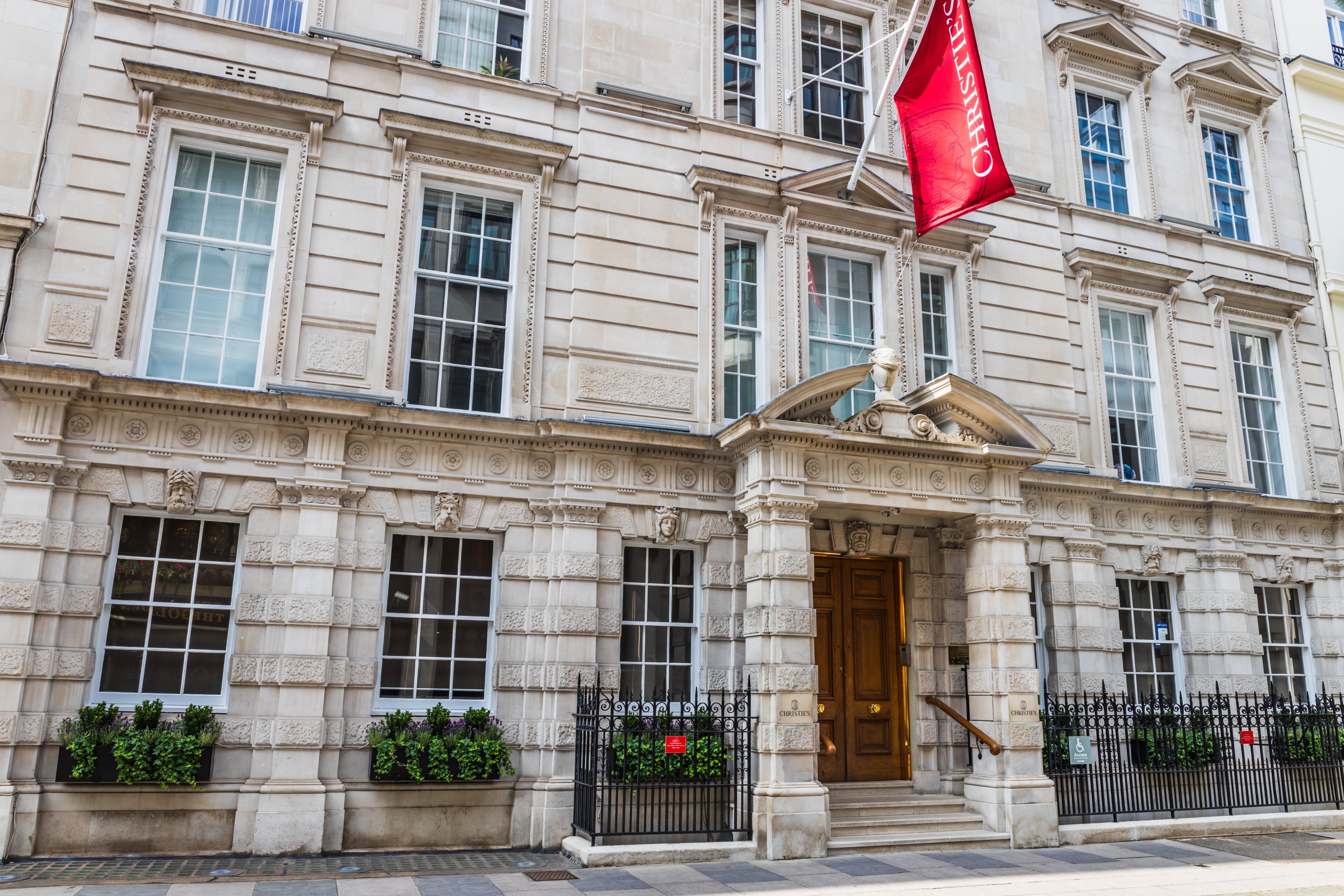
This is why the latest move at Christie’s made me think of the Medici. Christie’s recently appointed François-Henri Pinault as Chairman and Non-Executive Director, while Bryan Lourd joined the board as Non-Executive Director. This is not just a corporate appointment. It also says something about where the auction world may be going.
The Pinault family already has an empire of luxury brands through Kering. They are also deeply connected to art through the Pinault Collection, the Bourse de Commerce in Paris, Palazzo Grassi and Punta della Dogana in Venice, and of course Christie’s. So the Medici comparison is not about saying the Pinaults are the new Medici. That would be too dramatic. But the structure is similar enough to notice.
The Medici connected banking with artists, chapels and civic image. The Pinaults connect luxury brands with museums, auctions, historic buildings and global collectors. This matters because Christie’s is no longer only selling objects. It is becoming part of a larger cultural system where luxury, art, celebrity, storytelling and global wealth meet.
François-Henri Pinault brings the luxury side: heritage, scarcity, brand power, elite clienteling and high-net-worth networks. Bryan Lourd brings another kind of power: Hollywood, media, celebrity and attention. As the CEO and Co-Chairman of CAA, his presence on the board makes the Christie’s move even more interesting.
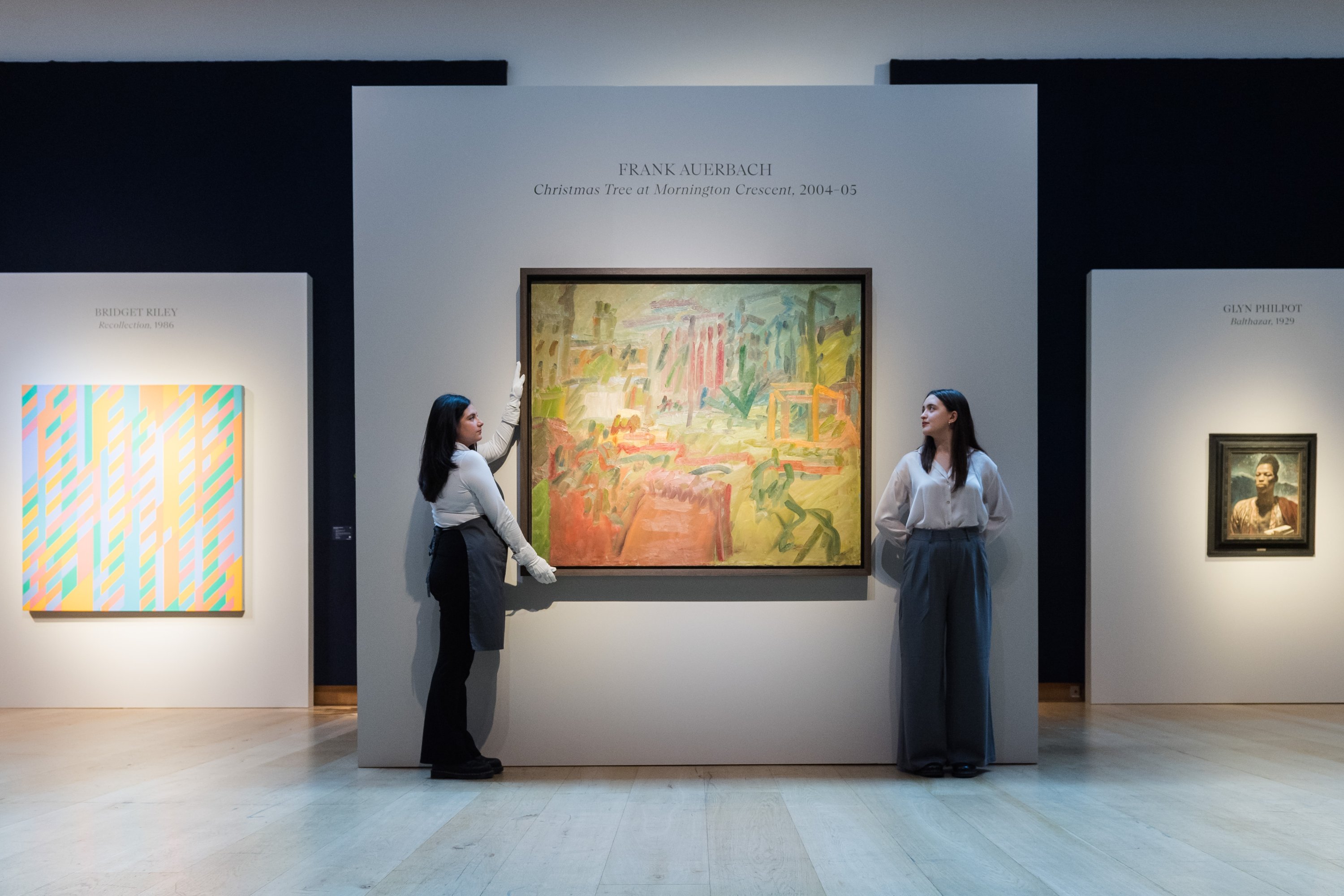
With this new move, there are several ways to read what may happen next in cultural forecasting. First, we may start hearing London more often again in the art world. London was never gone, but it stayed a little in the shade of New York liquidity, Asian institutions and, of course, the rise of the Gulf. For years, many people expected the next big center of gravity to move toward the Gulf. That expectation is not wrong. The Gulf has capital, ambition, museums and new cultural infrastructure.
But maybe not enough people calculated the geographical and political side of it. The Gulf is powerful, but it is still located in a region very close to politically sensitive zones. I am not trying to make a heavy political argument here, but when we think about shipping, insurance, regional conflict and security concerns, geography matters.
London is useful because it can connect the dots. Capital still seems strongest in New York, especially at the top end. But with U.S. political uncertainty, tariff anxiety, tax complications, Strait of Hormuz risk, shipping pressure and rising insurance costs, London begins to look strategically safer for some international collectors, especially for people from the Gulf or Asia who may not want to deal with the U.S. side every time.
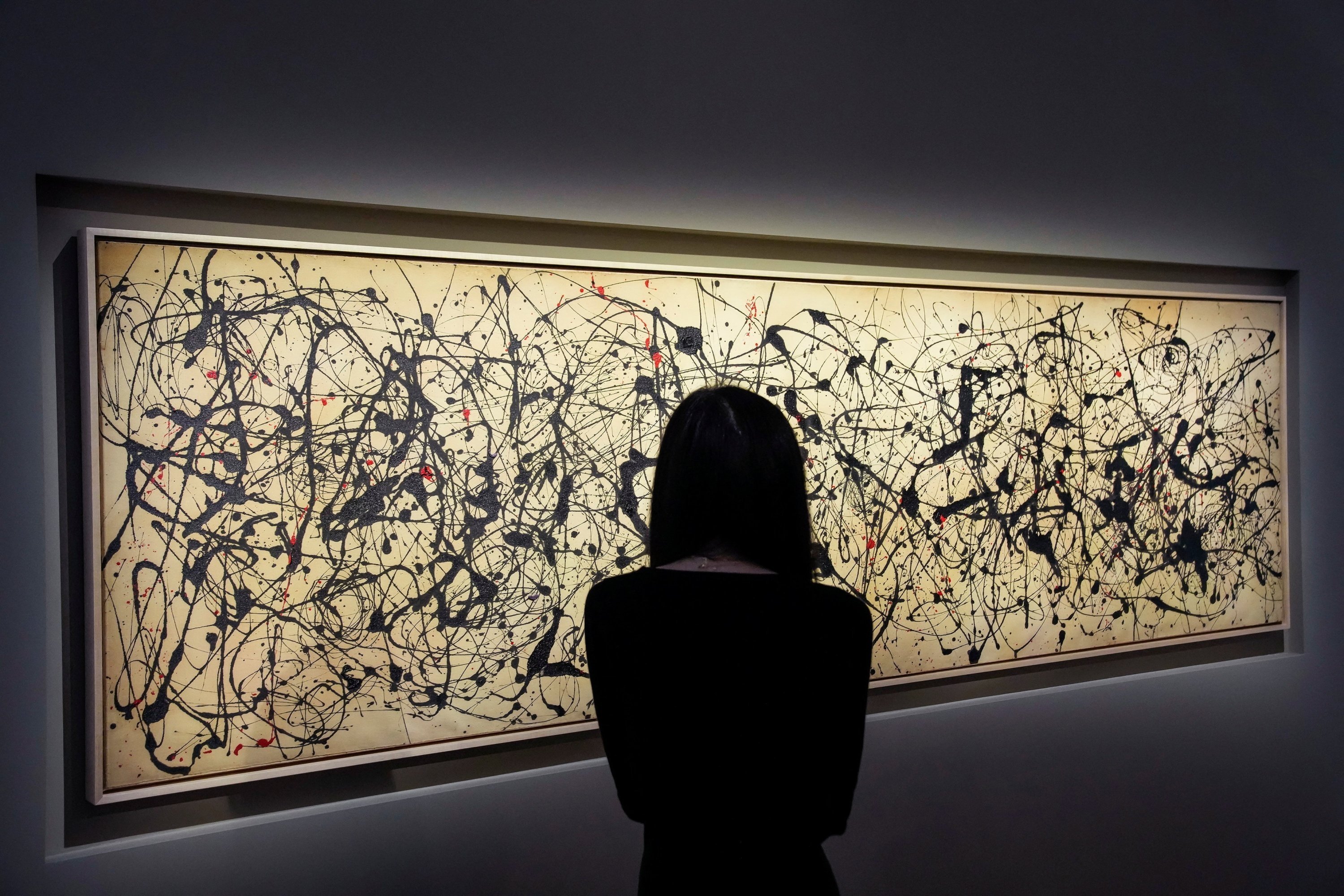
The May auctions showed that the top end of the market is still extremely strong. Pollock’s "Number 7A," 1948 sold for $181.2 million at Christie’s New York. Brâncuși’s Danaïde sold for $107.6 million. Rothko also remained one of the key names of the season. So yes, the art world can still look like a fairy tale when a Pollock sells for $181 million.
But under that fairy tale, the market is not equally healthy. The top segment is still protected because trophy works are different. They are rare, museum-quality, historically branded and wanted by ultra-high-net-worth collectors. But the middle segment is struggling more. And the middle segment is where many galleries, advisors, younger artists, curators and people working inside the market actually breathe.
This is where London becomes interesting again. Not as a replacement for New York, but as a coordination point. London has auction history, legal infrastructure, private-client culture, financial services, insurance knowledge and proximity to Europe and the Gulf. It can work as a bridge between New York liquidity, European cultural legitimacy, Gulf capital and Asian collectors.
This is also where the Medici comparison becomes useful again. In Florence, the Medici did not only collect or commission. They built a system around money, image, architecture and civic memory. Today, the art world is doing something similar globally, but through different cities and sectors.
Another important part of this shift is the relationship between art and other industries. The art world is working hand in hand with fashion, luxury and entertainment more than before. We see this in fashion collaborations, museum partnerships, art-themed luxury campaigns and the way celebrity is increasingly used to frame cultural value.
The Ed Ruscha and Dior collaboration is one example. The Met Gala’s art-coded themes are another. Christie’s Nicole Kidman campaign for Brancusi's "Danaïde" was also not a coincidence. Nicole Kidman was a very rational celebrity choice.
She is not British, but she has an Anglo-luxury look and a serious prestige-cinema image. She has also played the rich wife or elite woman so many times that, subconsciously, she fits into the world of generational wealth. For a $100 million-plus Brâncuși sculpture, that image matters.
She made the work feel less like a speculative trophy and more like an object of cultivated inheritance.
This is not only about celebrity decoration. It shows where auction marketing may be going. The object is still important, but the world built around the object is becoming more important too. And Bryan Lourd joining Christie’s board makes this reading stronger. If Christie’s now has a direct connection to one of the most powerful figures in Hollywood representation, then it makes sense to expect more storytelling, more celebrity presence and more media logic around major sales.
We are already seeing Hollywood move closer to the art world. Apple TV+ is developing "The Dealer," starring Jessica Chastain and Adam Driver, set inside the high-end art market. There is also "The Oligarch" and the "Art Dealer," a docuseries about the Yves Bouvier and Dmitry Rybolovlev art dispute. These are different projects, but both show that the art world is becoming more visible as entertainment material.
Dealers, collectors, oligarchs, freeports, auctions, private sales and billion-dollar disputes are becoming part of public storytelling. That matters because when a world becomes content, it also becomes more legible to new audiences, new collectors and new capital.
So the Christie’s move may be read in several layers. It is family continuity through the Pinault structure. It is luxury logic entering deeper into the auction house. It is Hollywood and attention infrastructure coming closer to the art market. It is London becoming strategically more important again. And it is also a sign that the art world may be reorganizing itself around a more complex geography.
New York still has liquidity. London may become more important as a coordination point. Paris gives luxury-cultural legitimacy. The Gulf brings future capital. Asia remains selective but important.
This is why Fergie’s “London Bridge” may be playing for the art world again. The Medici turned finance into Florence. Christie’s may now be trying to turn luxury, media and geography into a new language of global collecting.