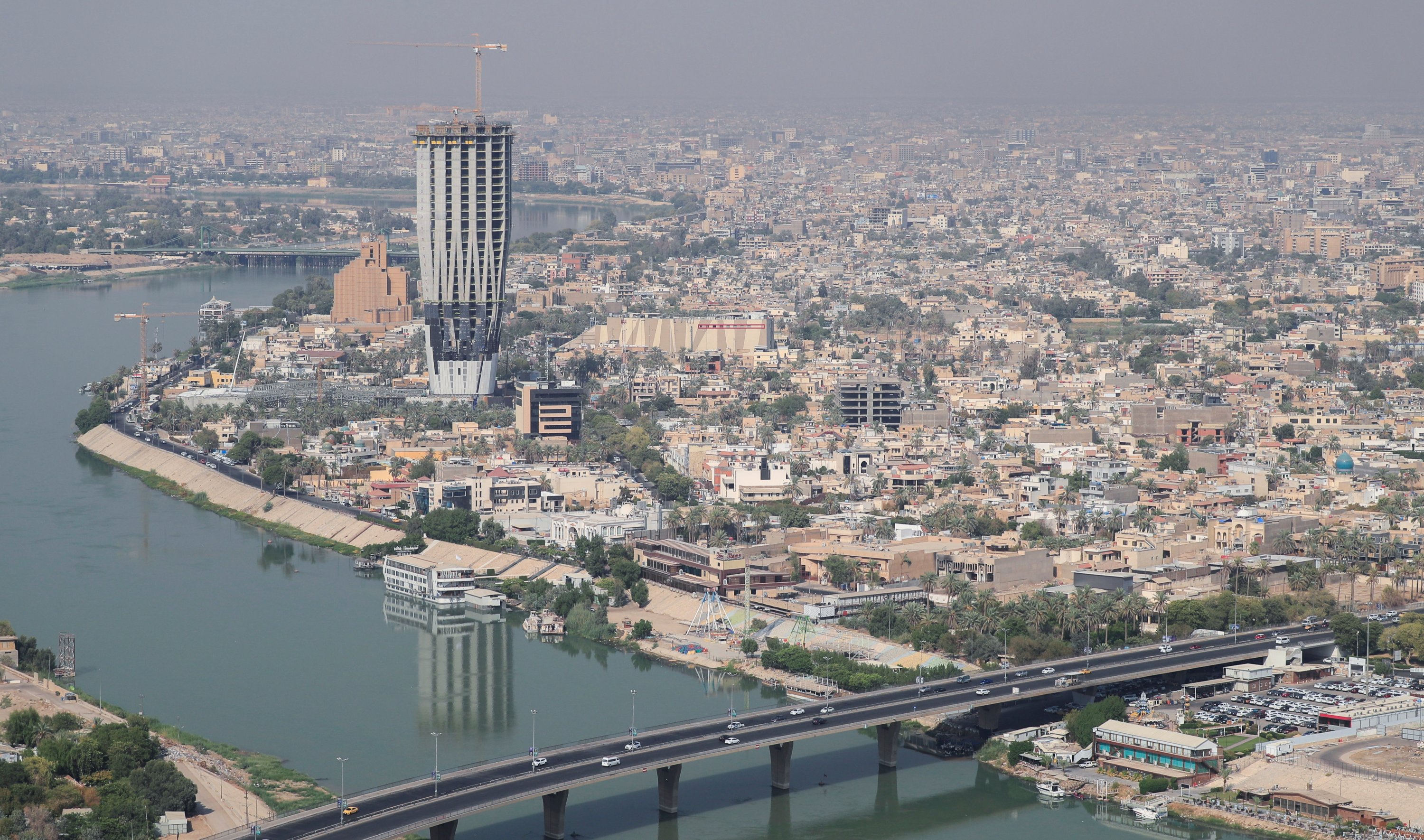
On July 26th, a meeting was held between U.S. President Joe Biden and Iraqi Prime Minister Mustafa al-Kadhimi in the White House. Biden announced that he would end the combat mission in Iraq this year.
Currently, there are 2,500 troops in Iraq, and this withdrawal will not change the de facto influence of the U.S. The U.S. will shift its role to an advisory position in the Iraqi army. But this announcement signals the start of a new phase.
While struggling with its internal problems, Iraq tries to undertake a new mission in regional politics. Its success in domestic politics will determine how suitable Iraq is for regional peacemaking.
Iraq’s role in the Middle East is reshaping. Al-Kadhimi who came into office in May 2020 is an unusual figure for Iraqi politics since he doesn’t have a political party or a militia force. He has a journalism background and was the director of the Iraqi National Intelligence Service.
The al-Kadhimi government tries to protect the balance between its relations with the U.S. and Iran. The Iraqi government also benefits from this experience in the relations between Iran and Arab countries. Iraq is preparing to become a mediator between major powers in the Middle East.
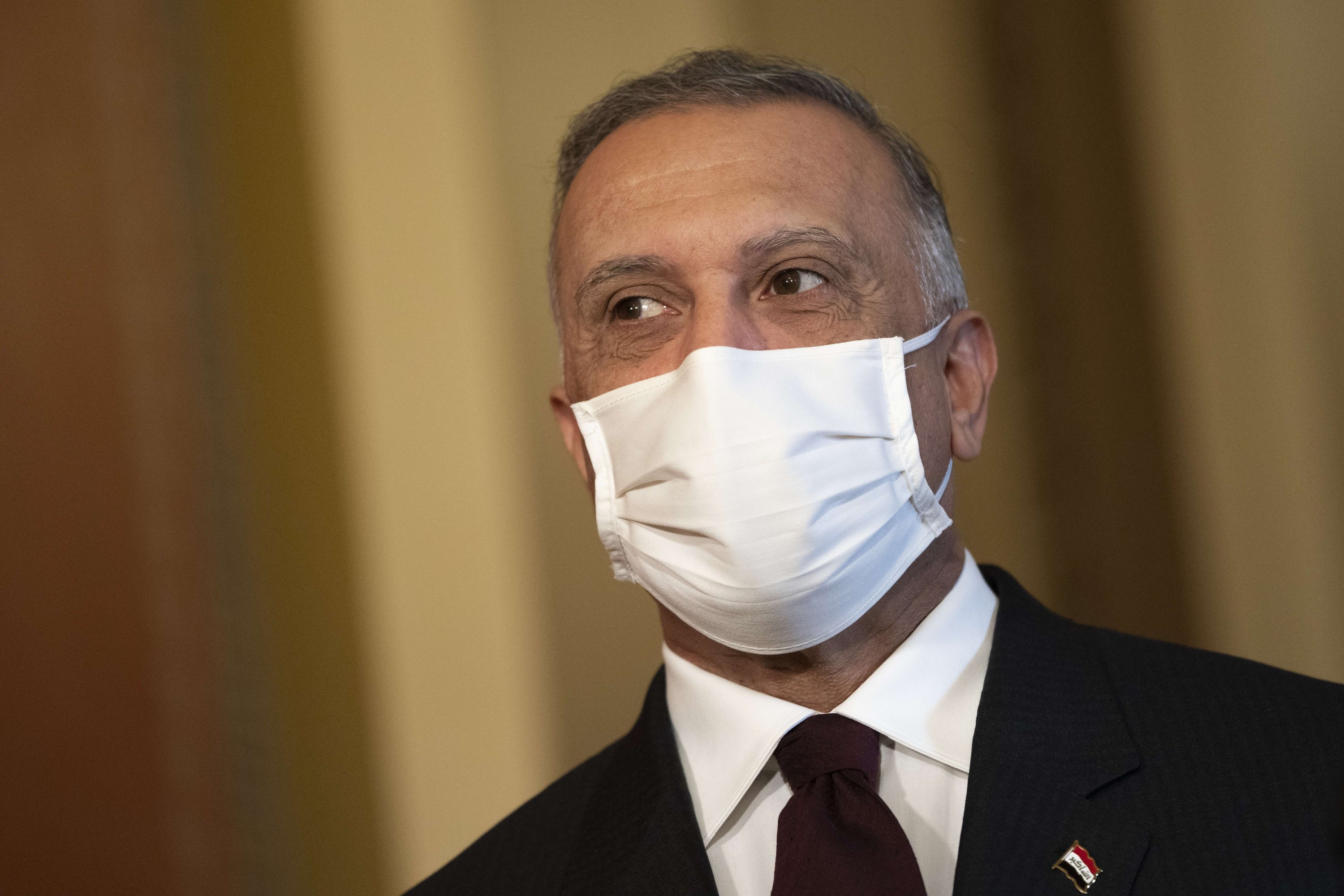
Baghdad hosted Saudi-Iranian talks, and ongoing negotiations will be significant for regional peace and will be directly effective in some countries like Lebanon and Yemen.
The Iraqi premier’s office announced that there would be a regional summit in late August. Turkish President Recep Tayyip Erdoğan, French President Emmanuel Macron and King Salman of Saudi Arabia have been invited to this summit.
The summit will be remarkable in shaping the region’s future and may have some effect on Saudi-Iranian relations.
Turkey’s impact on regional peace also deserves attention. Nearly all countries in the Middle East are influenced by Iran or Saudi Arabia except Turkey. Turkey stands as an independent player in the region. Thus, its role in peacemaking is also essential and will contribute to the summit.
Iraq’s intermediation efforts are worthwhile. However, a proper mediator needs to be powerful in its domestic affairs and achieve political stability. For this intermediary role, Iraq’s Arab identity over sectarianism is praised. Improving relations between Iraq and Arab countries help this process.
While putting efforts into being a mediator, Iraq’s Arabic identity is coming to the forefront. Iraq does not stay indifferent to the problems of the countries in the region. Also, it has good relations with many countries in the Middle East, and the relations continue to improve.
For instance, Saudi Arabia reopened its consulate in Baghdad in 2019 after almost 30 years. The sides reopened the Arab border, which had been closed after the Gulf War in 1991. Besides, the kingdom also made donations to Iraq and supported some of its development projects.
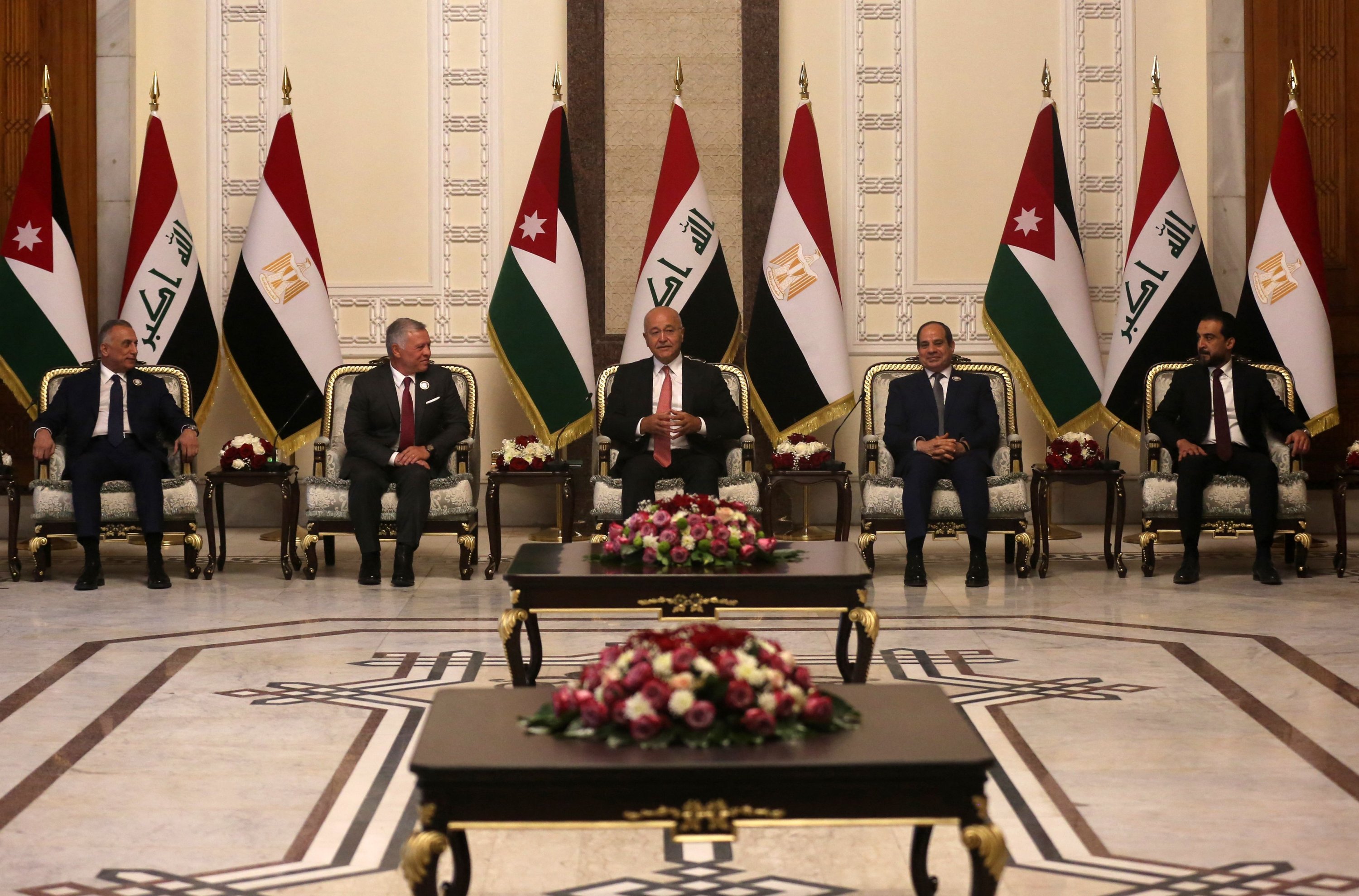
Also, a tripartite summit between Egypt, Jordan and Iran took place in late June. This summit showed that Iraq is strengthening friendly relations between allies of the U.S. in the Middle East, and the summit was evaluated as “historic” and “an important step” by the U.S. authorities.
On the Lebanon side, a fuel agreement between Iraq and Lebanon was signed last month. According to the agreement, Iraq will provide 1 million tons of fuel oil, and Lebanon will pay for it with goods and services instead of cash. Iraq will collect its debt by exchanging medical services from Lebanon.
When we consider that Iraq also has very strong relationships with Iran, we can see why it is the most suitable country for this intermediary position. But, it does not mean that it will be successful. Good relations are not enough to deal with the sides. Iraq has to be decisive in its internal and external affairs at the same time. Unfortunately, there are many variables in Iraq’s internal affairs. A mediator without stability will not be helpful to ease the process.
Iraq uses its Arab identity to improve its relations with the Arab countries. To be able to use this card, Iraqi nationals will have to adopt an overarching identity. But how close is the country to achieving this national identity?
The 2005 Constitution created a federation in Iraq. The governorates in Iraq have self-rule in autonomy, also, they share the control of the government. The integrationist scholars and politicians criticize this liberal power-sharing system of Iraq.
Along with integrationist ideas, many anti-sectarian protests occurred for the creation of an overarching Iraqi identity. They advocate those conflicts arise from group-based partisanship and polarization. According to them, a state must be impartial and meritocratic.
They disapprove of ethnic political parties and support non-ethnic or cross-ethnic political parties. Integrationists prefer a unitary and centralized state or a federation which is not ethnically constructed. They consider identities as fluid and non-durable.
The adaptability of Iraq's power-sharing system is weak, which can violate the functionality of power-sharing and hinder achieving stable and effective power-sharing democracy.
Weak adoptability may cause a group's exclusion and marginalization against the state, bringing governance and security problems. It may also lead one or multiple groups to dominate other groups in politics, which undermines the basis of power-sharing. It highlights unresolved contestation over the configuration of the state, and it can increase divergent constitutional claims over time.
The transition from war to peace in post-conflict states has always been difficult. With the new constitution, Iraq’s power-sharing system is characterized by a lack of intercommunal cooperation, stalemate and dysfunction. The new system failed to provide good governance for its citizens. Informal consociationalism is at the centre of this problem, and it has increased corruption and exclusion.
There is an increasing trend for moving away from sectarian politics and growing demand for an overarching Iraqi nationality. However, given Kurds and their durable identity, the applicability of an Iraqi identity will remain highly controversial.
Within these conditions, Iraq will not be an effective mediator between the major powers easily. It should deal with its internal problems to focus more effectively on the international arena. A fully inclusive political system may help achieve functionality and political stability in Iraq, which will pave the way for Iraq’s new role in the Middle East.