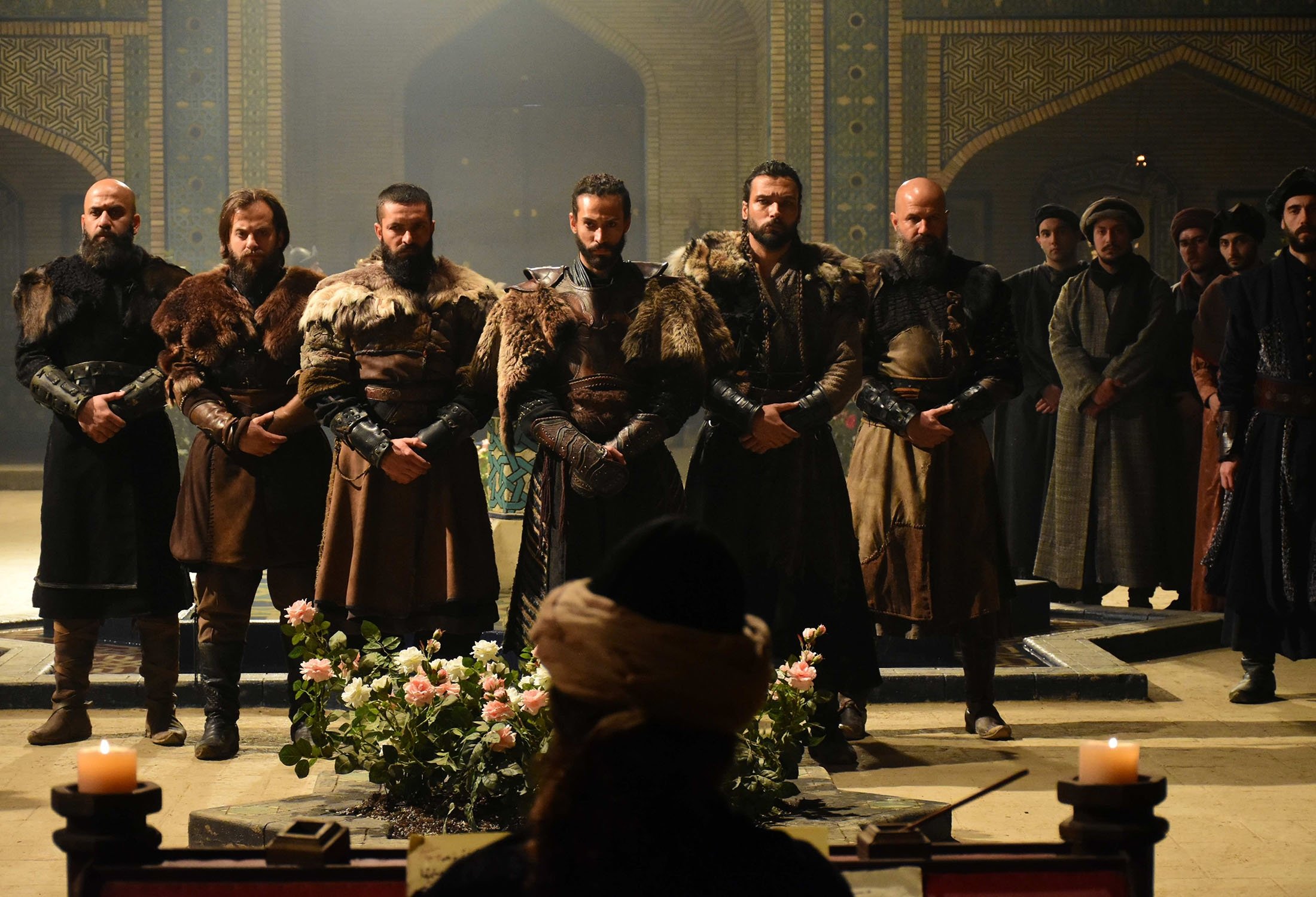
The devoted audience of Turkish historical drama series in Malaysia would have known “Diriliş: Ertuğrul” (“The Resurrection: Ertuğrul”), “Kuruluş: Osman” (“The Ottoman”), “Fetih 1453” (“The Conquest 1453”), or “Payitaht: Abdülhamid” (“The Capital: Abdülhamid”), all of which revolve around Ottoman history. Recently, a new historical drama series has premiered on state-run broadcaster Turkish Radio and Television Corporation (TRT). It is a series by Akli Film Production entitled “Uyanış: Büyük Selçuklu” (“The Great Seljuks: Guardians of Justice”), which tells the story of the rise of the Seljuk Empire in the Abbasid era.
I took an opportunity to watch this series during my spare time in Sakarya province in northwestern Turkey. It brought back memories from my doctoral studies about 10 years ago. Despite the existence of fictional elements, it is truly undeniable that the narration successfully took me along for the journey. This historical drama series has been well received in Turkey and had been “trending” on Turkish TVs almost every week from September last year until this May.
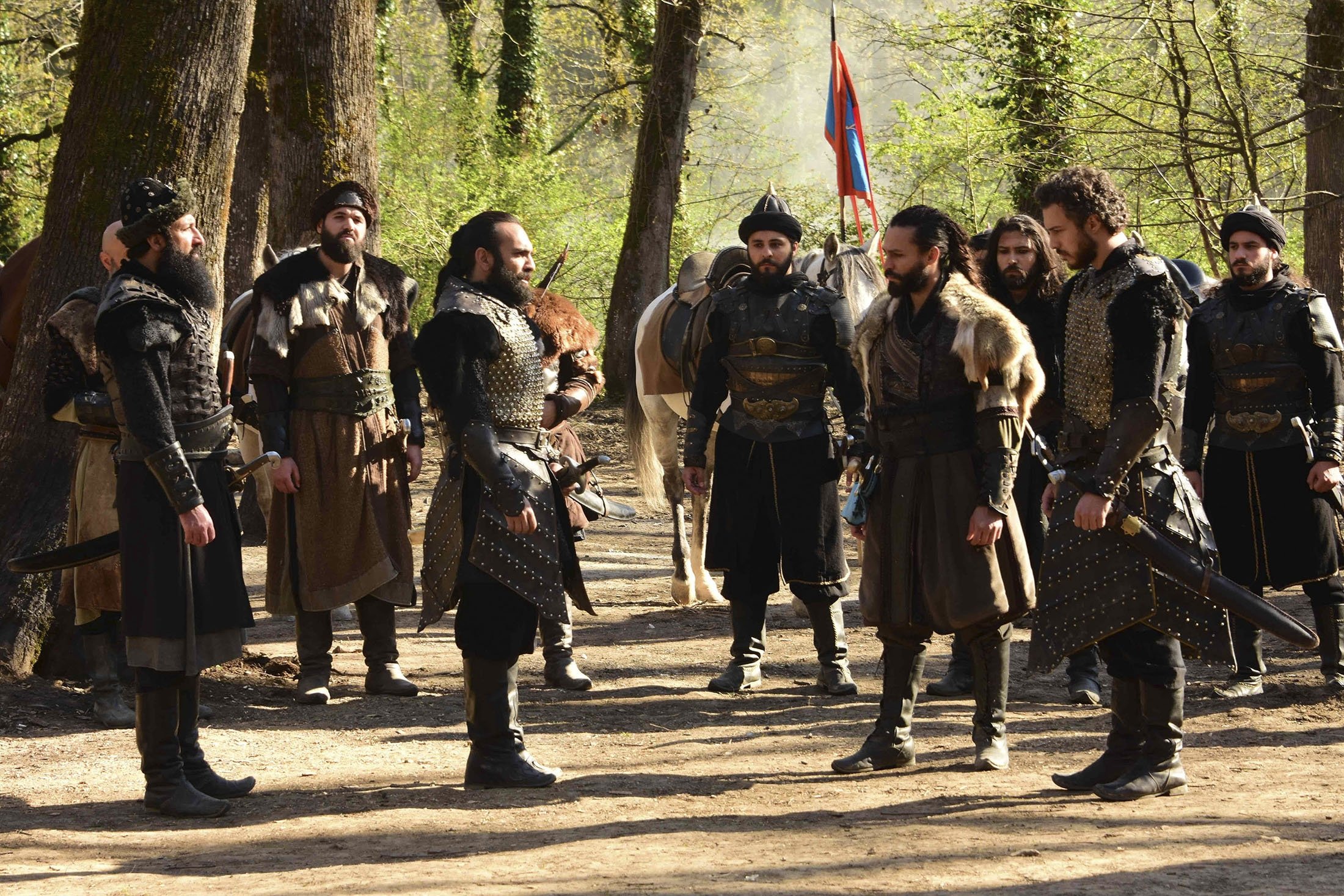
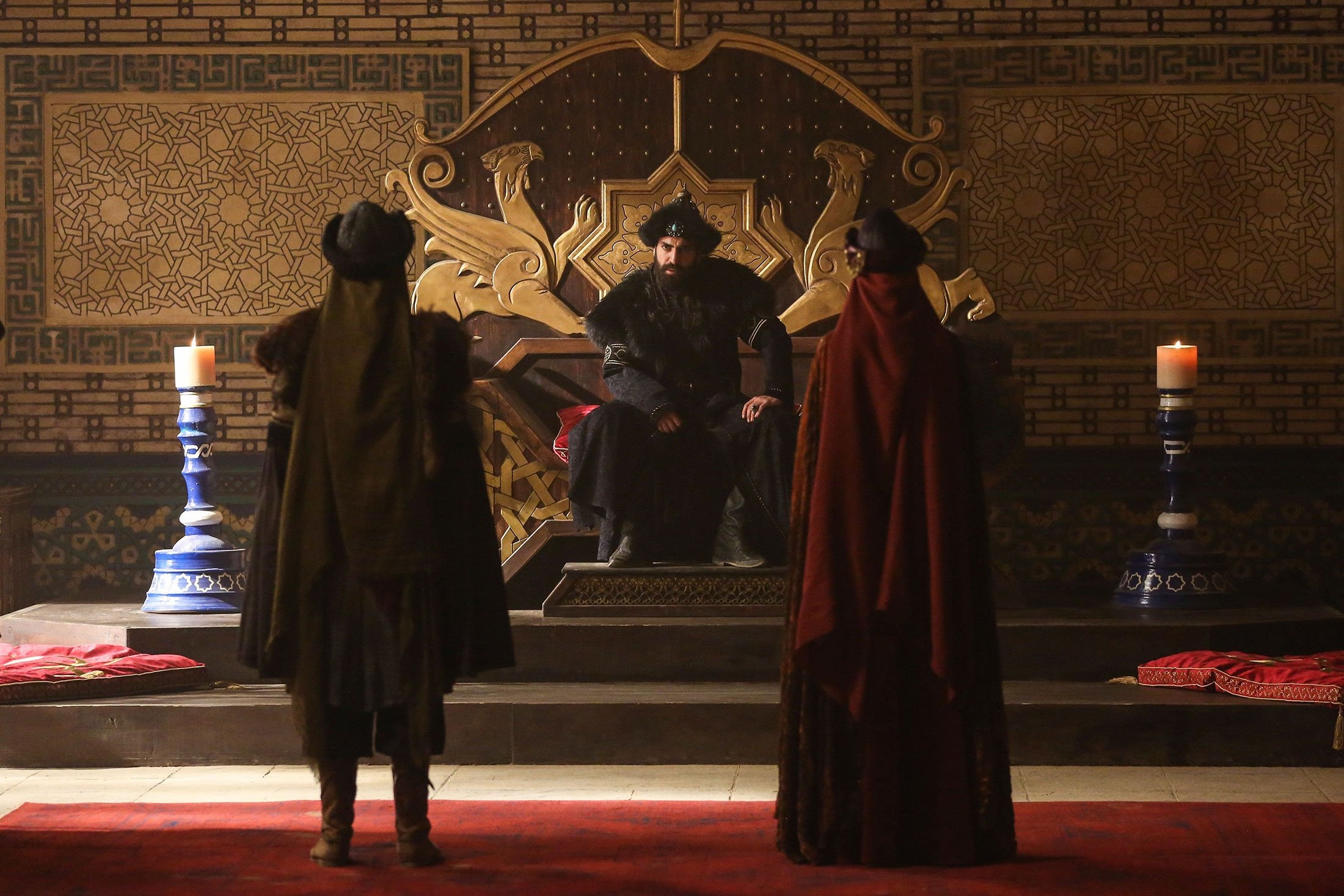
“Uyanış: Büyük Selçuklu” narrates the rise of the Seljuk Empire under the leadership of Sultan Malikshah I and his son, Ahmad Sanjar, who later inherited his father’s throne. For the first season, this 34-episode drama series unpacks the story of a reign that needs to be defended and a battle against Hasan-i Sabbah, the head of a military group known as the Order of Assassins, who not only wanted to restore Fatimid rule but are also keen to establish their rule by overthrowing the Seljuks despite having to fight against the Byzantine Empire, who persistently return to seize the land of al-Quds or Jerusalem.
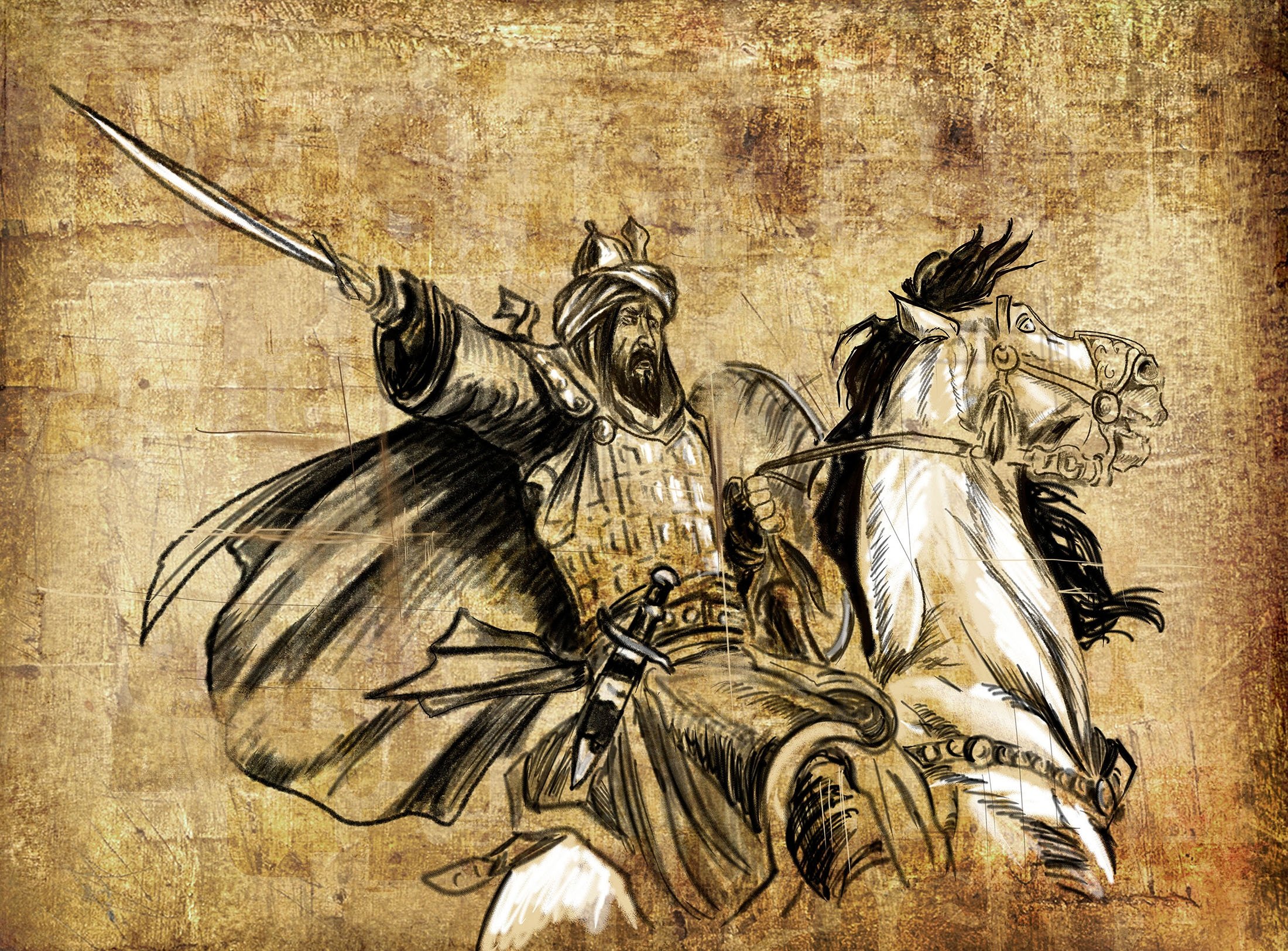
The Seljuk Empire began with the success of its founder, Tughril Beg, when he took control of Baghdad in 1055, followed by his nephew, Alp Arslan. Malikshah then ascended to the throne following the death of his father, Sultan Alp Arslan. Regardless of the major and important events that took place, such as the success of Alp Arslan in the Battle of Manzikert (Malazgirt) against the armies of the Byzantine Empire in 1071, the Seljuk Empire was undoubtedly and constantly challenged by the multiple series of evil plots and rebellion from within and outside its palace.
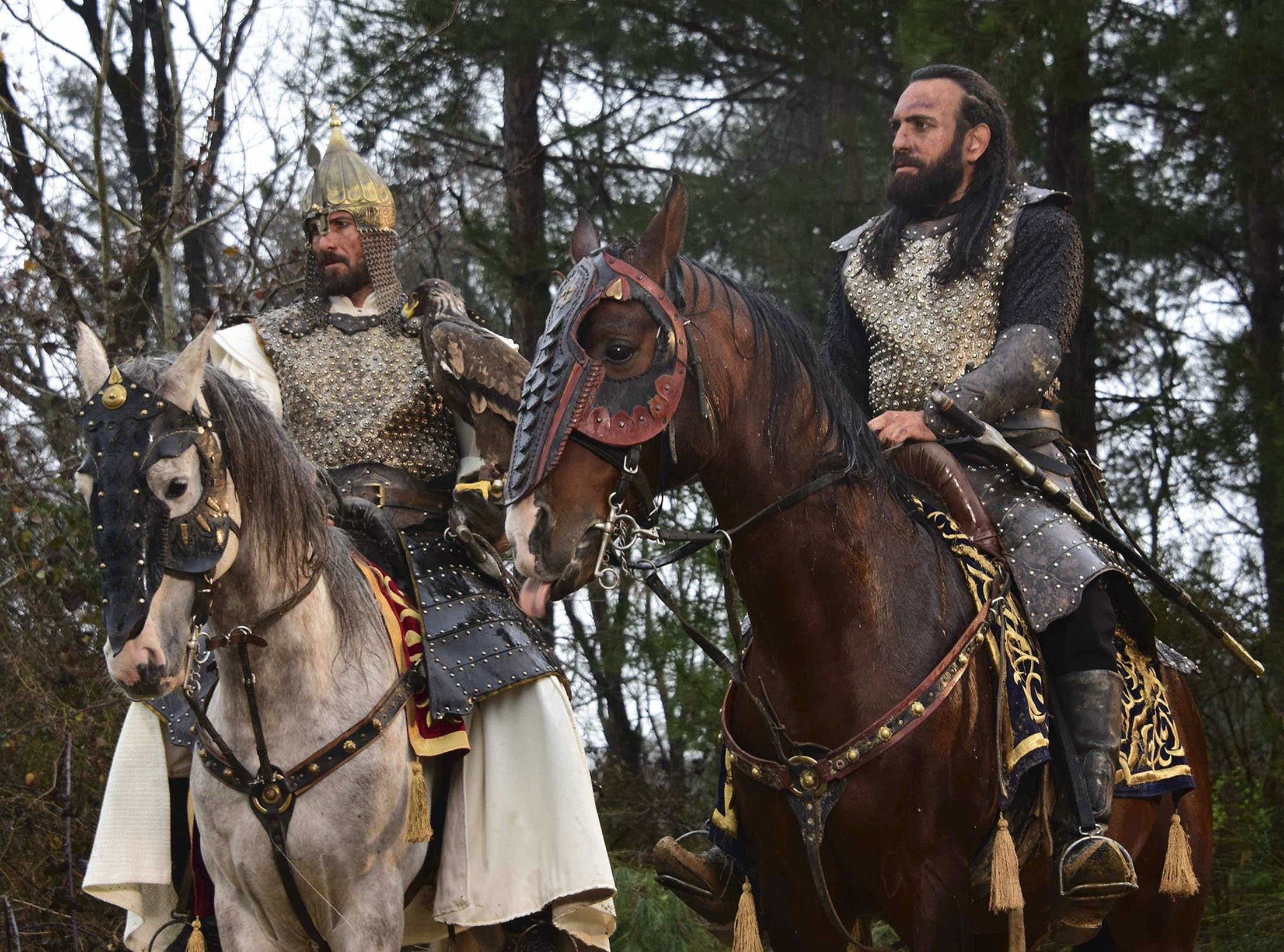
“Uyanış: Büyük Selçuklu” brings the audience to perceive the dreadful plans and conflicts that occurred. Apart from confronting the cunning Assassins and the attacks from the Byzantine Empire, the Seljuks also faced a series of opposition from relatives and ethnic groups who were dissatisfied with them. In fact, there were also evil plots going on from within the government, either from Hasan-i Sabbah who had served in the palace, or from Terken Khatun, Malikshah’s second queen, and his minister Taj al-Mulk, who both had their self-interest in mind. Terken Khatun intended to raise her son with Malikshah, Mahmud, as the crown prince. On the other hand, Taj al-Mulk also aspired to take over the prime minister post from the existing incumbent, Nizam al-Mulk.
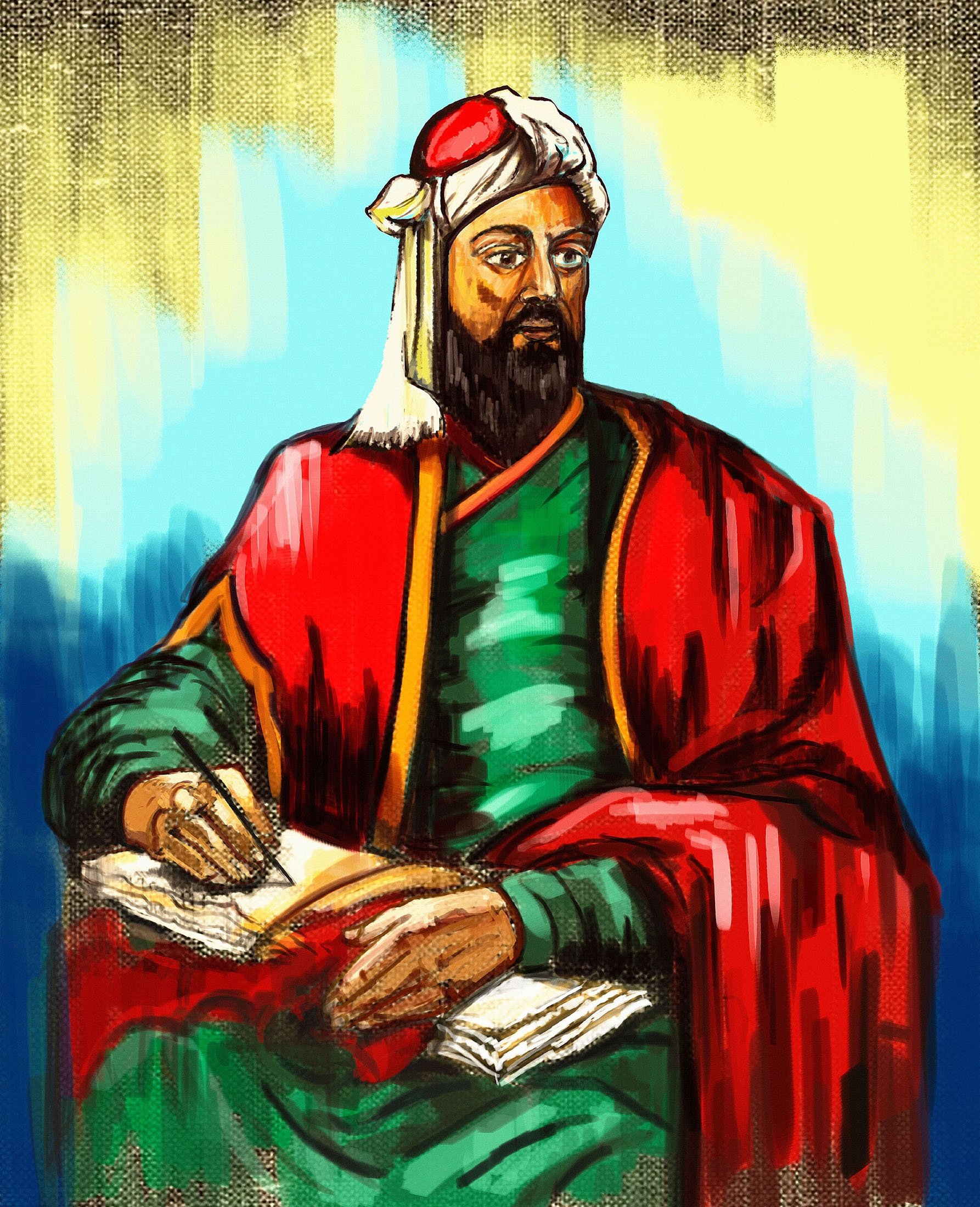
Although the Seljuk Empire had to face various dangerous challenges, this ruling was always supported by those great figures: Nizam al-Mulk as a statesman, Abu Hamid al-Ghazali as a scholar, Omar al-Khayyam and al-Isfizari as scientists and Yusuf al-Hamadhani as a Sufi. All of them were stalwarts that defended the reign from any enemy threats.
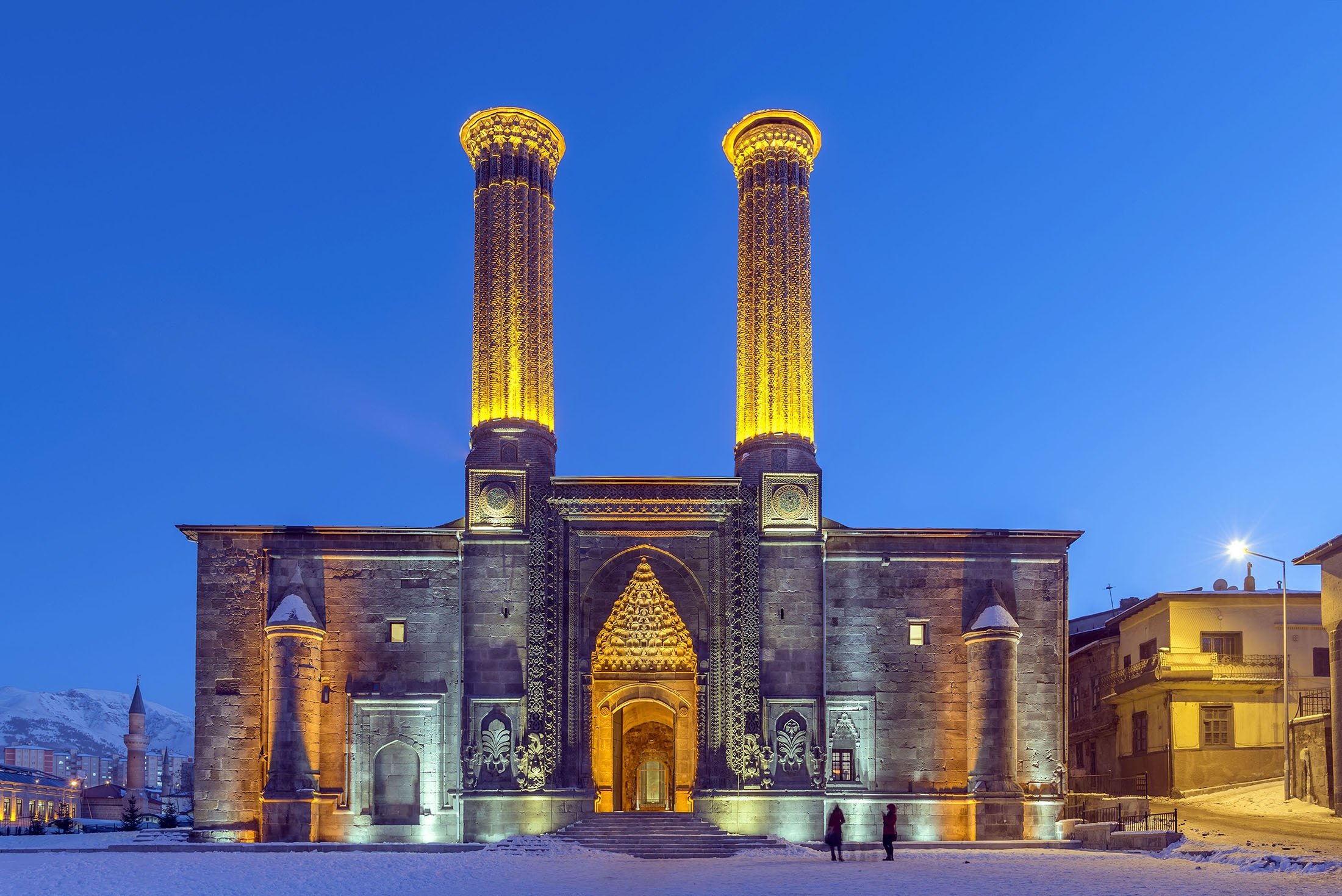
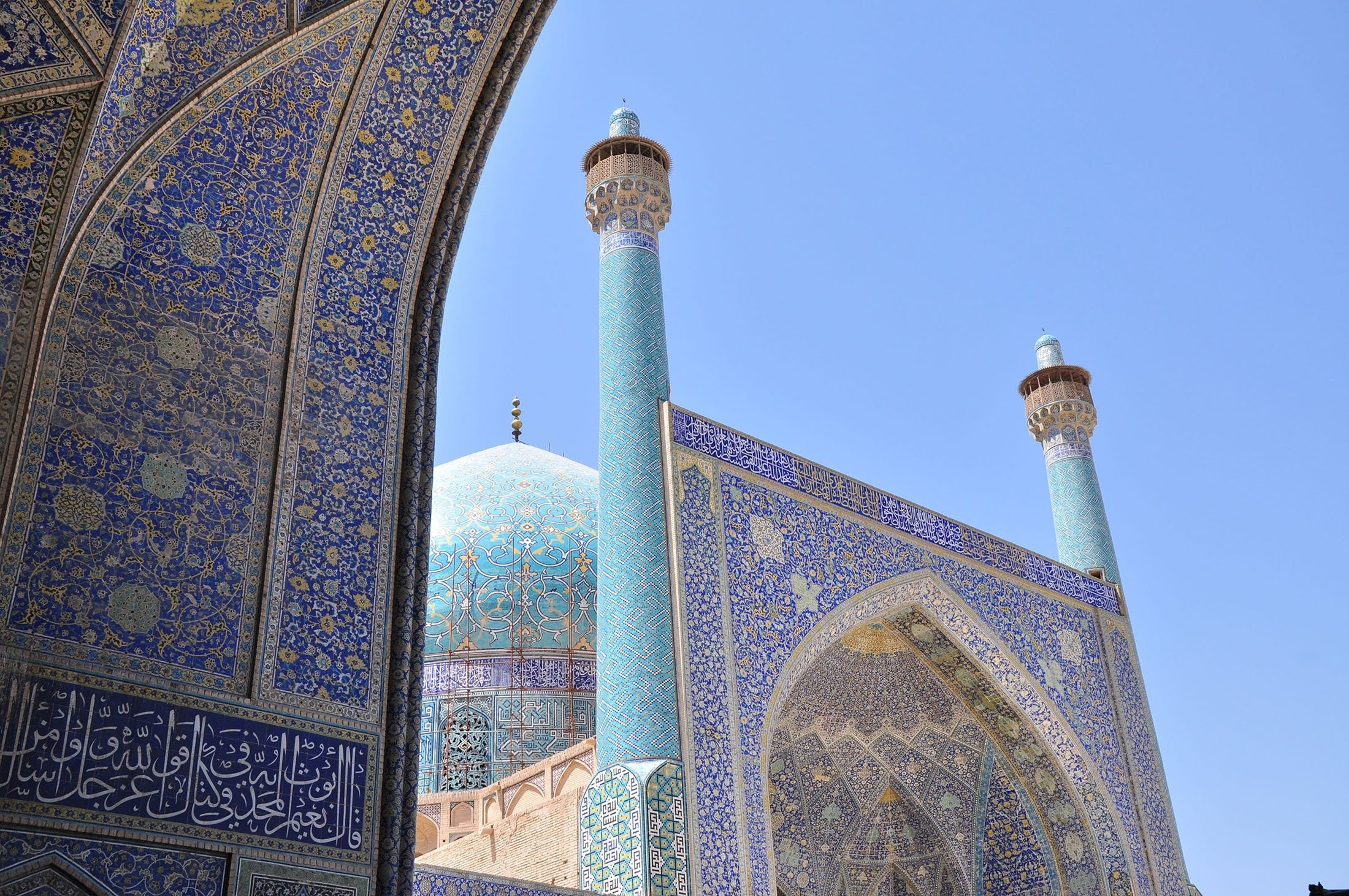
The uniqueness of the Seljuk Empire for its time is proven by the fact that it did not only pay attention to the political and military fortifications, but also to the scientific and spiritual strongholds. Madrasah Nizamiyyah was established to supply the weapons of knowledge and spirituality against the awful enemies of thought that resulted from Hasan-i Sabbah’s influences through the Assassins, which eventually operated in the fortified city of Alamut.
“Uyanış: Büyük Selçuklu” as a drama series is certainly not immune from having a variety of characters and fictional scenes added to the storytelling plot. However, this series still manages to allow the audience to believably relive the trials of the Seljuk Empire’s rise.
Emre Konuk, the producer and scriptwriter said in a statement: “We would like to emphasize that without understanding Seljuk history, it is impossible to understand the history of other dynasties or empires, including the Ayyubid and Danishmend Dynasties, the Seljuk Sultanate of Rum or the Ottoman Empire. Our goal is to find the political, intellectual and cultural impetus that acted as a guidance to the success in Islamic history so that it is traceable by people nowadays. In fact, Seljuk history today is an orphaned history. We have a big task in this, and we need to keep trying. Our only concern is how to always meet the expectations of the general public, but we know that good results will not come without starting with anxiety.”
Similar in his opinion is Serdar Özönalan, also the scriptwriter of the drama. When he was asked about the reason for choosing the Seljuk era over other popular eras, he said: “Seljuk history is an orphaned history. The Seljuks are the founder of the region’s tradition since the beginning of Seljuk Sultanate of Rum, thus the emergence of the republic. The struggle to liberate Anatolia, weather the Crusades and protect the Muslim world are valuable features of this history. If it be traced, we must meet the traces of great ideals, even a great civilization. For this reason, we have a responsibility to look after this ‘orphan.’ When this story is accepted, then we feel that a responsibility has been fulfilled.”
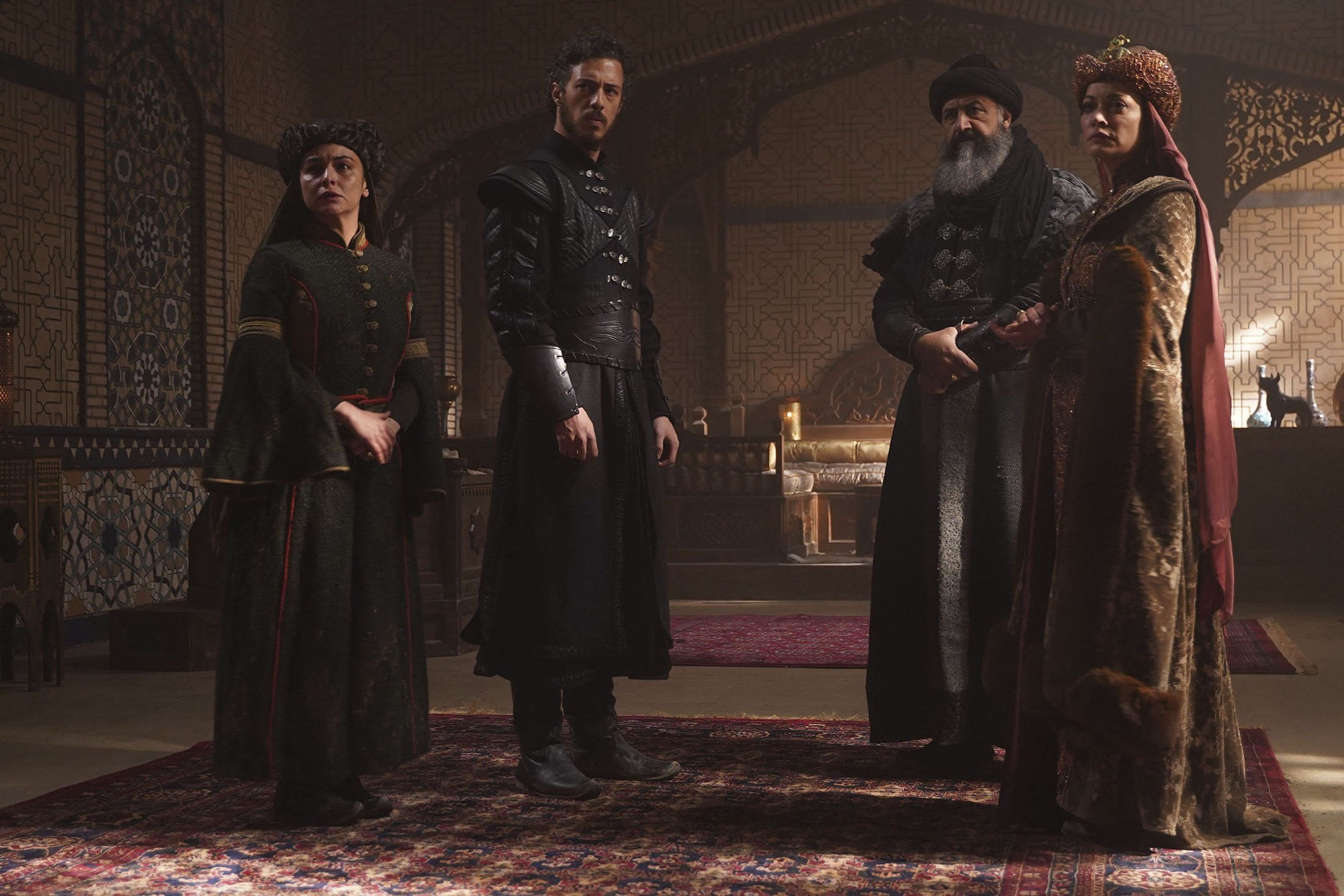
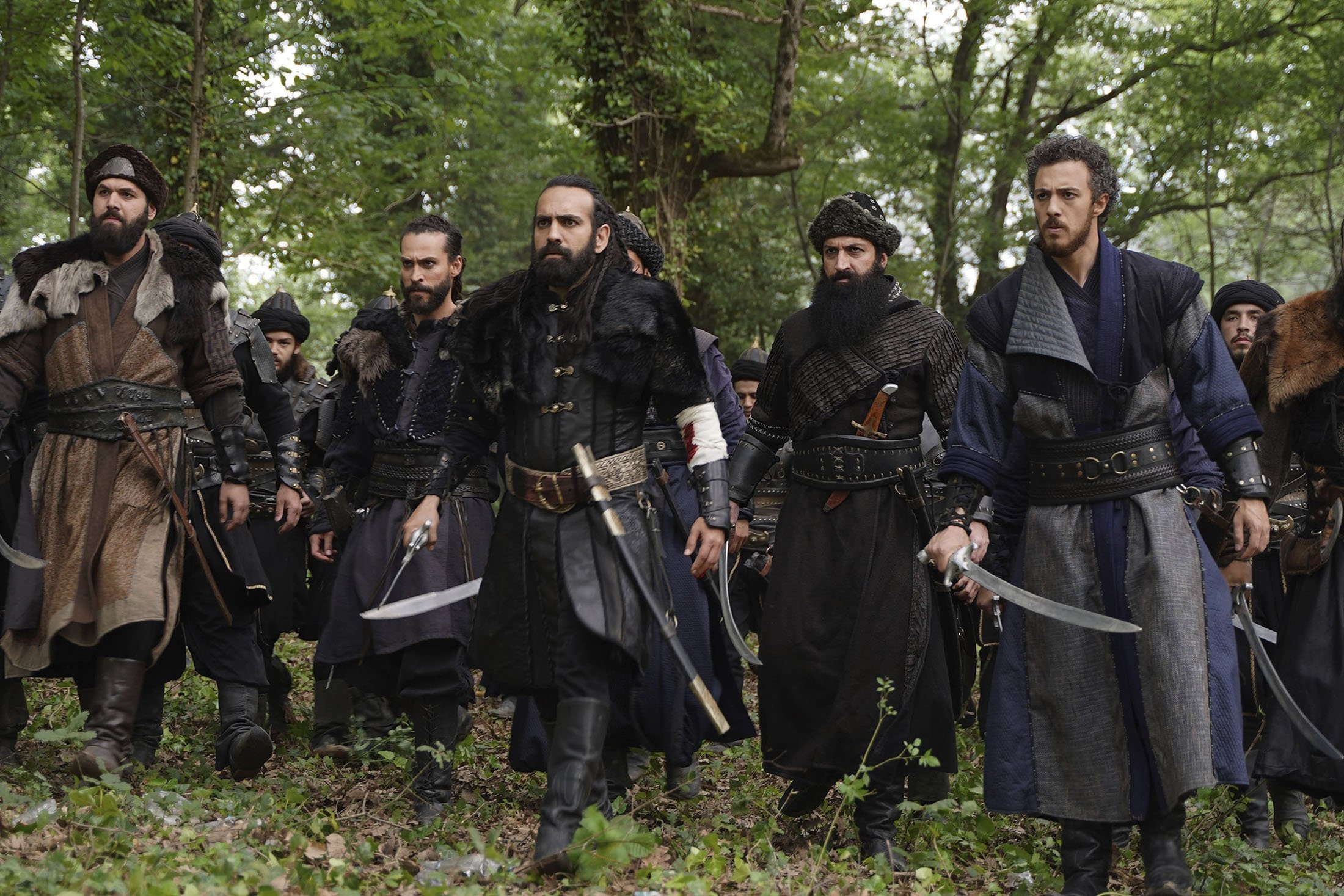
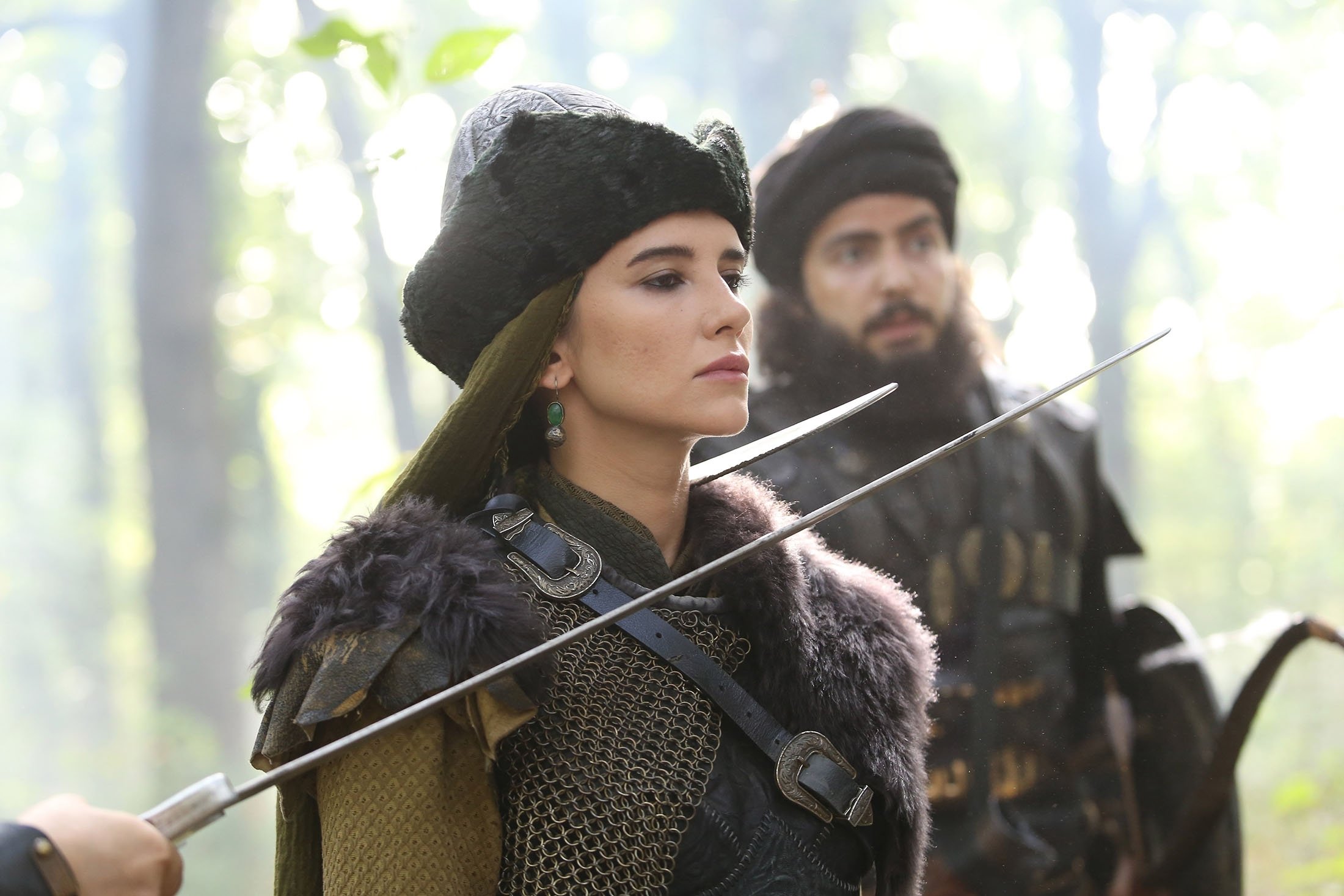
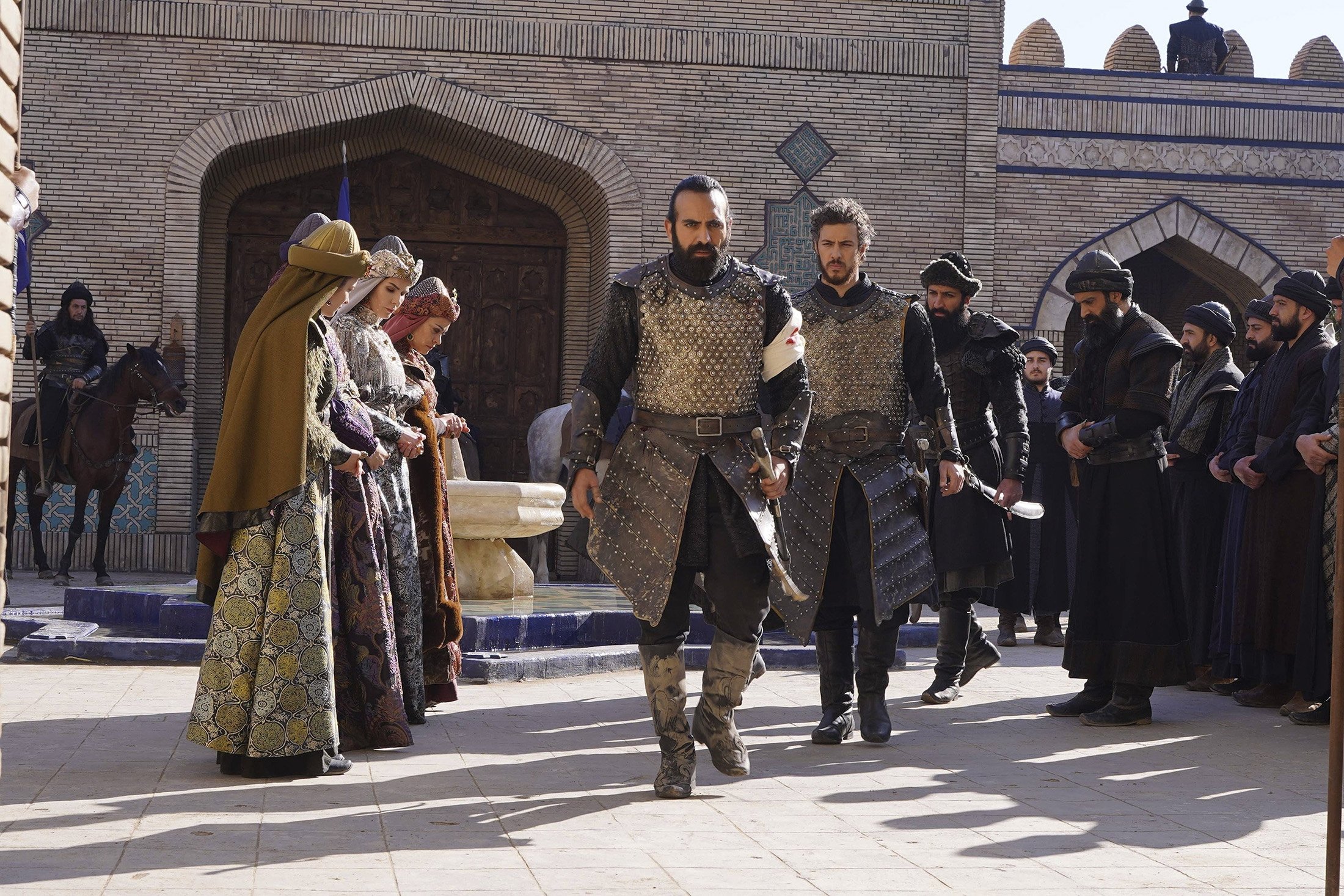
“Uyanış: Büyük Selçuklu” might seem like a regular drama series just as any other, but it has brought the audience to rediscover the history of the Seljuk Empire, which has played a major role in changing the landscape of Abbasid rule, especially in the 11th and 12th centuries.
Some important legacies, such as Madrasah Nizamiyyah, Malikshah Observatory and the Jalali Calendar as well as those prestigious works including Siyasat Nameh, Fada’ih al-Batiniyyah and al-Tibr al-Masbuk fi Nasihat al-Muluk are certainly real proof of the policies and wisdom of leaders and scholars who have been entrusted with the care and defense of religion and country.
They deserve to be reminisced and learned about – especially with the domestic and international political situation at this moment – by all of us.